How to Wash Kitchen Walls: Easy Steps for a Sparkling Clean
Your kitchen walls face a lot every day—splashes from cooking, grease, and stubborn stains that don’t seem to go away. If you’ve been avoiding cleaning them because it feels like a big job, you’re not alone.
How to Wash Kitchen Walls. But what if you could make your walls look fresh and spotless without spending hours scrubbing? In this guide, you’ll discover simple, effective ways to wash your kitchen walls quickly and easily. By the end, your kitchen will feel cleaner, brighter, and more inviting.
Ready to transform your space? Let’s dive in!
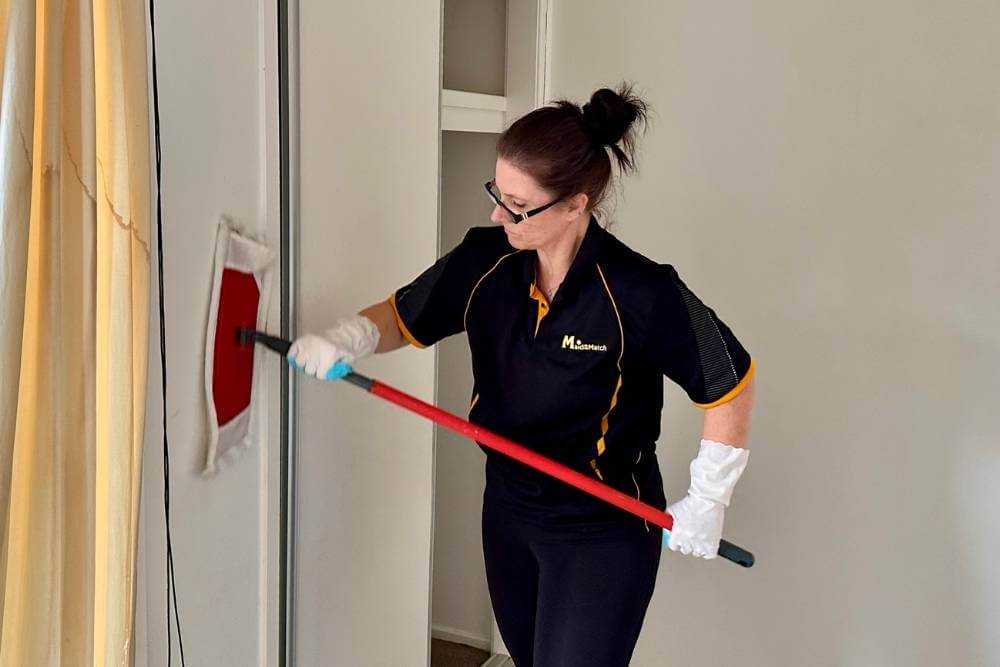
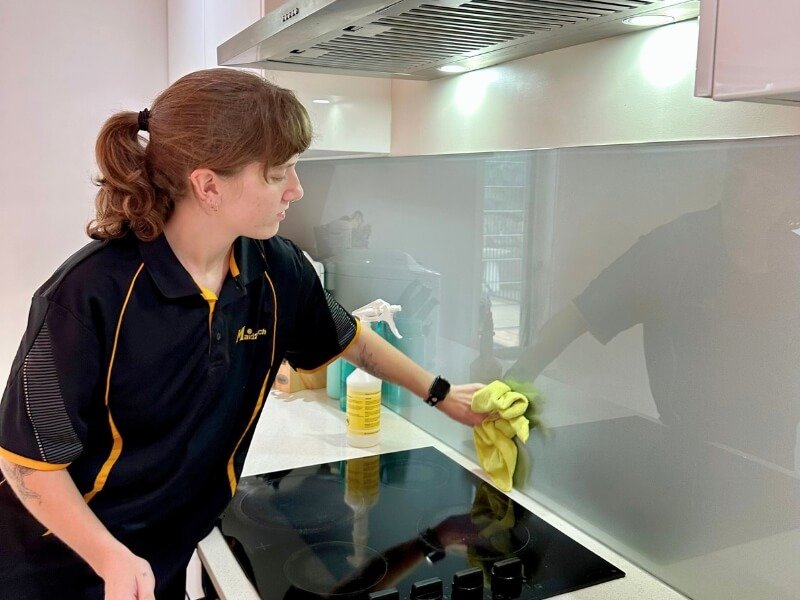
Cleaning grease off painted kitchen walls
Gather Cleaning Supplies
Before you start scrubbing your kitchen walls, it’s important to gather all the cleaning supplies you need. Having everything ready saves time and prevents interruptions during the cleaning process. Plus, the right tools and solutions make your job easier and more effective.
Essential Tools
- Soft sponge or microfiber cloth:Gentle on walls but effective at removing dirt.
- Bucket:For mixing cleaning solutions and rinsing your cloth or sponge.
- Spray bottle:Useful for evenly applying cleaning liquids on the wall surface.
- Old towels or rags:To dry the walls after washing to avoid streaks or water damage.
- Step stool or ladder:If your walls are tall, this helps you reach higher spots safely.
- Gloves:Protect your hands from harsh chemicals or prolonged exposure to water.
Have you ever tried cleaning without a proper sponge? It usually ends with smudges or scratches on the paint. Choosing the right tools upfront keeps your walls looking fresh and damage-free.
Recommended Cleaning Solutions
- Mild dish soap and warm water:Safe for most painted walls and effective against grease.
- White vinegar and water mixture:Great for cutting through stubborn stains and deodorizing.
- Baking soda paste:Use for spot cleaning tough grime without scratching surfaces.
- Commercial wall cleaners:Available for specific wall finishes, but always test on a small area first.
Choosing your cleaner depends on the type of stains and wall finish. Do you want something natural or a stronger commercial option? Testing solutions on a hidden spot helps you avoid surprises and keeps your walls intact.
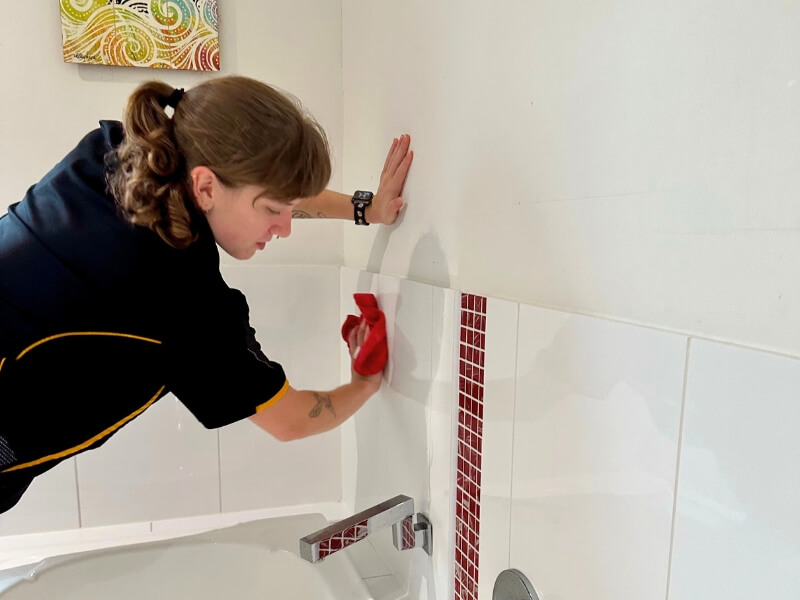
Easy way to clean kitchen walls with sponge
Prepare The Area
Preparing the area before washing your kitchen walls is crucial to avoid unnecessary mess and damage. Taking a few minutes to clear and protect your space can save you from extra work and frustration later on. Have you ever started cleaning only to realize you missed something important? Let’s make sure that doesn’t happen.
Remove Obstacles
Begin by taking down any wall hangings, pictures, or shelves that could get in your way. Move small appliances or countertop items away from the wall to prevent splashes or drips. Clearing the area not only gives you full access but helps you clean more efficiently.
Don’t forget about furniture close to the walls. Chairs or tables should be pushed back or covered if they cannot be moved. The goal is to create a clutter-free zone where you can work comfortably without worrying about knocking things over.
Protect Surrounding Surfaces
Kitchen walls are often surrounded by cabinets, countertops, and floors that need protection during cleaning. Use painter’s tape and plastic sheets or old towels to cover these surfaces. This prevents water damage and keeps cleaning products from leaving stains.
Protecting your floor is especially important if you’re using liquid cleaners. Placing a drop cloth or newspaper underneath your work area catches drips and makes cleanup faster. Would you want to spend extra time scrubbing floors after washing walls? Taking these small precautions helps you avoid that hassle.
Dust And Dry Clean Walls
Before you dive into scrubbing your kitchen walls, removing dust and loose dirt is essential. Dust and dry cleaning your walls creates a clean surface that makes wet cleaning more effective and prevents smearing grime around. It also helps you spot stubborn stains that need extra attention.
Use A Duster Or Vacuum
Grab a microfiber duster or a vacuum cleaner with a brush attachment to gently sweep your walls. Start from the top and work your way down to catch all the dust and cobwebs hiding in corners. This approach saves you from spreading dust onto already cleaned areas.
I once skipped this step and ended up with streaks on my freshly washed walls. Using a vacuum or duster first prevents that mess and makes your cleaning smoother.
Wipe With A Dry Cloth
After dusting, take a clean, dry cloth and wipe the walls to pick up any remaining particles. A soft cotton cloth works well because it won’t scratch the paint. Pay extra attention to areas around switches and handles where dust tends to settle more.
Ever noticed how a dry wipe can reveal spots you missed? This simple step ensures your walls are truly clean before you add any moisture.
Mix Cleaning Solution
Mixing the right cleaning solution is key to washing kitchen walls effectively. The solution should remove grease, stains, and dirt without damaging paint or wallpaper. Choosing safe ingredients and using proper dilution ratios helps protect your walls and keeps the air fresh. Preparing the mix correctly also makes cleaning easier and faster.
Choose Safe Ingredients
Pick gentle ingredients that clean well but do not harm surfaces. Mild dish soap works great for most kitchen walls. White vinegar is a natural cleaner that cuts grease and brightens walls. Avoid harsh chemicals like bleach or ammonia, which can damage paint or wallpaper. Use warm water to help dissolve dirt and grease easily.
Proper Dilution Ratios
Mix ingredients in the right amounts to avoid sticky residue or damage. A common mix is one teaspoon of dish soap per one cup of warm water. For vinegar solutions, combine equal parts of white vinegar and water. Stir gently to blend the solution evenly. Too strong a mix can harm paint or wallpaper, while too weak won’t clean well.
Spot Test The Wall
Before washing your kitchen walls, perform a spot test. This simple step protects your paint and wallpaper. It checks how your wall reacts to cleaning solutions. Spot testing helps avoid damage or discoloration. Take a small, hidden area for the test. Use the cleaning solution you plan to use on the walls.
Check For Colorfastness
Dab a small amount of cleaner on the test area. Use a soft cloth or sponge. Gently rub the spot for a few seconds. Look closely for any color changes or peeling paint. If the color fades or peels, choose a milder cleaner. Avoid harsh chemicals that may harm the wall finish.
Wait And Observe
Let the test area dry completely. Wait at least 10 to 15 minutes. Check the spot for any changes in texture or color. If the wall looks the same, it is safe to clean. If not, try a different cleaner or method. Spot testing saves time and prevents costly repairs.
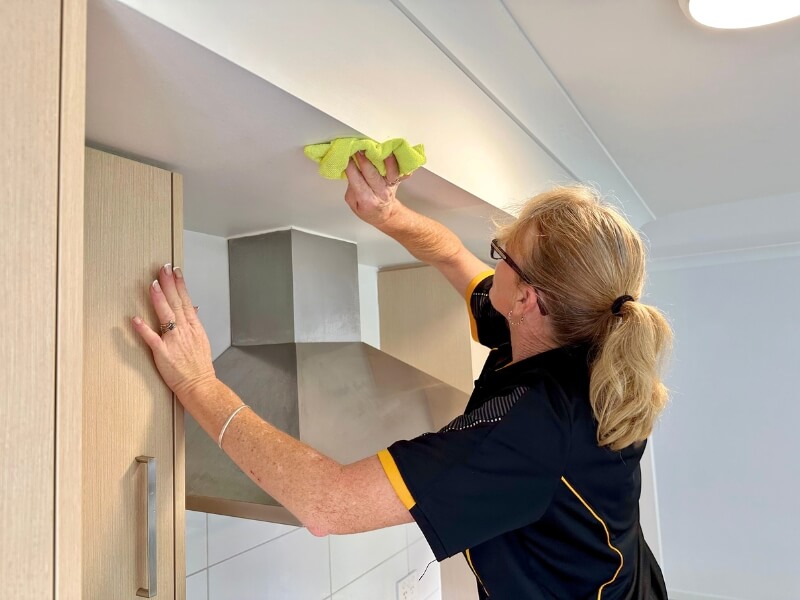
Sparkling clean kitchen walls after washing
Wash The Walls
Washing your kitchen walls can transform the entire space, making it feel fresher and more inviting. Dirt, grease, and food splatters tend to build up over time, especially around cooking areas. Taking the time to properly wash your walls not only improves appearance but also helps maintain a healthier environment.
Use Soft Sponges Or Cloths
Choosing the right cleaning tool is key to protecting your walls from scratches and damage. Soft sponges or microfiber cloths work best because they gently lift dirt without harming the paint or wallpaper. Avoid abrasive scrubbers that can leave marks or peel off paint.
I once tried scrubbing with a rough brush and ended up with tiny scratches all over my kitchen walls. Since switching to soft cloths, the cleaning process has been smoother and safer for the surface. Don’t underestimate how much your cleaning tool affects the outcome.
Start From Top To Bottom
Begin washing your walls at the highest point and work your way down. This technique prevents dirty water or cleaning solution from dripping onto areas you’ve already cleaned. It also makes the task feel more manageable, as you can see your progress clearly.
Try dividing your wall into sections and focus on one area at a time. This approach keeps you organized and ensures you don’t miss any spots. Have you noticed how much easier cleaning feels when you have a clear plan to follow?
Remove Stubborn Stains
Stubborn stains on kitchen walls can be tough to clean. They often come from grease, food splashes, or smoke. Removing these marks needs simple yet effective solutions. Using natural ingredients helps protect your walls without harsh chemicals. The following tips show how to tackle tough stains safely and efficiently.
Apply Baking Soda Paste
Baking soda works well to lift dirt and grime. Make a thick paste by mixing baking soda with water. Spread the paste on the stained areas. Let it sit for 10 to 15 minutes. Gently scrub the spot with a soft cloth or sponge. Rinse with clean water and dry the wall with a towel. This method removes many stains without damaging paint.
Use Vinegar Solutions
Vinegar is a natural cleaner that cuts through grease. Mix equal parts of white vinegar and water in a spray bottle. Spray the solution directly on the stains. Let it sit for 5 to 10 minutes to break down the grime. Wipe the area with a damp cloth. Rinse with water and dry the wall. Vinegar works best on oily and sticky stains.
Rinse And Dry
Rinsing and drying kitchen walls is a crucial part of cleaning. It removes leftover soap and dirt. This step prevents streaks and water spots. Proper drying also stops moisture damage and mold growth.
Wipe With Clean Water
Use a clean sponge or cloth dipped in fresh water. Gently wipe the walls to remove soap residue. Change the water often to avoid spreading dirt. Focus on areas with visible soap or grime.
Use Dry Towels Or Cloths
Take a dry towel or microfiber cloth for drying. Pat the walls rather than rubbing to avoid damage. Drying quickly helps prevent water stains. Make sure no damp spots remain on the surface.
Maintain Clean Walls
Maintaining clean kitchen walls is key to keeping your cooking space fresh and inviting. Walls often collect grease, dust, and food splatters that can dull their appearance over time. Staying on top of this with simple routines makes deep cleaning easier and your kitchen more pleasant to spend time in.
Regular Dusting
Dust gathers on kitchen walls faster than you might think, especially near vents and light fixtures. Use a microfiber cloth or a soft duster to wipe down your walls weekly. This quick step prevents buildup that can attract grease and grime later on.
Don’t forget corners and behind appliances where dust likes to hide. You might be surprised how much cleaner your kitchen feels after just a few minutes of dusting. Have you checked those often-missed spots lately?
Quick Spot Cleaning
Food splashes and stains happen — it’s part of cooking life. Instead of letting spots sit, grab a damp cloth and mild detergent to wipe them away as soon as you see them. This stops stains from settling in and keeps your walls looking fresh.
Keep a small cleaning spray and cloth handy in the kitchen for these quick touch-ups. You’ll find that addressing spots immediately saves you from scrubbing later. How often do you pause to wipe off a spill before it sets?
Frequently Asked Questions
How Do You Prepare Kitchen Walls For Washing?
Remove dust and grease using a dry cloth and mild detergent. Protect outlets and appliances with tape. Test a small wall area first to avoid damage.
What Cleaning Solutions Work Best For Kitchen Walls?
Use a mixture of warm water and mild dish soap. For tough stains, add white vinegar or baking soda. Avoid harsh chemicals that can damage paint or wallpaper.
How Often Should Kitchen Walls Be Washed?
Wash kitchen walls every 1 to 3 months. Increase frequency if you cook frequently or notice grease buildup. Regular cleaning prevents stains and keeps walls fresh.
Can I Use A Sponge Or Cloth For Washing Walls?
A soft sponge or microfiber cloth works best. Avoid abrasive scrubbers that can scratch paint. Rinse with clean water and dry with a towel after washing.
Conclusion
Clean kitchen walls make your home feel fresh and inviting. Consistent cleaning prevents stubborn stains from setting in. Use gentle cleaning solutions to protect paint and surfaces. Regular maintenance saves time and effort in the long run. Choose tools that suit your wall type.
Soft sponges or microfiber cloths work best. Ensure walls are dry after washing. This prevents mold growth and water damage. Remember to ventilate the area properly. Fresh air helps dry surfaces quickly. Keeping your kitchen walls clean enhances your cooking space.
Enjoy a tidy and pleasant kitchen environment. Happy cleaning!