

Are you ready to give your kitchen a fresh, stylish upgrade? Installing a tile backsplash can instantly transform your space, but the secret to a flawless finish lies in how well you prepare your kitchen wall first.
How to Prepare Kitchen Wall for Tile Backsplash. If you rush this step, you might face peeling tiles or uneven surfaces later on. Don’t worry—this guide will walk you through simple, effective steps to get your wall ready, making the entire tiling process smoother and more successful. Keep reading, and you’ll soon have the confidence to create a backsplash that looks professional and lasts for years.
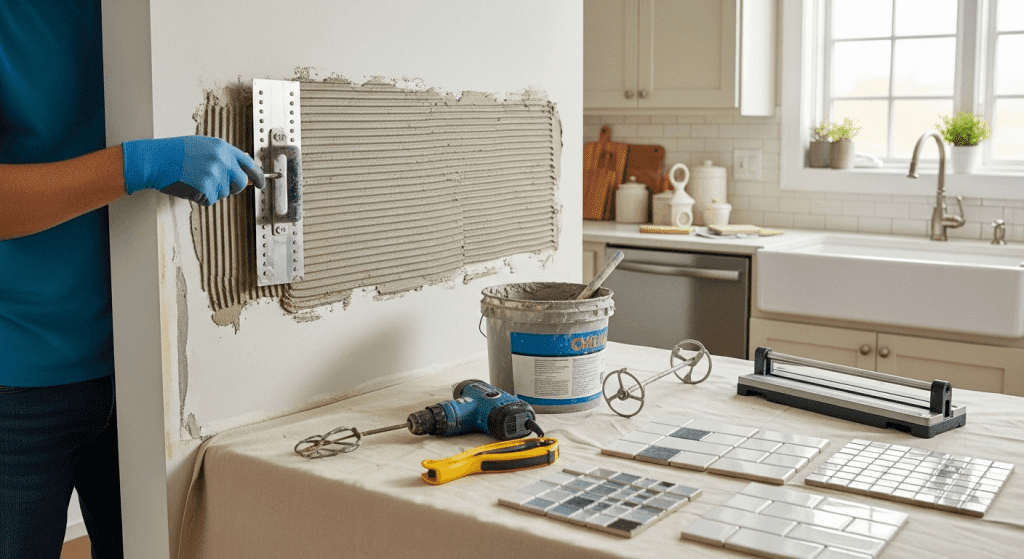
Tools needed to prepare wall for tile backsplash
Assess Wall Condition
Before installing a tile backsplash, check the kitchen wall carefully. The wall must be solid and smooth. This helps tiles stick well and last long. Assessing the wall condition prevents future problems like cracks or loose tiles. Take time to inspect and prepare the surface properly.
Check For Damage
Look closely for cracks, holes, or water stains on the wall. These defects can cause tiles to fall off later. Small cracks may need filling with spackle or joint compound. Large holes might require patching with drywall. Water damage calls for drying and possibly replacing sections of the wall. A strong, even wall surface ensures the backsplash stays secure.
Remove Old Materials
Clear off any old wallpaper, paint, or adhesive from the wall. Tiles won’t stick well to loose or peeling material. Use a scraper or sanding tool to remove these layers. If old tile or backsplash exists, remove it carefully. Clean the wall surface thoroughly after removal. A clean, bare wall is the best base for new tile installation.

Person cleaning kitchen wall before tile backsplash installation
Clean The Surface
Cleaning the surface before installing a tile backsplash is essential to ensure the tiles stick properly and look great for years. A clean wall means no dirt or grease will prevent the adhesive from bonding well. This step might seem simple, but skipping it can cause tiles to loosen or grout to crack later on.
Wash Off Grease And Dirt
Start by removing any grease, dirt, or food splatters from your kitchen wall. Use a mixture of warm water and a few drops of dish soap to scrub the area gently. You can use a sponge or a soft cloth—avoid anything too abrasive that might damage the wall surface.
For stubborn grease spots, a little baking soda added to the soap solution can boost cleaning power without harsh chemicals. Have you ever noticed tiles peeling off near the stove? Often, that’s because grease was left behind during preparation.
Rinse the wall with clean water afterward to remove soap residue. Leaving soap behind can interfere with tile adhesive, so don’t skip this step.
Dry Thoroughly
After washing, make sure the wall is completely dry before applying any tile adhesive. Moisture can weaken the bond and cause tiles to fall off or grout to crack.
Use a clean towel to blot the surface, then let it air dry for at least an hour. If you’re in a hurry, a hairdryer on a low setting can speed up the process.
Have you ever put up wallpaper or paint on a damp wall? The results usually don’t last well. The same principle applies to tile backsplashes—you want a dry, clean surface for the best results.
Repair And Smooth
Repairing and smoothing the kitchen wall is essential before installing a tile backsplash. This process ensures the surface is even and strong, which helps tiles stick better and look neat. Small damages like holes and cracks can cause problems later, so fixing them first is important. Also, rough patches need to be sanded down to create a smooth base. These steps prepare the wall perfectly for tiling.
Fill Holes And Cracks
Start by cleaning the wall surface of dust and grease. Use a putty knife to apply spackling paste or wall filler into holes and cracks. Press the filler firmly to fill gaps completely. Let the filler dry according to the product instructions. After drying, check if the surface feels even. Add more filler if needed to avoid bumps under the tiles.
Sand Rough Areas
Once the filler is dry, use medium-grit sandpaper to smooth the patched areas. Sand gently in circular motions to blend the repair with the rest of the wall. Wipe away dust with a damp cloth after sanding. Check the wall by running your hand over it; it should feel flat and smooth. A smooth wall surface helps the tile adhesive bond well, preventing tiles from popping off later.

Sanding and smoothing wall surface for backsplash prep
Prime The Wall
Priming the wall is a crucial step before installing your kitchen tile backsplash. It ensures better adhesion of the tiles and helps the backsplash last longer without peeling or cracking. Skipping this step can cause headaches down the line, so let’s focus on getting it right.
Choose The Right Primer
Not all primers are made equal, especially for kitchen walls. You want a primer that works well on the material of your wall, whether it’s drywall, plaster, or concrete. Look for primers labeled for “tile adhesion” or “high-adhesion,” as these provide a strong base for your backsplash tiles.
Oil-based primers are excellent for covering stains and sealing porous surfaces, but they take longer to dry. Latex primers dry faster and are easier to clean, making them a popular choice. Think about the condition of your wall and pick a primer that suits both your surface and your timeline.
Apply Evenly
Applying primer evenly is key to creating a smooth, reliable surface for your tiles. Use a high-quality brush or roller to spread the primer in thin, consistent layers. Avoid thick patches that can cause bumps under your tiles.
Make sure to cover every inch of the wall area where your backsplash will go. If you miss spots, the tiles might not stick properly, leading to future repairs. A tip from my own experience: prime during good weather if possible, as humidity can affect drying time and adhesion.
Mark Tile Layout
Marking the tile layout is a key step before installing your kitchen backsplash. It helps you visualize the final design and avoid costly mistakes. Careful planning ensures tiles fit well around outlets, cabinets, and corners.
Measure And Level
Start by measuring the wall area for the backsplash. Use a tape measure to get the width and height. Write down these numbers for reference.
Use a level to draw a straight horizontal line across the wall. This line acts as a guide for the first row of tiles. Make sure it is perfectly level to keep the tiles even.
Plan Tile Placement
Decide how the tiles will be arranged on the wall. Think about starting points and patterns. Mark the center of the wall with a vertical line.
- Dry lay tiles on a flat surface to see the design.
- Adjust tile placement to avoid small slivers at edges.
- Mark tile edges lightly on the wall with a pencil.
This planning step helps you place tiles symmetrically and saves time during installation.
Gather Tools And Materials
Gathering the right tools and materials sets the stage for a smooth tile backsplash project. It saves time and avoids last-minute trips to the store. Preparing the kitchen wall properly starts with having everything on hand. This section covers what you need to get started.
Essential Tools List
- Measuring tape for accurate tile layout
- Level to keep tiles straight
- Tile cutter or wet saw for precise cuts
- Notched trowel for spreading adhesive evenly
- Rubber grout float for grout application
- Sponges to clean excess grout
- Pencil for marking tile placement
- Bucket for mixing adhesive or grout
- Safety glasses to protect your eyes
- Utility knife for trimming and cleaning edges
Selecting Adhesives
Choosing the right adhesive is key to a durable backsplash. Thinset mortar works well for ceramic or porcelain tiles. It offers strong bonding and resists moisture. For smaller or lightweight tiles, mastic adhesive is a good choice. It is easier to work with but less water-resistant.
Check the tile manufacturer’s recommendations before buying. Some adhesives suit specific tile types better. Use waterproof adhesive in areas exposed to moisture. Proper adhesive ensures your backsplash stays in place for years.
Prepare For Installation
Preparing your kitchen wall for a tile backsplash starts with careful planning. This stage ensures a smooth installation process and protects your kitchen from damage. Setting up the right environment helps you work efficiently and keeps everything clean.
Protect Surrounding Areas
Cover countertops and cabinets with plastic sheets or drop cloths. Use painter’s tape to secure the covers and prevent dust or adhesive from sticking. Remove or shield appliances near the workspace. Protect the floor with cardboard or a tarp to avoid scratches and spills. These steps keep your kitchen safe during the project.
Set Up Workspace
Clear the area around the wall to have room for tools and materials. Arrange your tile, adhesive, spacers, and grout within easy reach. Make sure you have good lighting to see details clearly. Use a sturdy step stool or ladder to reach high spots safely. Organize your workspace to reduce interruptions and speed up the job.
Frequently Asked Questions
How Do I Clean The Kitchen Wall Before Tiling?
Clean the wall thoroughly using mild detergent and water. Remove grease, dust, and dirt. Dry the surface completely to ensure proper tile adhesion.
Should I Repair Wall Damage Before Tiling?
Yes, repair any holes, cracks, or uneven areas. Use spackle or joint compound. Smooth and sand the surface for a flat base.
Is Primer Necessary Before Installing Backsplash Tiles?
Applying primer is recommended. It seals the wall and improves tile adhesion. Use a primer suitable for your wall type.
How Do I Measure The Wall For A Backsplash?
Measure the width and height of the area precisely. Note any obstacles like outlets or cabinets. Accurate measurements help in tile cutting and layout.
Conclusion
Preparing your kitchen wall for a tile backsplash is crucial. Clean surfaces help tiles stick better. Remove old paint or wallpaper first. Smooth walls prevent tile bumps. Use a primer for better adhesion. Take your time with these steps. A well-prepared wall makes tiling easier.
It ensures lasting results and a beautiful kitchen. Follow these tips for a successful project. Your kitchen will thank you. Ready to enjoy a fresh new look? Start today with confidence. Your backsplash awaits!
