

Are your kitchen walls covered in stubborn grease and grime? Before you pick up that paintbrush, there’s one crucial step you can’t skip: proper preparation.
How to Prep Greasy Kitchen Walls for Painting. If you want your new paint to stick well and look fresh for years, cleaning those greasy walls is a must. In this guide, you’ll discover simple, effective ways to get your kitchen walls ready for painting. Follow these easy steps, and you’ll avoid peeling paint, uneven finishes, and endless frustration.
Keep reading to transform your kitchen walls into a clean, smooth canvas that’s ready for a fresh new look.

Scrubbing grease off kitchen wall surface
Assessing Wall Condition
Before painting greasy kitchen walls, check their condition carefully. This step helps the paint stick better and last longer. Cleaning and repairing the walls is easier when you know what problems exist.
Spotting Grease And Stains
Grease on kitchen walls often looks shiny or sticky. It can cause paint to peel or bubble later. Look for dark spots or areas where dirt gathers. These stains often appear near the stove and behind counters.
Use a bright light to find hidden grease patches. Wipe the wall with a damp cloth to see if it feels oily. Mark the greasy spots with a pencil for thorough cleaning.
Checking For Damage
Grease can hide cracks, holes, and peeling paint. These flaws affect the wall’s surface and paint finish. Look closely for any damage, especially near kitchen appliances.
Tap the wall gently with your knuckles. Hollow sounds can mean loose plaster or drywall. Use a scraper to test if paint chips off easily. Note all damaged areas for repair before painting.
Gathering Cleaning Supplies
Before you start scrubbing your greasy kitchen walls, gathering the right cleaning supplies makes all the difference. The right tools and products can speed up the process and ensure your walls are spotless and ready for painting.
Think about the last time you tried cleaning without the proper supplies. Frustrating, isn’t it? Getting everything you need beforehand sets you up for success and saves you from multiple trips to the store.
Choosing The Right Degreaser
Not all degreasers are created equal. Some work wonders on tough kitchen grease, while others barely make a dent. Look for a degreaser labeled safe for painted surfaces or walls to avoid damage.
Consider products with natural ingredients if you prefer fewer chemicals in your home. You might want to test a small, hidden area first to see how the degreaser reacts with your wall paint or wallpaper.
Have you ever noticed how some degreasers leave behind a sticky residue? Avoid those to ensure your new paint adheres well. Popular options include citrus-based cleaners, trisodium phosphate (TSP), or heavy-duty kitchen degreasers available at most hardware stores.
Essential Tools And Materials
Gathering your tools is just as important as choosing the right cleaner. You’ll need:
- Sponges and scrub brushes:Soft sponges for delicate areas and stiff brushes for stubborn spots.
- Buckets:For mixing cleaning solutions and rinsing.
- Microfiber cloths:Great for wiping down surfaces without leaving lint.
- Gloves:Protect your hands from harsh chemicals and grease.
- Drop cloths or plastic sheets:To protect your floors and countertops from drips and spills.
- Ladder or step stool:If your walls are tall or hard to reach.
Having everything ready means you won’t interrupt the cleaning flow. You might find that using a combination of tools works best—scrubbing with a brush, then wiping with a sponge, and finishing with a microfiber cloth can make your walls shine.
Cleaning Greasy Walls
Cleaning greasy kitchen walls is a crucial step before painting. Grease and grime prevent paint from sticking properly. Dirt can cause the new paint to peel or bubble. Thorough cleaning ensures a smooth, lasting finish. Use the right solution and techniques for best results.
Preparing Cleaning Solution
Mix warm water with a mild detergent or dish soap. Add a cup of white vinegar for extra grease-cutting power. Avoid harsh chemicals that can damage walls. Use a spray bottle or bucket for easy application. Stir well to combine ingredients evenly.
Effective Cleaning Techniques
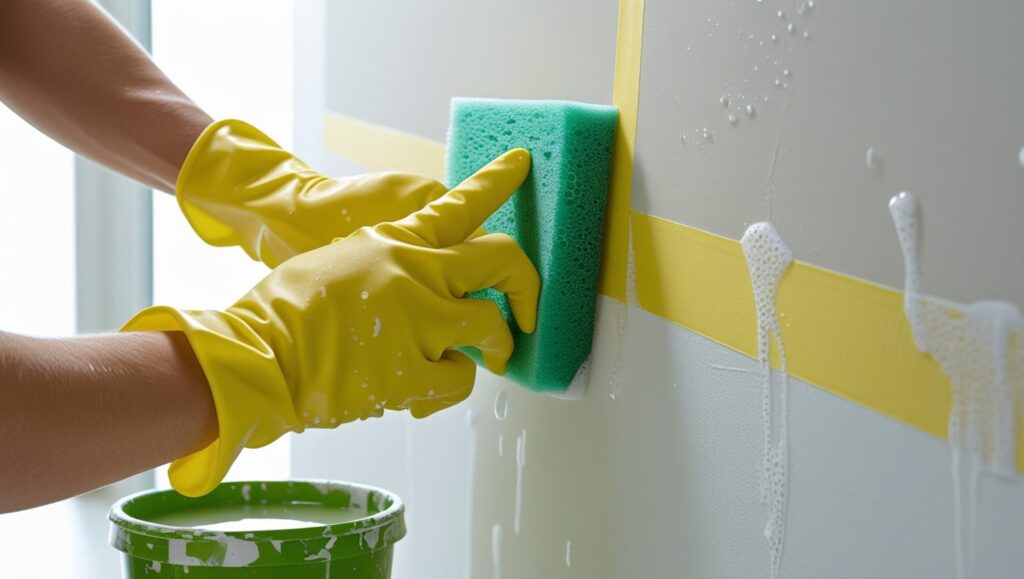
Start by dusting walls with a dry cloth or duster. Spray or apply the cleaning solution to small wall sections. Use a soft sponge or cloth to scrub gently in circular motions. Focus on greasy spots without soaking the wall. Change cloths often to avoid spreading dirt.
Rinsing And Drying
Rinse walls with clean water to remove soap residue. Use a clean sponge or cloth dampened with water. Avoid leaving water on the walls to prevent damage. Dry the walls completely with a towel or let air dry. Ensure no moisture remains before painting.
Repairing And Sanding Surfaces
Repairing and sanding surfaces is a crucial step in prepping greasy kitchen walls for painting. Without this, your paint won’t stick well, and any cracks or holes will be visible through the new coat. Taking the time to fix these imperfections ensures a smooth, professional finish.
Filling Cracks And Holes
Start by inspecting your walls for cracks, holes, or dents. Use a putty knife to apply a quality filler or spackle directly into these damaged areas.
Press the filler firmly so it fills the gap completely. Let it dry according to the product’s instructions—usually a few hours.
Did you know that skipping this step often causes paint to peel or chip later? That’s why investing effort here saves you from frustration down the line.
Sanding For Smoothness
Once the filler is dry, sand the patched spots with fine-grit sandpaper until they blend seamlessly with the rest of the wall.
Don’t forget to sand any glossy or rough areas caused by grease buildup as well. This helps the primer and paint adhere better.
A smooth surface feels different to the touch, almost like glass. If you still feel bumps or ridges, keep sanding gently—you’ll notice a huge difference in your paint’s final look.
Priming For Paint Adhesion
Priming is essential for paint to stick well on greasy kitchen walls. It creates a clean, sealed surface that prevents oil and dirt from bleeding through the paint. Without proper priming, paint may peel or look uneven. Choosing and applying the right primer ensures a smooth, long-lasting finish.
Selecting The Right Primer
Choose a primer designed for greasy or oily surfaces. Look for terms like “stain-blocking” or “kitchen and bath primer.” These primers stop grease from soaking into the paint. They also help the paint stick better to slick walls. Oil-based primers work well on tough stains but need good ventilation. Water-based primers dry faster and clean up easily. Pick a primer compatible with your paint type, either latex or oil-based.
Applying Primer Properly
Start by cleaning the walls thoroughly to remove grease and dirt. Use a degreasing cleaner and rinse well. Let the walls dry completely before priming. Stir the primer well before use. Apply with a brush or roller in thin, even coats. Cover all areas, including corners and edges. Avoid heavy layers that drip or run. Allow the primer to dry fully as per instructions. A second coat may be needed for heavy stains. Proper drying helps the paint bond strongly to the wall.
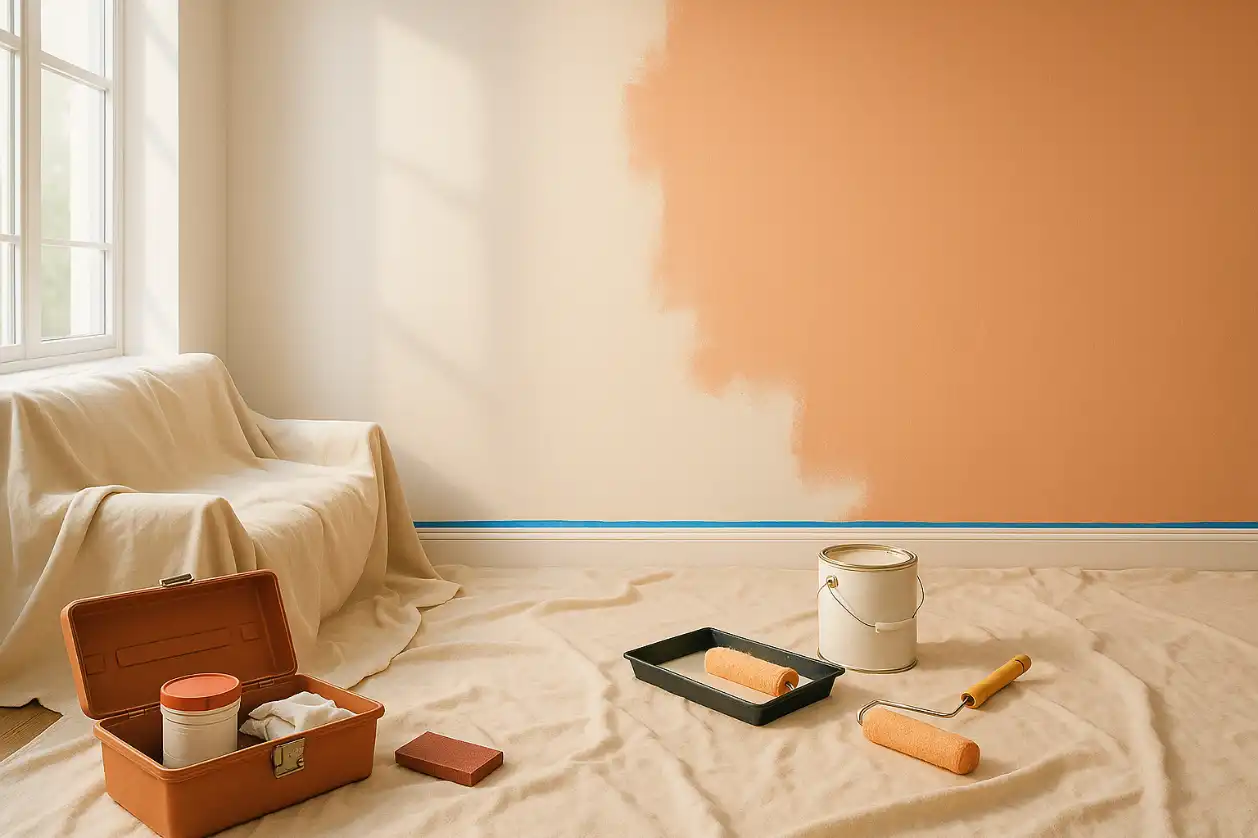
Credit: adonicollege.com
Painting Tips For Kitchen Walls
Painting kitchen walls requires special care, especially after cleaning greasy surfaces. Choosing the right paint and applying it properly ensures lasting beauty and easy maintenance. These tips help you get smooth, even coverage that resists stains and moisture.
Choosing Paint Types
Use paint made for kitchens or bathrooms. These paints resist moisture and stains better. Satin or semi-gloss finishes work well because they are easy to clean. Avoid flat or matte finishes, as they absorb grease and dirt.
Look for paints labeled “washable” or “scrubbable.” These handle cleaning without damage. Oil-based paints offer durability but need strong ventilation. Water-based latex paints dry faster and have less odor.
Applying Paint Evenly
Use a high-quality roller or brush for smooth coverage. A roller covers large areas quickly. Use a brush for edges and corners. Apply thin, even coats to avoid drips and streaks.
- Start painting from the top of the wall
- Work your way down in sections
- Let each coat dry fully before adding another
- Lightly sand between coats for a smooth finish
Proper lighting helps spot missed spots or uneven areas. Take time with each coat for a professional look. Clean tools right after use to keep them ready for next time.
Degreasing kitchen wall with soap and sponge
Frequently Asked Questions
How Do I Clean Greasy Kitchen Walls Before Painting?
Use a degreasing cleaner or a mix of warm water and dish soap. Scrub gently with a sponge to remove grease. Rinse with clean water and let dry completely before painting.
What Products Work Best For Removing Kitchen Grease?
Degreasing cleaners like trisodium phosphate (TSP) or vinegar solutions work well. Avoid harsh chemicals that damage wall surfaces. Choose eco-friendly options for safe indoor use.
Can I Paint Over Greasy Kitchen Walls Directly?
No, painting over grease causes peeling and poor adhesion. Properly clean and dry walls first. Apply a stain-blocking primer before painting for best results.
How Long Should Greasy Walls Dry Before Painting?
Allow walls to dry for at least 24 hours after cleaning. Ensure no moisture remains to prevent paint issues. Use fans or open windows to speed drying.
Conclusion
Prepping greasy kitchen walls is simple with the right steps. First, gather your cleaning supplies. Next, scrub the walls thoroughly. Make sure all grease is gone. Rinse and dry the walls well. Finally, apply a primer for better paint adhesion.
This process ensures a smooth, clean surface. Your paint will last longer and look great. No more greasy spots or stains. Enjoy a fresh, new look in your kitchen. With clean walls, painting becomes an easy task. You can transform your space with minimal effort.
Happy painting!
