Black And White Kitchen What Colour Walls: Stunning Color Ideas
Black and white kitchens remain a top choice for their timeless, high-contrast aesthetic and effortless versatility, but your wall color is the quiet element that transforms the space from cold and sterile to warm, inviting, and uniquely yours. The right shade will soften harsh black-and-white contrasts, brighten dark corners, and tie your cabinetry, countertops, and decor into a cohesive whole, while a poor choice can make the room feel flat, unbalanced, or even smaller than it is. Below, we break down designer-approved wall color ideas, practical pairing guidance, and pro tips to help you pick the perfect tone for your monochrome kitchen.
Why Wall Color Matters More In Black And White Kitchens
Unlike kitchens with colorful cabinetry that set the room’s tone, black and white bases are neutral enough that your walls become the primary source of warmth and personality. A well-chosen shade will balance the starkness of black fixtures, add subtle depth, and create a flow between every element in the space. Per 2026 design guidelines from the National Kitchen and Bath Association, prioritizing warm, layered wall tones is one of the top recommendations for avoiding the "cold gallery" effect that plagues many monochrome kitchens. Testing paint samples in your actual lighting is non-negotiable, as the same shade can look drastically different under natural daylight versus warm or cool artificial light. You can also read our guide on what colour walls for grey kitchen.
Top Wall Color Ideas For Black And White Kitchens
The best wall color for your space depends on your desired mood, kitchen size, and existing finishes. Below are the most popular, foolproof options, each tailored to specific use cases.
Soft Neutrals For Timeless, Balanced Warmth
Soft neutrals are the most versatile pick for black and white kitchens, as they add warmth without competing with the monochrome cabinetry. Ideal options include warm greige (a gray-beige blend), creamy off-white, soft dove gray, and warm taupe. These shades work for every kitchen style, from minimalist modern to rustic farmhouse, and hold strong resale value for homeowners planning to sell in the future. You can also read our guide on piece dinnerware set for. A common mistake homeowners make is choosing a cool, blue-toned gray for walls in a kitchen with black granite countertops, which can make the space feel icy and unwelcoming. Instead, opt for shades with warm undertones to balance the coolness of black fixtures. For small or north-facing kitchens with limited natural light, lean toward creamy off-whites like Sherwin-Williams Alabaster or Benjamin Moore Edgecomb Gray to brighten the space without feeling stark. If you have a large, sunlit kitchen, soft dove gray or warm taupe will add subtle depth without overwhelming the room. If you’re considering a green cabinet upgrade down the line, these same soft neutral and pastel shades work beautifully for matching wall colors to green cabinetry.
Bold Statement Shades For High-Impact Personality
If you want your kitchen to feel vibrant and uniquely yours, bold wall colors are a stunning choice that pairs beautifully with black and white bases. Top picks for 2026 include deep forest green, navy blue, terracotta, and deep plum. These shades work best as accent walls (behind the range, dining nook, or open shelves) to avoid overwhelming small spaces, but can work on all four walls in large, open-plan kitchens with plenty of natural light. In practice, designers often recommend limiting bold all-over wall color to kitchens larger than 150 square feet, as smaller spaces can feel cramped with dark, intense shades. You can also read our guide on how to remove wall tile in kitchen. For example, a deep forest green accent wall will make white cabinets pop and ground black countertops for a moody, sophisticated feel, while a terracotta shade adds warm, Mediterranean charm to a black and white kitchen with wooden decor accessories. These bold shades also pair beautifully with warm wood tones, making them a flexible long-term choice if you plan to update your cabinetry later. If you’re planning a future swap to warm wood cabinets, these bold shades also work well for matching wall colors to brown cabinetry.
Soft Pastels For Subtle, Airy Charm
Soft pastels offer a gentle middle ground between neutral and bold, adding a hint of color without overwhelming the monochrome base. Ideal shades include muted sage, dusty rose, powder blue, and soft lavender. These work especially well in cottage-style, coastal, or Scandinavian-inspired black and white kitchens, and are perfect for homeowners who want a touch of personality without committing to a bold hue. You can also read our guide on kitchen tools for one handed person. Pastels are particularly effective at softening the harshness of black fixtures: a soft sage wall, for example, will make black hardware feel warmer and less severe, while still letting white cabinetry remain the focal point. The only trade-off of pastel wall colors is that they can show grease splatters more easily than dark shades, so opt for a satin finish and plan for more frequent touch-ups in high-splash zones like behind the stove. For renters who can’t commit to permanent paint, peel-and-stick pastel wallpaper is a low-commitment way to test the look before buying paint.
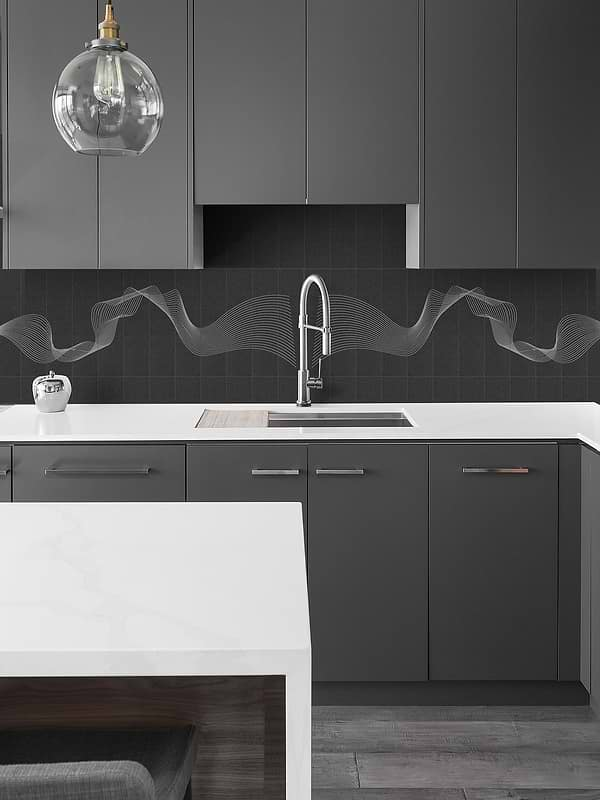 Matte black cabinetry paired with a textured stone backsplash creates a sleek, high-contrast base for coordinating wall colors.
Pairing Wall Colors With Key Kitchen Features
Your wall color doesn’t exist in a vacuum—it needs to work with every element in your kitchen to feel balanced and intentional. Use the guidance below to match your shade to your existing finishes. You can also read our guide on what color to paint my kitchen walls with white cabinets.
Coordinating With Cabinetry And Countertop Finishes
The finish of your black and white cabinetry and countertops will drastically change how a wall color looks. For matte black cabinets, warm greige or soft taupe walls will soften the matte finish’s flatness and add warmth, avoiding the cold, stark feel that cool gray walls can create. If you have glossy white cabinets, soft dove gray or pale blue walls will keep the space feeling airy and bright, rather than competing with the cabinets’ reflective finish. You can also read our guide on what colour walls for a white kitchen. For countertops, match your wall tone to the undertone: warm-toned black granite (with brown or red undertones) pairs beautifully with warm neutral walls, while cool-toned black quartz (with blue or gray undertones) works well with soft cool grays or pastel blues. A quick pro tip: hold 2×2 paint swatches directly against your countertops and cabinets in different lighting to see how the undertones interact before buying a full gallon. If you’re swapping out your black cabinets for light gray tones, soft dove gray or warm greige walls will keep the look cohesive and bright, rather than clashing with the lighter cabinetry. We break down the best pairings for light gray cabinets in our dedicated guide. You can also read our guide on pc dinnerware set clearance.
Balancing Flooring And Backsplash Tones
Your flooring and backsplash are the next largest surfaces in your kitchen, so their tones should inform your wall color choice. For dark hardwood floors paired with a classic white subway tile backsplash, warm taupe, soft caramel, or creamy off-white walls will add warmth and prevent the space from feeling cave-like. If you have light oak floors and a bold black and white geometric tile backsplash, you can lean into bolder wall shades like muted navy or deep green to add depth without clashing with the patterned backsplash. You can also read our guide on how much does it cost to paint kitchen walls. If your backsplash has a busy, high-contrast pattern, stick to neutral wall colors to avoid visual overload. For minimal, plain backsplashes, you have more flexibility to experiment with bold or pastel wall shades. You can also read our guide on tools needed to replace kitchen faucet.
Integrating Decor And Accessory Palettes
Your wall color should act as a backdrop for your favorite kitchen decor, not compete with it. If you have colorful ceramic canisters, vintage artwork, or bright dishware on open shelves, neutral wall colors like soft gray or off-white will make those pops of color stand out. If your accessories stick to the black and white palette, a soft pastel or bold accent wall will add subtle interest without breaking the monochrome harmony. You can also read our guide on what color kitchen cabinets go with gray walls. A common mistake is choosing a wall color that clashes with your most-used small appliances: if you have a bright red stand mixer, for example, a warm terracotta wall will make it feel cohesive, while a cool blue wall will make it feel out of place. Hold swatches next to your most visible accessories to test for harmony. You can also read our guide on grey kitchen cabinets what colour walls.
The Role Of Lighting In Your Wall Color Choice
Lighting is the single biggest factor that will change how your wall color looks in your kitchen, and skipping this step is the top cause of regrettable paint choices. Natural and artificial light both shift the undertone of paint, so understanding how they interact with your space is critical. You can also read our guide on what color walls go with white kitchen cabinets.
Natural Light Considerations
North-facing kitchens get cool, soft natural light with blue undertones, which can make cool gray or white walls feel dull and cold. For these spaces, lean toward warm neutrals or soft pastels with yellow or green undertones to balance the cool light. South-facing kitchens get warm, bright sunlight with yellow undertones, which can make warm beige walls feel overly yellow and cool gray walls feel balanced and fresh. East-facing kitchens get soft, warm morning light that makes pastels and warm neutrals look vibrant, while west-facing kitchens get harsh, cool evening light that can make bold shades feel overly intense. You can also read our guide on white and gray kitchen decor. If your kitchen has very little natural light, avoid dark bold shades on all four walls, as they will make the space feel smaller and dimmer. Instead, use bold shades on a single accent wall, and stick to light neutrals for the remaining walls to reflect light. You can also read our guide on sage green kitchen units what colour walls.
Artificial Lighting Tips
Artificial lighting varies widely based on bulb temperature: warm white bulbs (2700K-3000K) have yellow undertones that make warm beige and greige walls feel cozy, while cool white bulbs (3500K-5000K) have blue undertones that make cool gray and pastel blue walls feel crisp and fresh. A common mistake is installing cool LED bulbs in a kitchen with warm neutral walls, which can make the walls look dull and gray. You can also read our guide on cream kitchen what colour walls. To avoid this, use a mix of lighting layers: warm under-cabinet lights to illuminate countertops and backsplashes, and cool ceiling lights for general illumination. Always test paint samples under both your natural and artificial lighting at different times of day before making a final decision. You can also read our guide on how to remove kitchen cabinets without damaging wall.
Balancing Light With Wall Shades
If your kitchen is dominated by warm lighting, cool wall shades like soft blue or pale gray will create a balanced, fresh contrast. If your lighting is mostly cool, warm wall shades like beige or taupe will soften the space and make it feel more inviting. For kitchens with mixed lighting, stick to neutral greige shades that work with both warm and cool undertones for maximum flexibility. You can also read our guide on how to decorate kitchen wall tiles.
Accent Walls, Textures, And Finishes To Elevate Your Design
If you want to add extra personality to your black and white kitchen without committing to a bold all-over wall color, accent walls, textures, and unique finishes are a low-risk way to make a big impact. As highlighted in The Spruce’s minimalist kitchen design guide, a single bold accent wall is one of the most cost-effective ways to add personality to a monochrome space without a full renovation. You can also read our guide on beige kitchen cabinets what color walls.
Washable Wallpaper And Statement Accent Walls
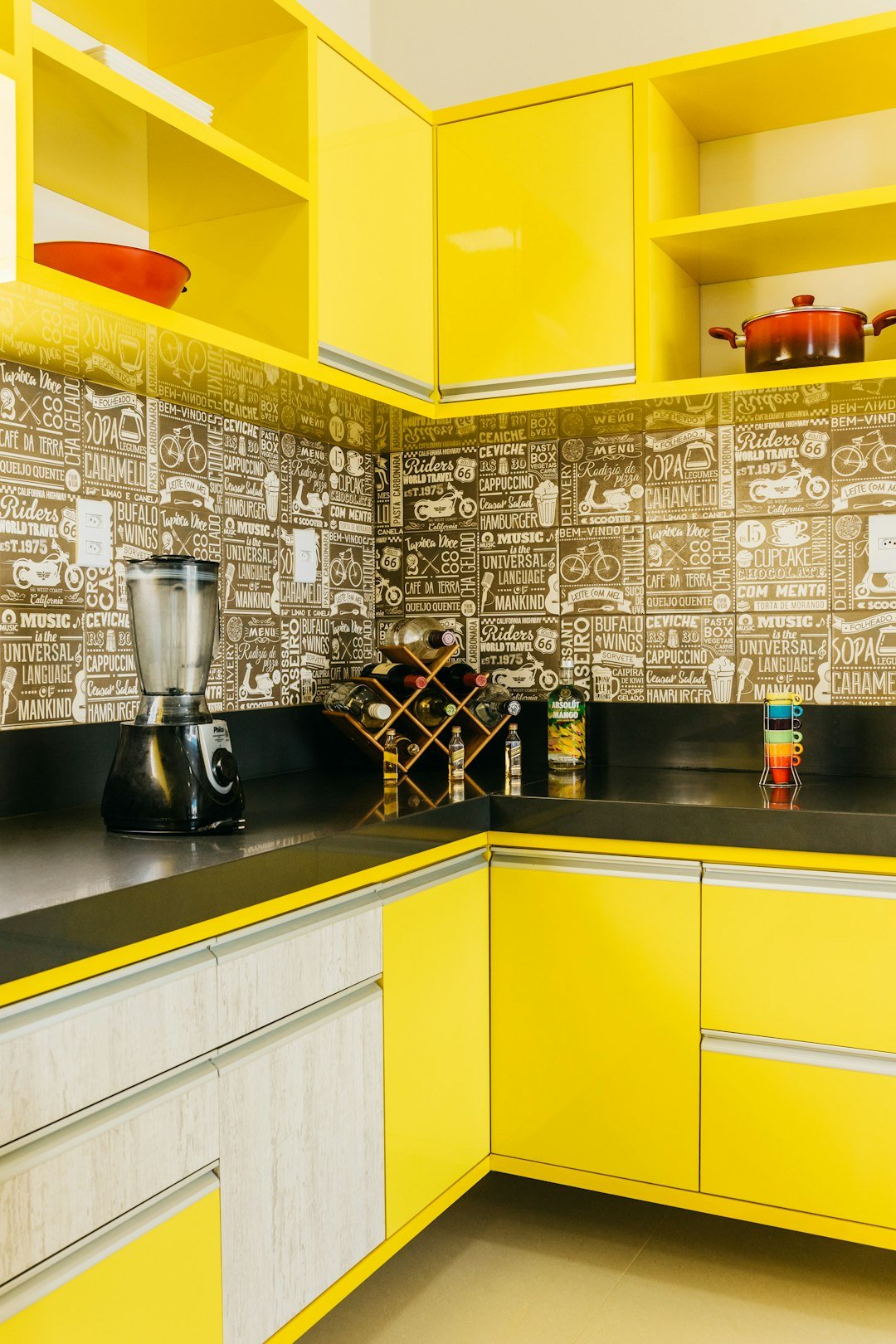
A statement accent wall is one of the easiest ways to add personality to your kitchen without overwhelming the space. For black and white kitchens, opt for cohesive black and white designs like botanical prints, subtle stripes, or classic damask patterns to keep the look intentional. The best spot for an accent wall is behind your range, open shelves, or dining nook, as these are natural focal points. You can also read our guide on happy home kitchen tool. For renters or homeowners who don’t want to commit to permanent paint, peel-and-stick, grease-resistant wallpaper is a perfect solution. Look for vinyl-coated options that can be wiped down with a damp cloth to remove grease splatters, a common issue in kitchen spaces. A subtle textured grasscloth or linen-look wallpaper also adds depth without clashing with your monochrome base. You can also read our guide on what color to paint kitchen walls with light grey cabinets.
Textured Finishes For Added Depth
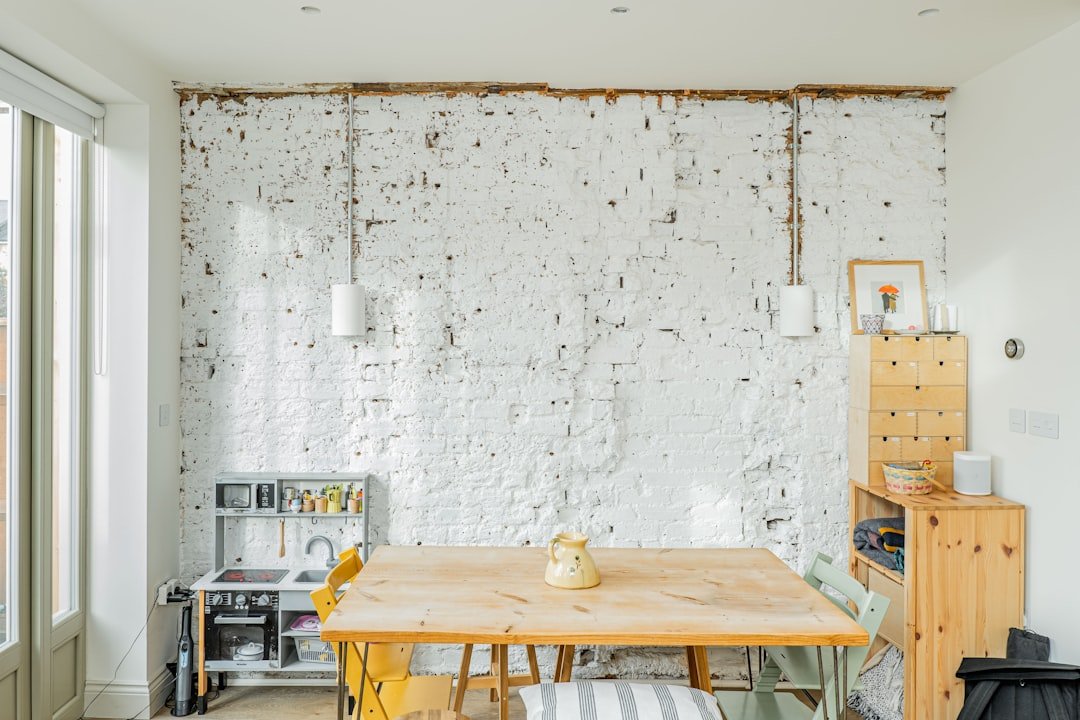
If you prefer to stick to neutral wall colors but want to avoid a flat, boring look, textured finishes are a great way to add visual interest. Options include shiplap painted in soft white, a thin whitewashed brick veneer, or limewashed plaster for a matte, organic feel. These textures catch light differently than flat paint, creating subtle shadow play that makes the space feel more layered and dynamic. You can also read our guide on red kitchen walls what color cabinets. A common misconception is that textured walls are only for rustic or farmhouse kitchens, but a smooth, subtle plaster finish works beautifully in modern minimalist black and white kitchens to add warmth without clashing with sleek fixtures. You can also read our guide on how to remove grease stains from painted kitchen walls.
Geometric And Patterned Details
For a modern, playful touch, add small-scale geometric patterns to your walls instead of a full accent wall. Ideas include a thin black geometric border along the top of the wall, hexagon tile decals behind open shelves, or a single painted stripe on the wall opposite the sink. Small-scale patterns work especially well in small kitchens, as they add visual interest without overwhelming the space. You can also read our guide on how to decorate small kitchen walls. If you have a larger kitchen, you can go bolder with a full geometric accent wall using paintable wallpaper or tile decals. Just be sure to keep the rest of the walls neutral to avoid visual clutter. You can also read our guide on cold vs warm white wine fermentation.
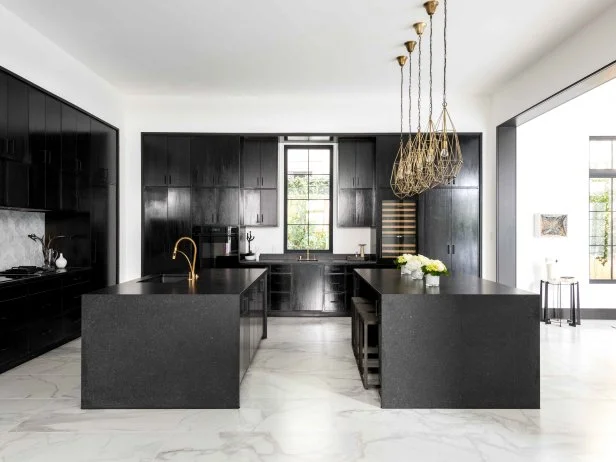 Warm beige walls soften the stark contrast of black cabinetry and white countertops for a cozy, lived-in feel.
Black and white kitchen with beige painted walls
Warm beige walls soften the stark contrast of black cabinetry and white countertops for a cozy, lived-in feel.
Black and white kitchen with beige painted walls
Painting And Long-Term Maintenance Tips
Once you’ve chosen your perfect wall color, proper painting and maintenance will keep your kitchen looking fresh for years to come. You can also read our guide on what colors are best for kitchen walls.
Choosing The Right Paint Finish For Kitchens
The paint finish you choose is just as important as the color, as kitchens are high-moisture, high-traffic spaces prone to grease splatters and scuffs. Satin is the most versatile all-around choice, as it has a soft, low-luster sheen that hides minor wall imperfections, resists moisture, and can be wiped clean with a damp cloth without damaging the paint. Semi-gloss is a great choice for high-splash zones like behind the sink, stove, or backsplash, as it’s even more stain-resistant and easy to clean. Avoid flat or matte finishes in kitchens, as they absorb grease and moisture and are almost impossible to clean without repainting. For a deep dive into selecting the right paint sheen for your space, check out our full guide. You can also read our guide on what colour goes with white kitchen walls.
Preparing Your Walls For A Flawless Finish
Proper wall prep is the difference between a professional-looking paint job and one that peels or stains within months. Follow these steps for the best results:
- Remove all built-up grease and grime with a trisodium phosphate (TSP) substitute or mild degreaser, as grease will prevent paint from sticking properly.
- Patch any holes, cracks, or dents with spackle, then sand smooth until the surface is even.
- Apply a stain-blocking primer, especially if you’re covering dark existing paint or have water stains from past leaks.
- Use painter’s tape to protect your black cabinets, white trim, and backsplash to avoid paint bleed-through. For evidence-based guidance on paint selection and application for high-moisture spaces like kitchens, the University of Minnesota Extension recommends prioritizing stain-blocking primer and satin or semi-gloss finishes for long-lasting results. You can also read our guide on rta kitchen design tool.
Keeping Your Walls Looking Fresh
Routine maintenance will extend the life of your paint job and keep your walls looking bright and clean. Wipe down walls monthly with a mild dish soap and warm water solution to cut through built-up kitchen grease before it can stain the paint. For tougher, caked-on splatters, our guide to cleaning greasy kitchen walls has step-by-step methods that won’t damage your paint. You can also read our guide on light grey kitchen cupboards what colour walls. Touch up small chips or scratches as soon as they happen with leftover paint to avoid larger repairs later. If you used a bold or custom-mixed shade, keep a small sample pot of paint on hand for easy touch-ups. Avoid harsh abrasive cleaners or scouring pads, as these can scratch and strip paint over time. You can also read our guide on outdoor kitchen design tool.
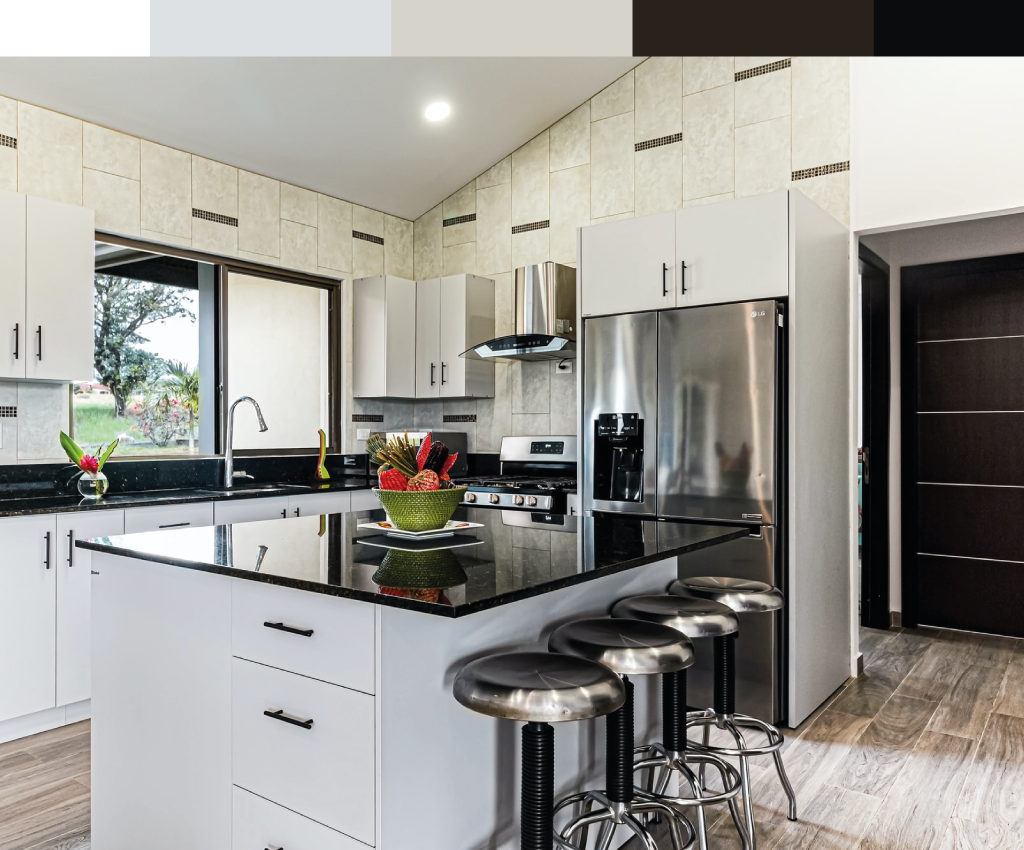 A deep navy accent wall adds dramatic depth to a black and white kitchen without overwhelming the space, especially when paired with warm wood accents.
Frequently Asked Questions
What wall colors make a black and white kitchen feel cozy instead of cold?
Warm neutrals like greige, taupe, and creamy off-white are the best choice for adding coziness to a black and white kitchen, as their yellow or brown undertones balance the coolness of black fixtures. Soft pastels like muted sage and dusty rose also add gentle warmth without overwhelming the monochrome base. Avoid cool, blue-toned grays if your goal is a cozy feel, as they will amplify the coldness of the black and white scheme. You can also read our guide on how to remove oil grease from kitchen walls.
Can I use white walls in a black and white kitchen without the space feeling flat?
Yes, but avoid using the exact same shade of white for your walls as your cabinets, as this will create a flat, monotone look with no visual separation. Instead, opt for a warm off-white (like Benjamin Moore White Dove) for your walls if you have bright white cabinets, or a soft cool white if you have cream or off-white cabinets. Adding texture via shiplap, grasscloth wallpaper, or a subtle patterned backsplash will also add depth to an all-white palette. You can also read our guide on best washable kitchen rugs for hardwood floors.
Are bold wall colors a good choice for small black and white kitchens?
Bold shades can work in small kitchens, but only if used on a single accent wall rather than all four walls. A deep green or navy accent wall behind the range or dining nook will add personality without making the space feel cramped. For all-over wall color in small kitchens, stick to light neutrals or soft pastels to reflect light and make the space feel larger. You can also read our guide on how to attach kitchen cabinets to a brick wall.
How do I test a wall color to make sure it works with my kitchen’s lighting?
Buy 2×2 sample pots of your top 3-4 shade choices, paint large squares on multiple walls in your kitchen, and live with them for 3-5 days. Observe how they look in morning, afternoon, and evening light, as well as under your artificial lighting. This will help you avoid costly mistakes from choosing a shade that looks great in a store but clashes with your home’s lighting. You can also read our guide on how to remove tile backsplash from kitchen wall.
Conclusion
Choosing the right wall color for your black and white kitchen is one of the easiest ways to elevate the space from generic to stunning, without replacing your existing cabinetry or fixtures. Soft neutrals like greige and warm taupe offer timeless, low-risk warmth that works for every style, while bold shades like forest green and navy add high-impact personality for homeowners who want a unique focal point. Soft pastels provide a subtle, airy middle ground for those who want a hint of color without overwhelming the monochrome base. You can also read our guide on cream kitchen cabinets what colour walls. No matter which shade you choose, always test samples in your actual lighting, pair the color with your existing finishes for balance, and opt for durable satin or semi-gloss paint for long-lasting results. If you’re tackling other kitchen upgrades alongside your wall refresh, our step-by-step guide to removing a wall-mounted kitchen faucet makes replacement projects quick and mess-free. You can also read our guide on how to prep greasy kitchen walls for painting.