How to Decorate Kitchen Wall Tiles: Stunning Ideas to Transform Your Space
Your kitchen walls are far more than a blank backdrop — they’re a high-impact, low-commitment canvas to refresh your entire cooking space without the cost and hassle of a full renovation. Whether you’re a homeowner looking to match 2026 cabinet trends, or a renter wanting a temporary style upgrade, decorating your kitchen wall tiles can make every meal feel more intentional and every gathering more inviting. This guide covers practical, stylish ideas for every budget and skill level, from quick no-drill refreshes to full custom installations, with actionable tips to keep your tiles looking stunning for years to come.
Pre-Decoration Planning: Align Tiles With Your Kitchen’s Needs
Before you browse tile samples, spend 10 minutes assessing your space to avoid costly mistakes and ensure your final scheme feels cohesive, not clashing. You can also read our guide on happy home kitchen tool.
Assess Your Layout and Usage
Start by mapping your kitchen’s layout: galley kitchens benefit from light, reflective tiles to brighten narrow, windowless spaces, while open-plan L-shaped or U-shaped kitchens can handle bolder patterns and darker tones without feeling cramped. If you cook frequently, prioritize grease-resistant glazed porcelain over porous natural stone for backsplashes behind the stove, as non-porous surfaces wipe clean in seconds. For families with young kids, choose textured or matte tiles with a slip-resistant finish for lower wall sections to reduce scuff marks and smudges.
Set a Realistic Budget
Tile costs vary widely based on material and installation complexity: budget-friendly glazed ceramic tiles start at $2–$5 per square foot, mid-range porcelain runs $6–$12 per square foot, and high-end natural stone (marble, slate) can cost $15–$50+ per square foot. If you’re hiring a professional installer, note that intricate layouts like herringbone or mosaic add 10–15% to labor costs, while DIY installations can cut total project costs by up to 50% for straightforward patterns like horizontal stacking. You can also read our guide on piece place setting fiesta dinnerware.
Match Tiles to Existing Cabinetry
2026’s most popular kitchen cabinet finishes include warm sage green, rich espresso brown, and classic white shaker, so your tile scheme should complement these tones for a cohesive look. For sage green cabinetry, cool-toned tiles in soft blue, pale gray, or crisp white create a fresh, calming contrast that feels current without clashing. For warm brown cabinetry, earthy terracotta, cream, or muted green tiles enhance the rich, organic tone of the wood. If you’re working with small kitchen wall space, decorating compact kitchen wall spaces with light, reflective tiles will make the area feel larger and more open.
Tile Material & Style Ideas for Every Aesthetic
From timeless classics to bold statement pieces, the right tile material and style will anchor your kitchen’s aesthetic while standing up to daily wear and tear. You can also read our guide on husky tool box kitchen island.
Classic Subway Tiles
The 3×6 inch glazed ceramic subway tile is a timeless staple for a reason: its clean, rectangular shape works with every design style from farmhouse to modern minimalist, and its glossy surface reflects light to brighten dim kitchen spaces. 2026 trends favor oversized 4×12 or 6×18 inch subway tiles for a streamlined, contemporary look, or matte-finish subway in warm gray or cream for a softer, organic feel. A common mistake is laying subway tiles in standard horizontal rows with bright white grout, which can feel harsh and flat in natural light. Opt for warm gray grout for a more muted, cohesive look, or try a vertical stack layout to draw the eye upward and make low-ceiling kitchens feel taller. Subway tiles pair seamlessly with brass, black, or nickel hardware for a custom, curated finish. You can also read our guide on rta kitchen design tool.
Bold Patterned & Printed Tiles
Geometric, botanical, and abstract printed tiles are a top 2026 trend for adding personality without overwhelming a space. Use them as a focal point backsplash behind the range or sink, or as a full accent wall behind a kitchen island to define the cooking zone in open-plan layouts. For small kitchens, limit bold patterns to 30–40% of your backsplash area to avoid visual clutter, and pair them with solid-colored cabinets and countertops to keep the space balanced. In practice, many homeowners find that a small pop of pattern (like a 12-inch strip of terrazzo tile behind the faucet) adds just enough personality without feeling overwhelming, especially in high-traffic family kitchens. You can also read our guide on black and white kitchen what colour walls.
Textured & 3D Tiles
Textured tiles, from subtle fluted designs to dramatic 3D geometric panels, add depth and tactile interest that flat tiles can’t match. 2026’s most popular options include soft ribbed ceramic for a subtle, light-catching effect, and angular concrete-look 3D panels for an industrial, high-end aesthetic. These tiles work especially well as accent walls behind breakfast nooks or kitchen islands, where their texture can be appreciated up close. An honest trade-off: raised 3D surfaces can collect dust and grease in high-use areas, so reserve them for low-traffic backsplashes rather than full coverage behind a stove. For renters, 3D peel-and-stick panels offer the same visual impact without permanent installation, and can be removed without damaging existing grout. You can also read our guide on black flatware.
Natural Stone Tiles
Slate, marble, travertine, and granite tiles bring warm, organic texture to kitchen spaces, ideal for rustic, farmhouse, and luxury modern designs. Each stone tile has unique natural veining, so no two installations look exactly alike, creating a one-of-a-kind feature wall. Marble is heat-resistant and perfect for baking enthusiasts, while slate’s naturally non-slip surface works well for families with young kids. Important note: unsealed natural stone is porous and prone to staining from coffee, wine, and cooking grease, so plan to apply a penetrating sealant immediately after installation and reapply every 1–2 years to maintain its appearance. For low-maintenance natural stone looks, opt for porcelain tiles printed to mimic marble or slate, which have the same aesthetic without the upkeep requirements. You can also read our guide on how to install ceramic tile in kitchen wall.
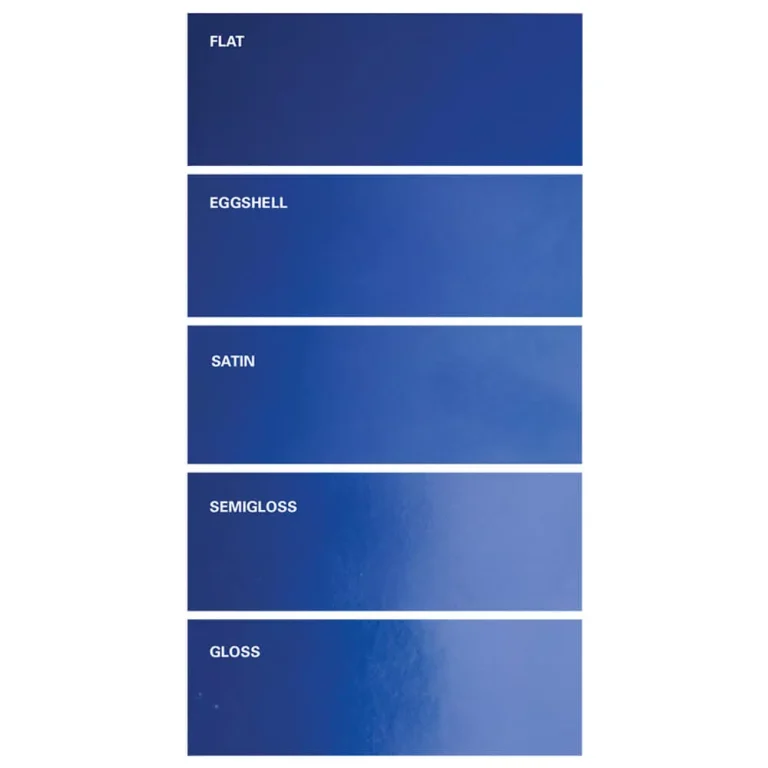
 Gloss decorative ceramic tiles add a playful pop of color to neutral kitchen schemes, perfect for accent walls behind kitchen islands.
Creative Layout Patterns to Elevate Your Tile Scheme
The way you lay your tiles can be just as impactful as the tile style itself, transforming a standard backsplash into a custom, high-end feature with minimal extra cost.
Herringbone & Chevron
Herringbone and chevron layouts add dynamic movement to kitchen walls, working with everything from classic 3×6 subway tiles to large-format 12×24 porcelain planks. Herringbone uses rectangular tiles laid at 90-degree angles to create a broken zigzag pattern, while chevron uses tiles cut at an angle to form a continuous V-shape. Both layouts draw the eye across the space, making narrow galley kitchens feel wider and more open. You can also read our guide on tools needed to replace kitchen faucet. Per the National Kitchen and Bath Association (NKBA) design standards, diagonal layouts like herringbone can increase the perceived width of a 10×10 ft kitchen by up to 1 ft by guiding the eye horizontally across the room.
Vertical & Horizontal Stacking
Stacking tiles in straight vertical or horizontal rows creates a clean, minimalist look that pairs well with modern slab-front cabinets and simple hardware. Vertical stacking (tiles laid with their long edge perpendicular to the countertop) draws the eye upward, making low-ceiling kitchens (with 8 ft or lower ceilings) feel taller and more spacious. Horizontal stacking creates a wide, relaxed feel ideal for open-plan kitchens and spaces with high ceilings. You can also read our guide on how much does it cost to tile a kitchen wall. For a subtle twist on standard stacking, use a 1/4-inch offset between rows instead of a standard 1/8-inch gap to add texture without straying from a clean, modern aesthetic.
Mosaic & Mixed Shapes
Mosaic tiles (small pieces mounted on mesh backing) let you create custom patterns, from abstract geometric designs to literal murals of botanicals or local landmarks. Mixed shape mosaics, combining hexagons, circles, and penny rounds, add a handcrafted, artistic touch that works well with cottage, bohemian, and eclectic kitchen styles. You can also read our guide on how high are wall cabinets in kitchen. For a low-lift custom look, buy pre-mixed mosaic sheets that combine complementary colors and shapes, rather than cutting individual tiles yourself. Use mosaic tiles as a small accent strip behind the sink or around a kitchen window for a subtle pop of personality.
Border & Frame Designs
A decorative border tile (1–2 rows of patterned, metallic, or contrasting color tile) frames a plain backsplash, drawing attention to your kitchen’s focal points: behind the range, around a kitchen window, or surrounding a built-in open shelf. Borders are a great way to incorporate a bold pattern or metallic accent without covering an entire wall, keeping the space feeling balanced and uncluttered. You can also read our guide on cream kitchen black worktop what colour walls. Pro tip: use a contrasting grout color for border tiles to make the pattern pop even more, especially if you’re using a subtle border design. You can also read our guide on how to decorate my kitchen walls.
Low-Commitment & Renter-Friendly Tile Refreshes
If you can’t commit to a full tile installation, these no-damage options let you update your kitchen wall tiles in a single afternoon, no tools or landlord approval required. You can also read our guide on grey kitchen cupboards what colour walls.
Peel-and-Stick Tiles and Panels
Modern peel-and-stick tile stickers and 3D panels are designed to stick to glossy ceramic, porcelain, and even sealed natural stone, with heat-resistant and waterproof adhesive that holds up to daily kitchen use. They come in every style from classic subway to bold terrazzo, and can be removed in one piece without damaging existing grout or tile when you’re ready to move out or update your decor. You can also read our guide on kitchen tools for one handed person. For best results, clean the existing tile surface thoroughly with rubbing alcohol before application, and use a hair dryer to warm the adhesive for a stronger bond in cold weather. You can also read our guide on what are good colors for kitchen walls.
Temporary Tile Paint
Epoxy-based tile paint is a budget-friendly option for updating dated tile colors, with a heat-resistant, water-resistant finish that lasts 3–5 years with proper prep. Light sanding and a degreaser clean are required before application to ensure the paint adheres properly to glossy tile surfaces. You can also read our guide on how to decorate your kitchen walls. Avoid using regular latex or acrylic paint, as it will peel quickly when exposed to kitchen heat and moisture. For a subtle update, paint only the grout lines a contrasting color for a fresh, new look without covering the entire tile surface. You can also read our guide on beige kitchen cabinets what color walls.
Removable Tile Decals
Vinyl decals are perfect for adding small pops of pattern or color to plain tile walls. Choose food-safe, waterproof decals for areas behind the stove or sink, and opt for matte finishes to reduce glare. Decals can be swapped out seasonally for a quick, low-cost refresh, making them ideal for renters or anyone who likes to update their decor regularly. Popular designs include herb illustrations, geometric patterns, and monogrammed decals for a personal touch. You can also read our guide on wine and candle making.
Add Decorative Elements to Enhance Your Tile Scheme
Small, intentional decorative touches can take your tile scheme from generic to personalized, without requiring extra tile or layout changes. You can also read our guide on what color walls go with dark brown kitchen cabinets.
Artwork and Hand-Painted Tiles
Commissioned or store-bought artwork tiles add a heirloom, personal touch to your kitchen. Popular designs include botanical prints, vintage food illustrations, and custom family motifs. Use them as a sporadic accent among plain tiles for a subtle, curated look, or create a full mural for a statement backsplash. You can also read our guide on how to paint high walls above kitchen cabinets. For a DIY option, use ceramic paint markers to hand-paint simple designs (like lemons, herbs, or geometric shapes) on plain white tiles before installation, or on existing tile walls for a removable, renter-friendly touch. You can also read our guide on red kitchen walls what color cabinets.
Functional Shelving and Hooks
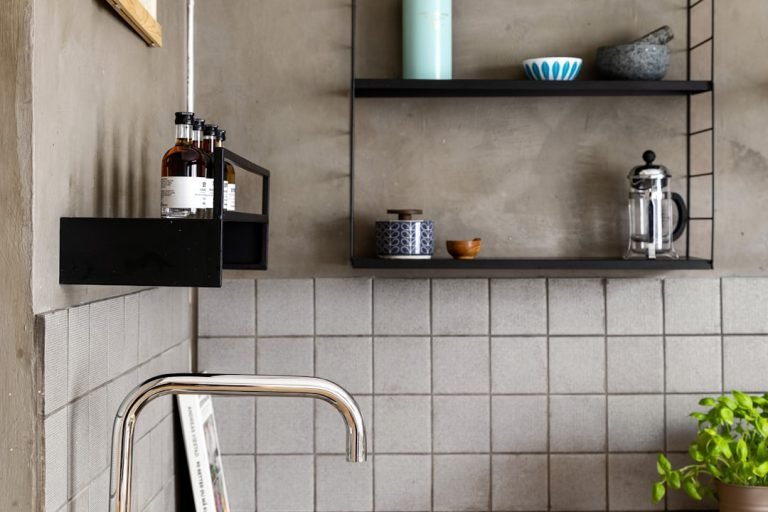
Floating shelves mounted above tile backsplashes add storage space while breaking up large expanses of tile, reducing the visual weight of full-wall tile installations. Display items that complement your tile scheme: terracotta pots for earthy terracotta tiles, vintage glass jars for classic white subway, or colorful ceramics for bold patterned tiles. You can also read our guide on how to prep greasy kitchen walls for painting. Wall-mounted hooks hung on tile walls hold mugs, utensils, or aprons, adding texture and functionality. For a seamless look, choose hooks in a finish that matches your cabinet hardware (brass, black, nickel) to tie the whole space together. You can also read our guide on outdoor kitchen design tool.
Strategic Lighting to Highlight Tiles
Undercabinet LED strip lighting aimed at your backsplash eliminates shadows and brings out the texture and color of your tiles, especially matte, textured, or 3D designs. For a warm, cozy vibe, choose 2700K warm-white bulbs; for a bright, energizing space, opt for 3000K neutral-white. You can also read our guide on how to paint wall tiles in kitchen. If you have a tile accent wall, install a small spotlight or pendant light aimed directly at the wall to make it the focal point of the room. In practice, this simple $20 lighting upgrade can make even basic white subway tiles look high-end and intentional. You can also read our guide on stainless steel apron kitchen sink.
 Matte finish tiles reduce glare while complementing natural wood accents for a calming, modern kitchen aesthetic.
Long-Term Maintenance for Lasting Tile Beauty
The right care routine will keep your kitchen wall tiles looking new for decades, no matter which material or style you choose. You can also read our guide on how to install kitchen cabinets on uneven walls.
Choosing Low-Maintenance Materials
For busy households, opt for glazed ceramic or porcelain tiles, which have a non-porous surface that resists grease, stains, and water damage. These materials only require a quick wipe-down with a pH-neutral cleaner and soft cloth for daily upkeep, making them ideal for families with young kids or frequent cooks. You can also read our guide on cream kitchen what colour walls. Avoid unglazed terracotta or porous natural stone in high-use areas, as they absorb stains and require more frequent sealing and specialized cleaners. A common mistake is choosing smooth matte tiles for their trendy look, but smooth matte finishes show grease splatters more than glossy finishes in heavy-use kitchens. If you love the matte look, opt for textured matte tile that hides smudges better than a smooth finish. You can also read our guide on how to fix a leaking wall mounted kitchen faucet.
Grout Care and Mold Prevention
Epoxy grout, a 2026 standard for new installations, resists stains, mold, and mildew without requiring regular sealant, making it ideal for high-moisture areas behind sinks and stoves. For existing cement-based grout, apply a penetrating sealant every 6–12 months to prevent water and stain absorption, and treat small mold spots immediately with a 1:1 mix of water and white vinegar to prevent spread. You can also read our guide on how to change wall colour in ikea kitchen planner. To reduce mold risk, run your kitchen exhaust fan for 15 minutes after cooking to reduce humidity, and wipe up water spills on tile and grout immediately. For existing moldy grout, a professional refreshing aged grout lines job will remove discoloration and extend the life of your tile installation by 10+ years. You can also read our guide on how to repair kitchen wall after removing tile.
Repairing and Replacing Damaged Tiles
Keep 2–3 spare tiles from your original installation in a closet for easy replacements if a tile chips or cracks. To replace a damaged tile: use a grout removal tool to clear the grout around the tile, pry it off with a putty knife, apply thin-set mortar to the substrate, and press the new tile into place before regrouting. This simple repair takes less than an hour for most DIYers, and prevents small damage from spreading to surrounding tiles. You can also read our guide on kitchen wall decorating ideas do it yourself. For small chips in ceramic or porcelain tiles, use a color-matched epoxy touch-up kit to fill the crack, which is nearly invisible once cured. If you’re tackling a full tile refresh, our guide to removing wall-mounted fixtures prior to tiling will help you prep your space for a seamless installation. You can also read our guide on how to remove kitchen cabinets without damaging wall.
Refreshing Dated Tiles Without Replacement
If your existing tiles are in good condition but look outdated, you can refresh them with a coat of epoxy tile paint (choose a color that complements your cabinet and wall color scheme) or peel-and-stick tile overlays. For grout that’s stained or discolored, a simple regrout job can make 10-year-old tiles look brand new for less than $100 in materials. To keep your tiles looking their best between deep cleans, follow our simple daily and weekly cleaning routines to avoid grease and stain buildup. You can also read our guide on oak kitchen cabinets what color walls.
 Mixed shape hexagon tiles create a custom, high-end backsplash without the cost of a full custom tile installation.
Frequently Asked Questions
How can I refresh old kitchen wall tiles without replacing them?
You can refresh dated tiles with epoxy tile paint, peel-and-stick tile overlays, or a simple regrout job to remove stained, discolored grout. For renters, removable tile decals and 3D peel-and-stick panels offer a no-damage update that can be removed when you move out. Always clean the tile surface thoroughly with a degreaser before applying any paint or adhesive to ensure proper adhesion. You can also read our guide on how long does it take to tile a kitchen wall.
What are the best tile colors for a small kitchen?
Light, reflective colors like white, pale gray, and soft cream make small kitchens feel larger and brighter by bouncing light around the space. If you want to add personality, use a small accent of bold color (like a terracotta tile strip behind the stove) to add visual interest without making the space feel cramped. You can also read our guide on how to remove tile backsplash from kitchen wall.
Can I mix different tile styles on my kitchen walls?
Yes, mixing styles is a popular 2026 trend, as long as you stick to a cohesive color palette. For example, pair classic white subway tiles with a small section of bold patterned tile behind the range, or mix matte and glossy finishes of the same color for subtle texture. Avoid mixing more than 2–3 tile styles in one space to prevent a cluttered look. You can also read our guide on light gray kitchen cabinets what color walls.
Do 3D tiles work in small kitchens?
Yes, but use them sparingly. A small section of 3D tile as an accent wall behind the stove or sink adds depth without overwhelming a compact space. Avoid full-wall 3D tile coverage in kitchens under 80 sq ft, as the raised surfaces can make the space feel cramped. You can also read our guide on best non slip kitchen rugs.
What grout color should I choose for my kitchen tiles?
Grout color has a huge impact on your overall tile scheme: light gray or white grout with light-colored tiles creates a bright, airy look, while dark gray or black grout with white or light tiles adds contrast and hides stains better. For a seamless, modern look, choose a grout color that matches your tile exactly. You can also read our guide on how to retile a kitchen wall.
Can I install kitchen wall tiles myself?
Yes, if you have basic DIY skills. Subway tile and large-format porcelain tile installations are beginner-friendly, requiring only a tile cutter, thin-set mortar, and a notched trowel. Intricate mosaic or 3D tile installations, or tiling around outlets and fixtures, may require professional help to ensure a seamless finish. If you’re removing old tiles first, our guide to removing wall-mounted fixtures prior to tiling will help you prep your space without damage. You can also read our guide on how to decorate a bare kitchen wall.
Conclusion
Decorating kitchen wall tiles is one of the most impactful, budget-friendly upgrades you can make to your cooking space, whether you opt for a full custom installation or a quick renter-friendly refresh. By first planning your scheme to match your kitchen’s layout, cabinet style, and daily usage, you’ll avoid common pitfalls like cluttered patterns or hard-to-clean materials that undermine your hard work. You can also read our guide on www yoursite com what height are kitchen wall. Remember that small, intentional touches — like a pop of bold accent tile, a contrasting grout color, or a set of floating shelves — can transform plain, dated tiles into a personalized feature that makes your kitchen feel like the heart of your home. For low-commitment updates, lean on renter-friendly options like peel-and-stick panels or removable decals to test out styles before committing to a permanent installation. Ready to start your project? Browse our full library of kitchen design guides for more inspiration to tie your new tile scheme to your overall kitchen style. You can also read our guide on how to remove kitchen tiles from wall.