

Grease stains on your kitchen walls can be stubborn and frustrating. You might have tried scrubbing them away, only to see those oily marks stubbornly remain.
How to Remove Grease Stains from Kitchen Walls. But what if you could remove those stains quickly and easily, without harsh chemicals or endless elbow grease? You’ll discover simple, effective methods to make your kitchen walls look fresh and clean again. Keep reading, and say goodbye to those annoying grease spots for good.
Causes Of Grease Stains
Grease stains on kitchen walls are a common problem in many homes. These stains can make your kitchen look dirty and old. Understanding what causes these stains helps to prevent and clean them more easily.
Common Kitchen Sources
Grease comes from cooking oils, butter, and fatty foods. When you fry or sauté, tiny grease particles float in the air. These particles settle on nearby walls and surfaces. Smoke from cooking can also carry grease. Over time, the grease builds up and forms stains.
Other sources include splashes from pans and pots. Grease can also come from handling oily hands near the wall. Even kitchen vents and fans can spread grease if not cleaned regularly.
Why Walls Get Stained
Kitchen walls often get stained because they are close to cooking areas. Heat from the stove makes grease sticky and helps it stick to walls. Walls made from porous materials absorb grease more easily. The grease sticks and darkens, creating visible stains.
Poor ventilation increases grease buildup. Without proper airflow, grease stays in the kitchen air longer. It then settles on walls and ceilings. Frequent cooking without cleaning allows grease to accumulate over time.
Essential Cleaning Supplies
Cleaning grease stains from kitchen walls requires the right supplies. Using the correct tools makes the job easier and more effective. Some items are common household products. Others are made specifically for tough grease removal.
Gathering essential cleaning supplies before starting saves time and effort. It also helps avoid damage to your walls. Choose supplies based on the stain’s severity and wall type.
Household Items
- Warm water and mild dish soap – gentle on walls and breaks down grease.
- Baking soda – a natural scrubber that lifts stains without scratching.
- White vinegar – cuts through grease and acts as a disinfectant.
- Soft sponges or microfiber cloths – prevent damage to paint or wallpaper.
- Old toothbrush – helps clean corners and textured surfaces.
- Spray bottle – for easy application of cleaning solutions.
Specialized Cleaning Products
- Degreasing sprays – designed to dissolve tough kitchen grease quickly.
- All-purpose cleaners – effective on various stains including grease.
- Magic erasers – remove stubborn marks with minimal effort.
- Wall-safe solvents – for delicate surfaces that need gentle cleaning.
- Protective gloves – keep hands safe from harsh chemicals.
Preparation Steps
Preparing your kitchen before tackling grease stains on walls is essential. Good preparation protects your home and ensures effective cleaning. Taking time to set up the area reduces the risk of damage and keeps the process smooth.
Protecting Surrounding Areas
Cover nearby surfaces with plastic sheets or old towels. This prevents cleaning solutions from splashing on cabinets or floors. Remove or shield any fragile items close to the stain. Use painter’s tape to secure covers and keep them in place. Protect electrical outlets by placing plastic bags over them. These simple steps keep your kitchen safe and clean during the process.
Safety Precautions
Wear rubber gloves to protect your hands from harsh cleaners. Use a mask if you work with strong chemical solutions. Ensure the room is well-ventilated by opening windows or turning on a fan. Avoid mixing different cleaning products to prevent harmful reactions. Keep children and pets away from the cleaning area. These precautions keep you safe while removing tough grease stains.
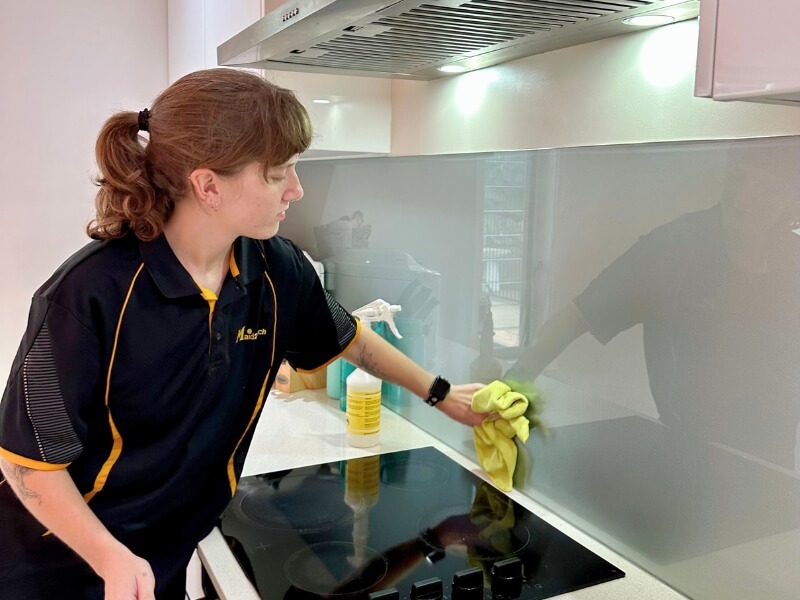
Cleaning grease stains off painted kitchen wall
Basic Cleaning Techniques
Removing grease stains from kitchen walls can seem like a daunting task, but basic cleaning techniques often do the trick. These simple methods use common household items and require minimal effort, yet they deliver impressive results. Let’s look at two effective ways to tackle those stubborn grease marks with ingredients you likely already have at home.
Using Soap And Water
Soap and water is the easiest and most accessible solution to start with. Use warm water mixed with a few drops of dish soap, which is designed to cut through grease effectively.
Dampen a soft cloth or sponge in the soapy water, then gently scrub the stained area. Avoid using abrasive materials to prevent damaging the paint or wallpaper.
If the stain doesn’t come off right away, let the soapy water sit on the spot for a couple of minutes before wiping. You might be surprised how often this simple approach clears up grease without any harsh chemicals.
Applying Vinegar Solutions
White vinegar is a natural degreaser and disinfectant, making it a great option for kitchen walls. Mix equal parts of white vinegar and water in a spray bottle for an easy-to-use cleaner.
Spray the solution onto the grease stain and let it sit for about 5 minutes. Then, wipe it away with a clean cloth or sponge in circular motions.
If your walls are painted, test the vinegar solution on a small hidden spot first. Vinegar’s acidity can sometimes dull paint finishes, so a quick test helps avoid surprises.
Advanced Stain Removal Methods
Grease stains on kitchen walls can be stubborn, often resisting simple soap and water cleaning. Advanced stain removal methods use specific ingredients and products designed to break down tough grease without damaging your paint or wallpaper. These techniques can save you time and effort, especially when dealing with older, set-in stains.
Baking Soda Paste
Baking soda is a mild abrasive that works wonders on greasy walls without scratching them. To make a paste, mix baking soda with a small amount of water until it forms a thick consistency.
Apply the paste directly to the grease stain and gently scrub using a soft cloth or sponge. Let it sit for 10 to 15 minutes to allow the baking soda to absorb the grease.
Rinse the area with warm water and dry with a clean cloth. If the stain persists, repeat the process or try combining the paste with a few drops of vinegar for extra cleaning power.
Commercial Degreasers
Commercial degreasers are specially formulated to tackle kitchen grease and can be very effective on walls. When choosing one, look for products labeled safe for painted or wallpapered surfaces to avoid damage.
Spray the degreaser on the stained area and let it sit for the time recommended on the label, usually a few minutes. Use a non-abrasive sponge to wipe away the grease gently.
Always test the degreaser on a small hidden spot first to check for any discoloration or damage. Have you ever noticed how some degreasers leave behind a residue? Make sure to wipe the area with a damp cloth afterward to prevent buildup.
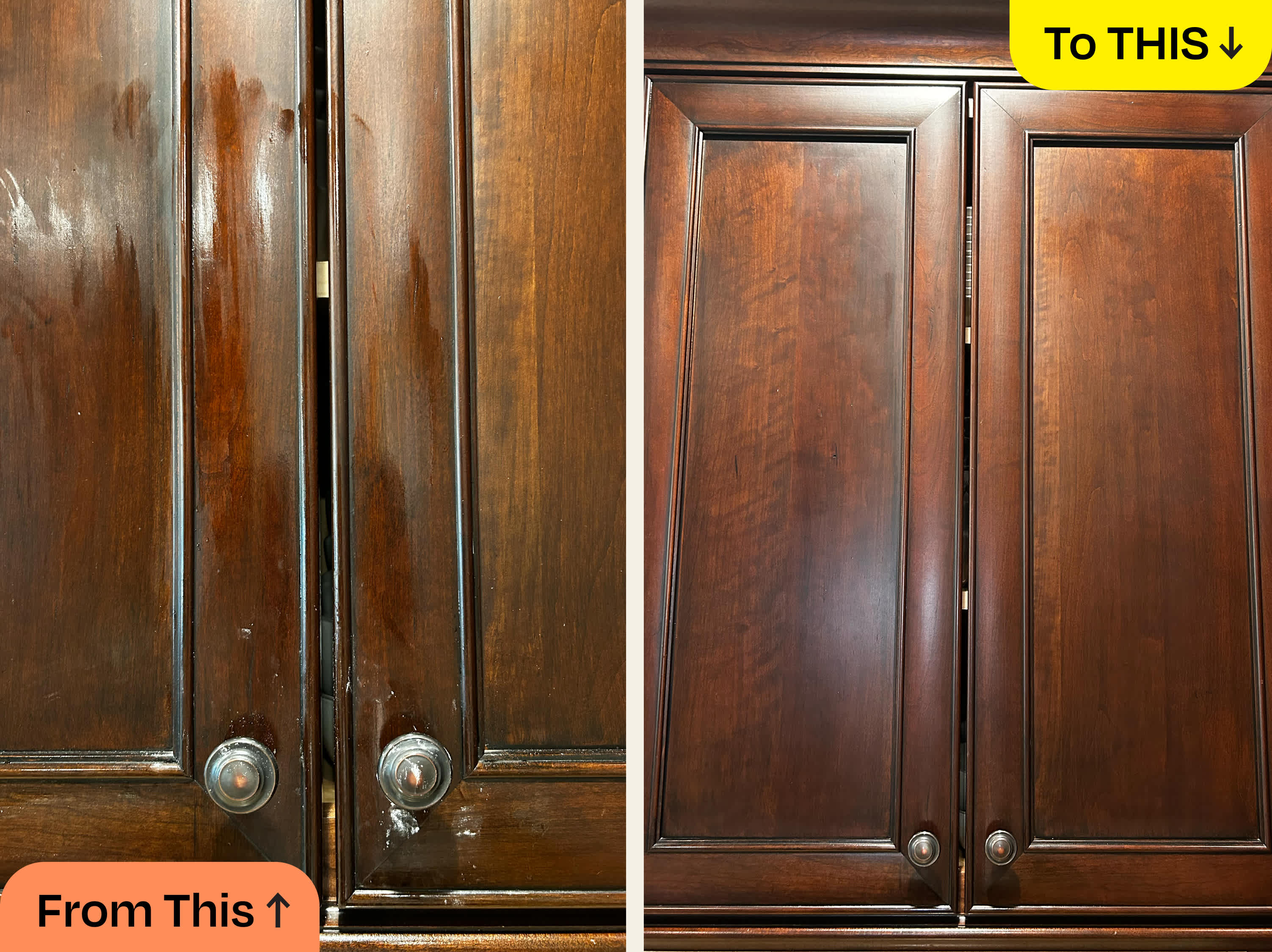
Baking soda paste applied on greasy kitchen wall
Tips For Stubborn Stains
Stubborn grease stains on kitchen walls need extra care and patience. These tips help break down tough grease without damaging paint or wallpaper. Follow gentle methods to keep your kitchen fresh and clean.
Repeated Cleaning
Some stains require more than one cleaning session. Apply a mild cleaner and let it sit for a few minutes. Wipe the area with a soft cloth. Repeat this process until the stain fades. Avoid harsh chemicals that can harm your wall’s surface. Patience is key for tough grease marks.
Gentle Scrubbing Tools
Use soft sponges or microfiber cloths for scrubbing. Avoid abrasive brushes or steel wool that can scratch walls. Light circular motions help lift grease without damage. For textured walls, a soft toothbrush can reach small grooves. Always test cleaning tools on a hidden spot first.
Preventing Future Grease Buildup
Grease stains on kitchen walls can quickly become a recurring headache if you don’t take steps to stop the buildup before it starts. Preventing future grease buildup not only keeps your kitchen looking fresh but also saves you time and effort on deep cleaning sessions. Imagine how much easier it would be to maintain your kitchen walls if you could catch grease before it turns into stubborn stains.
Regular Cleaning Schedule
Setting a regular cleaning schedule is your best defense against grease buildup. Wiping down your kitchen walls at least once a week with a mild detergent can prevent grease from settling in. You don’t need harsh chemicals—just warm water, a little dish soap, and a soft cloth will do the trick.
Think about how skipping cleaning for just a few weeks can allow grease to harden and become tougher to remove. Keeping consistent with quick, simple cleanups can save hours of scrubbing later. Have you noticed how small daily habits make a big difference over time in your kitchen’s cleanliness?
Installing Splash Guards
Splash guards are a practical solution that many kitchens overlook. These barriers protect your walls from grease splatters, especially around the stove and frying areas. You can find clear or decorative splash guards that blend well with your kitchen’s style.
Installing them is usually straightforward and can cut down on wall cleaning drastically. If you’ve ever had to scrape off baked-on grease, you’ll appreciate how much easier it is to wipe down a splash guard. Could adding this simple feature be the key to a cleaner kitchen environment for you?
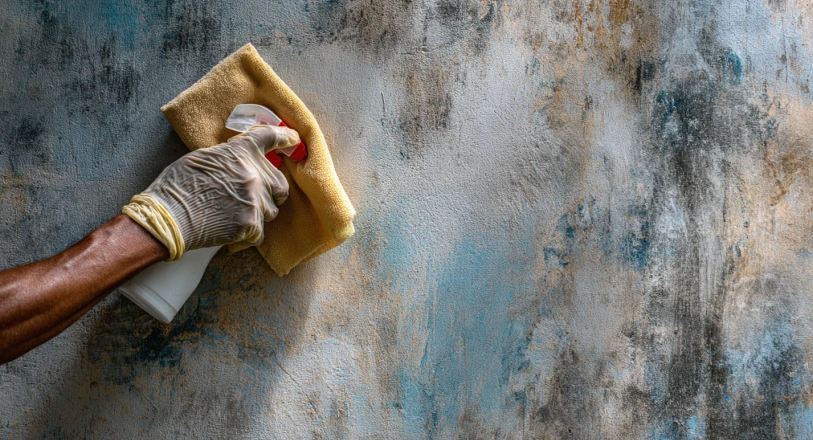
Credit: www.nobroker.in
When To Repaint Or Seek Professional Help
Knowing when to repaint your kitchen walls or call in a professional can save you time, effort, and frustration. Grease stains often seem stubborn, but not every mark means you need a fresh coat of paint or expert help. Understanding the signs that cleaning isn’t enough will help you make the right decision for your kitchen’s look and your peace of mind.
Signs Cleaning Isn’t Enough
Have you scrubbed your kitchen walls multiple times only to see the grease return or the stain fade very little? This is a clear sign that the grease has deeply penetrated the paint or wall material. When stains start to yellow, become sticky, or emit an unpleasant odor, cleaning alone won’t cut it anymore.
If the wall paint peels or bubbles after cleaning attempts, the grease might have compromised the surface integrity. You might also notice the stains spreading despite regular cleaning. At this point, repainting or professional intervention becomes necessary to restore your kitchen’s appearance and hygiene.
Hiring Experts
Calling in professionals brings specialized knowledge and tools to tackle stubborn grease stains effectively. Experts can assess the wall condition and decide whether a thorough cleaning, repainting, or more intensive treatment is needed. They use industrial-grade cleaners and primers that prevent grease from bleeding through fresh paint.
Consider hiring professionals if you lack the time or energy to clean large or heavily stained areas. They also help if you want to avoid damaging your walls with harsh chemicals or excessive scrubbing. Have you ever tried cleaning a tough stain only to make it worse? A professional can prevent that and ensure a long-lasting clean finish.
Frequently Asked Questions
How To Quickly Remove Fresh Grease Stains From Kitchen Walls?
For fresh grease stains, use a mixture of warm water and dish soap. Apply with a sponge, gently scrub, then wipe clean with a damp cloth. Dry the area to prevent water marks and residue buildup.
What Household Items Can Remove Grease Stains Effectively?
Common items like baking soda, vinegar, and lemon juice work well. Mix baking soda with water to form a paste, apply it to stains, let sit, then wipe off. Vinegar and lemon juice also cut grease and deodorize walls.
Can I Use Commercial Cleaners For Kitchen Wall Grease Stains?
Yes, commercial degreasers or all-purpose cleaners work efficiently. Always test on a small area first to avoid damage. Follow the product instructions carefully for best results and safety.
How To Prevent Grease Stains On Kitchen Walls?
Use a splash guard or wipe walls regularly to prevent buildup. Clean cooking areas immediately after use. Ventilate your kitchen well to reduce grease particles settling on walls.
Conclusion
Cleaning grease stains from kitchen walls is simple with the right steps. Regular maintenance keeps your walls looking fresh. Start with mild solutions like dish soap and water. For tougher stains, try baking soda or vinegar. Always test a small area first.
Consistent cleaning prevents buildup and makes future cleaning easier. So, tackle those stains as soon as they appear. Your kitchen will thank you. Keep your space clean and inviting. Happy cleaning!
