

Are you ready to transform your kitchen with stylish wall tiles but unsure where to start? Putting up wall tile might seem tricky, but with the right steps, you can achieve a professional look yourself.
How to Put Up Wall Tile in Kitchen. Imagine how satisfying it will feel to see your kitchen walls upgraded, adding both beauty and value to your home. In this guide, you’ll discover simple, clear instructions that make the process easy to follow—no experience needed. Keep reading, and by the end, you’ll have the confidence to tackle your wall tile project like a pro.
Applying adhesive to kitchen wall before tiling
Choosing The Right Tile
Choosing the right tile for your kitchen wall can make a huge difference in the overall look and feel of the space. It’s not just about picking a pretty design; it’s about finding a tile that fits your cooking habits, cleaning preferences, and style. The right tile will protect your walls, complement your kitchen’s vibe, and stay durable over time.
Types Of Kitchen Tiles
There are several types of tiles you can choose from, each with its own strengths. Ceramic tiles are popular because they are affordable and easy to clean. Porcelain tiles are denser and more water-resistant, making them ideal for busy kitchens.
Glass tiles add a sleek and modern look but require more careful cleaning to avoid streaks. Natural stone tiles, like marble or slate, bring a unique texture but need sealing to prevent stains. Think about how much time you spend cooking and cleaning to decide which type suits your lifestyle best.
Selecting Tile Size And Color
Tile size affects the visual impact of your kitchen. Large tiles can make a small kitchen appear more spacious, while smaller tiles create intricate patterns and add charm. Consider the grout lines too; thinner grout lines give a seamless look, but wider ones can add character.
Color plays a huge role in setting the mood. Light colors brighten up the space, making it feel open and airy. Dark colors add drama and hide stains better but might make the space feel smaller. Ask yourself: do you want your tile to stand out as a statement or blend in as a subtle backdrop?
Considering Tile Material
Material affects durability, maintenance, and cost. Ceramic and porcelain are both practical and budget-friendly options for kitchen walls. They resist moisture and heat, which are common in kitchens.
Natural stone tiles add elegance but require regular sealing to avoid damage. Glass tiles look stunning but can chip more easily, so think about how much wear and tear your kitchen walls will endure. If you cook often, prioritize materials that handle splashes and heat without needing constant upkeep.
Gathering Tools And Materials
Gathering the right tools and materials is the first step to a smooth tile installation. Having everything ready helps avoid delays and mistakes. It also ensures the job looks neat and lasts long.
Essential Tools List
- Measuring tape for accurate dimensions
- Tile cutter or wet saw for precise cuts
- Notched trowel to spread adhesive evenly
- Tile spacers to keep gaps uniform
- Rubber grout float for smooth grout application
- Level to check tiles are straight
- Sponge and bucket for cleaning excess grout
- Pencil for marking tiles before cutting
- Utility knife for trimming backing or film
Tile Adhesive And Grout Options
Select the right adhesive based on tile type and wall surface. Premixed adhesives are easy to use but set slower. Powdered adhesives require mixing but offer stronger bonds.
Grout fills gaps between tiles and protects against moisture. Choose sanded grout for wider gaps over 1/8 inch. Use unsanded grout for narrow joints under 1/8 inch.
Safety Gear
- Safety goggles protect eyes from dust and shards
- Gloves keep hands safe and clean
- Dust mask prevents inhaling fine particles
- Knee pads provide comfort during floor work
Preparing The Wall Surface
Preparing the wall surface is the foundation of a successful kitchen tile installation. If the wall isn’t clean, smooth, and properly marked, your tiles won’t stick well or look right. Taking the time to prep your wall correctly will save you from future headaches like tiles falling off or uneven grout lines.
Cleaning And Repairing Walls
Start by removing any grease, dirt, or old adhesive from the wall. Use a mild detergent and a sponge to scrub the surface thoroughly. A clean wall helps the tile adhesive bond better, which means your tiles will last longer.
Next, inspect the wall for cracks, holes, or uneven spots. Small holes can be filled with spackle, while larger cracks might need a patch or sanding to create a flat surface. Have you noticed how a tiny bump can throw off the entire tile alignment? Fixing those before you start tiling is crucial.
Marking Tile Layout
Marking your tile layout is like drawing a roadmap for your project. Use a level and pencil to draw vertical and horizontal lines where your tiles will go. This helps you keep the tiles straight and evenly spaced.
Think about where you want full tiles and where cuts will be necessary. Starting from the center of the wall often gives the most balanced look. Have you ever tiled only to find uneven edges on one side? Proper marking prevents that frustration.
Protecting Surrounding Areas
Protect your countertops, cabinets, and floors before you start applying adhesive. Use painter’s tape along edges and cover surfaces with plastic sheets or drop cloths. This keeps your kitchen clean and prevents damage during the tiling process.
Don’t forget to remove or cover electrical outlets and switches nearby. It’s easy to overlook these spots, but they can get messy or even become safety hazards if not protected. Are you prepared to tackle these details before the tile work begins?

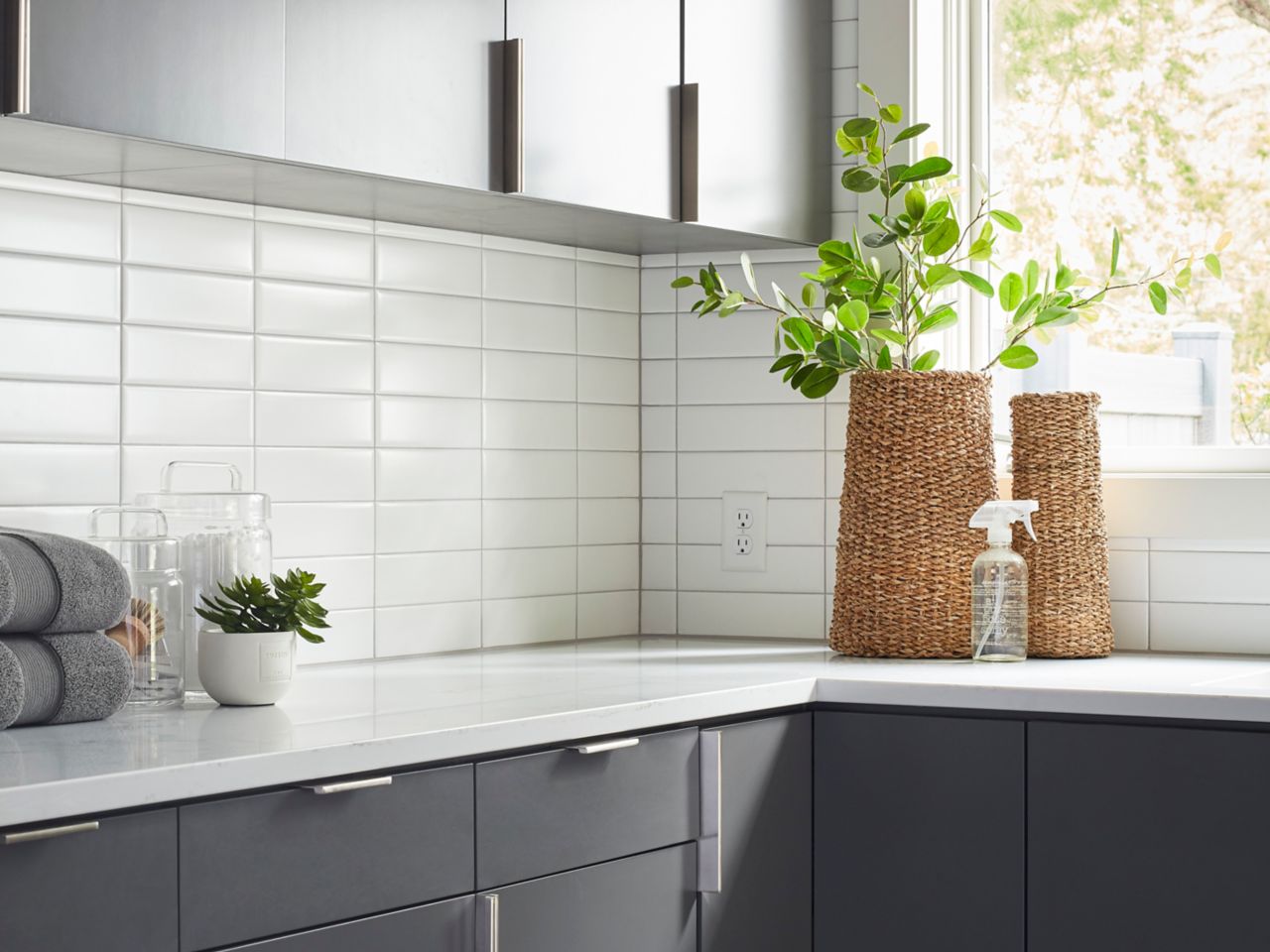
Spacing tiles with tile spacers on kitchen wall
Cutting And Laying Tiles
Cutting and laying tiles is a key part of installing a kitchen backsplash. Proper cutting ensures tiles fit perfectly around outlets, edges, and corners. Laying tiles evenly creates a smooth and attractive surface. This process requires careful attention and the right tools to achieve a professional look.
Measuring And Marking Tiles
Start by measuring the space where the tile will go. Use a pencil to mark the tile precisely. Measure twice to avoid mistakes. Mark the tile on the back side to keep the front clean. Use a ruler or straight edge for straight lines. Clear marks help with accurate cutting.
Using A Tile Cutter
A tile cutter scores the tile for a clean break. Place the tile on the cutter base. Align the marked line with the cutter blade. Push the handle to score the tile surface. Snap the tile by pressing down on both sides. Use a tile nipper for small, detailed cuts. Always wear safety glasses to protect your eyes.
Applying Adhesive And Placing Tiles
Spread tile adhesive on the wall with a notched trowel. Apply enough to hold the tile firmly. Press the tile into place with gentle pressure. Use tile spacers to keep even gaps for grout. Check each tile for level and alignment. Clean excess adhesive before it dries to keep tiles neat.
Grouting And Finishing
Grouting and finishing are crucial steps to complete your kitchen wall tile project. This stage not only fills the gaps between tiles but also protects your work from moisture and dirt. Paying close attention here ensures a clean, polished look that lasts for years.
Mixing And Applying Grout
Start by mixing the grout to a smooth, peanut butter-like consistency. Avoid making it too runny or too thick as this affects how well it fills the gaps.
Use a rubber float to spread the grout diagonally across the tiles, pressing firmly to pack the grout into the joints. This diagonal motion helps avoid pulling grout out of the spaces.
Have you noticed grout drying too fast or cracking? That usually means the mixture was off or the environment too dry. Adjust water content or work faster to prevent this.
Cleaning Excess Grout
Once you’ve applied the grout, let it set for about 10 to 15 minutes before cleaning. Use a damp sponge to wipe off the excess grout from the tile surfaces.
Rinse your sponge frequently and avoid using too much water, which can weaken the grout joints. You want the grout to stay solid between the tiles, not wash away.
Don’t rush this step. Cleaning too early or too late can leave a haze or pull grout out from between tiles, ruining your finish.
Sealing For Durability
After the grout fully cures, usually in 48 to 72 hours, apply a grout sealer. This step is often overlooked but essential for keeping your grout stain-free and water-resistant.
Use a small brush or applicator bottle to cover the grout lines evenly. Wipe off any sealer that touches the tile surface to avoid sticky residue.
Ask yourself: Would you want to clean grout stains or water damage in your kitchen? Sealing saves you from that hassle and keeps your kitchen looking fresh longer.
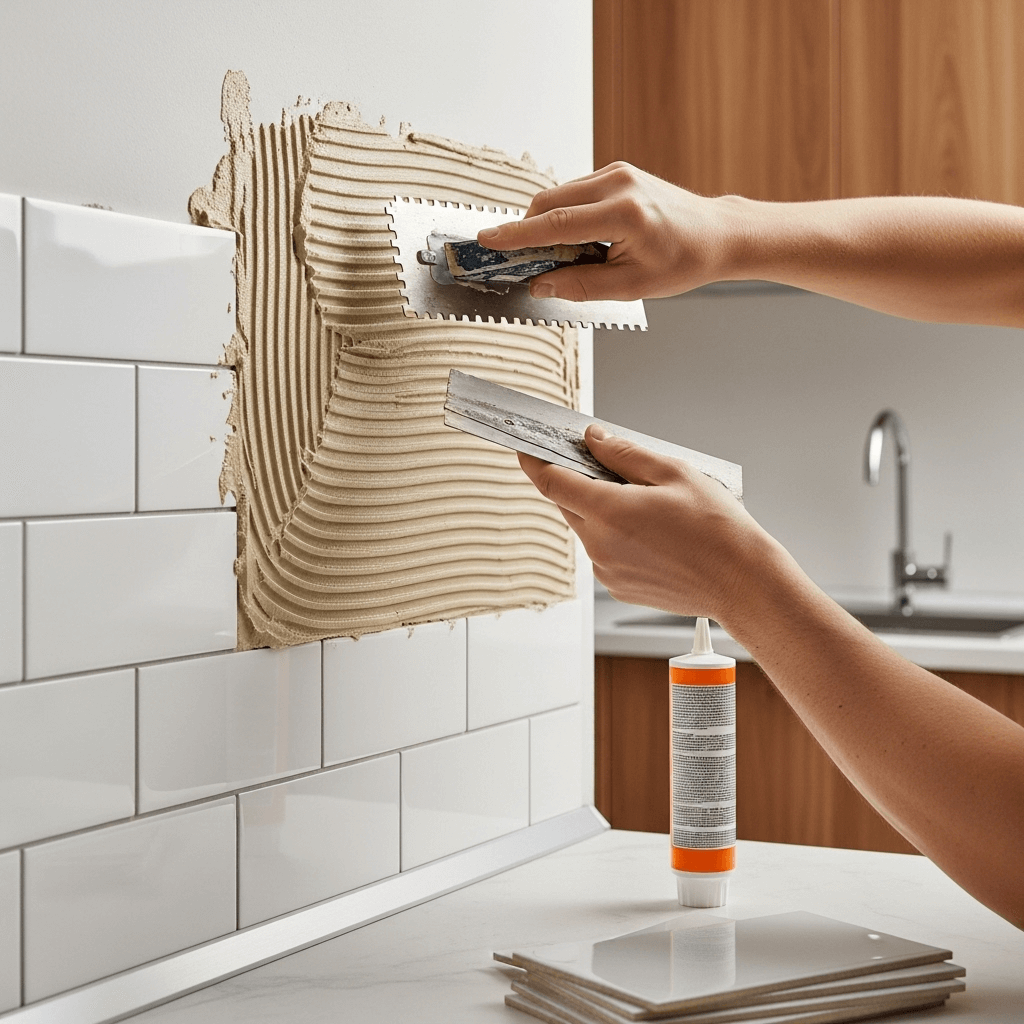
Applying adhesive to kitchen wall before tiling
Tips For A Professional Look
Achieving a professional look when putting up wall tile in your kitchen requires attention to detail. Small adjustments can make a big difference. Follow these tips to ensure your tiles align perfectly and the final look is neat and polished.
Maintaining Even Spacing
Consistent spacing between tiles keeps the wall looking clean and balanced. Use tile spacers to keep gaps uniform. Check the alignment often with a level or straight edge. Avoid guessing the space by eye alone. Proper spacing prevents grout lines from being uneven or messy.
Working With Patterns
Patterns add style but need careful planning. Lay out tiles on the floor first to visualize the design. Start from the center of the wall for symmetrical patterns. Cut tiles neatly for edges and corners. Align pattern repeats accurately to avoid a broken look.
Troubleshooting Common Issues
Tiles may shift or grout can crack after installation. Fix shifted tiles quickly by removing and reapplying adhesive. Use a rubber mallet to tap tiles gently into place. Clean excess adhesive before it dries. For grout cracks, apply grout sealant and avoid heavy impact on the wall.
Frequently Asked Questions
How Do I Prepare The Kitchen Wall For Tile Installation?
Clean the wall thoroughly and remove any grease or dirt. Repair holes and sand the surface smooth. Apply a primer suitable for tiles to ensure better adhesion. Make sure the wall is dry before starting the installation process.
What Tools Are Essential For Putting Up Kitchen Wall Tiles?
You need a tile cutter, notched trowel, tile spacers, level, adhesive, grout, and a sponge. These tools help ensure precise cutting, proper spacing, and a strong bond between tiles and the wall.
How Long Does It Take To Install Kitchen Wall Tiles?
Installation time depends on the wall size and tile type. For an average kitchen backsplash, it usually takes 1-2 days including drying and grouting. Larger areas or complex patterns may require more time.
Can I Install Wall Tiles Over Existing Kitchen Surfaces?
Yes, if the surface is clean, dry, and stable. Remove any loose paint or debris. Smooth glossy surfaces with sandpaper to improve tile adhesion. Avoid installing over damaged or uneven surfaces.
Conclusion
Tiling your kitchen wall can be simple. Start with the right tools. Follow each step carefully. Patience is key. Take your time. Enjoy the process. Remember, practice makes perfect. Your kitchen will look fresh and new. Transform your space with ease.
A tiled wall adds beauty and function. Friends will admire your work. You will feel proud. Tiling is a rewarding task. It enhances your home. Now, your kitchen is a place of joy.
