

Your kitchen sink area faces constant exposure to water, soap, and daily messes that can damage the wall behind it. If you’ve noticed peeling paint, stains, or even mold starting to appear, it’s time to take action.
How to Protect Wall behind Kitchen Sink, Protecting the wall behind your kitchen sink isn’t just about keeping things looking nice—it prevents costly repairs and keeps your kitchen healthy. You’ll discover simple, effective ways to shield that vulnerable space. Keep reading, and learn how to stop damage before it starts, saving you time, money, and frustration.
Common Wall Damage Causes
Walls behind kitchen sinks face many threats. These walls often suffer damage due to constant exposure to moisture and harsh substances. Knowing common causes helps protect and maintain your kitchen wall effectively. This section explains key damage causes.
Water Exposure Risks
Water splashes and leaks damage the wall surface. Continuous moisture softens paint and drywall. Over time, this causes peeling and bubbling. Water can seep into cracks, weakening the wall structure. Damp walls invite further problems like mold.
Mold And Mildew Growth
Mold thrives in damp, dark spaces behind sinks. It grows quickly on wet walls and grout. Mold spreads spores that harm health and stain surfaces. Mildew causes unpleasant odors and discoloration. Ignoring mold leads to costly repairs and poor air quality.
Impact Of Cleaning Agents
Harsh cleaning chemicals can erode wall finishes. Strong agents strip paint and damage tiles. Frequent use may cause discoloration or cracking. Some cleaners leave residues that attract dirt. Choose mild cleaners to protect your kitchen wall.
Choosing The Right Materials
Choosing the right materials to protect the wall behind your kitchen sink is essential for durability and ease of maintenance. The area is exposed to constant moisture, splashes, and sometimes harsh cleaning products. Selecting materials that can stand up to these conditions will save you time, money, and frustration down the line.
Water-resistant Paints
Water-resistant paints create a simple and affordable barrier against moisture. These paints are specially formulated to repel water and prevent peeling or bubbling caused by constant splashes. You can find options labeled as “kitchen and bath” or “mold-resistant” that offer added protection.
Applying two coats of water-resistant paint ensures better coverage and a longer-lasting finish. Keep in mind that while these paints help, they’re best for light splash areas rather than heavy exposure. Have you checked if your current paint can handle daily water contact?
Tile Options For Splash Areas
Tiles are a popular choice because they are both functional and decorative. Ceramic, porcelain, or glass tiles resist water and are easy to clean. Plus, the grout lines add extra protection when sealed properly.
Consider small mosaic tiles for a textured look or large format tiles for a sleek surface. Tiles can also reflect light, brightening the space behind your sink. Do you prefer a bold tile pattern or something that blends seamlessly with your kitchen design?
Waterproof Wall Panels
Waterproof wall panels offer a sleek, modern alternative that installs quickly and covers large areas with minimal seams. Materials like acrylic, PVC, or composite panels are completely waterproof and resistant to mold and stains.
These panels are especially useful if you want a smooth, easy-to-wipe surface without grout lines. They come in various colors and finishes, so you don’t have to sacrifice style. Would a clean, seamless look behind your sink simplify your cleaning routine?
Effective Waterproofing Techniques
Protecting the wall behind your kitchen sink is crucial to prevent water damage and mold growth. Effective waterproofing techniques create a strong barrier that keeps moisture away from vulnerable surfaces. These methods not only safeguard your walls but also extend the life of your kitchen.
Sealing Joints And Edges
Joints and edges are the most common entry points for water behind your sink. Make sure to clean these areas thoroughly before applying any sealant. Use waterproof tape or a specialized sealing strip to cover gaps where the sink meets the wall or countertop.
Sealing these spots prevents water from seeping into the wall structure. Have you checked your sink’s edges lately? You might be surprised how small cracks can cause big problems over time.
Applying Waterproof Membranes
Waterproof membranes act as a protective shield over your wall surface. They are thin, flexible sheets or liquid coatings that form a water-tight layer. Applying a membrane before tiling or painting adds a durable defense against moisture.
Liquid membranes are easy to brush or roll on and conform to irregular surfaces perfectly. If you’ve ever dealt with peeling paint behind your sink, this simple step can save you from repeated repairs.
Using Caulk And Sealants
Caulk and sealants fill in tiny cracks and seams where water might sneak through. Choose a high-quality, mold-resistant silicone caulk designed for kitchen use. This ensures flexibility and long-lasting protection.
Apply a smooth bead of caulk along the sink’s edge and any joints between backsplash tiles. Do you notice any gaps or old, cracked caulk around your sink? Removing and replacing it can drastically improve your wall’s waterproofing.

Waterproof backsplash installed behind kitchen sink
Installation Best Practices
Protecting the wall behind your kitchen sink starts with solid installation practices. This area faces constant moisture and splashes, making it prone to damage. Taking the right steps during installation can save you from costly repairs and maintain a fresh, clean look for years.
Preparing The Wall Surface
Start by removing any old paint, wallpaper, or debris from the wall. A clean, smooth surface ensures better adhesion of protective materials. If the wall has any cracks or holes, fill them with waterproof filler to prevent moisture from seeping in.
Consider applying a waterproof primer or sealant before adding tiles or panels. This extra layer acts like a shield against water damage. Have you checked if your wall material is suitable for wet areas? If not, reinforcing it with cement backer board is a wise choice.
Proper Tile Installation Tips
Use high-quality, water-resistant tiles designed for kitchens or bathrooms. Porcelain or ceramic tiles are excellent options because they hold up well against moisture. Make sure to spread tile adhesive evenly and press tiles firmly to eliminate air pockets.
Leave consistent gaps between tiles for grout, but don’t make them too wide or narrow. Use a waterproof grout to seal those gaps tightly. Applying a grout sealer after the grout dries adds an extra layer of protection that prevents stains and water infiltration.
Ensuring Proper Drainage
Check that your countertop slopes slightly toward the sink to guide water flow away from the wall. This small adjustment helps prevent water from pooling near the wall’s base. Installing a splash guard or lip at the edge of the countertop can also block water from running down the wall.
Have you ever noticed water collecting behind the sink cabinet? Adding a drip edge or waterproof membrane behind the wall covering can catch and redirect leaks. This simple step catches minor spills before they cause damage.
Maintenance And Inspection
Maintaining and inspecting the wall behind your kitchen sink helps prevent damage and costly repairs. Water exposure can cause stains, mold, and structural issues. Regular care keeps the area dry and safe.
Regular Cleaning Methods
Clean the wall surface often to remove dirt and moisture. Use a soft cloth or sponge with mild soap and water. Avoid harsh chemicals that can harm paint or tiles.
Dry the wall fully after cleaning. This prevents mold and mildew growth. Wipe down the area after every sink use if possible.
Detecting Early Signs Of Damage
Check the wall regularly for discoloration or peeling paint. Look for soft spots or bubbling on the surface. These signs indicate water damage behind the wall.
Watch for mold or mildew smells. Inspect caulking and seals around the sink. Cracks or gaps can let water seep in and cause problems.
Repairing Small Leaks Quickly
Fix leaks as soon as you notice them. Even small drips can harm the wall over time. Replace worn-out seals and tighten loose pipes.
Use waterproof sealant around sink edges. Patch minor wall damage with suitable filler or paint. Acting fast stops damage from spreading further.

Modern kitchen with tiled wall protection behind sink
Alternative Protective Solutions
Protecting the wall behind your kitchen sink doesn’t always mean sticking to traditional tiles. There are several alternative solutions that can offer both durability and style, often with easier installation and less maintenance. These options can save you time and money while keeping your kitchen looking fresh and clean.
Backsplash Panels
Backsplash panels are a fantastic alternative to tiles. They come in materials like acrylic, stainless steel, or PVC, which resist water and stains effectively.
One of the benefits is quick installation—many panels come in large sheets that cover a wide area without grout lines. Plus, cleaning is a breeze since there are no crevices for dirt to hide.
Think about your kitchen’s style: do you want something sleek like stainless steel or something colorful like acrylic? Panels give you the flexibility to match your decor while protecting the wall.
Waterproof Wallpaper Options
Waterproof wallpaper is another creative way to shield the wall behind your sink. Unlike regular wallpaper, these are made with materials that repel moisture and resist mold.
This solution can bring patterns or textures that tiles can’t offer, adding a personal touch to your kitchen. However, ensure the wallpaper is designed specifically for wet areas to avoid peeling or damage.
Are you ready to experiment with bold designs without sacrificing practicality? Waterproof wallpaper might be the perfect fit for your kitchen.
Custom Splash Guards
Custom splash guards are tailored to fit your kitchen’s exact dimensions and style. Made from glass, acrylic, or metal, they provide a strong barrier against water damage.
Many people underestimate how much splash happens during dishwashing or food prep. A custom guard can catch every drop, keeping your wall spotless.
Consider this: would a guard that matches your countertop or faucet finish enhance your kitchen’s look while serving a practical purpose? Custom options make it possible.
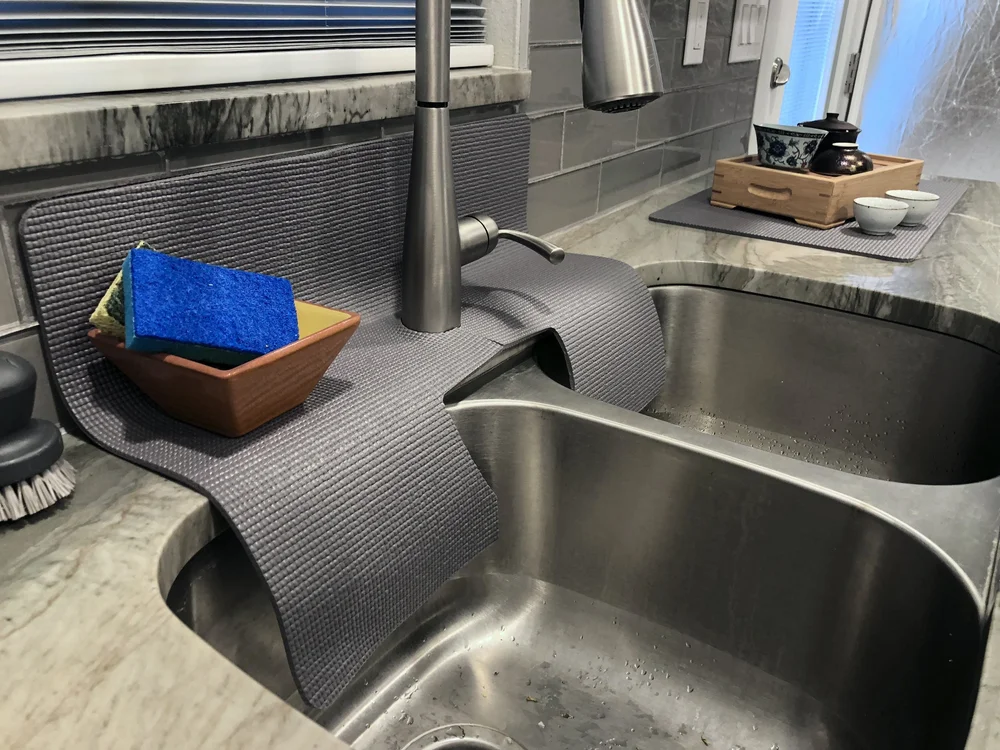
Acrylic splash guard protecting wall from water splashes
Frequently Asked Questions
How Can I Waterproof The Wall Behind My Kitchen Sink?
Use waterproof paint or install a backsplash made of tile, glass, or stainless steel. These materials resist moisture and prevent water damage.
What Materials Best Protect Walls Behind Kitchen Sinks?
Ceramic tiles, glass panels, stainless steel sheets, and waterproof wallpapers are ideal. They offer durability, easy cleaning, and excellent moisture resistance.
How Do I Prevent Mold Behind The Kitchen Sink Wall?
Ensure proper ventilation and fix leaks immediately. Clean regularly and use mold-resistant paint or materials to keep mold at bay.
Is Installing A Backsplash Necessary Behind Kitchen Sinks?
Yes, a backsplash protects walls from water splashes and stains. It enhances durability and makes cleaning easier, preserving wall integrity.
Conclusion
Protecting the wall behind the kitchen sink is essential. Water splashes can damage it over time. Use waterproof materials like tiles or splash guards. They help keep the wall dry and clean. Regular cleaning also prevents mold growth. Choose easy-to-clean materials for convenience.
Check for leaks often to avoid issues. Small actions can prevent big problems. A well-maintained kitchen looks neat and lasts longer. So, take steps today and enjoy a beautiful kitchen.

Sophia Martinez is a culinary lifestyle writer and product reviewer for DiningGadgets.com. Passionate about blending style with functionality, she explores the latest dining essentials, kitchen décor, and cleaning hacks that transform everyday cooking spaces. With a background in home organization and design, Sophia brings readers expert advice on creating beautiful, practical kitchens that truly feel like the heart of the home.