

Are you ready to transform your kitchen with stylish Ikea cabinets but unsure how to get them securely on your wall? Installing kitchen cabinets might seem tricky, but with the right steps, you can do it yourself and save money.
How to Install IKEA Kitchen Cabinets on Wall. In this guide, you’ll discover simple, clear instructions that make the whole process easy to follow. By the end, you’ll have the confidence to hang your Ikea kitchen cabinets perfectly, giving your space a fresh, modern look. Keep reading—your dream kitchen is just a few steps away!
Tools And Materials Needed
Before installing Ikea kitchen cabinets on your wall, gather the right tools and materials. Having everything ready saves time and avoids frustration. This section covers the essential tools and cabinet parts.
List Of Essential Tools
- Drill with screwdriver bits
- Stud finder
- Level
- Measuring tape
- Pencil for marking
- Clamps to hold cabinets
- Socket wrench or adjustable wrench
- Rubber mallet
- Safety glasses
- Step ladder
Cabinet Components And Hardware
- Wall cabinets
- Mounting rails (if included)
- Screws for wall attachment
- Cam locks and dowels for cabinet assembly
- Hinges and door handles
- Brackets or corner braces
- Plastic caps or covers for screw heads
- Instruction manual from Ikea
Preparing The Wall
Preparing the wall is a crucial part of installing Ikea kitchen cabinets. A sturdy and well-prepared wall ensures your cabinets stay secure and aligned perfectly. Taking the time to prepare the wall properly saves you from future headaches and repairs.
Locating Wall Studs
Start by finding the wall studs behind your drywall. Cabinets need to be anchored to these studs for maximum strength. Use a stud finder tool to scan the wall; it will beep or light up when it detects a stud.
If you don’t have a stud finder, tap the wall gently with a hammer and listen for a solid sound instead of a hollow one. Mark the edges of each stud with a pencil to know exactly where to drill your screws.
Measuring And Marking
Measure the height where you want the cabinets to hang. Most standard kitchen cabinets are installed about 54 inches from the floor to the bottom of the upper cabinets. Mark this line horizontally across the wall using a pencil and a level.
Also, mark vertical lines where each cabinet will be placed. Double-check your measurements to avoid uneven gaps or misaligned cabinets. Precision here will make your installation smoother and your kitchen look professional.
Ensuring A Level Surface
Check if your wall surface is level using a spirit level. Walls aren’t always perfectly flat, and an uneven surface can cause your cabinets to tilt or leave gaps. If you spot any high or low spots, use shims to even out the surface before mounting the cabinets.
Taking the time to level the wall now prevents frustrating adjustments later. Ask yourself: How will a slight tilt affect the look and function of my kitchen cabinets over time?
Assembling The Cabinets
Assembling Ikea kitchen cabinets might seem daunting at first, but breaking the process into manageable tasks makes it much easier. You’ll find that careful preparation and a clear workspace can save you hours of frustration. Let’s look at how to get your cabinets ready for installation with confidence and precision.
Unpacking And Organizing Parts
Start by laying out all the boxes on a clean, flat surface. Open each box carefully and sort the components by type—panels, screws, hinges, and hardware. This simple step helps you avoid hunting for tiny parts later.
Use small containers or trays to keep screws and fittings separated and labeled. It’s surprising how much time you can save when everything is easy to find. Also, check the instruction manual against the parts to make sure nothing is missing before you dive in.
Step-by-step Assembly Tips
Follow the manual closely but remember to take your time. Rushing can lead to misaligned holes or damaged pieces. Start by assembling the cabinet frame, ensuring all corners are square and flush.
- Use a drill with a torque settingto avoid over-tightening screws, which can strip the material.
- Keep a level handyto check that each part is even as you go.
- Test-fit doors and drawers before final assemblyto make sure hinges and sliders align properly.
One tip I learned the hard way was to not fully tighten screws until the entire frame is assembled. This allows for minor adjustments that can make a big difference in how the cabinet fits on the wall later. Have you ever started tightening only to realize something was off? Leaving screws a bit loose initially saves you from that hassle.
Mounting The Cabinets
Mounting Ikea kitchen cabinets on the wall is a key part of your kitchen setup. It ensures the cabinets stay secure and look great. Proper mounting keeps your kitchen safe and functional. Follow these clear steps to get the cabinets firmly in place.
Attaching Mounting Rails
Start by fixing the mounting rails to the wall. These rails support the cabinets’ weight. Use a stud finder to locate wall studs for strong support.
- Mark stud positions with a pencil.
- Hold the mounting rail against the wall at the marked spots.
- Drill pilot holes through the rail into the studs.
- Secure the rail with long screws designed for wood or drywall.
Check that the rail is level before tightening all screws. A level rail makes cabinet installation easier.
Securing Cabinets To Wall
Lift the cabinet onto the mounted rail carefully. The cabinet should hook onto the rail securely.
- Align cabinet hooks with the mounting rail.
- Push the cabinet firmly against the wall.
- Use screws through the cabinet back into the wall studs.
- Make sure screws are tight but avoid over-tightening.
This step locks the cabinet in place and prevents movement.
Aligning And Leveling Cabinets
Proper alignment ensures your kitchen looks neat and functions well. Use a level to check the cabinet’s position.
- Place the level on top of the cabinet.
- Adjust cabinet height by adding shims under the base if needed.
- Check side-to-side and front-to-back for levelness.
- Secure shims with glue or small nails once the cabinet is level.
Repeat the process for each cabinet to keep all units aligned perfectly.
Connecting Multiple Cabinets
Connecting multiple Ikea kitchen cabinets on the wall creates a smooth, unified look. It also ensures stability and proper alignment. Proper connection prevents gaps and keeps cabinets secure over time.
Focus on joining cabinets tightly and adjusting gaps for a clean finish. These steps help cabinets fit perfectly, even on uneven walls.
Joining Cabinets Together
Start by placing cabinets side by side. Use clamps to hold them tightly together. Align the cabinet faces so edges are flush. Check that the cabinets are level front to back and side to side.
Use screws designed for cabinet joining, usually included in Ikea kits. Drill pilot holes through the cabinet sides where they meet. Screw the cabinets together firmly but avoid overtightening to prevent damage.
Double-check alignment before tightening screws fully. Repeat this process for each pair of cabinets until all are connected.
Adjusting Gaps And Seams
Check the gaps between cabinet doors and panels. Small gaps help doors open smoothly but large gaps look unfinished. Use shims or adjust hinge screws to reduce gaps.
If gaps appear uneven, loosen screws and shift cabinets slightly. Tighten screws again after making adjustments. Use caulk or trim pieces to cover any visible seams for a polished look.
Ensure all cabinet doors open and close properly without rubbing. Make minor hinge adjustments as needed. Properly adjusted seams improve both function and appearance.

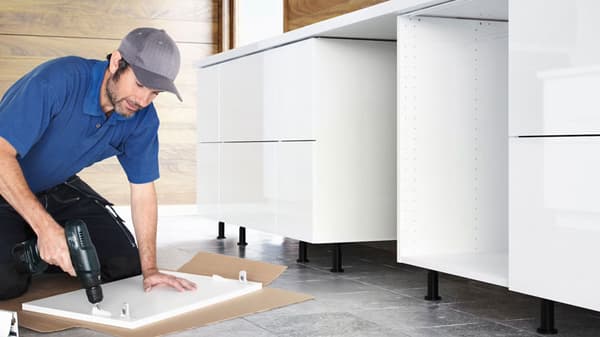
Tools and brackets used to install IKEA kitchen cabinets
Installing Doors And Hardware
Installing the doors and hardware on your Ikea kitchen cabinets is where your project really starts to look like a kitchen. It’s the finishing touch that brings functionality and style together. This part requires patience and attention to detail, but it’s also quite rewarding once you see everything coming together.
Hanging Doors
Start by attaching the hinges to the cabinet doors. Ikea hinges usually come with screws pre-inserted, making it easier to align and fix them onto the doors. Hold the door up to the cabinet frame and carefully clip the hinge plates onto the mounting plates fixed inside the cabinet.
Make sure the door is securely latched before moving on. If the door feels loose or wobbly, double-check the hinge placement and tighten screws as needed. Have you noticed how small adjustments here can make a big difference in door function?
Attaching Handles And Knobs
Next, it’s time to add your handles and knobs. Ikea often provides installation instructions with specific hole measurements, so use a tape measure or template for accuracy. Drill holes carefully to avoid damaging the door surface.
Once drilled, attach the handles or knobs using the screws provided. Don’t overtighten, or you risk stripping the screw holes or damaging the hardware finish. Think about the feel and grip of each handle—does it suit your daily kitchen routine?
Adjusting Door Alignment
After hanging the doors and adding hardware, you’ll likely need to fine-tune the alignment. Ikea hinges usually have adjustment screws that let you move doors up, down, left, or right in small increments. Use these to ensure even spacing and flush edges between doors and frames.
Take a step back and open and close each door several times. Are they smooth? Do they line up evenly? Small tweaks here can prevent doors from slamming or rubbing, saving you frustration later on.
Final Touches
After securing your Ikea kitchen cabinets on the wall, the final touches create a polished look. These steps ensure your kitchen feels complete and functions well. Attention to detail improves both style and durability.
Sealing Gaps
Small gaps often appear between cabinets and walls. Seal these gaps to prevent dust and moisture buildup. Use a paintable caulk that matches your cabinet color. Apply a thin bead along the edges and smooth it with a damp finger or tool. This step protects your cabinets and gives a clean finish.
Cleaning And Maintenance Tips
Keep your Ikea cabinets looking new with regular cleaning. Use a soft cloth and mild detergent for daily dirt removal. Avoid abrasive cleaners that can damage the finish. Wipe spills quickly to prevent stains and warping. Check hinges and handles regularly to tighten loose parts. Simple care extends the life of your kitchen cabinets and keeps them attractive.

Tools and brackets used to install IKEA kitchen cabinets
Common Mistakes To Avoid
Installing Ikea kitchen cabinets on the wall can be straightforward with the right approach. Avoiding common mistakes saves time and frustration. These errors often lead to uneven cabinets, weak support, or damage.
Paying attention to details helps create a sturdy and beautiful kitchen setup. Below are key mistakes to watch out for during installation.
Ignoring Wall Studs Location
Wall studs provide the strongest support for cabinets. Failing to find and use studs can cause cabinets to fall. Use a stud finder and mark locations clearly before drilling.
Skipping Level Checks
Cabinets must be perfectly level for doors to close properly. Not checking levels leads to misaligned cabinets and gaps. Use a spirit level often during installation for accuracy.
Overtightening Screws
Too much force on screws can damage cabinet panels or strip holes. Tighten screws firmly but carefully to avoid cracks or weakened joints.
Not Following Ikea’s Assembly Instructions
Ikea cabinets come with specific guides. Ignoring these instructions causes errors in fitting or missing parts. Follow each step as described for best results.
Neglecting To Protect Cabinet Surfaces
Scratches and dents occur easily during installation. Use soft cloths or cardboard to shield surfaces while working. Handle parts gently to keep them in perfect condition.
Failing To Plan Cabinet Layout
Installing without a clear plan leads to awkward gaps or uneven heights. Measure spaces and sketch layouts before attaching cabinets. This prevents costly mistakes.
Using Incorrect Tools
Using wrong tools can damage cabinets or slow down work. Gather all necessary tools like drills, screwdrivers, and levels beforehand. Proper tools make the job smoother.
Modern kitchen with IKEA wall cabinets properly mounted
Frequently Asked Questions
How Do I Prepare My Wall For Ikea Kitchen Cabinets?
First, locate wall studs using a stud finder. Ensure the wall is clean and level. Remove any drywall obstacles before installation. This provides a strong base to securely mount your Ikea kitchen cabinets.
What Tools Are Needed To Install Ikea Kitchen Cabinets?
You’ll need a drill, level, stud finder, screwdriver, measuring tape, and a pencil. These tools help ensure accurate placement and secure mounting of your Ikea cabinets on the wall.
How Do I Level Ikea Kitchen Cabinets On The Wall?
Use a level to check the cabinet frame before securing it. Adjust the cabinet height with shims if needed. This ensures your cabinets are straight and properly aligned for a professional look.
Can I Install Ikea Kitchen Cabinets Without Wall Studs?
No, it’s not recommended. Cabinets must be anchored into wall studs for safety and stability. Drywall alone cannot support the weight of kitchen cabinets and their contents.
Conclusion
Installing Ikea kitchen cabinets can seem challenging. But it’s manageable with the right steps. Start by gathering tools and materials. Follow the instructions closely. Ensure measurements are accurate. Secure cabinets firmly to the wall. Double-check for stability. A well-installed cabinet enhances kitchen functionality.
It also adds to the room’s aesthetic. Remember, patience leads to successful installation. Enjoy your new kitchen space. With practice, you’ll gain more confidence. Happy installing!

Sophia Martinez is a culinary lifestyle writer and product reviewer for DiningGadgets.com. Passionate about blending style with functionality, she explores the latest dining essentials, kitchen décor, and cleaning hacks that transform everyday cooking spaces. With a background in home organization and design, Sophia brings readers expert advice on creating beautiful, practical kitchens that truly feel like the heart of the home.