

Are your kitchen walls looking dull and sticky because of stubborn grease? You’re not alone.
How to Clean Kitchen Grease off Walls, Grease buildup not only makes your kitchen look messy but can also attract dirt and bacteria. The good news is, you don’t need harsh chemicals or expensive tools to fix this. You’ll discover simple, effective ways to clean kitchen grease off your walls—fast and hassle-free.
Ready to bring back that fresh, spotless look to your kitchen? Let’s dive in and make your walls shine again!

Cleaning grease stains from kitchen wall with sponge
Identify Grease Spots
Identifying grease spots on kitchen walls is the first step to cleaning them effectively. Grease can build up slowly and become harder to remove if ignored. Spotting these areas early helps keep your kitchen fresh and hygienic.
Common Areas With Grease
Grease tends to gather near heat and cooking zones. Check around the stove and oven first. Walls behind the sink and countertops also catch grease splashes. Vent hoods and exhaust fans often have noticeable grease deposits. Even near light switches and door handles, grease can accumulate from hands.
Signs Of Grease Buildup
Grease spots look shiny or sticky compared to the rest of the wall. They may appear darker or have a yellowish tint. You might feel a greasy texture if you touch the wall gently. Grease can also attract dust and dirt, making the area look dull or patchy. Sometimes, a faint oily smell signals buildup nearby.
Credit: www.realhomes.com
Gather Cleaning Supplies
Gathering the right cleaning supplies is the first step to removing kitchen grease from walls effectively. Having the proper tools and solutions ready makes the job easier and faster. It also helps protect your wall surfaces from damage. Prepare everything before you start scrubbing.
Essential Tools
- Soft sponges or microfiber cloths for gentle cleaning
- Bucket to hold warm water or cleaning mix
- Spray bottle for applying cleaning solutions evenly
- Rubber gloves to protect your hands from chemicals
- Scrub brush with soft bristles for tough grease spots
- Old towels or rags for drying and wiping excess moisture
Recommended Cleaning Solutions
- Mild dish soap mixed with warm water for light grease
- White vinegar diluted with water to cut through grease
- Baking soda paste made with water for gentle scrubbing
- Commercial kitchen degreasers designed for walls
- Liquid castile soap as a natural, effective cleaner
Prepare The Cleaning Area
Preparing the cleaning area is essential for removing kitchen grease from walls safely and effectively. Taking a few simple steps helps protect your kitchen and makes the cleaning process smoother. Organizing your space before starting will save time and avoid messes.
Protect Surrounding Surfaces
Cover counters, appliances, and floors near the greasy walls. Use old towels, plastic sheets, or newspapers to catch drips and splashes. Tape down edges to keep covers in place. This prevents damage and keeps your kitchen tidy during cleaning.
Ventilate The Kitchen
Open windows and doors for fresh air circulation. Turn on exhaust fans or kitchen vents to remove fumes from cleaning products. Good airflow helps dry walls faster and keeps the air safe to breathe. It also reduces lingering smells from grease and cleaners.
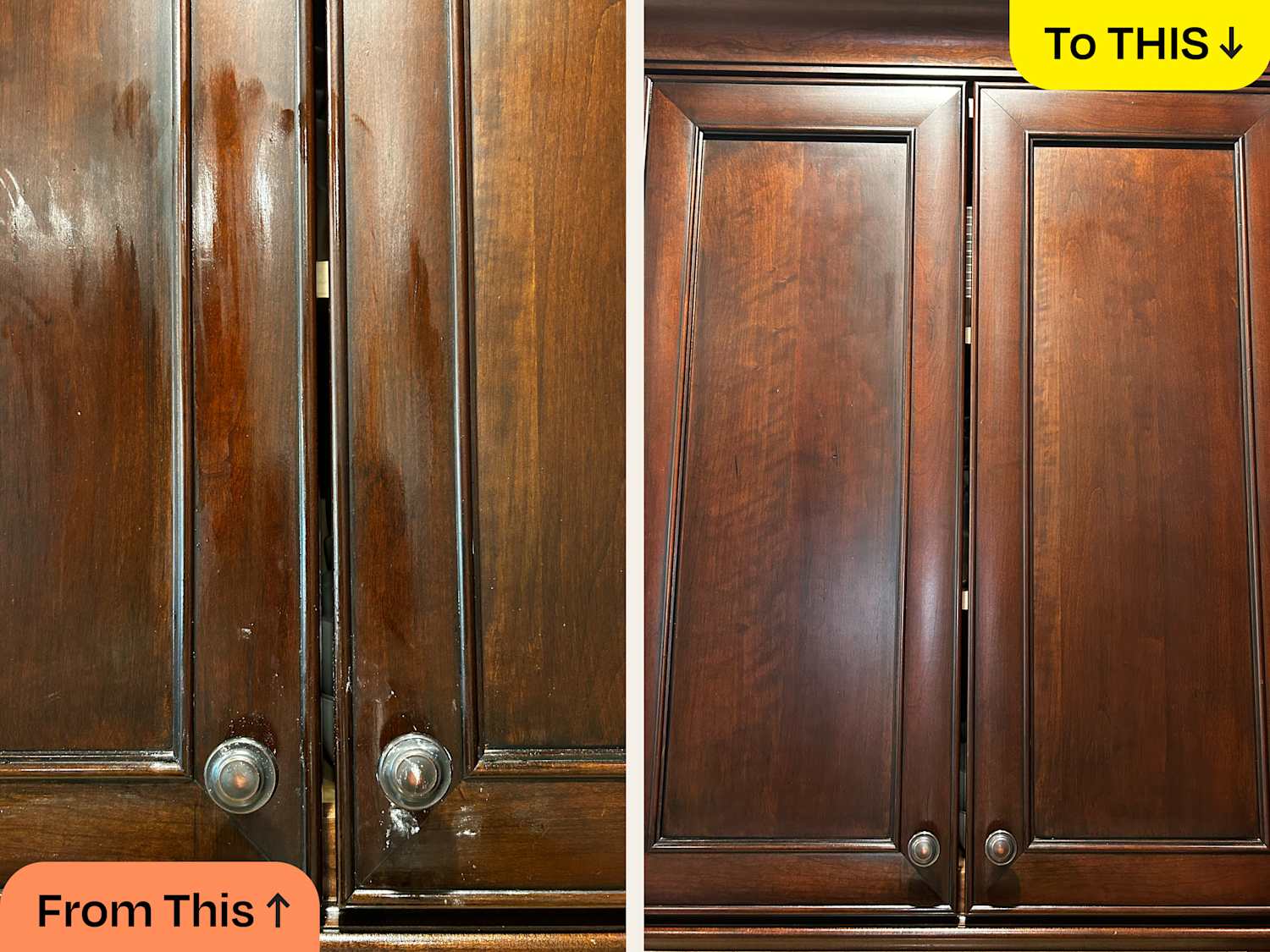
Before and after kitchen wall grease cleaning
Apply Cleaning Solutions
Applying the right cleaning solution is key to removing stubborn kitchen grease from your walls effectively. Choosing between homemade remedies and commercial cleaners depends on your preferences and the materials you have on hand. Let’s dive into practical options that make the cleaning process easier and safer for your walls.
Homemade Remedies
Simple ingredients from your kitchen can work wonders on greasy walls. A mix of warm water and dish soap often breaks down grease without harsh chemicals.
- Combine a few drops of dish soap with warm water in a spray bottle.
- Spray the solution onto the greasy spots and let it sit for a few minutes.
- Wipe with a soft cloth or sponge in gentle circular motions.
If you want to boost cleaning power, try adding white vinegar to the mix. Vinegar’s acidity cuts through grease and deodorizes simultaneously. Just remember to test a small area first to avoid any damage to paint or wallpaper.
Have you ever noticed how baking soda can act like a magic eraser? Sprinkle some on a damp sponge and scrub lightly. It’s mildly abrasive and safe for most surfaces, giving grease a tough time without scratching walls.
Commercial Cleaners
Sometimes, homemade solutions might not be strong enough for thick grease build-up. Commercial cleaners designed specifically for kitchen grease can save time and effort.
- Look for products labeled as degreasers or multi-surface kitchen cleaners.
- Follow the instructions carefully—some require diluting, while others are ready to use.
- Wear gloves to protect your skin, especially if the cleaner has strong chemicals.
Many commercial cleaners offer quick results, but be mindful of the fumes. Ventilate your kitchen well during and after application to keep the air fresh and safe.
Have you tried a commercial cleaner that surprised you with how well it worked? Sometimes investing in a good product pays off, especially if grease has been building up over months.
Scrub The Walls
Scrubbing kitchen grease off walls can feel like a tough job, but the right approach makes it manageable. You need to focus on the tools and techniques that allow you to lift and remove the sticky residue without damaging your walls. Knowing how to scrub efficiently saves time and energy, turning a dreaded chore into a quick fix.
Choosing The Right Scrubbing Tools
Your choice of scrubbing tools affects how well you clean and how safe your walls stay. Soft sponges or microfiber cloths work well for painted walls because they clean without scratching. For tougher grease, a non-abrasive scrub brush helps break down the grime without damaging the surface.
Avoid steel wool or harsh scrubbing pads as they can strip paint or leave marks. Instead, consider using a sponge with a gentle scrubbing side or a soft nylon brush. You might already have these tools at home, so no need to buy expensive cleaners or gadgets.
Techniques For Effective Cleaning
Start scrubbing from the bottom of the grease stain and work your way up. This prevents greasy drips from running down onto already cleaned areas. Use circular motions to lift the grease, applying steady but gentle pressure.
Rinse your sponge or cloth frequently to avoid spreading grease back onto the wall. If you notice stubborn spots, let your cleaning solution sit for a few minutes before scrubbing again. Have you ever tried scrubbing aggressively only to smear the grease around? Patience and the right technique make all the difference.
Rinse And Dry
After scrubbing away kitchen grease, rinsing and drying the walls is a crucial step that you shouldn’t overlook. Proper rinsing removes leftover cleaning agents and loosened grease, preventing sticky residues from attracting more dirt. Drying the wall thoroughly helps avoid water spots and potential damage, keeping your kitchen walls looking fresh and clean for longer.
Removing Residue
Use a clean sponge or cloth soaked in warm water to gently wipe down the walls. This will help wash away any leftover soap or grease particles. If you notice stubborn spots, rinse the cloth frequently to avoid spreading residue back onto the wall.
Sometimes, you might see a faint film after rinsing. Don’t ignore it; this film can trap dust and grime. A second rinse with plain water usually clears it up.
Preventing Water Damage
After rinsing, always dry the walls promptly with a soft towel or microfiber cloth. Leaving walls damp can cause paint to peel or encourage mold growth, especially in humid kitchens.
Try to air out the kitchen by opening windows or turning on an exhaust fan while the walls dry. This extra ventilation speeds up drying and keeps moisture from settling into the wall surface.
Have you ever noticed paint bubbling or discoloration after cleaning? That’s a sign water wasn’t dried properly. Taking just a few minutes to dry your walls can save you from costly repairs later on.
Maintain Grease-free Walls
Maintaining grease-free walls keeps your kitchen fresh and healthy. Grease buildup looks dirty and can damage paint and surfaces. Regular care stops grease from sticking and makes cleaning easier. Simple habits protect your walls from stains and grime. A clean kitchen feels more inviting and pleasant.
Regular Cleaning Tips
- Wipe walls with a damp cloth after cooking sessions.
- Use warm water mixed with mild dish soap for cleaning.
- Scrub gently to avoid damaging paint or wallpaper.
- Dry walls with a soft towel to prevent water marks.
- Clean grease-prone areas like behind the stove weekly.
- Use a sponge or microfiber cloth for better grease removal.
Preventive Measures
- Install a kitchen exhaust fan to reduce grease in the air.
- Use splatter screens when frying to block grease sprays.
- Keep lids on pots and pans during cooking.
- Wipe spills immediately to stop grease from settling.
- Choose washable paint or wall coverings for easy cleaning.
- Regularly clean kitchen appliances to prevent grease buildup.
Frequently Asked Questions
How Do I Remove Kitchen Grease From Painted Walls?
Use a mixture of warm water and dish soap. Apply with a soft sponge and gently scrub the walls. Rinse with clean water and dry with a microfiber cloth to avoid streaks and damage to the paint.
What Household Items Effectively Clean Grease Off Walls?
Common items like baking soda, vinegar, and dish soap work well. Mix baking soda with water to form a paste. Apply and scrub gently. Vinegar diluted with water also breaks down grease effectively without harsh chemicals.
Can I Use Commercial Cleaners For Kitchen Grease On Walls?
Yes, commercial degreasers are designed for tough grease. Choose a non-abrasive cleaner safe for your wall type. Always follow manufacturer instructions and test a small area first to prevent damage or discoloration.
How Often Should I Clean Kitchen Grease From Walls?
Clean walls monthly or immediately after heavy cooking. Regular cleaning prevents buildup and makes removal easier. Frequent maintenance keeps your kitchen walls fresh and reduces stubborn grease stains.
Conclusion
Cleaning kitchen grease off walls can feel challenging. But it’s doable. With the right tools, the task becomes easier. Start with a gentle cleaner. Always test on a small spot first. Wipe gently to avoid damage. Regular cleaning helps maintain a clean kitchen.
Consistency is key. Grease builds up over time. So, staying on top of it is important. A clean kitchen feels fresh and welcoming. Plus, it’s healthier for your family. Try these simple steps today. Enjoy a cleaner, more inviting kitchen space.

Sophia Martinez is a culinary lifestyle writer and product reviewer for DiningGadgets.com. Passionate about blending style with functionality, she explores the latest dining essentials, kitchen décor, and cleaning hacks that transform everyday cooking spaces. With a background in home organization and design, Sophia brings readers expert advice on creating beautiful, practical kitchens that truly feel like the heart of the home.