

Are you looking to add style and function to your kitchen without a full renovation? Building a half wall might be the perfect solution for you.
How to Build a Half Wall in Kitchen. It can create a clear boundary between spaces while keeping the room open and bright. Imagine having a spot to lean on, display your favorite decor, or even add extra storage—all within easy reach. In this guide, you’ll discover simple, step-by-step instructions to build your own half wall with confidence.
Ready to transform your kitchen and make it truly yours? Let’s get started!

Step-by-step process of building a kitchen half wall
Planning Your Half Wall
Planning your half wall is key to a smooth build and great final look. It helps avoid mistakes and saves time. Think about how the wall will fit in your kitchen space and what purpose it will serve. Proper planning makes sure the wall is both useful and attractive.
Choosing The Right Location
Pick a spot that improves kitchen flow. The half wall should create separation without blocking light or movement. Consider areas near counters or islands for easy access. Check for nearby electrical outlets or plumbing that could affect construction.
Measuring And Marking
Measure the area carefully. Use a tape measure to note wall height and length. Mark the outline on the floor and walls with a pencil. Double-check measurements before cutting or buying materials. Accurate marks guide a precise build.
Selecting Materials
Choose materials that match your kitchen style and budget. Common options include wood, drywall, or bricks. Wood offers warmth and is easy to paint. Drywall provides a smooth finish and can be textured. Bricks add a rustic feel but need more work. Think about durability and maintenance too.
:max_bytes(150000):strip_icc()/CASSPhoto_JND_Bennett17-735b5ca8926d407f93fd973c4206169e.jpg "How to Build a Half Wall in Kitchen: Easy Steps for Stunning Results 2")
Wooden frame for half wall construction in kitchen
Gathering Tools And Supplies
Building a half wall in your kitchen needs careful preparation. Gathering the right tools and supplies makes the work easier. Proper tools ensure safety and accuracy during construction. Supplies must match your wall design and kitchen style.
Organizing everything before starting saves time and reduces mistakes. Check every tool and material for quality and condition. Knowing what you need helps the project run smoothly.
Essential Tools Checklist
- Measuring tape – for precise measurements
- Level – to keep the wall straight
- Hammer or nail gun – for fastening parts
- Saw (circular or handsaw) – to cut wood
- Drill with bits – for screws and pilot holes
- Screwdriver – to tighten screws
- Stud finder – to locate wall studs
- Safety glasses – to protect your eyes
- Work gloves – for hand protection
- Pencil – to mark measurements
Materials Needed
| Material | Purpose |
|---|---|
| Lumber (2x4s) | Frame structure of the half wall |
| Drywall sheets | Cover the frame for a smooth finish |
| Drywall screws | Secure drywall to the frame |
| Joint compound | Fill seams and create a seamless surface |
| Sandpaper | Smooth the dried joint compound |
| Paint or wall finish | Match kitchen decor and protect the surface |
| Trim or molding | Decorate edges of the half wall |
Preparing The Area
Preparing the area is a crucial first move when building a half wall in your kitchen. It sets the stage for smooth construction and keeps your space safe and organized. Taking the time to properly clear and protect the workspace can save you from costly mistakes and unexpected delays.
Clearing The Workspace
Start by removing all items from the kitchen counters and floors near where the half wall will go. This includes small appliances, utensils, and any fragile decorations. Clearing the space gives you plenty of room to move freely and reduces the risk of knocking something over.
Think about your tools and materials too. Organize them within easy reach but out of your walking path to avoid accidents. Have you ever tried to work in a cluttered area? It’s frustrating and slows you down.
Protecting Surroundings
Next, protect surfaces that might get damaged during construction. Use drop cloths or old sheets to cover countertops, floors, and nearby cabinets. Tape the edges down to prevent dust and debris from settling on your kitchen surfaces.
Don’t forget about your walls and appliances. Plastic sheeting can shield these from dust and paint splatters. Taking these precautions means less cleanup later and keeps your kitchen looking pristine throughout the project.
Building The Frame
Building the frame is the backbone of creating a sturdy and reliable half wall in your kitchen. This structure supports the entire wall, so every measurement and connection must be precise. Taking time to ensure the frame is properly built will save you headaches later and guarantee your half wall stands strong.
Constructing The Base
The base is the foundation that anchors your half wall to the floor. Start by measuring the exact length where the wall will sit, then cut a pressure-treated 2×4 to match. Secure this base plate firmly to the floor using concrete screws or wood screws, depending on your flooring type.
Make sure the base is perfectly level before moving forward. An uneven base can cause the entire wall to lean or wobble. Use a level tool and adjust as needed — this small step makes a big difference in stability.
Installing Vertical Supports
Vertical studs give your half wall its height and strength. Cut 2x4s to your desired wall height, usually between 36 and 42 inches for a kitchen half wall. Space these studs 16 inches apart, which aligns with standard drywall and panel sizes.
Attach each stud securely to the base plate using nails or screws. Double-check that each stud is perfectly vertical using a level. If you want to add extra strength, consider doubling the studs at the ends or corners.
Securing The Top Plate
The top plate ties the vertical supports together and provides a surface to attach your countertop or finishing material. Cut a 2×4 to match the length of your base plate. Position it on top of the vertical studs and fasten it with screws through the studs into the plate.
Ensure the top plate is flush and level across the entire wall. This will keep your countertop even and prevent any gaps. Have you thought about pre-drilling holes? It helps avoid wood splitting and makes the process smoother.
Adding Drywall And Finishing
Adding drywall and finishing your half wall in the kitchen transforms the raw frame into a polished, sturdy surface. This part of the project demands precision and patience to ensure a smooth, professional look. Let’s dive into the key steps that will help you achieve a flawless finish.
Cutting And Installing Drywall
Measure your half wall carefully to cut drywall sheets that fit perfectly. Use a utility knife to score and snap the drywall along your measured lines, ensuring clean edges. Attach the drywall to the studs with drywall screws spaced about 12 inches apart, making sure the screws are slightly recessed without breaking the paper surface.
Have you checked your measurements twice? A small mistake here can cause gaps or uneven surfaces, making the finishing work much harder.
Applying Joint Compound
Start by applying a thin layer of joint compound over the seams between drywall sheets using a drywall knife. Press drywall tape into the wet compound along all joints to prevent cracks later. Once the tape is set, add two or three more layers of joint compound, each one wider than the last, feathering the edges to blend smoothly with the drywall.
Patience is key here—rushing this step often leads to visible seams or bumps. Have you prepared your workspace to minimize dust and mess during this messy, but crucial phase?
Sanding And Smoothing
After the joint compound has fully dried, sand the surface gently using a fine-grit sanding block or pole sander. Keep your sanding smooth and even to avoid gouging the drywall. Wipe away dust frequently so you can see exactly where the surface still needs work.
Remember, the goal is a perfectly flat wall that feels seamless to touch. Are you ready to put in the effort to get that level of smoothness? Your final paint or tile finish will look so much better for it.
Painting And Decorating
Painting and decorating your half wall in the kitchen can completely transform the space. It’s your chance to add personality and style while protecting the surface from everyday wear. Taking time to prep and choose the right colors and finishes will make your half wall a standout feature.
Priming The Surface
Start by cleaning the wall thoroughly to remove dust and grease. A clean surface helps the primer stick better and ensures a smooth finish. Use a high-quality primer suitable for the material of your half wall—wood, drywall, or plaster.
Apply the primer evenly with a brush or roller, focusing on corners and edges. Let it dry completely before moving on to paint. Skipping this step can cause paint to peel or look uneven, so don’t rush it.
Choosing Paint Colors
Think about how the half wall will interact with your kitchen’s overall color scheme. Do you want it to blend in or stand out as an accent? Neutral tones like soft grays or creams offer a clean look, while bold colors like navy or forest green create a striking contrast.
Consider the finish too. Semi-gloss or satin paints are easier to clean and resist stains, making them perfect for kitchen areas. Would you like a matte finish for a modern vibe, or something glossy for a polished feel?
Adding Decorative Touches
Once painted, you can add extra style with decorative elements. Think about installing a wood trim or molding along the top edge for a refined look. You might also use wallpaper with a subtle pattern on the half wall for texture and interest.
Another idea is to add hooks or small shelves if you want extra storage or a place to hang kitchen towels. What kind of finishing touch would make your half wall both beautiful and functional?
Tips For Safety And Efficiency
Building a half wall in your kitchen requires attention to both safety and efficiency. Following smart practices protects you from injury and helps finish the job faster. These tips focus on essential safety gear and time-saving methods to make the project smooth and secure.
Using Protective Gear
Safety starts with the right gear. Always wear safety glasses to shield your eyes from dust and debris. Use gloves to protect your hands from sharp tools and rough materials. A dust mask prevents inhaling harmful particles during cutting and sanding. Wear sturdy shoes with good grip to avoid slips. Hearing protection is important when using loud power tools. Dress in long sleeves and pants to guard your skin. Make sure your work area is well-lit and clean to reduce accidents.
Time-saving Techniques
Plan your work before starting. Measure twice, cut once to avoid mistakes. Organize all materials and tools in one place to save time searching. Use power tools like drills and saws to speed up tasks. Clamp pieces securely to keep them steady while working. Work in stages, finishing one part before moving on. Keep a checklist to track progress and needed supplies. Clean up as you go to maintain a clear workspace. These small steps help complete your half wall faster and with less stress.
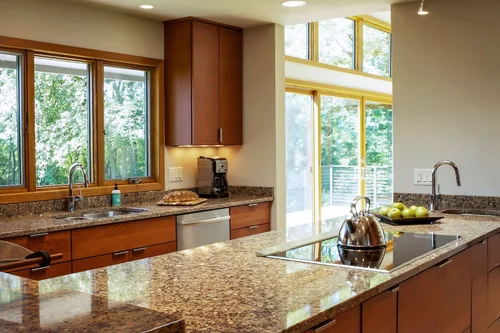
DIY half wall with countertop in modern kitchen
Frequently Asked Questions
What Tools Are Needed To Build A Half Wall In Kitchen?
You need a saw, drill, level, measuring tape, screws, studs, drywall, and paint. Safety gear like gloves and goggles is essential. These tools help ensure a sturdy and professional half wall.
How Long Does It Take To Build A Kitchen Half Wall?
Building a half wall typically takes 1 to 2 days. This depends on your skill level and wall complexity. Drying time for paint or drywall compound may add extra time.
Can I Build A Half Wall Without Professional Help?
Yes, you can build a half wall yourself if you have basic carpentry skills. Follow step-by-step instructions carefully for safety and accuracy. Hiring a pro is recommended for complex designs.
What Materials Are Best For Kitchen Half Walls?
Wood studs, drywall, and paint are standard materials for half walls. You can also use tile or stone veneer for a decorative finish. Choose materials that match your kitchen style.
Conclusion
Building a half wall in your kitchen enhances its style and function. It creates a cozy division without closing off spaces. Materials and tools are important for a sturdy wall. Follow the steps carefully to ensure safety and quality. Planning is key for a successful project.
It offers a fresh look and practical benefits. Consider consulting a professional for complex designs. Enjoy your new kitchen space with added charm and utility. A half wall can transform your kitchen effectively. Now, enjoy the blend of open space and division.
Happy building!

Sophia Martinez is a culinary lifestyle writer and product reviewer for DiningGadgets.com. Passionate about blending style with functionality, she explores the latest dining essentials, kitchen décor, and cleaning hacks that transform everyday cooking spaces. With a background in home organization and design, Sophia brings readers expert advice on creating beautiful, practical kitchens that truly feel like the heart of the home.