How to Remove Grease Splatter from Kitchen Walls: Easy & Effective Tips
Grease splatters on your kitchen walls can be frustrating and stubborn. They make your cooking space look messy and can be tough to clean if you don’t know the right tricks.
Remove Grease Splatter from Kitchen Walls. But don’t worry—you don’t have to scrub endlessly or use harsh chemicals that damage your paint. You’ll discover simple, effective ways to remove grease splatter quickly and keep your kitchen walls spotless. Ready to make your kitchen shine again? Let’s get started!
Causes Of Grease Splatter
Grease splatter on kitchen walls happens during cooking. Hot oil or fat jumps out of pans or grills. This creates sticky, stubborn stains on surfaces. Understanding the causes helps in cleaning effectively. It also helps prevent further splatter damage.
Common Kitchen Sources
- Frying foods in oil or butter
- Grilling meat or vegetables
- Using deep fryers or stovetop pans
- Sautéing ingredients at high heat
- Cooking greasy sauces or gravies
These activities release tiny grease droplets. They fly off and settle on nearby walls. Cooking at high temperatures increases splatter chances.
Types Of Grease Stains
| Type | Description | Appearance |
|---|---|---|
| Fresh Splatter | Recently released oil or fat droplets | Shiny, wet, and easy to wipe |
| Dried Grease | Old grease that has hardened on walls | Sticky, dark, and tough to clean |
| Smoke Residue | Grease mixed with smoke particles | Yellowish or brown film on surfaces |
Knowing these types helps choose the right cleaning method. Each stain needs a different approach for removal.
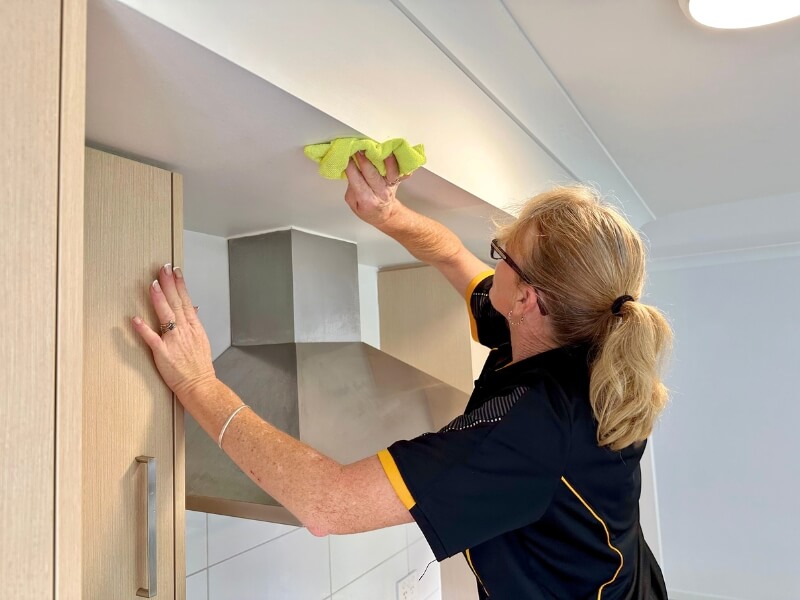
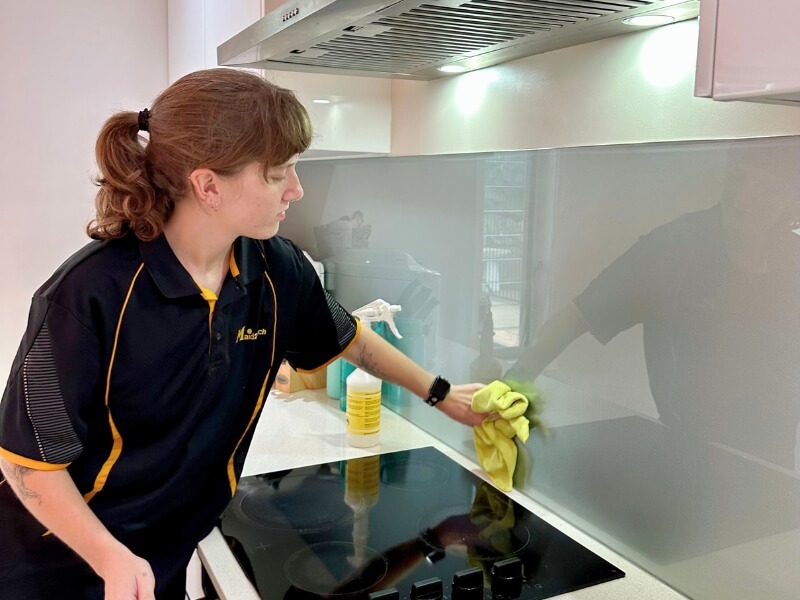
Removing grease stains from kitchen wall with sponge
Safety Precautions
Cleaning grease splatter from kitchen walls can be a messy task. It’s important to keep safety in mind to protect your skin, eyes, and lungs from harsh cleaners and stubborn grime. Taking a few precautions makes the job easier and keeps you safe throughout the process.
Protective Gear
Always wear gloves to shield your hands from strong cleaning agents. Some products can irritate your skin or cause allergic reactions. Using rubber or latex gloves creates a barrier and lets you scrub without worry.
Don’t forget eye protection. Splashes can happen unexpectedly, especially when spraying or mixing cleaners. Safety goggles or even simple glasses can prevent discomfort and injury.
Consider wearing an apron or old clothes to avoid staining your favorite outfit. Grease and cleaning liquids can splash, so protect yourself fully before diving in.
Ventilation Tips
Open windows and doors to allow fresh air to flow into your kitchen. This helps reduce the concentration of fumes from cleaning products. Have you noticed how stuffy a kitchen feels when you use strong cleaners in a closed space?
If your kitchen has an exhaust fan, turn it on while you clean. It pulls out odors and airborne particles, making the environment safer to breathe. Avoid prolonged exposure to chemical vapors by taking breaks and stepping outside if needed.
Using natural cleaners like vinegar or baking soda minimizes harsh smells and improves air quality. Wouldn’t you prefer a cleaner that’s gentle on both your skin and your lungs?
Essential Cleaning Supplies
Removing grease splatter from kitchen walls requires the right supplies. Choosing effective cleaning ingredients and proper tools makes the task easier. The right materials protect your walls and help remove stubborn grease.
Gathering essential supplies before you start saves time and effort. It also ensures a thorough clean and prevents damage to paint or wallpaper.
Household Ingredients
- White vinegar – cuts through grease without harsh chemicals
- Baking soda – acts as a gentle abrasive to scrub stains
- Lemon juice – natural degreaser with a fresh scent
- Dish soap – breaks down oil and grease effectively
- Warm water – helps dissolve grease and rinse surfaces
Recommended Tools
- Soft microfiber cloths – absorb grease without scratching walls
- Sponge with a scrub side – good for tougher grease spots
- Spray bottle – to apply cleaning solutions evenly
- Bucket – for mixing cleaning ingredients and rinsing cloths
- Old toothbrush – perfect for cleaning corners and crevices
Before and after cleaning grease from painted kitchen walls
Pre-cleaning Steps
Before tackling grease splatter on kitchen walls, preparing the surface is essential. Pre-cleaning makes the main cleaning more effective and prevents spreading dirt. It also protects your walls from damage during scrubbing. Taking time for these simple steps saves effort later and improves results.
Removing Loose Dirt
Start by removing any loose dirt or dust on the walls. Use a dry cloth or a soft brush to wipe the area gently. This step clears away crumbs, dust, and surface grime that can mix with grease and make cleaning harder. Avoid rubbing too hard to protect the paint or wallpaper. A vacuum with a brush attachment can also help clean corners and edges.
Preparing The Cleaning Solution
Mix a gentle cleaning solution suitable for grease removal. Warm water combined with mild dish soap works well. Avoid harsh chemicals that can damage wall surfaces. Use about one teaspoon of soap per cup of water. Stir the mixture until it forms bubbles. For tougher grease, add a small amount of white vinegar. Prepare the solution in a bucket or spray bottle for easy use. Always test the solution on a small, hidden spot first to check for any damage or discoloration.
Cleaning Techniques
Removing grease splatter from kitchen walls requires effective cleaning techniques. Choosing the right approach makes the task easier. Some methods use common household items. Others call for specialized products. Each technique targets grease without damaging paint or wallpaper. Understanding these options helps maintain a fresh, clean kitchen environment.
Using Soap And Warm Water
Soap and warm water work well for light grease stains. Use a mild dish soap for best results. Mix a few drops of soap in warm water. Dip a soft cloth or sponge into the solution. Gently scrub the greasy spots in a circular motion. Rinse the area with clean water to remove soap residue. Dry the wall with a clean towel to prevent streaks.
Vinegar And Baking Soda Method
This natural method is great for tougher grease buildup. Start by sprinkling baking soda on the greasy area. Spray or dab white vinegar over the baking soda. The mixture will fizz and help lift grease. Let it sit for 5-10 minutes to break down grease. Use a soft cloth or sponge to scrub the wall gently. Wipe away residue with a damp cloth and dry thoroughly.
Commercial Degreasers
Commercial degreasers are powerful and designed for kitchen messes. Choose a product safe for painted or wallpapered walls. Follow the instructions on the label carefully. Apply the degreaser to a cloth or sponge. Avoid spraying directly on the wall to prevent damage. Gently rub the greasy spots until clean. Rinse with water if the product requires it. Always test in a small area first to check for color fading.
Tackling Stubborn Stains
Stubborn grease stains on kitchen walls can test your patience. These marks don’t just look bad; they can also hold onto odors and attract more dirt. Tackling them effectively requires a mix of the right tools, patience, and a bit of technique.
Scrubbing Tips
Start with a soft sponge or cloth to avoid damaging the paint or wallpaper. Use warm water mixed with a mild dish soap to gently loosen the grease. Avoid harsh scrubbing at first—apply gentle pressure and increase only if necessary to prevent spreading the stain.
For tougher spots, try using a paste made from baking soda and water. Apply it directly on the stain, let it sit for 10 minutes, then scrub gently. You might be surprised how this simple mixture can lift grease without chemicals.
Always rinse the wall with clean water after scrubbing to remove any residue. Leaving soap or baking soda on the wall can cause streaks or a dull finish. Have you ever noticed that a clean wall sometimes looks hazy afterward? That’s often why rinsing is key.
Repeated Application Strategy
Grease stains rarely disappear after one cleaning. It’s normal to repeat the process two or three times. Each round helps break down the grease further, making the stain less visible.
Set a schedule to revisit the spot every few hours or the next day. This approach lets the cleaning agents work deeper without aggressive scrubbing. You might find that patience here saves your wall’s finish and your sanity.
If the grease persists, consider switching your cleaning solution. A mix of vinegar and water or a commercial degreaser can be effective alternatives. Always test these on a small, hidden area first to avoid damage.
Preventing Future Grease Buildup
Preventing future grease buildup on kitchen walls keeps your space cleaner and healthier. A small effort can stop grease from sticking and making walls look dirty. Focus on improving kitchen airflow and cleaning often to maintain a fresh environment.
Kitchen Ventilation Improvements
Good ventilation reduces grease particles in the air. Use a range hood or exhaust fan while cooking. Make sure your fan is strong enough for your kitchen size.
Open windows to let fresh air flow in. This helps move grease away from walls and surfaces. Clean your ventilation system regularly to keep it working well.
Regular Maintenance Routine
Clean kitchen walls often to stop grease buildup. Wipe walls with a mild cleaner after cooking sessions. Use a soft cloth or sponge to avoid damage.
Set a schedule to check and clean your walls weekly. This habit prevents thick grease layers that are hard to remove. Regular care keeps your kitchen looking bright and fresh.
When To Call Professionals
Grease splatter can be tough to clean, especially after cooking oily or fried foods. Sometimes, the stains are too stubborn or cover a large area. At this point, calling professionals makes sense. Experts have the tools and skills to restore your kitchen walls safely and effectively.
Signs You Need Expert Help
- Grease stains cover a large area and won’t come off with regular cleaning.
- Strong odors remain after cleaning attempts.
- Walls show signs of damage like peeling paint or discoloration.
- You notice mold or mildew growing due to trapped grease and moisture.
- Your cleaning efforts cause more mess or damage to the wall surface.
Choosing The Right Service
Select a cleaning service with experience in kitchen grease removal. Check reviews and ask about their cleaning methods. Ensure they use safe, non-toxic products that won’t harm your walls or health. Confirm they offer a guarantee for their work. Compare prices and services to find the best fit for your needs and budget.

Vinegar solution for kitchen grease removal
Frequently Asked Questions
How Do I Remove Grease Splatter From Kitchen Walls?
Use warm water mixed with dish soap to scrub the walls gently. A sponge or soft cloth works best. Rinse with clean water and dry with a towel to avoid streaks or damage.
What Household Items Clean Grease Off Walls Effectively?
White vinegar, baking soda, and dish soap are effective. Vinegar cuts grease, baking soda scrubs gently, and soap dissolves residue. Combine these for a natural, safe cleaning solution.
Can Grease Stains Be Removed Without Harsh Chemicals?
Yes, natural solutions like vinegar and baking soda work well. They break down grease without damaging paint or surfaces. This method is safe, eco-friendly, and affordable for regular cleaning.
How Often Should I Clean Kitchen Walls From Grease?
Clean walls at least once a month to prevent buildup. Wipe splatters immediately after cooking to avoid stains. Regular cleaning keeps your kitchen fresh and grease-free.
Conclusion
Cleaning grease from kitchen walls is simple with the right steps. Use gentle cleaners to protect your wall surfaces. Regular maintenance prevents stubborn stains from forming. Address splatters immediately to keep your kitchen fresh. Consistent cleaning routines save time and effort.
Enjoy a neat and inviting cooking space. Make cleaning a part of your kitchen routine. A clean kitchen enhances cooking joy. Keep your walls shining and grease-free always. Your cooking area deserves care and attention. Stay proactive and enjoy a spotless kitchen environment.
Remember, a clean kitchen feels great!