

Are your kitchen walls covered in stubborn grease that just won’t come off? You’re not alone.
What Can I Use to Clean Grease off Kitchen Walls. Grease buildup can make your kitchen look dirty and feel less inviting. But don’t worry—there are simple, effective ways you can clean those greasy spots without harsh chemicals or endless scrubbing. You’ll discover easy solutions that work fast and leave your kitchen walls sparkling clean.
Keep reading—you’ll be surprised how quickly and easily you can get your kitchen looking fresh again.

Before and after cleaning greasy kitchen wall surface
Common Causes Of Grease Buildup
Grease buildup on kitchen walls is a common problem that many home cooks face. Understanding what causes this stubborn residue can help you prevent it and tackle the cleaning more effectively. Let’s look at some everyday activities and conditions that lead to grease sticking to your walls.
Cooking Without Proper Ventilation
When you cook, especially frying or sautéing, tiny grease particles are released into the air. Without proper ventilation, these particles settle on nearby surfaces, including your walls.
Have you noticed how quickly your kitchen walls get greasy after using the stove? It’s often because the exhaust fan or range hood isn’t strong enough or isn’t used consistently during cooking.
Using Oils And Fats Frequently
Oils and fats are the main culprits behind grease buildup. The more you use them in your cooking, the more grease can accumulate on walls and other kitchen surfaces.
This is especially true if you cook often with butter, olive oil, or other cooking oils that tend to splatter. The small droplets can fly off the pan and stick to your walls, creating a greasy film.
Lack Of Regular Cleaning
If grease isn’t cleaned off regularly, it builds up layer by layer. Over time, this makes the grease harder to remove and more visible on your walls.
Think about times when you’ve skipped cleaning the kitchen walls for a few weeks. The grease stains become darker and more stubborn, making it a bigger chore later on.
Cooking At High Temperatures
High heat causes oil and fat to vaporize quickly, sending more grease particles into the air. This increases the chances of grease settling on your walls.
Do you often cook on high heat? This might be why you see grease patches forming, especially near the stove area.
Using Certain Cooking Methods
Some cooking methods like deep frying and grilling produce more grease and smoke. These methods release larger amounts of airborne grease particles compared to boiling or steaming.
When you grill indoors or deep fry, the grease can spread beyond the cooking surface, landing on walls and cabinets.
Household Ingredients For Grease Removal
Grease on kitchen walls can be stubborn and frustrating to clean. Luckily, you don’t need expensive chemicals to tackle this mess. Common household ingredients can be surprisingly effective for breaking down grease and leaving your walls fresh and clean.
Baking Soda And Vinegar Mix
Baking soda is a gentle abrasive that scrubs away grease without damaging your wall’s surface. Combine it with vinegar, which cuts through oily residue with its acidic power, and you have a natural grease-fighting duo.
Try sprinkling baking soda on a damp cloth, then spraying vinegar over it. The fizzing action helps lift grease from the wall. Wipe gently, then rinse with warm water for a clean finish.
Dish Soap Solutions
Dish soap is designed to break down oils on dishes, so it works well on greasy walls too. Mix a few drops of dish soap with warm water in a spray bottle and spray the affected area.
Use a soft sponge or cloth to scrub in circular motions. This solution is safe for most painted walls and won’t leave harsh chemical smells behind. Have you noticed how dish soap can cut through even the toughest cooking messes?
Lemon Juice Benefits
Lemon juice is a natural degreaser thanks to its high acidity and fresh scent. It also helps brighten your kitchen walls while removing grime.
Apply lemon juice directly to the greasy spots or mix it with water for a gentler approach. After scrubbing, wipe the area clean with a damp cloth. Would you have guessed that a kitchen staple like lemon can double as a powerful cleaner?
Step-by-step Diy Cleaning Methods
Cleaning grease off kitchen walls might seem like a tough job, but with the right approach, you can restore your walls to their original shine without much hassle. The key is using simple ingredients and effective techniques that you can easily do yourself. Let’s break down the process into clear, manageable steps to help you tackle grease stains confidently.
Preparing The Cleaning Solution
Start by mixing a cleaning solution that is both powerful on grease and gentle on your walls. A popular choice is combining warm water with a few drops of dish soap, which cuts through grease effectively.
If you prefer a natural option, mix equal parts of white vinegar and water. Adding a teaspoon of baking soda can boost the cleaning power without harsh chemicals.
Make sure the solution is well blended before you begin. Have you noticed how sometimes the simplest mixtures work best for stubborn grease?
Applying And Scrubbing Techniques
Dip a soft sponge or cloth into your cleaning solution and wring out the excess liquid to avoid dripping. Gently apply the mixture to the greasy areas, moving in circular motions to lift the grime.
For tougher spots, let the solution sit for a couple of minutes before scrubbing. Avoid using abrasive tools that could damage your paint or wallpaper.
Remember, patience is key. Rushing the scrubbing might spread the grease rather than remove it. How often do you underestimate the power of a gentle touch?
Rinsing And Drying Tips
After scrubbing, rinse the wall with a clean cloth dampened with plain water to remove any leftover cleaning residue. This step is crucial to prevent streaks and sticky patches.
Use a dry towel or microfiber cloth to pat the walls dry. This helps avoid water spots and keeps your kitchen looking fresh.
Make sure the area is well-ventilated during drying to speed up the process and reduce any lingering odors. Have you ever skipped rinsing and ended up with a hazy film on your walls?
Commercial Cleaners Worth Trying
Cleaning grease off kitchen walls can feel like a tough challenge, but the right commercial cleaner makes a big difference. Some products are tough on grease yet gentle on your paint and wallpaper. Others focus on using natural ingredients to keep your kitchen safe and fresh. Here’s a look at some commercial cleaners worth trying that fit different needs and preferences.
Eco-friendly Options
Eco-friendly cleaners are great if you want to avoid harsh chemicals. They often use plant-based ingredients that cut through grease without harming your indoor air quality. Brands like Seventh Generation and Method offer sprays that work well on kitchen walls and leave behind a fresh scent.
Many of these cleaners come with biodegradable formulas, so you’re helping the environment while cleaning. Have you tried a green cleaner that surprised you with its power? Sometimes, these natural options handle grease better than you expect.
- Seventh Generation Degreaser Spray
- Method All-Purpose Cleaner
- EcosBreeze Kitchen Cleaner
Heavy-duty Degreasers
If your kitchen walls have stubborn, baked-on grease, heavy-duty degreasers might be your best bet. These products use stronger chemicals to break down tough grime quickly. Brands like Krud Kutter and Zep are popular choices for serious grease removal.
Be sure to test these on a small wall area first to avoid damage to paint or wallpaper. They work fast, so you don’t need to scrub endlessly. Have you ever had a cleaner that cut through grime in minutes? That instant satisfaction can make a big difference during cleaning.
- Krud Kutter Original Concentrated Cleaner
- Zep Heavy-Duty Citrus Degreaser
- Simple Green All-Purpose Cleaner
Preventing Future Grease Stains
Preventing future grease stains on kitchen walls saves time and effort. Clean walls look fresh and keep your kitchen healthy. Simple habits and smart barriers reduce grease buildup effectively. Staying consistent helps maintain a clean cooking space.
Regular Cleaning Habits
Wipe walls often to stop grease from settling. Use a gentle cleaner or a mix of water and vinegar. Clean after cooking sessions to catch grease early. Avoid harsh scrubbing that can damage paint. A soft cloth or sponge works best. Regular cleaning keeps grease from hardening and stains away.
Using Protective Barriers
Install splash guards near cooking areas to block grease. Use washable wall panels or tiles for easy cleaning. Cover walls with clear protective films that resist grease. These barriers reduce direct contact with oil and steam. They protect surfaces and make cleaning faster. Choose options that match your kitchen style.
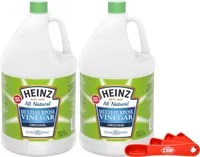
Natural vinegar and baking soda solution for grease removal
Safety Tips For Kitchen Wall Cleaning
Cleaning grease off kitchen walls can be tough on both your surfaces and your health if you’re not careful. Protecting yourself and your home should be your top priority before grabbing any cleaning solution. These safety tips will help you clean effectively while keeping accidents and damage at bay.
Wear Protective Gear
Grease cleaners often contain chemicals that can irritate your skin or eyes. Wearing gloves and goggles shields you from splashes and contact with harsh substances. Even if you use natural cleaners like vinegar or baking soda, gloves help avoid dryness or irritation from repeated scrubbing.
Ensure Proper Ventilation
Strong-smelling cleaners can fill your kitchen with fumes that make breathing uncomfortable. Open windows and doors or turn on an exhaust fan to keep fresh air flowing. This simple step helps prevent headaches, dizziness, and respiratory irritation.
Test Cleaners On A Small Area
Not all walls react the same way to cleaning agents. Before you apply a solution broadly, try it on a hidden corner to check for discoloration or damage. This small test saves you from ruining your paint or wallpaper.
Use The Right Tools
Scrubbing too hard or using abrasive tools can scratch or wear down your wall’s surface. Soft sponges or microfiber cloths provide a gentle yet effective clean. Have you ever noticed streaks or marks after cleaning? Choosing the correct tool prevents those unwanted spots.
Keep Cleaning Products Out Of Reach Of Children And Pets
Cleaning chemicals should never be left unattended where kids or pets can reach them. Store all products in a secure cabinet immediately after use. Accidental ingestion or contact can cause serious health issues.
Follow Manufacturer Instructions Carefully
Each cleaning product comes with guidelines for safe and effective use. Ignoring these instructions may result in poor cleaning results or damage. Have you ever felt frustrated because a cleaner didn’t work as expected? Reading the label often makes the difference.

Close-up of grease stains on painted kitchen wall
Frequently Asked Questions
What Household Items Remove Grease From Kitchen Walls?
Baking soda, vinegar, and dish soap effectively remove kitchen wall grease. Mix baking soda with water to create a paste. Apply it, then scrub gently. Vinegar diluted with water also cuts grease and disinfects surfaces safely.
Can Commercial Cleaners Safely Clean Kitchen Grease?
Yes, many commercial degreasers are designed for kitchen walls. Choose non-toxic, ammonia-free products for safety. Always follow label instructions and test in a small area first to avoid damage. These cleaners quickly dissolve grease and leave walls clean.
How Do I Prevent Grease Buildup On Kitchen Walls?
Regularly wipe walls with a mild soap solution after cooking. Use a splatter guard while frying to reduce grease spread. Ventilate your kitchen properly to minimize grease accumulation and maintain a cleaner environment.
Is Vinegar Effective For Greasy Kitchen Walls?
Vinegar is a natural, non-toxic degreaser. Mix equal parts vinegar and water in a spray bottle. Spray on walls and wipe with a cloth. It removes grease and kills bacteria without harsh chemicals.
Conclusion
Cleaning grease off kitchen walls can be simple. Choose the right method. Vinegar and baking soda work wonders. Dish soap and warm water are effective too. Remember safety. Test a small spot first. Always protect your hands and eyes. Consistent cleaning prevents heavy buildup.
Regular maintenance keeps your kitchen fresh. A clean kitchen is a happy kitchen. Enjoy cooking in a clean space. Keep these tips handy. Share with friends who need help. Clean walls, happy cook.
