

Are your kitchen walls looking greasy and grimy no matter how often you clean? Grease stains can be stubborn, making your kitchen feel less fresh and inviting.
How to Take Grease off Kitchen Walls. But don’t worry—removing grease from your kitchen walls is easier than you think. In this guide, you’ll discover simple, effective methods that anyone can use to restore your walls to their clean, bright state. Keep reading, and you’ll learn the tricks that will save you time and effort while making your kitchen sparkle again.
Causes Of Grease Build-up
Grease build-up on kitchen walls can be frustrating and tough to clean. Understanding what causes this greasy layer is key to preventing it from becoming a permanent eyesore. Let’s look into the main reasons behind this stubborn grime.
Common Kitchen Grease Sources
Grease in your kitchen often comes from everyday cooking activities. Frying foods releases tiny droplets of oil that float in the air and settle on nearby surfaces, including walls.
Other sources include:
- Steam from boiling oils and fats
- Spattering when cooking with butter or oil
- Smoke from grilling or sautéing
- Residue from greasy hands touching the walls
Have you noticed how cooking bacon or fried chicken leaves a noticeable film on your walls? That’s the oil particles settling and sticking over time.
Effects On Wall Surfaces
Grease build-up doesn’t just look bad; it can damage your walls. The oily film attracts dust and dirt, making walls sticky and harder to clean.
Over time, this can cause:
- Discoloration and yellowing of paint
- Peeling or bubbling of wallpaper and paint
- Unpleasant odors lingering in the kitchen
Ignoring grease can also affect your kitchen’s air quality and hygiene. Would you want guests to notice grimy walls instead of your cooking skills?
Homemade solution for cleaning greasy kitchen walls
Essential Cleaning Supplies
Removing grease from kitchen walls can feel like a tough chore, but having the right cleaning supplies makes a big difference. Using effective tools and products can save you time and effort, leaving your kitchen looking fresh and spotless. Let’s look at the essential supplies that will help you tackle greasy kitchen walls with confidence.
Household Ingredients
You might already have powerful cleaning agents right in your kitchen cabinets. Common household ingredients can break down grease without harsh chemicals.
- Baking Soda:This gentle abrasive helps scrub off stubborn grease without scratching your walls.
- White Vinegar:Its acidic nature cuts through grease and disinfects surfaces at the same time.
- Lemon Juice:The natural acidity and fresh scent make it a great addition to your cleaning mix.
- Dish Soap:Designed to cut grease on dishes, it works wonders on walls too when diluted in warm water.
Have you ever tried mixing baking soda and vinegar for cleaning? It creates a fizzy reaction that loosens grime, making it easier to wipe away. These ingredients offer an eco-friendly and budget-friendly way to fight grease buildup.
Specialized Cleaning Products
Sometimes, household ingredients aren’t enough for heavy grease. That’s when specialized cleaning products come into play. These are formulated to tackle tough kitchen messes quickly and effectively.
- Degreaser Sprays:Products like Krud Kutter or Simple Green are designed specifically to dissolve grease on various surfaces.
- All-Purpose Kitchen Cleaners:Look for ones labeled “kitchen” or “degreaser” to ensure they are safe and strong enough for grease removal.
- Magic Erasers:These sponges can lift grease stains without the need for extra chemicals.
Using these products can simplify your cleaning routine, but always check if they’re suitable for your wall’s paint or wallpaper. Have you noticed how some sprays leave a residue? Testing a small area first helps avoid surprises.
Preparation Steps
Before you dive into scrubbing grease off your kitchen walls, taking a few preparation steps can save you time and avoid extra mess. Preparing properly means protecting your space and keeping yourself safe. These simple actions set the stage for an easier and more effective cleaning process.
Protecting Surrounding Areas
Grease removal often involves water and cleaning solutions that can splash or drip. Lay down old towels or plastic sheets on the floor near the walls to catch any spills. Cover nearby appliances, countertops, and cabinets with cloths or plastic to prevent unwanted stains or damage.
Move any fragile or valuable items away from the cleaning zone. Have a bucket or container ready to hold your cleaning supplies and avoid running back and forth. Taking these small steps stops you from creating more work for yourself later.
Safety Precautions
Grease cleaners, even homemade ones, can irritate your skin or eyes. Wear rubber gloves and consider using goggles if you expect splashes. Keep windows open or fans running to ensure proper ventilation, especially if you’re using stronger chemical-based products.
Never mix different cleaning chemicals; this can cause harmful fumes. Read labels carefully and follow any instructions for safe use. You want to protect your health while making your kitchen shine.
Removing grease stains from kitchen walls with sponge
Diy Cleaning Methods
Grease buildup on kitchen walls can be stubborn and frustrating. Luckily, you don’t need harsh chemicals to tackle this common problem. Simple ingredients you likely have at home can break down grease effectively and safely.
Using these DIY cleaning methods saves money and lets you control what goes into your home environment. Plus, they work well when you apply a bit of elbow grease and patience. Ready to try some easy, natural solutions?
Using Vinegar And Baking Soda
Start by mixing equal parts white vinegar and water in a spray bottle. Spray the greasy areas and let it sit for 5-10 minutes. The vinegar cuts through grease, while the baking soda adds gentle scrubbing power.
Sprinkle baking soda directly on the wall or create a paste with water. Use a soft cloth or sponge to rub the paste in circular motions. Rinse with warm water and wipe dry to see your walls shine again.
Lemon And Salt Scrub
Cut a lemon in half and dip the cut side into coarse salt. Use the lemon to scrub the greasy spots on your kitchen walls. The natural acid in lemon breaks down grease, while salt acts as an abrasive to lift grime.
This method is especially good for small greasy patches or stubborn stains. After scrubbing, wipe the area with a damp cloth to remove any residue. Have you ever noticed how fresh lemon scent can brighten your kitchen while cleaning?
Dish Soap And Warm Water Solution
Combine a few drops of dish soap with warm water in a bucket or spray bottle. Dish soap is designed to cut through grease on your dishes, so it works well on walls too. Apply the solution with a sponge or cloth, scrubbing gently.
Rinse the wall with clean water and dry with a towel to prevent streaks. This simple solution is great for regular maintenance and light grease buildup. What’s your go-to cleaning mix for everyday kitchen messes?
Commercial Cleaners For Grease
Commercial cleaners designed specifically for grease removal can be a game-changer in your kitchen cleaning routine. These products are formulated to break down tough, baked-on grease that regular soap and water often can’t handle. Choosing the right cleaner and using it correctly will save you time and effort, leaving your kitchen walls spotless and fresh.
Selecting The Right Product
Not all commercial grease cleaners are created equal. Some are more suited for light grease, while others tackle heavy buildup. Look for products labeled as “degreasers” or “kitchen cleaners” with strong grease-cutting agents.
Consider the surface of your kitchen walls. If you have painted walls or wallpaper, choose a cleaner that is safe for those materials to avoid damage. Reading customer reviews can give you insights into a product’s effectiveness and safety.
Have you ever bought a cleaner that worked great on one surface but ruined another? This is why testing a small, hidden area first is a smart move before applying the cleaner widely.
Application Tips
Applying commercial cleaners correctly makes all the difference. Spray the product directly on greasy spots and let it sit for a few minutes to loosen the grime. Avoid scrubbing immediately, as this can spread the grease around or damage the wall.
Use a soft sponge or cloth to wipe the area gently. For stubborn grease, repeat the process rather than using excessive force. Always rinse the wall with a damp cloth to remove any cleaner residue, which can attract more dirt over time.
Have you noticed some cleaners leave a sticky film? Rinsing well prevents this and keeps your walls looking clean longer. Remember, wearing gloves protects your skin from harsh chemicals and keeps your hands soft.

Credit: www.youtube.com
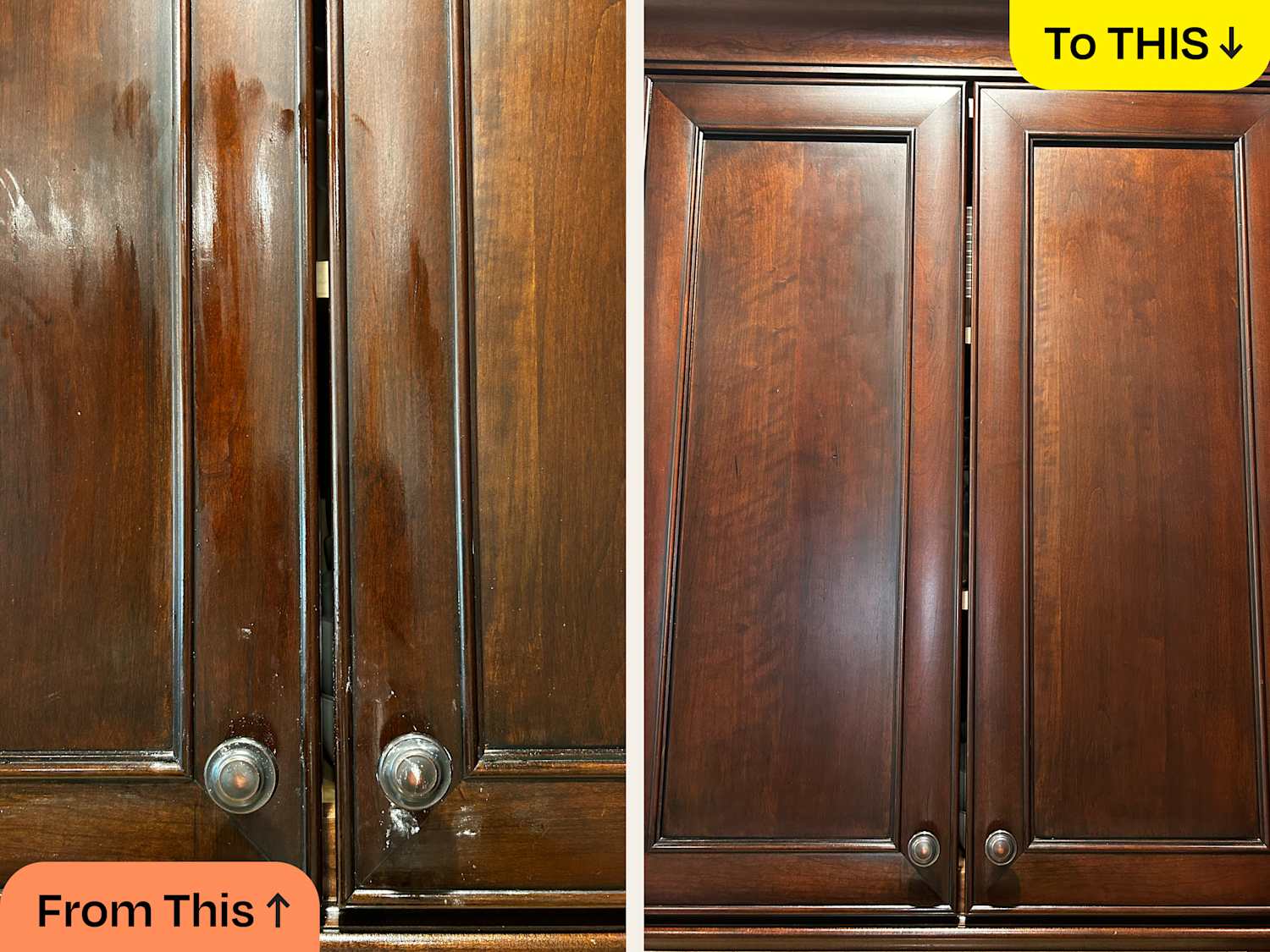
Before and after kitchen wall cleaning showing grease removal
Deep cleaning your kitchen walls to remove grease can feel like a tough job. However, with the right techniques, you can restore your walls to their clean, fresh state without harsh scrubbing or damage. Focusing on effective tools and methods makes the process faster and more satisfying.
Steam Cleaning Benefits
Steam cleaning uses hot steam to break down grease and grime without needing strong chemicals. It penetrates into tiny crevices where grease often hides, loosening buildup effectively.
You don’t have to scrub hard, which helps protect your paint or wallpaper. Plus, steam kills bacteria and removes odors, leaving your kitchen walls healthier.
Have you ever noticed how hard it is to clean the corners and edges around your stove? Steam cleaners reach these tricky spots easily, making your cleaning effort more thorough and less tiring.
Using Magic Erasers
Magic erasers are a favorite for many because they work like a gentle abrasive sponge. They lift grease stains without scratching your wall surface, which is perfect for delicate finishes.
Just dampen the eraser and rub gently on greasy spots. You’ll see the stains fade quickly with minimal effort.
One tip: test the eraser on a small hidden area first to make sure it doesn’t remove paint. This simple tool often surprises people with how well it cleans stubborn grease.
Preventing Future Grease Build-up
Stopping grease from building up on your kitchen walls saves you time and effort later. It keeps your cooking space looking fresh and hygienic. Taking a few simple steps regularly can make a huge difference in how often you need to deep clean.
Regular Cleaning Routine
Wiping down your kitchen walls after cooking is a game-changer. Use a mild detergent or a vinegar-water mix to remove fresh grease before it hardens. You don’t need to scrub hard—just a gentle wipe can prevent stubborn stains.
Set a schedule that fits your cooking habits. For example, if you cook daily, aim for a quick clean every other day. This small habit reduces buildup dramatically and keeps your kitchen smelling fresh.
Ventilation And Exhaust Fans
Good airflow is your best defense against grease sticking to walls. Using an exhaust fan or opening a window while cooking helps push grease particles out of the kitchen. This simple step reduces the amount of grease that settles on surfaces.
Check if your exhaust fan is powerful enough for your kitchen size. Clean the fan and filters regularly to keep them working efficiently. Have you noticed how much easier it is to clean your walls when the air moves well?
Dealing With Stubborn Grease Stains
Stubborn grease stains on kitchen walls can be tough to remove. These spots often build up over time, making regular cleaning less effective. Tackling these marks needs special care and the right approach to avoid damage. Patience and the right tools will help restore your walls to their clean state.
Spot Treatment Ideas
Use a mixture of warm water and dish soap for gentle cleaning. Apply with a soft cloth or sponge to avoid scratching the paint. For tougher grease, try a paste made from baking soda and water. Rub gently on the stain and wipe clean with a damp cloth. White vinegar diluted in water also cuts grease well. Spray lightly and wipe with a microfiber cloth.
Commercial degreasers work fast but test in a small area first. Avoid harsh scrubbing which can strip paint or leave marks. Repeat treatments may be needed for deep grease buildup. Always dry the area after cleaning to prevent streaks and water damage.
When To Repaint Or Refinish
Grease may leave stains that no cleaner can remove. Paint can get discolored or sticky from repeated cleaning. If stains persist or walls feel rough, repainting might be best. Use a primer designed to block grease stains before applying new paint. This stops old stains from showing through.
Refinishing walls with washable or semi-gloss paint helps prevent future buildup. It also makes cleaning easier. Consider repainting if the wall surface peels or cracks from grease damage. This restores both appearance and protection. Regular maintenance keeps your kitchen walls fresh and stain-free.
Frequently Asked Questions
How To Remove Grease From Kitchen Walls Effectively?
Use a mixture of warm water, dish soap, and vinegar. Apply with a sponge and scrub gently. Rinse with clean water and dry. This method cuts grease without damaging paint or wallpaper.
What Household Items Clean Kitchen Grease Stains Best?
Common items like baking soda, vinegar, and dish soap work well. Baking soda acts as a gentle abrasive. Vinegar breaks down grease naturally. Dish soap dissolves oily residues effectively.
Can I Use Commercial Cleaners On Greasy Kitchen Walls?
Yes, but choose non-toxic, grease-fighting cleaners safe for painted surfaces. Follow instructions carefully to avoid damage. Test in a small area first to ensure compatibility.
How Often Should I Clean Grease Off Kitchen Walls?
Clean grease buildup every 1-2 weeks to prevent stains. Regular cleaning stops grease from hardening and keeps walls fresh. Frequent maintenance is key to a spotless kitchen.
Conclusion
Grease on kitchen walls can be stubborn. But removing it is simple. Start with the right cleaning materials. Use a gentle scrubber and warm soapy water. Test a small area first to avoid damage. Baking soda works wonders on tough spots.
Regular cleaning prevents buildup. Safe for you and your walls. Consistency is key. Keep your kitchen fresh and inviting. A few minutes each week can make a difference. Enjoy a clean, comfortable cooking space. Happy cleaning!
