

Are you ready to give your kitchen a fresh new look but stuck wondering how to remove that old tile backsplash? Removing tile backsplash from your kitchen wall might seem like a tough job, but with the right steps, you can do it yourself without breaking a sweat.
Remove Tile Backsplash from Kitchen Wall. Imagine transforming your space quickly and easily, saving money, and gaining the satisfaction of a job well done. You’ll discover simple, clear instructions that make the process straightforward and even enjoyable. Let’s dive in and make your kitchen makeover stress-free and successful!
Tools And Materials Needed
Removing a tile backsplash can be a satisfying project, but having the right tools and materials makes all the difference. Without proper equipment, you risk damaging your walls or prolonging the task unnecessarily. Gathering everything beforehand saves time and frustration.
Essential Tools For Removing Tile Backsplash
- Utility Knife:Use this to score the grout lines and loosen the edges of the tiles. It helps prevent damage to the wall beneath.
- Putty Knife or Paint Scraper:These tools assist in prying tiles away gently. A wider blade offers better leverage.
- Hammer:Useful for tapping the putty knife under stubborn tiles to lift them off.
- Chisel:A flat chisel can help remove tiles stuck firmly to the wall. Be careful to angle it correctly to avoid wall damage.
- Safety Gear:Don’t skip gloves, safety goggles, and a dust mask. Removing tiles creates sharp shards and dust that can harm you.
Materials To Prepare Before Starting
- Drop Cloth or Plastic Sheeting:Protect your countertops and floors from dust and debris.
- Bucket and Sponge:You’ll need these to clean the wall after tile removal and to wipe off any residual adhesive.
- Adhesive Remover or Warm Water:Depending on your backsplash type, these can soften the glue or mortar for easier cleanup.
- Trash Bags or Containers:Have a sturdy container ready to safely dispose of tile pieces and debris.
Helpful Extras That Make The Job Easier
- Power Tools:A multi-tool with a scraper attachment can speed up removal, especially for large areas.
- Heat Gun:Applying gentle heat can soften adhesive, but be cautious not to damage walls or cabinets.
- Painter’s Tape:Use this to mark off areas or protect edges you want to keep safe during removal.
Have you ever started a DIY project only to realize you’re missing a key tool halfway through? That’s why preparing these tools and materials ahead is crucial. You’ll save yourself from multiple trips to the hardware store and keep the momentum going strong.
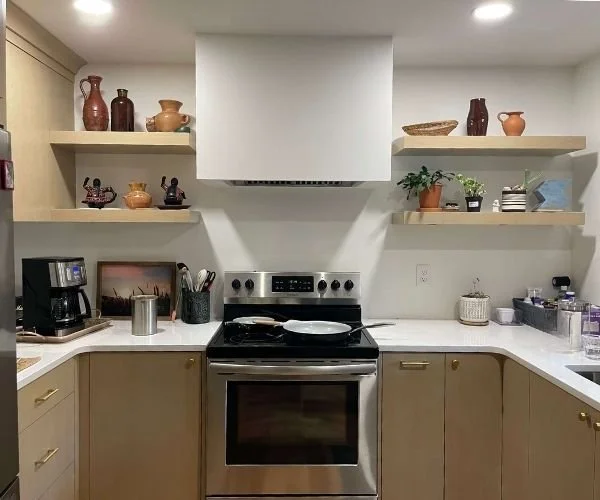
Easy DIY kitchen backsplash removal guide
Preparing The Work Area
Preparing your work area before removing a tile backsplash is crucial for a smooth and safe process. It helps protect your kitchen and makes cleanup easier. Taking time at this stage can save frustration later on.
Clear The Countertops And Remove Items
Start by completely clearing the countertops near the backsplash. Remove small appliances, dishes, and any decorative items. Leaving these items in place risks damage or unwanted dust settling on them.
Also, consider taking down any light fixtures or outlet covers attached to the backsplash area. This gives you more room to work and prevents electrical hazards.
Protect Your Kitchen Surfaces
Cover your countertops and floor with drop cloths or plastic sheeting. This simple step catches falling debris and dust. Tape the edges to keep the protective covering from shifting as you work.
Don’t forget to use painter’s tape along the edges of cabinets or walls adjacent to the backsplash. It helps prevent scratches or accidental damage while you pry off tiles.
Gather The Right Safety Gear
Removing tile backsplash can create sharp shards and dust. Protect your eyes with safety goggles and your hands with heavy-duty gloves. Wearing a dust mask will keep you from inhaling fine particles.
Consider wearing long sleeves and sturdy shoes to avoid cuts and bruises. Preparing your safety gear ahead of time means you won’t have to stop mid-task to find protection.
Turn Off Power To Nearby Outlets
Since backsplash removal often involves working around electrical outlets, switch off power at the circuit breaker. Test outlets with a voltage tester to confirm there’s no current. This small precaution prevents electric shock accidents.
Turning Off Power And Water
Before you start removing a tile backsplash, it’s crucial to turn off both the power and water to the area. This step protects you from electrical shocks and water damage, which can happen unexpectedly during demolition. Taking these precautions ensures your workspace stays safe and dry, letting you focus on the job.
Turning Off The Power
Locate your home’s electrical panel and find the breaker that controls the kitchen area. Switch it off to cut power to the backsplash zone. You can use a voltage tester to double-check that the outlets and switches near the backsplash are no longer live.
Have you ever underestimated the power running behind your walls? It’s easy to forget how many outlets and switches connect to one breaker. Taking a moment to verify the power is off saves you from serious injury.
Shutting Off The Water Supply
Next, find the water shut-off valves under the sink or near the water heater. Turn these valves clockwise until they stop to cut off the water flow. If you don’t have local shut-offs, you may need to turn off the main water supply to your home.
Water leaks can cause more damage than you expect. Even a small drip during backsplash removal can ruin cabinets and flooring. Have towels ready to catch any leftover water in the pipes when you disconnect plumbing fixtures.
Double-check Before You Start
- Use a non-contact voltage tester on all electrical outlets and switches near your backsplash.
- Turn on the faucet to confirm the water is off completely.
- Keep a flashlight handy in case you need to work in low light after shutting off power.
Have you ever jumped into a project only to realize halfway through that a crucial safety step was missed? Taking a few extra minutes now prevents costly mistakes later. Are you ready to work safely and confidently?

Tools needed to remove tile backsplash from kitchen wall
Protecting Surrounding Surfaces
Removing a tile backsplash can get messy fast. Protecting the surrounding surfaces is essential to keep your kitchen intact and save you from extra cleanup or repairs. Taking a few careful steps before you start can prevent damage to your countertops, cabinets, and walls.
Covering Countertops And Cabinets
Use heavy-duty plastic sheets or drop cloths to cover your countertops and cabinets fully. Secure the edges with painter’s tape to prevent dust and debris from slipping underneath. Thick cardboard can be a great extra layer to shield against falling tiles or tools.
Have you ever tried cleaning grout dust off a glossy countertop? It’s tedious and could leave scratches. Protecting these surfaces upfront saves you time and keeps your kitchen looking fresh.
Protecting Adjacent Walls And Fixtures
Adjacent walls often get overlooked but can suffer scratches or chips during tile removal. Apply painter’s tape along the edges where the backsplash meets the walls. For light fixtures or outlets nearby, cover them with plastic wrap and tape to avoid dust infiltration.
Think about how even a small chip can require patching and repainting. Taking a few minutes to shield these areas helps you avoid bigger headaches later.
Using Protective Gear And Tools Carefully
Wear gloves and safety glasses to protect yourself and handle tools with control to minimize accidental slips. Use a putty knife or scraper with a plastic handle rather than metal when prying tiles near delicate surfaces. This reduces the risk of gouges or dents.
Have you noticed how a simple slip can cause unexpected damage? Being mindful during removal keeps both your kitchen and your hands safe.
Removing Outlet And Switch Covers
Removing outlet and switch covers is a crucial early step before you start taking down your kitchen backsplash tiles. It clears the way and prevents damage to the electrical fittings. Plus, handling this carefully makes the whole tile removal process smoother and safer.
Gather The Right Tools
Before you touch any covers, make sure you have a screwdriver that fits the screws snugly. Most covers use a standard flathead or Phillips screwdriver. Having a small container nearby to keep the screws safe helps avoid losing them.
Turn Off The Power
Safety first! Switch off the power to the kitchen outlets and switches at your circuit breaker. Double-check by flipping the switches or using a voltage tester to ensure no electricity is flowing.
Remove The Cover Plates
Unscrew the cover plates gently. Don’t rush or use excessive force—this can crack the plastic or metal covers. If a cover is stuck, try wiggling the screwdriver a bit instead of prying it off.
Handle The Switches And Outlets Carefully
Once covers are off, the switches and outlets will be exposed but still attached to the wall. Pull them out slightly to expose the edges around the tiles. This space allows better access when chiseling or loosening tile adhesive around them.
Keep Track Of What Goes Where
Taking a quick photo or labeling wires can save headaches later. If you plan to reinstall the same outlets and switches, knowing the exact arrangement helps avoid wiring mistakes.
Have you ever faced a situation where a stubborn outlet cover got damaged just as you were about to start your project? Taking these small precautions can prevent such setbacks and keep your kitchen upgrade on track.
Loosening Grout Lines
Loosening grout lines is the first key step to removing a tile backsplash. Grout holds the tiles firmly on the wall. Breaking down the grout reduces tile damage and makes removal easier.
Start by examining grout condition and thickness. Old grout is usually brittle and cracks easily. New grout may need more effort to loosen. Use the right tools to avoid wall damage.
Tools Needed To Loosen Grout Lines
- Grout saw or grout removal tool
- Utility knife
- Small chisel or putty knife
- Protective gloves and safety glasses
How To Safely Remove Grout
Wear gloves and safety glasses for protection. Use a grout saw to carefully scrape along grout lines. Apply steady pressure to avoid slipping.
For stubborn grout, use a utility knife to score the lines. Work slowly to prevent tile edges from chipping. Use a small chisel or putty knife to lift loosened grout pieces.
Tips For Effective Grout Removal
- Work on small sections at a time
- Keep tools at a low angle to the wall
- Check grout depth before removing
- Clean debris regularly to see progress
Detaching Tiles From The Wall
Removing a tile backsplash starts with carefully detaching the tiles from the wall. This part requires patience and the right tools. Tiles can be stubborn and may damage the wall if removed roughly. Understanding how tiles are fixed helps you avoid unnecessary harm.
Start by loosening the grout around the tiles. Removing grout reduces resistance and makes it easier to lift the tiles. Use a grout saw or a rotary tool for this task. Work slowly to avoid scratching the tiles or wall.
Tools Needed For Tile Removal
- Putty knife or paint scraper
- Hammer
- Chisel or flat pry bar
- Grout saw or rotary tool
- Safety goggles and gloves
Loosening The Grout
Run the grout saw along the lines between tiles. Press lightly to avoid damage. Continue until grout is removed or deeply scored. This step creates space to pry the tiles off easily.
Carefully Prying The Tiles
Insert a putty knife or chisel under a tile edge. Tap gently with a hammer to lift the tile. Work slowly and move around the tile edges. Avoid forcing the tile to prevent wall damage.
Handling Stubborn Tiles
Some tiles stick tightly to the wall. Use a flat pry bar for extra leverage. Slide it carefully under the tile and lift gently. If tiles break, remove the pieces piece by piece. Protect yourself with safety goggles.
Removing Adhesive Residue
Removing adhesive residue is essential after taking down a tile backsplash. The sticky remains can block paint, wallpaper, or new tiles from sticking properly. Cleaning off this residue makes the wall smooth and ready for the next step.
Some adhesives are soft and come off easily. Others are tough and need more work. Using the right tools and cleaners helps remove residue without damaging the wall.
Use Warm Soapy Water To Soften Residue
Mix warm water with mild dish soap in a bucket. Dip a sponge or cloth into the solution. Rub the adhesive gently to soften it. Let the water sit on the sticky spots for a few minutes. This helps loosen the glue and makes scraping easier.
Scrape Adhesive Gently With A Plastic Scraper
Use a plastic scraper to avoid wall damage. Hold the scraper at a low angle. Push under the softened adhesive and lift it off. Work slowly and carefully. Avoid metal tools that can scratch or gouge the wall surface.
Apply Vinegar For Stubborn Glue
Pour white vinegar onto a cloth. Dab the cloth on tough adhesive spots. Let the vinegar sit for 10 minutes. The acid breaks down the glue. After soaking, scrape or wipe away the residue. Vinegar is safe and natural for most wall types.
Try Commercial Adhesive Removers
Choose a remover made for walls and tiles. Follow the product instructions carefully. Apply the remover with a cloth or brush. Let it sit for the recommended time. Wipe away the softened glue with a cloth or scraper. Test on a small area first to check for damage.
Sand The Wall For A Smooth Finish
Use fine-grit sandpaper to smooth any leftover adhesive. Sand gently in circular motions. This removes small bits and rough patches. Wipe the dust off with a damp cloth. The wall will be clean and ready for painting or new backsplash installation.
Repairing And Cleaning The Wall
After removing your tile backsplash, the wall underneath often needs a bit of attention before you can paint or add a new finish. Repairing and cleaning the wall is crucial to achieve a smooth, professional look. Taking time here prevents future problems like peeling paint or uneven surfaces.
Assessing The Damage
Start by closely examining the wall for any holes, cracks, or leftover adhesive. Sometimes the drywall paper peels off or chunks of plaster come loose during tile removal. Identify all the spots that need filling so you don’t miss anything important.
Removing Residual Adhesive
Adhesive residue can make your wall uneven and tricky to paint. Use a putty knife or scraper to gently chip away stubborn glue. If the adhesive is tough, try a mixture of warm water and mild detergent to soften it before scraping.
Filling Holes And Cracks
Use a quality spackling compound to fill holes and cracks. Apply it with a putty knife, pressing firmly to fill gaps completely. After it dries, sand the area smooth with fine-grit sandpaper to blend repairs into the wall surface.
Cleaning The Wall Surface
Dust and debris can affect paint adhesion and finish quality. Wipe the entire wall with a damp cloth or sponge to remove any dust. For greasy or grimy spots, a mild cleaner or trisodium phosphate (TSP) solution can make a big difference.
Priming For A Fresh Start
Priming seals repaired areas and ensures paint sticks properly. Choose a primer suitable for your wall type, whether drywall or plaster. A fresh coat of primer will give your new backsplash or paint job a flawless base to build on.
Disposing Of Debris Safely
Removing a tile backsplash leaves behind a pile of debris that can be sharp, heavy, and dusty. Disposing of this debris safely protects you, your home, and the environment. It also makes your cleanup process smoother and less stressful.
Wear Protective Gear During Cleanup
Always put on thick gloves to prevent cuts from broken tile edges. Safety goggles keep dust and tiny shards out of your eyes. A dust mask is essential to avoid inhaling fine particles that can irritate your lungs.
Sort Debris For Recycling And Trash
Separate large tile pieces from dust and small fragments. Some tiles can be recycled, especially ceramic or glass, so check local recycling rules. Bag the smaller debris separately to avoid puncturing trash bags and creating hazards.
Use Sturdy Containers For Heavy Debris
A cardboard box won’t hold up under heavy tile chunks. Use a plastic bin or a heavy-duty trash bag to carry the debris. This prevents spills and makes transport easier when you’re ready to dispose of it.
Check Local Disposal Regulations
Not all debris can go into regular trash. Some cities require you to drop off construction waste at special facilities. Contact your local waste management to avoid fines and ensure proper handling of materials.
Keep The Work Area Clean And Organized
Clear debris frequently instead of waiting until the end. This reduces accidents and keeps dust from spreading through your home. A tidy space helps you see progress and prevents overlooked hazards.
Tips For Preventing Damage
Removing a tile backsplash can be a tricky task, especially if you want to keep your kitchen walls intact. Damage prevention is key to saving time and money on repairs. Here are some straightforward tips to help you protect your walls and make the removal process smoother.
Use The Right Tools For The Job
Choosing the correct tools can make all the difference. A putty knife or a flat pry bar helps you gently loosen tiles without gouging the drywall.
Always avoid using excessive force; it’s better to take your time and let the tools do the work. Have a hammer handy for tapping the pry bar carefully, but keep your strikes controlled.
Protect Surrounding Areas
Cover countertops and cabinets with drop cloths or old sheets to catch falling debris. Tape plastic sheeting around the backsplash area to minimize dust spreading across your kitchen.
Protecting the edges of your countertops can prevent unwanted chips or scratches, which are costly to fix.
Score The Grout Lines First
Using a grout saw or utility knife to score along grout lines weakens the bond between tiles and wall. This makes it easier to remove tiles individually without pulling off chunks of drywall.
Have you noticed how scoring the grout reduces the effort needed? It’s a simple step that can save your wall’s surface from damage.
Start Removal From An Edge Or Loose Tile
Beginning at an edge or any loose tile lets you test how the tiles come off. This approach minimizes wall damage because you avoid prying under firmly stuck tiles right away.
It also helps you adjust your technique based on how the tiles respond, making the process safer for your wall.
Work Slowly And Steadily
Patience is crucial here. Rapid or aggressive removal often leads to cracked drywall or broken tiles, creating more mess and repair work.
Taking breaks and assessing your progress helps you maintain control and avoid mistakes that could cost you later.
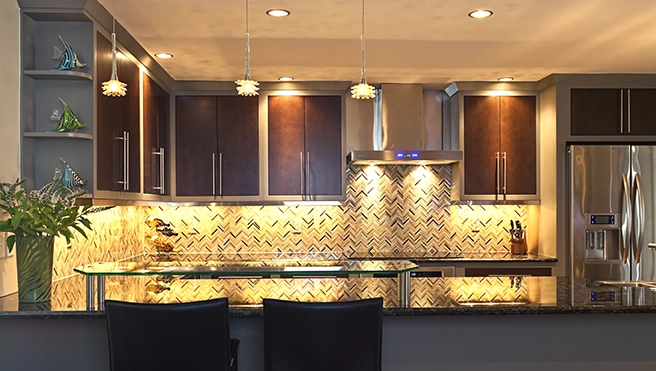
Credit: www.mrhandyman.com
Frequently Asked Questions
How Do I Safely Remove A Tile Backsplash?
Use safety goggles and gloves first. Score grout lines with a utility knife. Gently pry tiles with a putty knife or chisel to avoid wall damage.
What Tools Are Needed To Remove Tile Backsplash?
You need a utility knife, putty knife, chisel, hammer, safety goggles, gloves, and a dust mask for protection.
Can I Remove Backsplash Tiles Without Damaging Drywall?
Yes, by carefully loosening grout and prying tiles slowly. Avoid using excessive force to protect drywall beneath.
How To Clean Wall After Tile Backsplash Removal?
Remove leftover grout and adhesive with a scraper. Wipe the surface with a damp cloth and let it dry fully.
Conclusion
Removing a tile backsplash can seem challenging. But, with patience, it’s manageable. Follow safety steps to protect yourself. Use the right tools for the task. Start slowly and carefully to avoid damage. Tackle one section at a time for better control.
Dispose of tiles responsibly after removal. You will achieve a clean wall, ready for a new look. Transforming your kitchen can be rewarding. With these steps, you will succeed. Enjoy the satisfaction of a job well done. Your kitchen will thank you for the fresh change.
Happy renovating!
