

Are you ready to give your kitchen a fresh new look but don’t know where to start? Removing old wall tiles can seem like a big, messy job, but with the right steps, you can do it yourself—and save time and money.
How to Remove Kitchen Wall Tile. Imagine the satisfaction of peeling away those outdated tiles and opening up your space for a stylish makeover. In this guide, you’ll discover simple, effective methods to remove kitchen wall tiles safely and efficiently. Keep reading, and you’ll gain the confidence to tackle this project like a pro!

Kitchen wall before and after tile removal
Tools And Materials Needed
Removing kitchen wall tiles requires the right tools and materials for a smooth process. Having everything ready helps avoid delays and keeps the work safe. Below are the key items needed to get started.
Essential Tools
- Hammer – for tapping and breaking tiles.
- Chisel or putty knife – to pry tiles from the wall.
- Utility knife – to cut grout lines.
- Scraper – to remove leftover adhesive.
- Bucket and sponge – for cleaning dust and debris.
- Power drill with a scraping attachment (optional) – for tough adhesive removal.
- Drop cloth or plastic sheet – to protect floors and counters.
Safety Gear
- Safety goggles – protect eyes from flying shards.
- Dust mask – avoid inhaling dust and particles.
- Work gloves – protect hands from sharp edges.
- Long-sleeve shirt – shield arms from cuts and scrapes.
- Closed-toe shoes – protect feet from falling debris.
Preparing Your Workspace
Clear the kitchen area around the tiled wall. Remove any appliances, decorations, or items nearby. Cover counters and floors with a drop cloth or plastic sheet. Open windows or use a fan for ventilation. Keep a trash bin close for tile debris. Having a clean, organized space improves safety and efficiency.
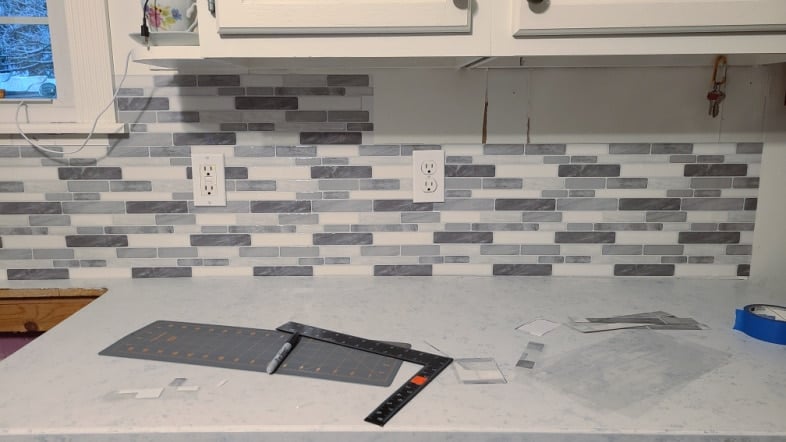
Kitchen wall before and after tile removal
Preparing The Wall
Preparing the wall before removing kitchen wall tiles is essential for a smooth process. Proper preparation helps protect your space and ensures safety. This stage sets the foundation for successful tile removal.
Clearing The Area
Remove all items from counters and shelves near the tiled wall. Clear furniture or appliances close to the work area. This creates enough space to move freely while working.
Keep the floor free of clutter to avoid accidents. A clean space reduces the risk of damage to your belongings. Use boxes or containers to store fragile items temporarily.
Protecting Surfaces
Cover countertops, cabinets, and floors with drop cloths or plastic sheets. Secure the coverings with painter’s tape to keep them in place. This prevents dust and debris from causing stains or scratches.
Wear safety goggles and gloves to protect your eyes and hands. Use a dust mask to avoid inhaling particles. Good protection keeps you safe throughout the removal process.
Turning Off Power And Water
Switch off the electricity supply to any outlets or fixtures on the tiled wall. Locate the circuit breaker and turn off the correct switch. This avoids electrical shocks during work.
Turn off the water supply if tiles cover plumbing fixtures. Shut off valves under the sink or the main water line. Prevent leaks or water damage while removing the tiles.
Removing The Tiles
Removing kitchen wall tiles requires patience and the right approach to avoid damaging your walls. This process starts with breaking down the grout and carefully prying the tiles off. If you rush or use too much force, you might harm the drywall or plaster underneath, leading to more repair work.
Loosening Grout
Grout holds the tiles firmly in place, so loosening it is your first priority. Use a grout saw or a rotary tool with a grout removal attachment to scrape out the grout lines around the tiles.
Take your time and work slowly to avoid scratching the tiles or damaging the wall beneath. Have you noticed how grout removal can sometimes reveal hidden cracks or old repairs? That’s a good time to reassess the wall’s condition before proceeding.
Prying Tiles Carefully
Once the grout is removed, gently slide a putty knife or a flat chisel under the edge of a tile. Tap it lightly with a hammer to loosen the tile without breaking it.
If you’re lucky, the tile will come off in one piece, making cleanup easier. Always protect your hands with gloves and wear safety goggles to shield your eyes from flying debris.
Handling Stubborn Tiles
Some tiles just don’t want to budge. When you encounter these stubborn tiles, try applying a heat gun or hairdryer to warm the adhesive behind them. Heat softens the glue, making it easier to pry the tile off.
If heat doesn’t work, use a stronger pry bar, but be cautious not to gouge the wall. You might need to sacrifice a few tiles to save the surface beneath. What’s your plan if the wall shows signs of damage after tile removal?

How to Remove Kitchen Wall Tile
Cleaning The Wall Surface
After removing your kitchen wall tiles, the surface beneath often looks rough and uneven. Cleaning the wall is essential before you move on to painting or installing new tiles. Paying attention to every detail now saves you time and frustration later.
Removing Adhesive Residue
Adhesive residue can be stubborn and sticky, making your wall look messy. Use a putty knife or scraper to gently peel off large chunks without damaging the drywall or plaster. For smaller or stubborn spots, apply a mixture of warm water and mild detergent, then scrub with a sponge.
If the glue is especially tough, try a commercial adhesive remover, but test it on a small patch first. You don’t want to end up with discoloration or damage. Have you noticed how much easier the next steps become once that sticky mess is gone?
Sanding And Smoothing
Once the adhesive is off, sanding the wall evens out any rough patches or leftover glue bits. Use medium-grit sandpaper to start, then switch to fine-grit for a smooth finish. Sanding by hand around delicate spots prevents accidental gouges.
Wear a mask to avoid inhaling dust, and wipe down the wall with a damp cloth after sanding. You’ll be amazed at how much cleaner and flatter the surface feels. Have you considered how a smooth wall helps paint or new tile adhesive stick better?
Checking For Damage
Look closely for cracks, holes, or dents that might have appeared during tile removal. Small imperfections can be fixed with spackle or joint compound—apply, let dry, then sand smooth. Larger damage may require patching or professional help.
Don’t skip this step; missing hidden flaws can cause problems later. Ask yourself: Is the wall truly ready for the next step, or does it need a bit more care? Taking time here ensures your new kitchen wall looks perfect and lasts longer.
Repairing And Preparing For New Tiles
After removing your old kitchen wall tiles, the surface rarely looks perfect. You’ll often find holes, cracks, or uneven spots that need attention before laying new tiles. Repairing and preparing your wall properly ensures that the new tiles will stick well and look flawless for years to come.
Filling Holes And Cracks
Start by inspecting the wall closely for any holes or cracks left behind. Use a quality spackling compound or patching plaster to fill these imperfections. Apply the filler with a putty knife, pressing it firmly into each hole to avoid air pockets.
Once dry, sand the patched areas smooth. This step prevents bumps that could affect tile adhesion. You might be surprised how much a few small cracks can disrupt the final look if left unattended.
Priming The Wall
Priming creates a surface the tile adhesive can grip securely. Choose a primer designed for your wall type, whether drywall, plaster, or cement board. Apply it evenly with a brush or roller and let it dry fully before moving on.
Skipping this step often leads to tiles loosening over time. A strong primer can save you from future repairs and frustrations. Have you ever peeled off a tile only to find the wall crumbling underneath? Proper priming helps avoid that scenario.
Ensuring A Level Surface
Run a level over your wall to spot any uneven areas. Tiles require a flat surface to prevent cracking and misalignment. If you find bumps or dips, use a skim coat of joint compound to even them out.
After applying the compound, sand the wall smooth and check again with your level. This extra effort means your tiles will lay straight and last longer. It’s tempting to rush here, but ask yourself: would you want to redo tiles because the base wasn’t right?
Tips For A Flawless Finish
Achieving a flawless finish when removing kitchen wall tiles requires more than just brute force. It’s about precision, patience, and a careful approach to protect your walls and ensure the next step in your renovation looks great. Here are some practical tips to help you get the best results without unnecessary damage or frustration.
Working Methodically
Start by dividing the wall into manageable sections. Tackle one small area at a time to keep your work organized and controlled.
Use the right tools for each stage— a putty knife or scraper for loosening tiles, and a hammer for gentle taps. Keep your movements steady and avoid rushing to prevent cracking the drywall underneath.
Have a clear plan of action before you begin. Think about where you will dispose of the tiles and how you’ll clean the surface afterward. This keeps your workspace safe and efficient.
Maintaining Safety
Always wear protective gear like goggles and gloves to shield yourself from flying shards and sharp edges. Tiles can break unpredictably, so don’t skip this step.
Ensure proper ventilation, especially if you use chemical adhesive removers. Your health is more important than cutting corners.
Consider laying down a drop cloth to catch debris and protect your floors. This small step saves time on cleanup and keeps your kitchen safe from damage.
Avoiding Common Mistakes
Don’t force tiles off with excessive pressure. This often damages the wall beneath, leading to costly repairs.
Resist the urge to remove grout first unless you have the right tools. Sometimes, prying tiles with grout intact can result in less mess and easier removal.
Check for hidden electrical wires or plumbing behind tiles before you start. Accidentally damaging these can cause serious problems and expenses.
Have you ever started a project only to realize you’re missing a crucial tool or step? Preparing your workspace and tools thoroughly saves you from that frustration and helps you finish with a smooth, clean wall ready for your next design move.
Frequently Asked Questions
How Do I Safely Remove Kitchen Wall Tiles?
Wear safety goggles and gloves before starting. Use a hammer and chisel to gently pry off tiles. Work slowly to avoid damaging the wall underneath and reduce dust.
What Tools Are Needed To Remove Kitchen Wall Tiles?
You need a hammer, chisel or putty knife, safety goggles, gloves, and a dust mask. Optional tools include a heat gun or power scraper for easier tile removal.
Can I Remove Kitchen Tiles Without Damaging The Wall?
Yes, by working carefully and using the right tools. Start at grout lines and gently pry tiles off to minimize wall damage. Be patient to keep the surface intact.
How Do I Clean The Wall After Tile Removal?
Remove leftover adhesive with a scraper or sanding block. Clean dust and debris with a damp cloth. Allow the wall to dry completely before any new installation.
Conclusion
Removing kitchen wall tiles is easier with the right steps. Start by gathering your tools. Protect your workspace and yourself. Carefully chip away tiles with a chisel. Take your time to avoid damage. Clean the area once tiles are removed.
Safety is important, so wear goggles and gloves. With patience and care, you can achieve a fresh new look. Remember, practice makes perfect. So, keep at it and enjoy your newly refreshed kitchen space.

Sophia Martinez is a culinary lifestyle writer and product reviewer for DiningGadgets.com. Passionate about blending style with functionality, she explores the latest dining essentials, kitchen décor, and cleaning hacks that transform everyday cooking spaces. With a background in home organization and design, Sophia brings readers expert advice on creating beautiful, practical kitchens that truly feel like the heart of the home.