

Are you ready to give your kitchen a fresh, stylish look without hiring a professional? Learning how to do kitchen wall tiles yourself can save you money and add a personal touch to your space.
Imagine the satisfaction of stepping into a kitchen that reflects your taste, with walls that are both beautiful and easy to clean. In this guide, you’ll discover simple, step-by-step instructions to tile your kitchen walls like a pro. Whether you’re a beginner or just need a little confidence boost, you’ll find tips that make the process clear and manageable.
How to Do Kitchen Wall Tiles. Keep reading, and soon you’ll be transforming your kitchen into the heart of your home
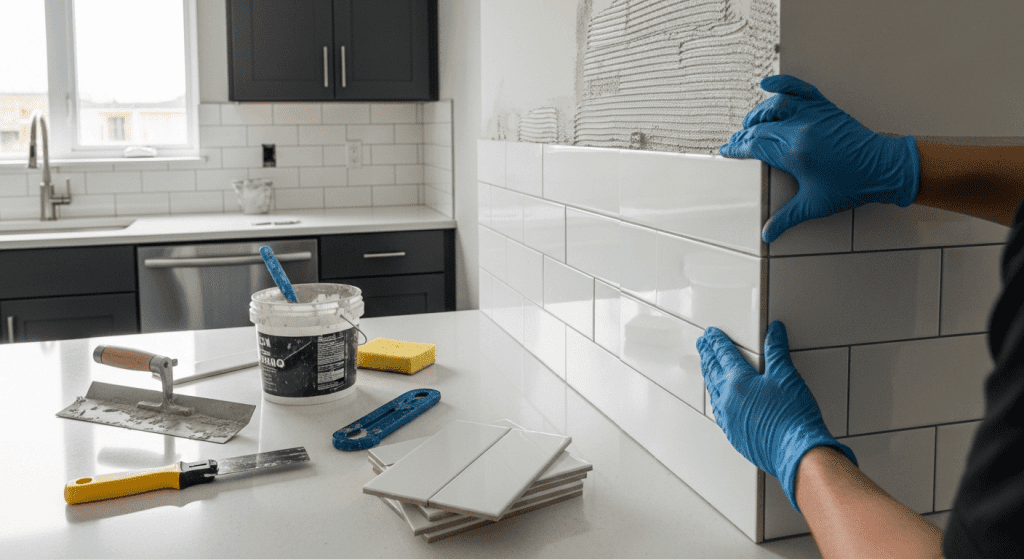
Fresh white subway tiles fitted on a kitchen wall
Choosing The Right Tiles
Choosing the right tiles for your kitchen walls sets the tone for the entire space. The right selection not only boosts your kitchen’s style but also adds functionality and ease of maintenance. You want tiles that fit your lifestyle, match your decor, and hold up to kitchen wear and tear.
Types Of Kitchen Wall Tiles
Kitchen wall tiles come in many materials, each with unique benefits. Ceramic tiles are popular because they’re durable and easy to clean. Porcelain tiles offer extra strength and water resistance, perfect for busy kitchens.
Glass tiles add a glossy, modern look and reflect light beautifully, but they can be more fragile. Natural stone tiles like marble or slate bring a rich texture but may need sealing to prevent stains. Think about how much cleaning and upkeep you’re ready for when picking your tile type.
Tile Size And Shape Options
Tile size influences the kitchen’s feel and how complex the installation will be. Larger tiles create a sleek, spacious look and reduce grout lines, which means less scrubbing for you. Smaller tiles or mosaics allow for creative patterns but require more time to install and maintain.
Shapes like classic squares, elongated rectangles (subway tiles), or even hexagons can dramatically change your kitchen’s character. Are you aiming for a traditional look or something more contemporary? Mix and match sizes and shapes for a personalized touch.
Color And Pattern Selection
Color sets the mood of your kitchen. Light colors can make the room feel bigger and brighter, while darker tones add warmth and coziness. Consider your countertop and cabinet colors to find tiles that complement or boldly contrast.
Patterns, whether subtle textures or bold prints, add personality. Stripes, geometric shapes, or floral motifs can make your backsplash a focal point. What feeling do you want your kitchen to evoke every time you walk in?
Preparing The Kitchen Wall
Preparing the kitchen wall is a crucial part of tiling. It ensures the tiles stick well and last longer. Proper preparation avoids future problems like peeling or cracking. This process involves cleaning, measuring, and having the right tools ready. Each step helps create a smooth surface for the tiles.
Cleaning And Repairing Surfaces
Start by removing any dirt, grease, or old wallpaper from the wall. Use a mild detergent and warm water for cleaning. Let the wall dry completely before moving on. Check for holes, cracks, or uneven areas. Fill these with a suitable filler and smooth them out. Sand the surface gently to make it even. A clean, smooth wall helps tiles stick better.
Measuring And Marking Walls
Measure the wall height and width using a tape measure. Mark the center point on the wall for tile alignment. Use a level tool to draw straight horizontal and vertical lines. These lines act as guides for placing the tiles evenly. Double-check measurements to avoid mistakes. Accurate marking saves time and ensures a neat finish.
Gathering Necessary Tools
Collect all tools before starting. Common tools include:
- Tile adhesive
- Notched trowel
- Tile cutter or wet saw
- Spirit level
- Measuring tape
- Pencil for marking
- Grout and grout float
- Sponges and buckets
- Rubber mallet
Having tools ready keeps the work smooth and fast. Check tool condition for safety and efficiency.
Planning The Tile Layout
Planning your kitchen wall tile layout carefully can save you a lot of time and frustration. It helps you visualize the final look and ensures the tiles fit perfectly without awkward cuts or gaps. Taking the time to plan also allows you to create a design that truly enhances your kitchen’s style.
Creating A Tile Pattern
Start by deciding on the tile pattern you want. Popular choices include straight lay, diagonal, herringbone, and brick patterns. Each pattern changes the vibe of your kitchen, so think about what matches your space and personality.
Consider how the pattern will interact with your kitchen elements like cabinets and countertops. A straight lay pattern is simple and clean, while a herringbone adds a dynamic touch. Ask yourself if you want the tiles to be the main feature or a subtle backdrop.
Finding The Center Point
Finding the center point on your wall ensures your tile layout looks balanced and symmetrical. Measure the width and height of the wall, then mark the exact middle. This point will be your starting place to avoid uneven edges at the ends.
Working from the center helps avoid small, awkward tile cuts near the corners. It also makes the overall design feel more intentional and polished. Have you ever noticed how uneven tiles distract your eyes? This step prevents that from happening.
Dry Laying Tiles For Preview
Before applying any adhesive, lay out a row of tiles along the center line without fixing them. This “dry run” lets you see how your pattern fits and spot any tiles that need trimming. It’s a simple way to avoid mistakes that can be costly and time-consuming.
Move the tiles around to check spacing and alignment. Use tile spacers to maintain consistent gaps for grout. This practice gave me confidence during my own kitchen tiling project and helped me catch a few surprises early on.
Applying Adhesive And Setting Tiles
Applying adhesive and setting tiles are key steps in tiling kitchen walls. Proper adhesive use ensures tiles stick well and last long. Setting tiles straight and even creates a neat, professional look.
Choosing The Right Adhesive
Select adhesive based on tile type and wall surface. Use thin-set mortar for ceramic or porcelain tiles. For glass or natural stone tiles, use a special adhesive made for those materials. Check if the adhesive is suitable for wet areas like kitchens. Always read the product label for instructions and drying time.
Spreading Adhesive Evenly
Prepare the wall by cleaning and drying it. Use a notched trowel to spread adhesive on the wall. Hold the trowel at a 45-degree angle for even grooves. Work in small sections to prevent the adhesive from drying too fast. Avoid applying too much adhesive; a thin, even layer is best.
Placing And Aligning Tiles
Start placing tiles from the bottom center of the wall. Press each tile firmly into the adhesive. Use tile spacers to keep even gaps between tiles. Check alignment often with a level or straight edge. Adjust tiles quickly before the adhesive sets. Continue until the whole wall is covered.
Cutting Tiles To Fit
Cutting tiles to fit is a key part of tiling a kitchen wall. Tiles often need trimming to fit corners, edges, and around fixtures. Precise cuts ensure a neat, professional look. This section explains how to cut tiles safely and accurately.
Using A Tile Cutter
A tile cutter is a simple tool for straight cuts. Place the tile on the cutter base. Score the tile surface with the cutter wheel. Apply gentle pressure to snap the tile along the score line.
This tool works best for ceramic and porcelain tiles. It creates clean, straight edges quickly. Always wear safety glasses to protect your eyes from small shards.
Measuring Cuts Accurately
Measure the tile and wall space carefully before cutting. Use a pencil or marker to mark the cut line on the tile. Double-check measurements to avoid mistakes.
- Measure twice, cut once
- Use a ruler or tape measure
- Mark the tile clearly
Accurate measurements save time and reduce tile waste.
Handling Complex Shapes
Some cuts need curves or irregular shapes around pipes and switches. Use a tile nipper or a wet saw for these shapes. Score the tile first and then carefully trim small sections.
Take your time. Test fit tiles often during cutting. Complex cuts need patience for a perfect fit.

DIY step-by-step kitchen wall tile installation
Grouting And Finishing
Grouting and finishing are crucial steps in your kitchen wall tiling project. This phase not only secures the tiles but also adds to the overall aesthetic. Paying close attention here ensures your tiles look professional and last longer.
Selecting Grout Color
Your choice of grout color can dramatically change the look of your kitchen walls. Do you want the grout to blend in or stand out? Light grout can brighten up the space, while darker grout hides stains better.
Consider the tile color and kitchen style before making a decision. I once chose a contrasting grout to highlight a patterned tile, and it made the entire backsplash pop. Don’t be afraid to test samples on a spare tile first.
Applying Grout Smoothly
Applying grout evenly takes practice but yields great results. Use a rubber float to spread grout diagonally across the tile joints. This technique helps fill gaps completely without dragging grout out.
Work in small sections to prevent grout from drying before you finish. Press firmly but avoid overfilling the joints. Ask yourself: Are you maintaining a consistent pressure to avoid gaps or lumps?
Cleaning Excess Grout
Removing extra grout promptly is key to a clean finish. Wait about 15-30 minutes after applying grout, then use a damp sponge to wipe the tile surfaces gently. Rinse the sponge often to avoid smearing grout back onto tiles.
Be careful not to remove grout from the joints themselves. After the grout fully cures, a final polish with a dry cloth will bring out the tile’s shine. Have you noticed how clean lines make even simple tiles look elegant?
Sealing And Maintenance
Sealing and maintenance protect your kitchen wall tiles from damage and stains. Proper care keeps tiles looking fresh and new for years. This process prevents water, dirt, and grease from soaking into the grout and tiles. Regular attention extends the life of your kitchen walls and maintains their shine.
When To Seal Tiles And Grout
Seal tiles and grout soon after installation. Wait 48 to 72 hours for grout to dry fully before sealing. Use a high-quality sealer made for kitchen tiles. Reapply sealer every one to two years to keep protection strong. Check grout for signs of wear or discoloration as a sign to reseal.
Cleaning Tips For Longevity
- Use a soft cloth or sponge for daily cleaning.
- Choose a mild detergent or tile cleaner without harsh chemicals.
- Wipe spills quickly to avoid stains.
- Avoid abrasive scrubbers that can scratch tiles.
- Rinse surfaces with clean water after cleaning.
- Dry tiles with a soft towel to prevent water marks.
Repairing Damaged Tiles
Small chips or cracks can worsen if ignored. Remove damaged tiles carefully using a chisel and hammer. Clean the area and apply fresh adhesive before placing a new tile. Match grout color to keep repairs less visible. For larger damage, consider hiring a professional for best results.

Applying adhesive while doing kitchen wall tiles
Frequently Asked Questions
What Materials Do I Need For Kitchen Wall Tiling?
You need tiles, adhesive, grout, spacers, a tile cutter, a trowel, a level, and a sponge. Proper preparation tools ensure smooth installation and a professional finish.
How Do I Prepare The Kitchen Wall For Tiles?
Clean the wall thoroughly, remove grease and dust, and repair any holes or cracks. A smooth, dry surface is essential for tile adhesion.
What Is The Best Tile Adhesive For Kitchen Walls?
Use a high-quality, water-resistant adhesive designed for kitchen environments. It ensures strong bonding and durability against heat and moisture.
How Do I Ensure Kitchen Tiles Are Level And Aligned?
Use a spirit level and tile spacers to maintain even spacing and alignment. Consistent checking prevents uneven tiles and gaps.
Conclusion
Tiling your kitchen walls can transform the space beautifully. Follow these simple steps. Choose the right tiles and tools. Measure the area carefully. Plan your design before starting. Apply adhesive evenly for a strong hold. Place each tile with care.
Ensure consistent spacing between tiles. Use a level for alignment. Allow tiles to set before grouting. Wipe tiles clean after grouting. Enjoy your new kitchen look! This DIY project saves money and adds personal touch. Remember, patience and precision lead to great results.
Now, you can enjoy your refreshed kitchen with pride!

Sophia Martinez is a culinary lifestyle writer and product reviewer for DiningGadgets.com. Passionate about blending style with functionality, she explores the latest dining essentials, kitchen décor, and cleaning hacks that transform everyday cooking spaces. With a background in home organization and design, Sophia brings readers expert advice on creating beautiful, practical kitchens that truly feel like the heart of the home.