

Your kitchen walls take a beating every day—from splashes of sauce to greasy fingerprints. But what if you want to clean them without damaging the paint you worked hard to choose?
How to Clean Kitchen Walls Without Removing Paint .You might worry about scrubbing too hard or using the wrong cleaner and ending up with chipped or faded paint. The good news is, you don’t have to repaint to get your walls looking fresh again. You’ll discover simple, effective ways to clean your kitchen walls gently and safely.
Keep reading, and you’ll learn how to bring back that clean, bright feeling without any hassle or costly touch-ups.
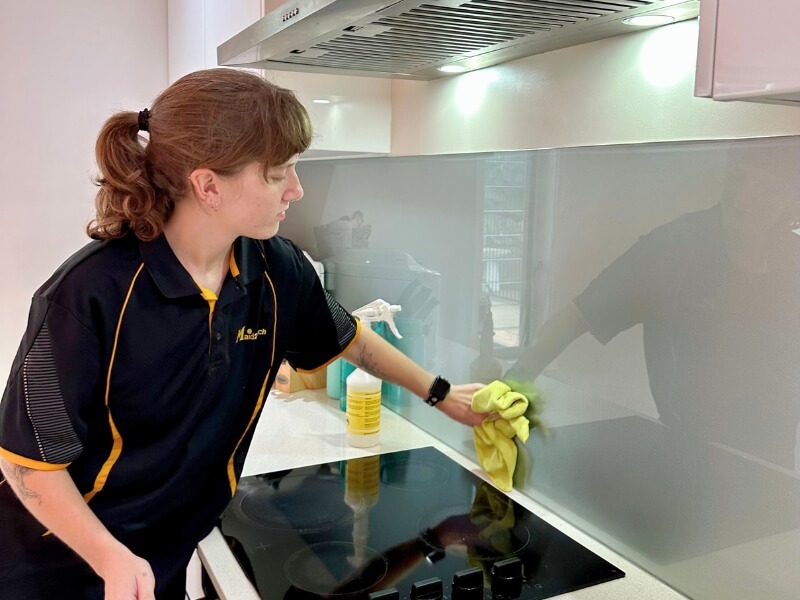
Woman cleaning painted kitchen wall with gentle sponge
Assess Wall Condition
Assessing the condition of your kitchen walls is important before cleaning. This step helps protect the paint and avoid damage. Careful inspection reveals what cleaning methods are safe and effective.
Check the walls for any cracks, peeling paint, or rough areas. These issues need gentle care. Knowing the wall’s condition guides the choice of cleaning products and tools.
Check Paint Type
Identify the type of paint on your kitchen walls. Common types include latex, oil-based, and enamel. Each reacts differently to cleaning solutions. Use a mild cleaner for latex paint to avoid stripping it.
Oil-based paints tolerate stronger cleaners but still require caution. Enamel paints are durable but can show scratches from abrasive materials. Testing a small hidden area helps confirm paint type and cleaning safety.
Identify Stains And Spots
Look closely at the wall for stains or spots. Common kitchen stains include grease, food splatters, and water marks. Different stains need different cleaning approaches. Grease requires degreasers, while water marks may need gentle wiping.
Note the size and location of stains. Larger or older stains might need repeated cleaning or special products. Mark these areas for focused attention during cleaning to save time and effort.
Gather Cleaning Supplies
Before you start scrubbing your kitchen walls, gathering the right cleaning supplies is essential. Using the appropriate materials helps protect your paint while effectively removing dirt and grease. Let’s break down the key supplies you’ll need to make your cleaning process smooth and safe.
Mild Detergents And Soaps
Choose detergents that are gentle but effective. Mild dish soaps or gentle all-purpose cleaners work best because they won’t strip or damage your paint. Harsh chemicals might seem tempting for tough stains, but they can cause discoloration or peeling over time.
Think about the last time you used a strong cleaner on a painted surface—did it leave marks or dull the finish? Opting for a mild soap ensures your walls stay fresh without risking damage.
Soft Cloths And Sponges
Pick soft cloths or non-abrasive sponges to avoid scratching your walls. Microfiber cloths are excellent because they trap dirt without harsh rubbing. Avoid rough scrubbers that can wear down your paint’s surface.
Have you noticed how abrasive materials leave streaks or patches? Using gentle cleaning tools lets you wipe away grime while preserving the wall’s look.
Buckets And Warm Water
Fill buckets with warm water to mix your detergent solution. Warm water helps dissolve grease and dirt more effectively than cold water. Make sure you have enough water to rinse your cloths or sponges frequently, preventing dirt from spreading back onto the walls.
Do you usually rinse your cleaning cloth often? It’s a small step that can make a big difference in achieving a spotless finish.
Prepare Cleaning Solution
Preparing the right cleaning solution helps protect your kitchen walls and paint. Using gentle ingredients avoids damage while removing dirt and grease. Choose a mild cleaner that suits painted surfaces well.
Mixing Mild Soap And Water
Start with warm water in a bucket or bowl. Add a few drops of mild dish soap. Stir gently until the soap dissolves. This mix works well on most painted walls. It removes stains without stripping paint. Test the solution on a small hidden spot first. Use a soft cloth or sponge to apply the solution. Wipe gently to clean the surface.
Alternative Natural Cleaners
Natural cleaners offer a safe way to clean walls. Mix equal parts white vinegar and water in a spray bottle. Vinegar cuts grease and grime effectively. Baking soda also helps with tough spots. Make a paste with baking soda and water. Apply the paste with a soft cloth and rub gently. Always test natural cleaners on a small area first. These options keep paint intact and fresh.
Test A Small Area
Before you dive into cleaning your kitchen walls, testing a small area is crucial. This simple step protects your paint and saves you from unwanted damage. It’s like a quick experiment that tells you if your cleaning method is safe to use on the entire wall.
Apply Solution Gently
Use a soft cloth or sponge to dab your cleaning solution lightly on a hidden spot, like behind a cabinet or near the corner. Avoid scrubbing hard at this stage; gentle application helps you see how the paint reacts without risking peeling or fading.
Wait a few minutes after applying the solution. This pause lets you observe any immediate changes in color or texture. If you notice bubbling or color loss, stop right there and try a milder cleaner or a different approach.
Check For Paint Damage
After the solution dries, inspect the test area closely under good light. Look for signs like discoloration, peeling, or softness in the paint layer. If the paint looks intact, you can proceed confidently with cleaning the rest of the wall.
Have you ever skipped this step and regretted it? Taking the time to test ensures your efforts don’t end up causing more harm than good. It’s a small task that protects your kitchen’s look and your work investment.
Clean The Walls
Cleaning kitchen walls without removing paint requires gentle care. Dirt, grease, and stains build up quickly in kitchens. Cleaning helps keep walls fresh and extends paint life.
Use the right tools and techniques to avoid damage. Focus on soft cleaning and proper drying for the best results.
Use Soft Cloth Or Sponge
Choose a soft cloth or sponge for cleaning. Rough materials can scratch paint and cause damage. Dampen the cloth or sponge with warm water and mild soap. Gently wipe the wall in small sections. Change cloths often to avoid spreading dirt.
Avoid Excessive Scrubbing
Scrubbing too hard can peel or fade paint. Use light pressure to remove stains. For tough spots, let the soap sit for a few minutes before wiping. Be patient and gentle to protect the paint finish.
Rinse And Dry Properly
After cleaning, rinse walls with a clean damp cloth. This removes soap residue that can attract dirt later. Dry the walls immediately using a soft towel or microfiber cloth. Proper drying prevents water marks and helps paint last longer.

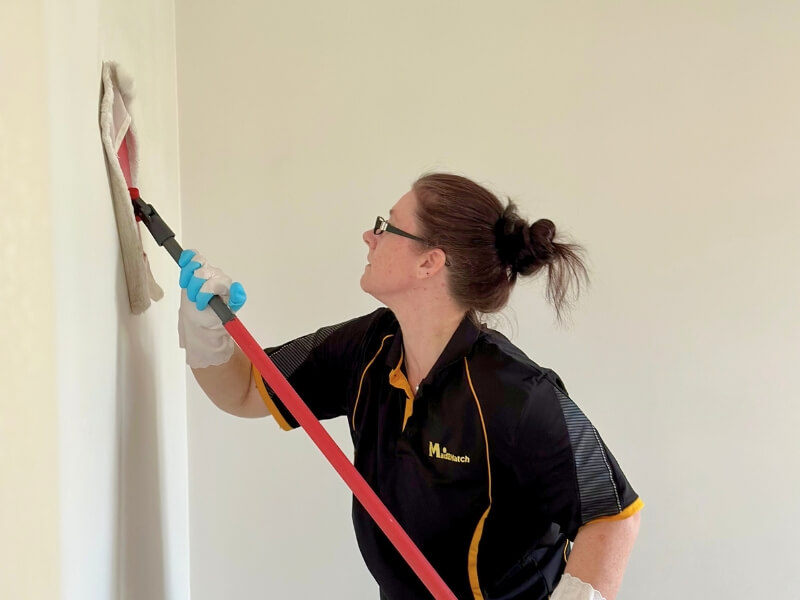
Kitchen wall being cleaned safely without stripping paint
Handle Tough Stains
Tough stains on kitchen walls can be stubborn and frustrating, especially when you want to keep your paint intact. These marks often come from grease splatters, food spills, or even smoke residue. The key is to use gentle yet effective cleaning methods that lift the stains without stripping the paint.
Baking Soda Paste Method
Baking soda is a mild abrasive that can scrub away tough stains without damaging your paint. Mix baking soda with a little water to create a thick paste. Apply this paste to the stained area and gently rub with a soft cloth or sponge in circular motions.
Let the paste sit for about 10 minutes before wiping it off with a damp cloth. This method is especially good for greasy spots and can refresh your walls without harsh chemicals. Have you tried baking soda on your walls yet? It might surprise you how effective it is.
Vinegar Solutions
White vinegar is a natural cleaner that breaks down grime and grease. Mix equal parts of white vinegar and water in a spray bottle. Spray the solution on the stained wall and let it sit for a few minutes.
Use a soft cloth or sponge to wipe the area clean. Vinegar works well on food stains and sticky residues. Just be sure to test it on a small, hidden spot first to ensure it doesn’t affect your paint’s color or finish.
Commercial Cleaners Safe For Paint
There are several commercial wall cleaners designed specifically to be safe on painted surfaces. Look for products labeled “safe for painted walls” or “non-abrasive.” These cleaners often come in spray or wipe form, making them easy to use on tough stains.
Follow the instructions carefully and always do a patch test before applying on a larger area. Using the right commercial cleaner can save you time and effort while protecting your paint job. Have you found a favorite cleaner that works wonders on your kitchen walls?
Prevent Future Stains
Keeping your kitchen walls spotless without stripping paint can feel like a challenge, especially if you want to avoid future stains. Prevention is key to maintaining that fresh look and saving time on cleaning. Simple habits and protective measures can make a big difference in how often you need to deep clean.
Regular Dusting
Dust might seem harmless, but it easily mixes with kitchen grease and turns into stubborn stains. Make it a habit to dust your kitchen walls weekly using a soft cloth or a microfiber duster. This small effort prevents buildup and keeps your walls looking clean and bright.
Think about the last time you ignored dust for a few weeks—did the walls feel dull or sticky? Keeping dust at bay means you avoid that grimy feel altogether.
Use Of Wall Protectors
Wall protectors are simple tools that shield your walls from splashes, spills, and heat marks. You can install clear adhesive panels or decorative splash guards behind your stove and sink areas. These are easy to wipe clean and save your paint from damage.
Wall protectors come in various styles and sizes, so you can choose one that fits your kitchen’s look. Have you checked if your cooking area could use this kind of shield yet?
Proper Ventilation
Cooking releases steam, grease, and odors that settle on walls, causing stains over time. Using a range hood or opening windows during and after cooking reduces moisture and airborne particles. This simple action helps keep your walls dry and less prone to staining.
Consider how much ventilation your kitchen currently has. Could improving airflow stop stains before they start? Proper ventilation is a powerful step in protecting your paint and walls.
DIY natural solution for cleaning kitchen walls
Frequently Asked Questions
How Can I Clean Kitchen Walls Without Damaging Paint?
Use a gentle cleaner like mild soap and water. Avoid abrasive scrubbers to protect the paint. Test a small area first to ensure no damage occurs.
What Household Items Are Safe For Cleaning Painted Walls?
Mix dish soap with warm water for a safe solution. Use a soft sponge or cloth to wipe walls gently. Avoid bleach or harsh chemicals that can strip paint.
How Often Should Kitchen Walls Be Cleaned To Maintain Paint?
Clean kitchen walls every 1-2 months to prevent grease buildup. Frequent wiping reduces staining and keeps paint looking fresh. Adjust frequency based on cooking habits and wall condition.
Can Vinegar Be Used To Clean Painted Kitchen Walls?
Yes, dilute white vinegar with water for an effective cleaner. It removes grease and grime without harming paint. Always rinse with water afterward to avoid residue.
Conclusion
Cleaning kitchen walls without removing paint is simple. Start with mild soap and water. Scrub gently using a soft cloth. Avoid harsh cleaners. They can damage paint. Rinse with clean water. Pat dry with a towel. Regular cleaning keeps walls fresh.
Tackle stains quickly. Test cleaners on a small area first. This prevents unwanted damage. Follow these steps. Enjoy clean, vibrant walls every day. A little effort goes a long way in maintaining your kitchen’s charm. Now, keep your kitchen walls looking great.
Happy cleaning!
