

Are you thinking about giving your kitchen a fresh new look? One of the easiest and most affordable ways to do that is by painting your kitchen walls.
How Much Does It Cost to Paint Kitchen Walls. But before you grab a brush, you probably want to know: how much will it actually cost? Understanding the price can help you plan your budget and avoid surprises. You’ll find clear answers about the costs involved, from materials to labor, and tips on how to save money without sacrificing quality.
Keep reading to discover everything you need to know to make your kitchen makeover both beautiful and budget-friendly.
Factors Affecting Kitchen Paint Costs
Several factors influence the total cost to paint kitchen walls. Understanding these helps plan your budget better. Prices vary based on your kitchen’s size, paint choice, and labor needs. Each factor affects the final price in a different way.
Wall Size And Surface Condition
The size of your kitchen walls directly impacts paint costs. Larger walls need more paint and time. Surface condition matters too. Rough or damaged walls require extra prep work. This can include sanding, filling holes, or cleaning. Such prep increases the overall cost.
Type Of Paint And Finish
Paint quality affects both price and durability. Higher quality paints cost more but last longer. Different finishes also vary in price. Common finishes include:
- Matte
- Eggshell
- Satin
- Semi-gloss
- Gloss
Semi-gloss and gloss finishes often cost more but offer better moisture resistance. Choose paint type and finish based on kitchen use and budget.
Labor Vs. Diy Painting
Hiring a professional painter increases the cost. Pros bring experience and speed. They often provide all necessary tools. Doing the job yourself saves money but takes more time. DIY might need extra supplies and learning time. Factor in your skill level and available time before deciding.
Additional Materials And Supplies
Painting needs more than just paint. You may need:
- Primer
- Painter’s tape
- Drop cloths
- Brushes and rollers
- Sandpaper
These supplies add to the cost. Some rooms may require special primers or sealants. Plan for these extras to avoid surprises in your budget.
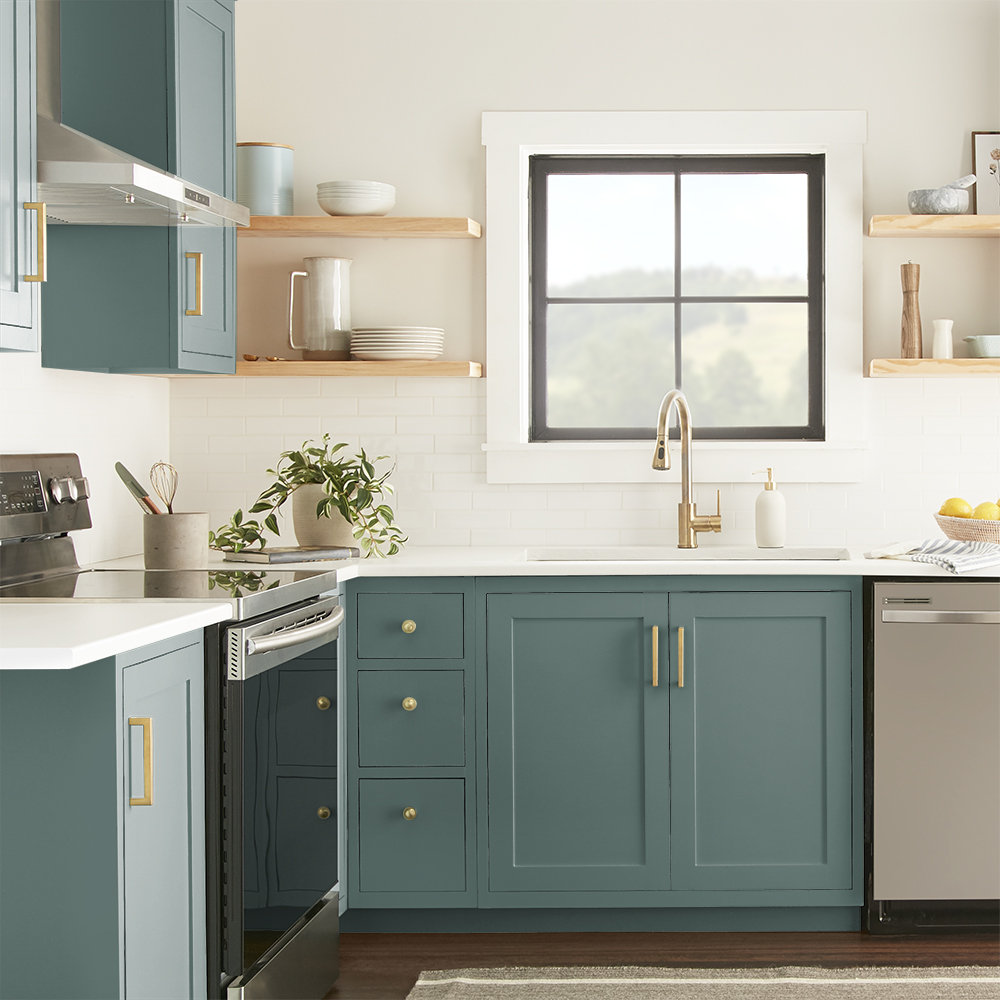 "How Much Does It Cost to Paint Kitchen Walls: Ultimate Budget Guide 1")
Before and after kitchen wall painting transformation
Average Cost Breakdown
Understanding the average cost breakdown helps plan your kitchen painting project better. Costs vary based on materials, labor, and the condition of your walls. Knowing each part’s price helps avoid surprises and stay within budget.
Cost Of Paint Per Gallon
Paint prices depend on quality and brand. Basic paint costs around $15 to $30 per gallon. Premium paints with special finishes can cost $40 or more. Kitchens need durable, washable paint, which may increase the price slightly.
Primer And Preparation Expenses
Primer improves paint adhesion and covers stains. A gallon of primer costs about $10 to $25. Preparation includes cleaning and sanding walls. These steps ensure smooth and lasting results but add to the total cost.
Labor Charges For Professionals
Hiring painters usually costs between $20 and $50 per hour. The total labor cost depends on kitchen size and wall condition. Professionals work faster and deliver a neat finish, justifying their fees.
Extra Costs For Repairs And Cleaning
Fixing holes, cracks, or water damage raises expenses. Small repairs may cost $50 to $150. Cleaning greasy kitchen walls before painting can add $30 to $100. These tasks help paint last longer and look better.
Budgeting Tips For Painting Kitchen Walls
Painting your kitchen walls can transform the space without breaking the bank. Careful budgeting helps you avoid unexpected expenses while still achieving a fresh, vibrant look. Let’s explore practical tips that can keep your painting project affordable and efficient.
Choosing Cost-effective Paint Options
Not all paint costs the same, and choosing the right one can save you a lot. Look for paints that offer good coverage with fewer coats—this reduces the amount you buy and the time you spend painting.
Consider brands that balance quality and price. Sometimes, store-brand paints or those on sale perform just as well as premium options. Don’t forget to check for washable and durable finishes, especially for kitchens where walls face grease and moisture.
Reducing Labor Costs With Diy
Hiring a professional can quickly increase your painting budget. If you have basic painting skills, doing it yourself can cut labor costs significantly.
Break the work into manageable sessions so it doesn’t feel overwhelming. You’ll not only save money but gain a sense of accomplishment once your kitchen looks refreshed. What tools do you already own that could help you tackle this project?
Timing Your Project For Discounts
Paint and supplies often go on sale during certain times of the year. Planning your kitchen painting during these sales can reduce your material costs.
Stores may offer discounts during holidays or seasonal clearances. Signing up for newsletters or loyalty programs can alert you to these deals. Can you wait a few weeks to buy paint and get a better price?
Estimating Accurate Material Quantities
Buying too much paint wastes money, while buying too little means extra trips and costs. Measure your kitchen walls carefully before purchasing supplies.
Use online calculators or ask store experts to estimate how much paint and primer you need. Remember to account for multiple coats and any repairs needed before painting. Getting this right helps you stick to your budget without sacrificing quality.
Comparing Professional Vs. Diy Painting
Deciding between hiring a professional painter or painting your kitchen walls yourself impacts cost, time, and results. Both choices have benefits and drawbacks. Understanding these factors helps you pick the right option for your budget and skill level.
Pros And Cons Of Hiring Experts
- Pros:Experts bring experience and speed. They use quality tools and materials. The finish usually looks smooth and even. They clean up after the job.
- Cons:Hiring pros costs more upfront. Scheduling might delay your project. Less control over the exact process or timing.
Skills And Tools Needed For Diy
DIY painting requires some basic skills. You need to prepare surfaces well by cleaning and sanding. Applying painter’s tape helps protect edges. Using brushes, rollers, and trays correctly matters.
Essential tools include:
- Paintbrushes and rollers
- Drop cloths
- Painter’s tape
- Sandpaper
- Primer and paint
Time Investment Considerations
Painting takes time, especially for beginners. Prep work can take hours. Applying multiple coats means waiting for drying. Professionals finish faster due to experience and equipment.
DIY may take days or weekends. Professionals often complete in a day or two. Consider your availability before deciding.
Quality And Longevity Differences
Professionals deliver a polished, lasting finish. They know how to fix surface flaws. Their paint job resists peeling and fading longer.
DIY results vary by skill. Mistakes like uneven coats or missed spots happen. Poor prep can reduce paint durability. A careful DIY job still may not match pro quality.
Cost-saving Alternatives And Hacks
Painting your kitchen walls doesn’t have to drain your budget. There are smart ways to cut costs without sacrificing style or quality. Let’s look at some practical hacks that can help you save money while giving your kitchen a fresh look.
Using Paint Samples And Test Patches
Before buying a full gallon of paint, try using paint samples to test colors on your walls. This helps avoid costly mistakes if the color doesn’t look right in your kitchen’s lighting. You can purchase small sample pots or even use tester cards from the store.
Testing patches also lets you see how many coats you’ll need, which can affect how much paint you actually have to buy. Have you ever bought a color only to realize it looked completely different once on your walls? Samples can save you from that frustration and expense.
Opting For Accent Walls
Instead of painting all four walls, consider painting just one accent wall. This reduces the amount of paint you need and adds a stylish focal point to your kitchen. Choosing a bold or contrasting color for one wall can make a big impact without the full cost of painting the entire room.
Think about where you want to draw attention. A splash of color behind open shelves or near the dining area can refresh your kitchen’s vibe without extra expense. What wall in your kitchen could handle a pop of color?
Repainting Over Existing Colors
If your kitchen walls are already painted, you might save money by painting over the existing color rather than priming or prepping extensively. Sometimes, one good coat over the current paint is enough to brighten your space. This cuts down both paint and labor costs.
Make sure the current paint is clean and in good condition. If you pick a color that’s similar or slightly darker, you’ll get better coverage with fewer coats. Have you checked your walls lately to see if a simple refresh could do the trick?
Shopping Sales And Bulk Discounts
Keep an eye out for paint sales, especially during holiday weekends or seasonal clearances. Many stores offer discounts that can significantly reduce your total cost. Buying in bulk or larger containers can also lower the price per gallon.
Consider teaming up with neighbors or friends to split a large paint purchase. This way, you get the discount without wasting unused paint. Do you have a local community board or group where you could find someone to share a paint order with?
Common Mistakes That Increase Painting Costs
Painting kitchen walls can be affordable if done right. Certain mistakes often cause costs to rise unexpectedly. Avoiding these errors saves money and time.
Poor Surface Preparation
Skipping cleaning or sanding makes paint peel or bubble. Uneven surfaces need extra paint and repairs later. Proper preparation ensures smooth walls and lasting results.
Choosing The Wrong Paint Type
Using paint not made for kitchens leads to damage from heat and moisture. Low-quality paint may require multiple coats. Choose paint with mold resistance and easy cleaning features.
Underestimating Material Needs
Buying too little paint or supplies causes extra trips to the store. This increases costs and delays work. Measure walls carefully and purchase more than needed to avoid shortages.
Delaying Necessary Repairs
Ignoring cracks, holes, or water damage before painting leads to peeling and stains. Repairing walls first prevents future repainting. Address repairs early for a better finish and lower expenses.
Estimating Your Kitchen Painting Budget
Estimating your kitchen painting budget helps avoid surprises during the project. A clear plan saves money and time. Breaking down costs makes the process simple and straightforward.
Measuring Your Kitchen Walls
Measure the length and height of each wall. Multiply length by height to get wall area. Subtract windows and doors from total area. Write down the final square footage for accuracy.
Calculating Paint Requirements
Check paint coverage on the can label. Most paints cover about 350 square feet per gallon. Divide total wall area by coverage to find gallons needed. Add 10-15% extra paint for touch-ups and mistakes.
Requesting Quotes From Contractors
Contact several painters for price estimates. Share wall measurements and paint type preference. Ask about labor, materials, and cleanup costs. Compare quotes to find the best value for your budget.
Planning For Unexpected Expenses
Set aside extra money for surprises like wall repairs or extra coats. Small issues can increase costs quickly. Budgeting an extra 10-20% helps keep your project on track.
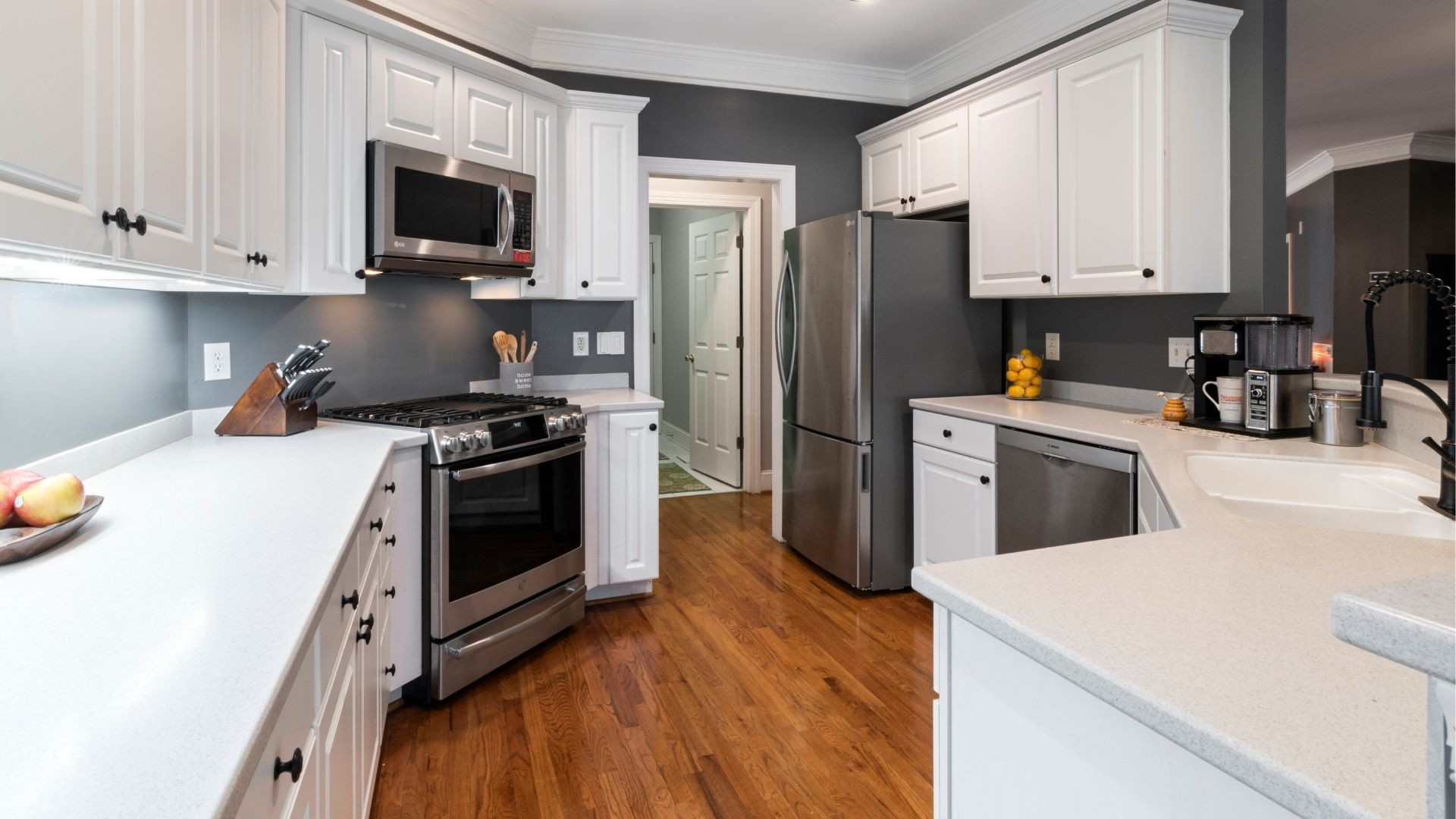
Freshly painted white kitchen wall on a budget
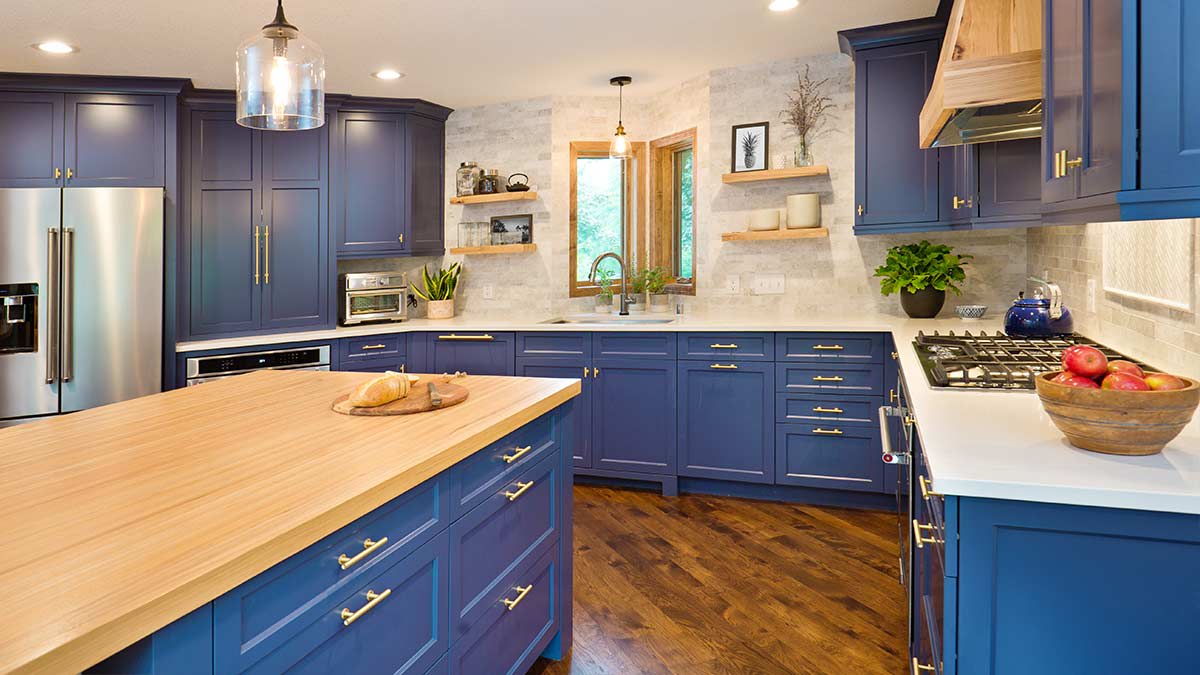
DIY kitchen wall painting with roller and tray
Frequently Asked Questions
How Much Does Painting Kitchen Walls Usually Cost?
Painting kitchen walls typically costs between $200 and $600. Prices vary based on wall size, paint type, and labor fees. Higher quality paint and professional services can increase the overall cost. DIY projects can reduce expenses significantly.
What Factors Influence Kitchen Wall Painting Costs?
Cost depends on wall size, paint quality, surface prep, and labor rates. Additional factors include paint finish, number of coats, and repair needs. Complex designs or textured walls also raise the price.
Can I Paint Kitchen Walls Myself To Save Money?
Yes, DIY painting saves money on labor costs. However, proper prep and quality tools are essential. Mistakes can increase expenses if repainting is needed later.
How Long Does Painting Kitchen Walls Take?
Painting kitchen walls usually takes 1 to 3 days. Time depends on wall size, prep work, and drying times. Professional painters often finish faster than DIY efforts.
Conclusion
Painting kitchen walls doesn’t have to be expensive. Costs vary. Size, paint type, and labor influence the price. Doing it yourself saves money. Hiring professionals ensures quality. Always plan your budget carefully. Compare prices from different sources. High-quality paint lasts longer.
Choose colors that brighten your kitchen. A fresh coat of paint can transform your space. Make sure to prepare the walls well. Consider all factors for a successful project. With careful planning, your kitchen can look new. Enjoy a fresh, vibrant cooking space.
Happy painting!
