How to Tile a Kitchen Wall: Easy Steps for a Stunning Upgrade
Are you ready to transform your kitchen without spending a fortune? Tiling your kitchen wall is one of the smartest ways to add style and value to your home.
But if you’re unsure where to start, don’t worry—you’re in the right place. In this guide, you’ll learn simple, step-by-step tips that make tiling easy and even fun. By the end, you’ll have the confidence to tackle the job yourself and enjoy a fresh, beautiful kitchen look that lasts.
Keep reading to discover how you can turn your vision into reality with just a few tools and some handy know-how.
Choosing The Right Tiles
How to Tile a Kitchen Wall. Choosing the right tiles for your kitchen wall can make a huge difference in both the look and functionality of the space. Tiles not only protect your walls from splashes and stains but also set the tone for your kitchen’s style. Think about what fits your daily needs and complements your kitchen’s overall vibe before making a decision.
Types Of Kitchen Wall Tiles
There are several types of tiles you can choose from, each with unique benefits. Ceramic tiles are popular because they are affordable and easy to clean. Porcelain tiles, being denser and less porous, offer extra durability, making them great for busy kitchens.
Glass tiles add a modern, reflective surface that brightens the room. Natural stone tiles, like marble or slate, bring texture and luxury but require more maintenance. Consider how much time you want to spend cleaning and how much wear and tear your kitchen faces daily when picking a type.
Tile Sizes And Patterns
Tile size affects both the look and the installation process. Larger tiles create a sleek, minimal look with fewer grout lines, making cleaning easier. Smaller tiles, like mosaics, can add intricate detail and interest but may mean more grout to maintain.
Patterns can change the entire mood of your kitchen wall. Simple grid patterns offer a clean and classic feel. Herringbone or subway tile patterns add dynamic movement and a contemporary edge. What kind of visual impact do you want when you walk into your kitchen?
Selecting Colors And Finishes
Color choice will influence your kitchen’s atmosphere and perceived size. Lighter tiles make the space feel open and airy, while darker tiles add warmth and drama. You might want to match tile colors with your cabinets, countertops, or even appliances.
Finishes range from matte to glossy. Glossy tiles reflect light, making your kitchen appear brighter, but they also show smudges more easily. Matte finishes hide fingerprints and smudges but might make the space feel more muted. Think about your kitchen’s lighting and how much maintenance you’re willing to handle.

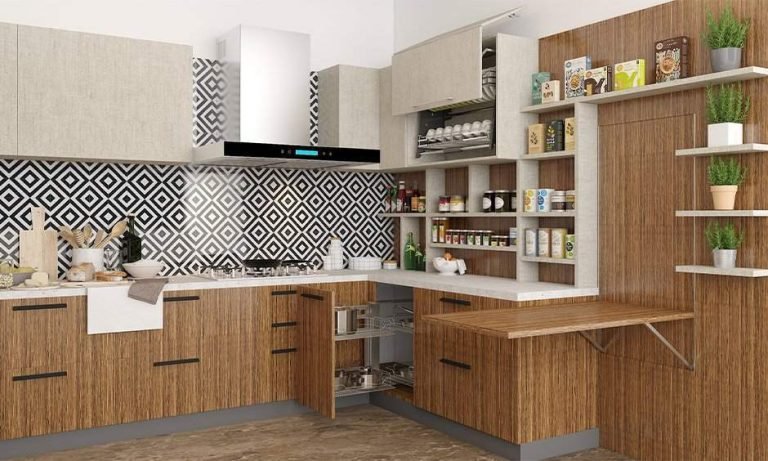
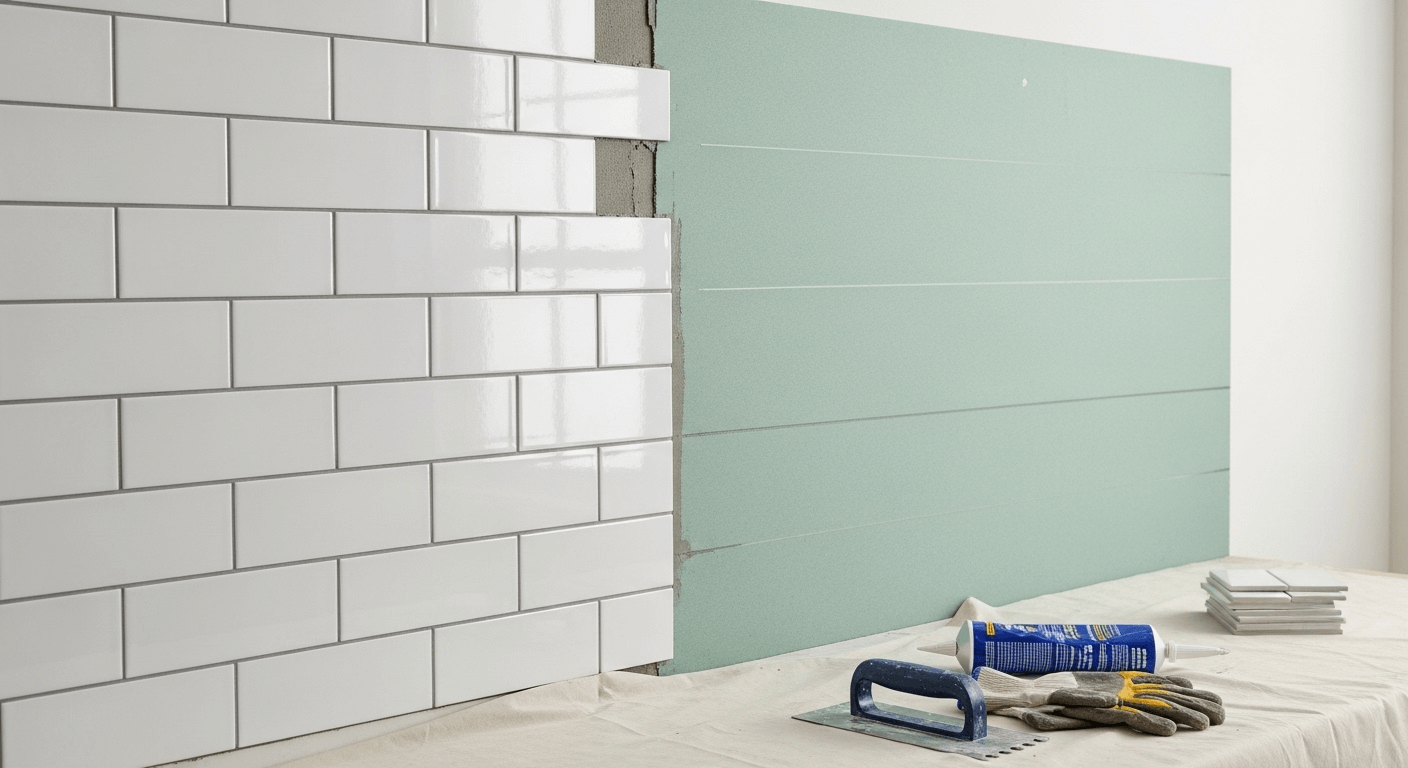
Kitchen wall with newly installed ceramic tiles
Gathering Tools And Materials
Before you start tiling your kitchen wall, gathering the right tools and materials is crucial. Having everything on hand saves time and prevents frustrating interruptions. It also ensures your tile installation goes smoothly and looks professional.
Essential Tools For Tiling
Using the right tools makes tiling easier and helps you achieve clean, precise results. Some tools are must-haves, even if you think you can manage without them.
- Tile Cutter or Wet Saw:Cuts tiles to fit around edges and corners. A wet saw is best for ceramic or porcelain tiles.
- Notched Trowel:Spreads adhesive evenly on the wall. Choose a size that matches your tile size.
- Level:Keeps tiles perfectly straight. A laser level can save you time and effort.
- Tile Spacers:Ensure consistent gaps between tiles for grout lines.
- Rubber Grout Float:Helps you spread grout smoothly between tiles.
- Measuring Tape and Pencil:For accurate measurements and marking cuts.
- Bucket and Sponge:For cleaning excess grout and adhesive.
Have you ever tried tiling without a tile cutter? It’s frustrating and often ruins tiles. Investing in the right tools makes a big difference.
Materials Needed For Installation
Choosing the right materials is as important as the tools. The quality and compatibility of your materials affect the durability of your kitchen wall tiles.
- Tiles:Select tiles that fit your kitchen style and are suitable for wall use.
- Tile Adhesive or Thinset Mortar:Bonds tiles securely to the wall. Check that it’s compatible with your tile type.
- Grout:Fills gaps between tiles and seals the installation. Consider color options that complement your tiles.
- Primer or Sealer:Prepares the wall surface to improve adhesion and protect against moisture.
- Backing Board (Optional):Provides a stable surface for tiling, especially if your wall isn’t smooth or moisture-resistant.
Think about your kitchen’s moisture levels and cleaning habits before choosing grout and adhesive. These small choices impact how your tiled wall looks and lasts over time.
Preparing The Wall
Preparing the wall is a crucial step before tiling a kitchen wall. A clean and smooth surface helps tiles stick better and last longer. This stage involves removing dirt, fixing any damage, and planning the tile layout carefully. Taking time here ensures a neat, professional finish.
Cleaning And Repairing Surface
Start by wiping down the wall to remove grease and dust. Use warm soapy water and a sponge for best results. Let the wall dry completely before moving on.
Check the wall for cracks, holes, or loose paint. Fill small holes with spackle or filler and smooth it out. For larger damage, use a patch or replace sections if needed. Sand the repaired areas gently to create an even surface.
Remove any wallpaper or flaking paint. A smooth base is essential for tile adhesion. Avoid uneven spots that can cause tiles to crack or fall off.
Measuring And Marking Layout
Measure the width and height of the wall to know how many tiles you need. Calculate extra tiles for cuts and breakage.
Mark a level horizontal line across the wall using a spirit level. This line acts as a guide for the first row of tiles. Start from the center or a corner, depending on your design.
Use a pencil to mark where each tile will go. Check spacing for grout lines and keep marks light to avoid showing through grout.
Plan tile placement around outlets and switches. Measure carefully and mark cuts before starting to tile.
Applying Adhesive
Applying adhesive is a crucial step in tiling a kitchen wall. It ensures the tiles stick firmly and stay in place for a long time. Using the right adhesive and applying it evenly can prevent tiles from falling or cracking.
Choosing The Right Adhesive
Select adhesive based on tile type and wall surface. For ceramic or porcelain tiles, a powdered thin-set mortar works well. Ready-mixed adhesive suits smaller tiles and smoother walls. Check if the adhesive is water-resistant for kitchen use. Always pick an adhesive that matches tile weight and size.
Techniques For Even Application
Spread the adhesive using a notched trowel. Hold it at a 45-degree angle to create uniform ridges. These ridges help the tile stick better and allow air to escape. Work on small sections to keep the adhesive fresh. Avoid applying too much adhesive to prevent mess and uneven tiles.
Laying The Tiles
Laying tiles on your kitchen wall can transform the entire space, but it requires precision and patience. The right approach ensures your tiles look professional and last for years. Let’s focus on how to start and keep everything aligned perfectly as you work through the wall.
Starting Point And Alignment
Choosing the right starting point is crucial. Begin at the center of your wall or above your countertop where it’s most visible. This helps create a balanced look and avoids awkward small tile cuts at edges.
Use a level and a pencil to mark a straight horizontal line. This line acts as a guide to keep your first row perfectly straight. Remember, if your first row is off, the entire wall will look crooked.
Cutting Tiles To Fit
Not every tile will fit perfectly around corners, outlets, or edges. You’ll need to cut tiles to size. Use a tile cutter or a wet saw for clean cuts and safety.
Measure twice before cutting to avoid wasting tiles. If you’re new to cutting tiles, practice on a spare one first. It’s easier to fix mistakes on a test piece than on your wall.
Using Spacers For Consistency
Tile spacers are small but powerful tools. They keep the gaps between tiles even and consistent. This uniform spacing allows for clean grout lines and a polished look.
Insert spacers at every corner between tiles as you go. Removing them before the grout dries will save you time and hassle. Have you ever noticed uneven grout lines? Spacers prevent that problem right from the start.
Grouting The Tiles
Grouting the tiles is the stage where your kitchen wall really starts to take shape. It fills the gaps between tiles, securing them and giving your wall a polished look. Done right, grouting not only enhances the aesthetics but also protects your tiles from moisture and dirt.
Selecting Grout Color
Choosing the right grout color can change the entire appearance of your tiled wall. If you want your tiles to stand out, pick a grout color that contrasts with the tiles. For example, dark grout with white tiles creates a striking, modern look.
If you prefer a seamless, uniform look, match the grout color to the tiles. This approach works well with patterned or colorful tiles, as it doesn’t distract from their design. Have you considered how grout color affects the perception of space in your kitchen?
Applying And Cleaning Grout
Start by mixing the grout to a smooth, peanut butter-like consistency. Use a rubber float to apply grout at a 45-degree angle, pressing it firmly into the spaces between tiles. Don’t rush—thorough filling prevents future cracking or gaps.
After applying, wait about 10-15 minutes, then use a damp sponge to gently wipe excess grout off the tile surface. Rinse the sponge frequently to avoid smearing grout. I found that cleaning too early or too hard can pull grout from between tiles, so be patient and gentle.
Once the grout is dry but before it hardens completely, buff the tiles with a dry cloth to remove any haze. This final step reveals the clean, vibrant finish of your kitchen wall. Have you tried this balance of timing when cleaning grout? It makes a big difference.
Sealing And Finishing
Sealing and finishing your tiled kitchen wall is essential to protect your hard work and keep your kitchen looking great for years. Proper sealing prevents water damage, stains, and grime buildup, making cleaning much easier. Finishing touches add that professional, polished look to your kitchen space.
When And How To Seal
You should seal your tiles and grout after the adhesive and grout have completely dried, usually 48 to 72 hours later. Sealing too early can trap moisture, leading to mold or mildew problems.
Choose a penetrating sealer for grout lines to repel water and stains without altering the tile’s appearance. Use a small brush or applicator to carefully apply the sealer, focusing on grout lines and porous tiles.
Allow the sealer to soak in for about 5 to 10 minutes, then wipe off excess with a clean cloth. Repeat the sealing process if necessary, especially on grout, to ensure long-lasting protection.
Final Touches For A Polished Look
After sealing, check for any grout smudges on the tile surfaces and clean them gently with a damp sponge. This step sharpens the edges and makes the tiles stand out cleanly.
Consider adding silicone caulk around edges where the tile meets countertops, cabinets, or corners to prevent water seepage. Use a caulking gun and smooth the bead with a wet finger or tool for a neat finish.
Take a moment to step back and inspect your work under good lighting. Does everything look smooth and even? Small touch-ups now save you from headaches later.

How to Tile a Kitchen Wall: Easy Steps for a Stunning Upgrade
Maintenance Tips
Maintaining your kitchen wall tiles is key to keeping them looking fresh and lasting longer. Regular care prevents buildup and damage that can ruin the neat look you worked hard to achieve. Let’s dive into simple ways you can keep your tiled wall spotless and strong.
Cleaning Your Tiled Wall
Cleaning tiles doesn’t have to be a chore. Use a soft sponge or cloth with warm water and mild dish soap to wipe the surface gently. Avoid abrasive scrubbers that can scratch the tiles or wear down grout lines.
If you notice stubborn stains, try a mixture of baking soda and water as a gentle cleaner. Apply it to the stain, let it sit for a few minutes, then scrub lightly with a soft brush. This method worked wonders for me when grease splattered near the stove—no harsh chemicals, just simple ingredients from my pantry.
Remember to rinse the wall thoroughly after cleaning to remove any soap residue. Dry the surface with a microfiber cloth to prevent water spots and streaks. How often you clean depends on your cooking habits, but a quick wipe down once a week keeps grime at bay.
Preventing Damage And Stains
Protect your tiles by addressing potential issues before they happen. Seal grout lines every six months to a year, especially in areas exposed to moisture. Sealing creates a barrier that stops water and stains from penetrating the grout.
Be mindful when moving kitchen utensils or appliances near the tiled wall. Avoid banging or scraping the tiles to prevent chips or cracks. If a tile does get damaged, replace it promptly to stop the problem from spreading or worsening.
Consider installing a splash guard or using a backsplash protector behind areas prone to splashes, such as the sink and stove. This small addition can save you from frequent deep cleanings and keep your tiles looking new longer.

How to Tile a Kitchen Wall: Easy Steps for a Stunning Upgrade
Frequently Asked Questions
How Do I Prepare A Kitchen Wall For Tiling?
Clean the wall surface thoroughly and remove any grease or dust. Repair holes and sand uneven areas. Apply a primer or adhesive suitable for your tile type to ensure proper bonding.
What Tools Are Essential For Tiling A Kitchen Wall?
You need a tile cutter, notched trowel, level, spacers, grout float, sponge, and measuring tape. These tools help in cutting, placing, and finishing tiles accurately.
How Long Should Tile Adhesive Set Before Grouting?
Typically, tile adhesive needs 24 hours to fully set. Avoid disturbing the tiles during this time to ensure strong adhesion and prevent tile movement.
Can I Tile Over Existing Kitchen Wall Tiles?
Yes, if the existing tiles are in good condition and firmly attached. Clean the surface and use a suitable adhesive for tiling over tiles to ensure good grip.
Conclusion
Tiling your kitchen wall can be a rewarding project. With patience and the right tools, you can create a beautiful space. Start by planning your design and gathering materials. Follow each step carefully for the best results. Don’t rush; take your time to ensure precision.
Clean grout lines enhance the final look. Regular maintenance will keep tiles looking fresh. Enjoy your new, stylish kitchen wall. Remember, practice makes perfect, so don’t worry if it’s not flawless. With experience, your skills will improve. Happy tiling!