

Are you ready to give your kitchen a fresh, stylish look without spending a fortune? Retiling your kitchen wall is one of the best ways to transform your space quickly and easily.
Whether you want to fix outdated tiles or add a modern touch, this guide will walk you through every step. You don’t need to be a pro—just a little patience and the right tips. Keep reading, and you’ll discover how simple it can be to achieve a stunning kitchen wall that will impress everyone who walks in.
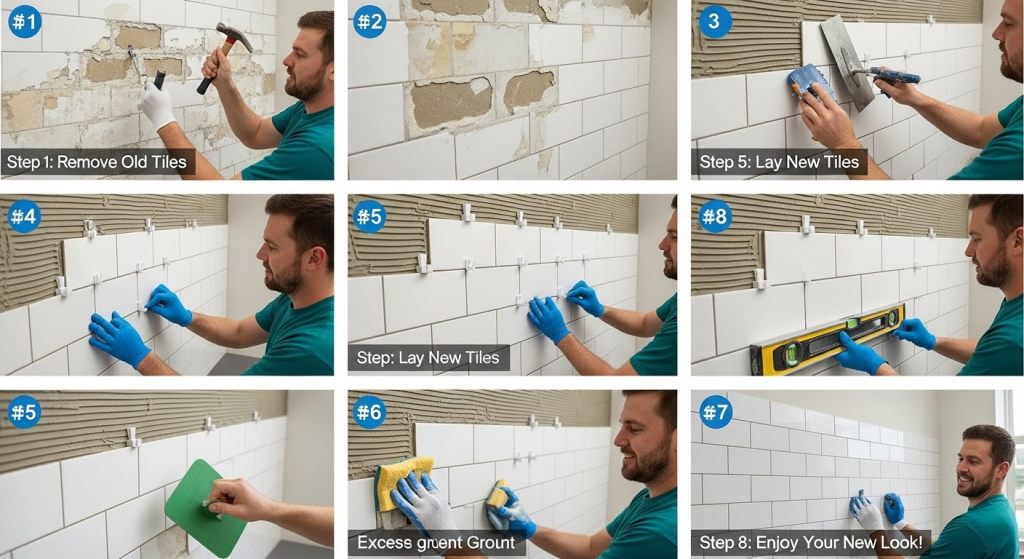
Image: How to Retile a Kitchen Wall Easy Steps for Stunning Makeover
Prepare The Wall
Preparing the wall is a crucial part of retiling your kitchen. It sets the stage for a smooth and long-lasting tile installation. Skipping or rushing this step can lead to tiles that peel off or look uneven, which no one wants after all the effort put in.
Remove Old Tiles And Adhesive
Start by carefully removing the existing tiles. Use a chisel and hammer to gently pry them off without damaging the wall underneath. Patience is key here; rushing can cause unnecessary wall damage.
After the tiles are off, scrape away the old adhesive. This might take some elbow grease, but a clean surface ensures your new tiles stick properly.
Clean And Smooth The Surface
Once the wall is free of old tiles and adhesive, clean it thoroughly. Dust, grease, and debris can prevent tile adhesive from bonding well. Wipe the wall with a damp cloth and let it dry completely before moving on.
If the surface feels rough or uneven, sand it down to create a smooth base. A smooth surface helps your new tiles sit evenly and look professional.
Repair Any Damages
Look closely for cracks, holes, or dents on the wall. Small imperfections can cause tiles to crack or loosen over time. Fill these areas with a suitable wall filler and let it dry fully.
After filling, sand the repaired spots so they blend seamlessly with the rest of the wall. A solid, flat surface is your best foundation for beautiful kitchen tiles.
Choose Your Tiles
Choosing the right tiles for your kitchen wall sets the tone for the entire space. Your selection affects both the look and functionality of your kitchen. Take your time to pick tiles that match your style and fit your needs perfectly.
Select Tile Style And Material
Your kitchen wall tiles should reflect your personal taste and the kitchen’s overall design. Ceramic tiles offer a classic look and are easy to clean, making them a popular choice. If you want something more modern, glass tiles add shine and a sleek feel.
Think about durability too. Porcelain tiles are tough and resist stains, perfect if you cook a lot. Natural stone tiles like marble bring elegance but require more care. What kind of daily use will your kitchen see? This question can guide your material choice.
Calculate Tile Quantity
Accurately calculating how many tiles you need saves time and money. Measure the width and height of your wall in feet or meters. Multiply these numbers to get the total square footage of your wall.
Check the size of your chosen tiles, then divide the wall’s total area by one tile’s area. Always add 10-15% extra to cover cutting mistakes or future repairs. Have you ever run out of tiles mid-project? Adding a buffer helps avoid that hassle.
Gather Necessary Tools And Supplies
Having the right tools ready makes your project smoother. Basic supplies include tile adhesive, grout, spacers, a notched trowel, and a tile cutter. Don’t forget safety gear like gloves and goggles.
Consider renting a tile saw if you need precise cuts on thick or large tiles. Organizing your tools before starting keeps your workspace efficient. What tools do you already own? This can reduce your costs and prep time.
Plan Tile Layout
Planning the tile layout is a key step before you start tiling your kitchen wall. It helps avoid mistakes and ensures the tiles look even and neat. A good plan saves time and materials and gives a professional finish.
Measure The Area Accurately
Use a tape measure to get the exact width and height of the wall. Measure from edge to edge and note down the numbers. Check the wall for any irregularities, like bumps or uneven spots. Accurate measurements help decide how many tiles you need.
Create A Tile Layout Sketch
Draw a simple sketch of the wall on paper. Mark the measurements and tile sizes on the sketch. Plan where each tile will go and how the cuts will fit. This helps visualize the final look and avoid small tile pieces at edges.
Mark Reference Lines On The Wall
Use a level to draw straight horizontal and vertical lines on the wall. These lines act as guides to keep tiles straight. Start marking from the center or the most visible area. Reference lines prevent crooked tiles and ensure even spacing.

Credit: www.reddit.com
Apply Adhesive
Applying adhesive is a crucial part of retiling your kitchen wall. It ensures that the tiles stick firmly and last for years without falling off or cracking. Paying attention to the type of adhesive, how you spread it, and the area you cover at once can make all the difference in the final look and durability of your tiled wall.
Choose The Right Adhesive
Not all adhesives are created equal. For kitchen walls, you want an adhesive that can handle moisture and temperature changes.
Look for a high-quality thin-set mortar or a ready-mixed tile adhesive designed for wall tiles. These options provide strong bonding and are easy to work with.
Have you checked the manufacturer’s recommendations for your tiles? Matching the adhesive to the tile type prevents future issues like peeling or staining.
Spread Adhesive Evenly
Uneven adhesive can lead to uneven tiles and weak spots. Use a notched trowel to spread the adhesive evenly across the wall.
Hold the trowel at a consistent angle, usually 45 degrees, to create uniform ridges. These ridges help the tiles stick better and allow for slight adjustments during placement.
Have you noticed how smooth, even coverage saves time fixing misaligned tiles later? It’s worth the extra effort upfront.
Work In Small Sections
Applying adhesive over a large area at once can cause it to dry before you place the tiles. Work in small sections to keep the adhesive fresh and sticky.
Cover about a 2-foot by 2-foot area at a time, then place your tiles before moving on. This approach prevents the adhesive from skinning over and losing its grip.
Do you have a helper to speed things up, or will you work alone? Adjust your section size based on your speed to avoid wasted adhesive.
Install Tiles
Installing tiles on your kitchen wall demands patience and precision. This stage transforms your preparation into visible progress. Each tile you place shapes the overall look, so take your time and focus on accuracy.
Place Tiles According To Layout
Start by following the layout you planned earlier. Begin at the bottom center or a focal point, depending on your design. Press each tile firmly into the adhesive, ensuring it sticks well without slipping.
Keep an eye on alignment as you go. A slight shift now can throw off the entire pattern. If you notice any tile misaligned, adjust it immediately before the adhesive sets.
Use Spacers For Even Gaps
Spacers are small but essential tools that help maintain consistent gaps between tiles. Even gaps create a professional look and make grouting easier later. Insert spacers at each corner of the tile before placing the next one.
Without spacers, it’s easy to end up with uneven spaces that look sloppy. You’ll thank yourself when grout lines appear neat and uniform. Have extra spacers on hand since you’ll use a lot during the installation.
Cut Tiles For Edges And Corners
Not all tiles fit perfectly on your wall’s edges or around outlets. Use a tile cutter or wet saw to trim tiles to the right size. Measuring twice before cutting saves you from costly mistakes.
Take your time cutting and smoothing edges to avoid rough finishes. If you don’t have the right tools, renting them can be an affordable option. Have you thought about how cutting tiles might affect the overall timing of your project?
Grout The Tiles
Grouting the tiles is a key step in finishing your kitchen wall. It fills the gaps between tiles and keeps them secure. Proper grouting also protects the wall from moisture and dirt. Take your time and follow these steps carefully for a neat and lasting result.
Mix And Apply Grout
Start by mixing the grout powder with water. Use a bucket and stir until you get a smooth, thick paste. Avoid lumps. Let the mixture sit for a few minutes. Then, use a rubber float to spread grout over the tiles. Press grout into the gaps firmly. Work in small sections to keep grout from drying too fast.
Remove Excess Grout
After applying, hold the float at a 45-degree angle. Scrape off extra grout from the tile surfaces. Be gentle to avoid removing grout from the gaps. Let the grout set for about 15 to 30 minutes. You will see a haze forming on the tiles—that’s normal and will be cleaned later.
Clean And Polish Tiles
Take a damp sponge and wipe the tiles in a circular motion. Rinse the sponge often to keep it clean. This removes grout residue without pulling grout from joints. Wait a few hours for the grout to cure slightly. Then, use a dry cloth to polish and shine the tiles. Your kitchen wall will look fresh and complete.
Finishing Touches
Finishing touches are what transform a freshly tiled kitchen wall from a simple DIY project into a polished, professional-looking feature. These final steps might seem small, but they make a big difference in durability and appearance. Paying attention now saves you from frustration and extra work later.
Seal The Grout
Sealing the grout is crucial to protect it from stains and moisture. Use a high-quality grout sealer and apply it evenly with a small brush or applicator bottle. Make sure the grout is fully dry before sealing to avoid trapping moisture inside.
Think about the last time you spilled something on your kitchen wall. Wouldn’t it be great if the grout resisted stains that easily? Sealing creates a barrier that keeps dirt and water from soaking in, making cleaning much easier.
Reinstall Fixtures And Switch Plates
Once the grout is sealed and dry, carefully reinstall any light switches, outlet covers, or fixtures you removed. Take your time to avoid scratching the new tiles or disturbing the grout lines. Use a screwdriver with a magnetic tip to prevent dropping screws behind the wall.
Have you ever struggled with tiny screws slipping out of your hands during reinstallation? I found that placing screws in a small dish helps keep everything organized and prevents losing any parts. It’s a simple trick that saves headaches.
Maintain Your New Tiled Wall
Keeping your tiled wall looking fresh means regular cleaning and periodic checks. Use a mild detergent and soft sponge to wipe the surface—avoid abrasive cleaners that can damage grout and tiles. Inspect grout lines every few months and reseal as needed to maintain protection.
Ask yourself: how often do you clean behind your kitchen sink or stove? These spots get the most grime, so focusing maintenance efforts there preserves both beauty and hygiene. A little routine care extends the life of your hard work and keeps your kitchen inviting.
Credit: apollotile.com
Frequently Asked Questions
How Do I Prepare A Kitchen Wall For Retiling?
Clean the wall thoroughly, remove old tiles, and repair any damage. Make sure the surface is smooth and dry before starting the new tiles.
What Tools Are Needed To Retile A Kitchen Wall?
You will need a tile cutter, adhesive, grout, spacers, a trowel, a level, and a sponge for cleaning excess grout.
How Long Does It Take To Retile A Kitchen Wall?
Retiling typically takes 1 to 3 days, depending on wall size and tile drying times. Allow adhesive and grout to fully set.
Can I Retile Over Existing Kitchen Tiles?
Yes, if the old tiles are firmly fixed and smooth. Clean and roughen the surface for better adhesive grip before retiling.
Conclusion
Retiling a kitchen wall can seem challenging. But with practice, it’s doable. Gather all necessary tools first. Measure carefully for a perfect fit. Follow each step methodically. Patience is key. Always check for even spacing. Use quality materials for durability.
Clean up excess grout immediately. Enjoy the fresh look of your kitchen. It adds value and beauty. Take pride in your handiwork. Retiling transforms your kitchen space. Happy tiling!

Ethan Cole is a kitchen innovation enthusiast and food technology writer at DiningGadgets.com. With over 8 years of experience reviewing cookware, smart kitchen tools, and design trends, he helps readers discover gadgets that make cooking easier and dining more enjoyable. When he’s not testing the latest kitchen appliances, Ethan enjoys experimenting with recipes and sharing practical tips for modern homes.