

Are you ready to give your kitchen a fresh new look? Removing wall tiles might seem like a tough job, but with the right steps, you can do it yourself without stress.
Imagine the satisfaction of peeling off those old tiles and preparing your walls for a stunning makeover. In this guide, you’ll discover simple, clear instructions to help you remove kitchen wall tiles safely and quickly. Keep reading, and you’ll learn how to save time, avoid damage, and get your kitchen ready for the next exciting phase of your renovation.
Tools And Materials Needed
Removing wall tile in your kitchen requires the right tools and materials to make the job easier and safer. Without proper preparation, you risk damaging your walls or injuring yourself. Gathering everything you need beforehand helps you work efficiently and stay focused on the task.
Essential Hand Tools
You’ll need a few basic hand tools to start chipping away at the tiles. A sturdy putty knife or a flat chisel helps to loosen the tiles from the wall. A hammer is handy for gently tapping the chisel under stubborn tiles without breaking too much of the wall behind them.
Additionally, a utility knife is useful to cut through grout lines and caulking. A pry bar can provide extra leverage for removing larger tiles or sections. Having a bucket to collect broken tile pieces keeps your workspace tidy.
Protective Gear
Safety should be your top priority when removing wall tiles. Gloves protect your hands from sharp tile edges and tools. Wearing safety goggles shields your eyes from flying debris and dust.
Consider a dust mask to prevent inhaling fine particles, especially if your kitchen has old grout that may contain harmful substances. Long sleeves and sturdy shoes add an extra layer of protection against cuts and dropped tiles. Have you ever underestimated the importance of gloves and regretted it?
Cleaning Supplies
Once the tiles are off, you’ll want to clean the wall surface thoroughly. A scrub brush helps remove leftover grout and adhesive residue. Warm water mixed with a mild detergent works well for cleaning without damaging the wall.
Keep some rags or sponges handy to wipe down the area after scrubbing. You might also want to use a vacuum cleaner with a hose attachment to pick up dust and small debris. This step prepares your wall for whatever finish or new tiles you plan next.
Preparing The Work Area
Preparing the work area is vital before removing wall tiles in the kitchen. A clean and safe space helps the task go smoothly. It also protects your kitchen from damage and dust. Taking time to prepare prevents accidents and saves effort later.
Clearing The Kitchen Space
Remove all items from counters and shelves near the tiled wall. Move appliances and furniture out of the way. This creates room to work and reduces the risk of damage. A clear space also makes cleanup easier after the job.
Covering Surfaces
Protect nearby surfaces with plastic sheets or drop cloths. Cover floors, cabinets, and countertops to catch dust and debris. Tape edges securely to avoid slipping. This step keeps your kitchen clean and saves time on cleaning up.
Shutting Off Utilities
Turn off water supply if tiles cover plumbing areas. Switch off electricity to outlets or switches near the wall. This prevents electric shocks and water damage. Always double-check that utilities are off before starting work.
Removing Grout Lines
Removing grout lines is a crucial step when taking down wall tiles in your kitchen. It loosens the bond between tiles, making the removal process smoother and reducing the risk of damaging the underlying wall. Understanding how to remove grout safely and effectively can save you time and protect your walls from unnecessary harm.
Choosing The Right Grout Removal Tool
Picking the right tool depends on the size of the job and your comfort level with power tools. Manual grout saws work well for small areas or tight spots where precision is key. They give you control but require more effort.
For larger areas, an oscillating multi-tool with a grout removal blade speeds things up significantly. It cuts through grout quickly without harming the tiles if you keep the blade steady. Some people also use rotary tools with grout removal attachments, but these need a steady hand to avoid wall damage.
- Manual grout saw:Best for small jobs and detailed work.
- Oscillating multi-tool:Efficient for large areas and faster removal.
- Rotary tool:Good for precision but requires skill.
Have you considered which tool matches your skill level and project size? Choosing wisely can make a big difference in both effort and outcome.
Techniques For Safe Grout Removal
Start by scoring the grout lines gently to avoid chipping the tiles. Apply steady, even pressure rather than forcing the tool. Let the tool do the work; pushing too hard can crack tiles or damage the wall behind.
Wear safety goggles and a dust mask. Grout dust can irritate your eyes and lungs. Take breaks and clean up dust regularly to keep your workspace safe and clear.
Work in small sections to maintain control. Once grout is removed, test the tiles by gently prying one to check if they’re loose. If they still feel firmly attached, remove more grout carefully before pulling tiles off.
What’s your plan to keep the tiles intact while removing grout? A cautious approach can prevent costly repairs and keep your project on track.

Credit: www.reddit.com
Detaching The Tiles
Detaching the tiles is often the most hands-on part of removing wall tile in your kitchen. It requires patience, the right tools, and a bit of muscle. How you approach this step can save you time and protect your wall from unnecessary damage.
Using A Hammer And Chisel
Start by tapping the chisel gently under the edge of a tile with a hammer. Aim to loosen the tile from the wall without smashing it into pieces. You want to create enough space to pry it off cleanly.
Hold the chisel at a slight angle and work your way along the tile edges. This method works well for tiles that are firmly stuck but not glued too aggressively. Remember, steady and controlled strikes prevent wall damage.
Prying Tiles With A Putty Knife
A putty knife is a gentler tool for detaching tiles that have a weaker bond. Slide the knife under the tile edge and apply steady pressure to lift it off.
This technique is especially useful for smaller tiles or those around delicate areas like electrical outlets. If you feel resistance, don’t force it; try a different angle or use a wider putty knife for better leverage.
Dealing With Stubborn Tiles
Some tiles just won’t budge easily. You might need to soften the adhesive first. Warm water or a heat gun can help loosen grout and glue, making tile removal easier.
If heat isn’t an option, try scoring the grout lines with a utility knife to reduce tile grip. Sometimes breaking the tile carefully into smaller pieces can reduce strain on the wall behind.
Have you noticed how some tiles give up quickly while others seem glued for life? Tackling stubborn tiles requires a mix of strategy and patience—you’ll get better with each one you remove.
Cleaning The Wall Surface
After removing kitchen wall tiles, the surface often remains rough and uneven. Cleaning the wall surface is crucial before installing new tiles. A clean, smooth wall ensures better adhesion and a polished final look. Proper preparation saves time and effort during the next steps.
Scraping Off Adhesive Residue
Use a putty knife or scraper to remove leftover adhesive. Hold the tool at a low angle and apply firm pressure. Work slowly to avoid damaging the wall. Sticky or hardened glue may need a solvent or adhesive remover. Follow product instructions carefully and ventilate the area well.
Sanding And Smoothing
Sand the wall surface to eliminate bumps and rough patches. Use medium-grit sandpaper for best results. Sand in circular motions for evenness. Wipe away dust with a damp cloth afterward. This step helps create a flat base for new tiles or paint.
Preparing For New Installation
Check the wall for holes or cracks and fill them with spackle or joint compound. Allow the filler to dry completely, then sand it smooth. Clean the wall again to remove dust and debris. Ensure the surface is dry and level before starting tile installation.
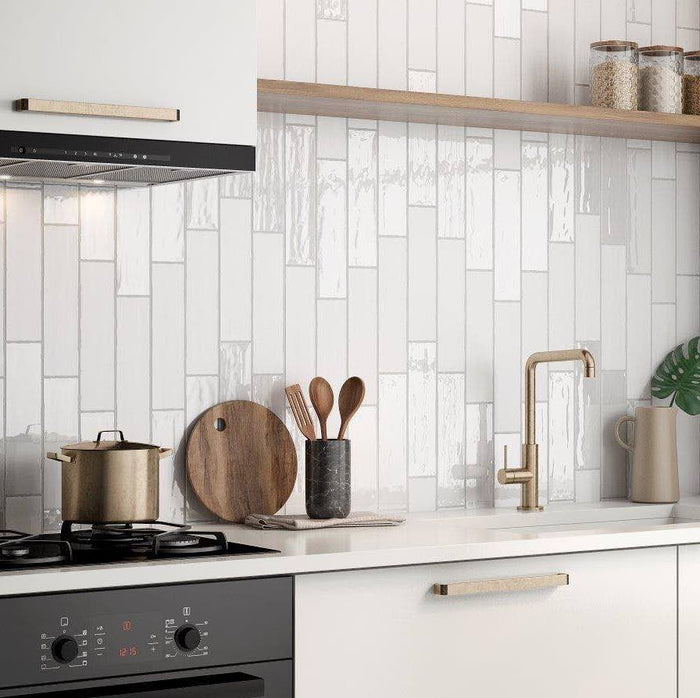
Credit: www.mineraltiles.com
Safety Tips Throughout The Process
Removing wall tiles in your kitchen can be rewarding, but it comes with risks that you shouldn’t ignore. Staying safe throughout the process protects you from injuries and keeps the job smooth. Let’s look at key safety tips to keep in mind while you work.
Handling Tools Carefully
Tiles don’t come off by themselves—you need the right tools, and you must use them properly. Always check that your tools, like a chisel or hammer, are in good condition before starting. A dull chisel can slip and cause accidents, so sharpen or replace tools as needed.
Hold tools firmly and maintain control with each strike. Avoid rushing; instead, apply steady, measured force. Ask yourself: Are you prepared to stop and adjust your grip if something feels off? This simple habit can prevent many injuries.
- Wear sturdy gloves to protect your hands from sharp edges and tool slips.
- Keep your workspace clear of clutter to avoid tripping or knocking things over.
- Use a stable ladder if you need to reach higher tiles—don’t stretch beyond your comfort zone.
Protecting Yourself From Dust And Debris
Tile removal creates a lot of dust and flying bits that can irritate your eyes and lungs. Wearing safety goggles shields your eyes from shards, while a dust mask or respirator guards your lungs against harmful particles. Don’t skip this step, even if the dust seems minimal.
Cover your floors and nearby surfaces with plastic or drop cloths to catch debris. This makes cleanup easier and prevents dust from spreading through your home. Have a vacuum or broom ready to clear dust regularly as you work.
- Consider opening windows or using a fan to improve ventilation in your kitchen.
- Wear long sleeves and pants to protect your skin from sharp tile fragments.
- Take breaks to step outside and breathe fresh air if the dust starts to build up.
Common Mistakes To Avoid
Removing wall tile in the kitchen takes care and attention. Avoiding common mistakes saves time and effort. These errors can cause damage or injury. Knowing what to avoid makes the job smoother and safer.
Damaging The Wall
Pulling tiles off too quickly can break the wall underneath. Tiles stuck with strong glue need gentle prying. Using sharp tools carelessly can create holes or cracks. Protect the surface by working slowly and carefully. Check for weak spots before applying force.
Ignoring Safety Precautions
Tile removal can release dust and sharp shards. Not wearing gloves or eye protection risks injury. Breathing in dust may cause health problems. Use masks and goggles to stay safe. Keep the work area clean and well-ventilated. Handle tools with care to avoid accidents.

Credit: food52.com
Frequently Asked Questions
How Do I Safely Remove Kitchen Wall Tiles?
Start by protecting yourself with safety gear like gloves and goggles. Use a hammer and chisel to gently pry tiles. Work slowly to avoid damaging the wall underneath. Remove grout first to loosen tiles and make removal easier.
What Tools Are Needed To Remove Wall Tiles?
Essential tools include a hammer, chisel or putty knife, safety goggles, gloves, and a dust mask. You may also need a grout removal tool and a utility knife to score grout lines. Proper tools ensure a safer and cleaner tile removal process.
Can I Remove Wall Tiles Without Damaging Drywall?
Yes, by carefully prying tiles and avoiding excessive force. Remove grout first to reduce resistance. Use a gentle tapping motion with a hammer and chisel. If drywall is damaged, patch and sand before repainting or retiling.
How Long Does It Take To Remove Kitchen Wall Tiles?
Tile removal time varies by wall size and tile type. Small areas can take a few hours, while larger walls may take a full day. Preparation and careful work speed up the process and prevent wall damage.
Conclusion
Removing wall tiles in the kitchen can be simple and straightforward. Remember to gather all necessary tools before starting. Always wear safety gear to protect yourself. Follow the steps carefully to avoid damaging your wall. Take your time to ensure each tile comes off cleanly.
Clean the wall surface thoroughly once tiles are removed. This prepares it for new designs or a fresh coat of paint. With patience, you can achieve a refreshed look in your kitchen. Enjoy the process and the transformation of your space.
Happy renovating!
Ethan Cole is a kitchen innovation enthusiast and food technology writer at DiningGadgets.com. With over 8 years of experience reviewing cookware, smart kitchen tools, and design trends, he helps readers discover gadgets that make cooking easier and dining more enjoyable. When he’s not testing the latest kitchen appliances, Ethan enjoys experimenting with recipes and sharing practical tips for modern homes.