

Are you ready to give your kitchen a fresh new look? Removing kitchen tiles from your wall might seem like a big job, but with the right steps, you can do it yourself without stress.
Whether you want to replace old tiles or prepare for a new design, knowing how to remove them safely and efficiently is the first step. Keep reading, and you’ll discover simple tips that save you time, avoid damage, and make the whole process easier than you thought.
Your kitchen makeover starts here!
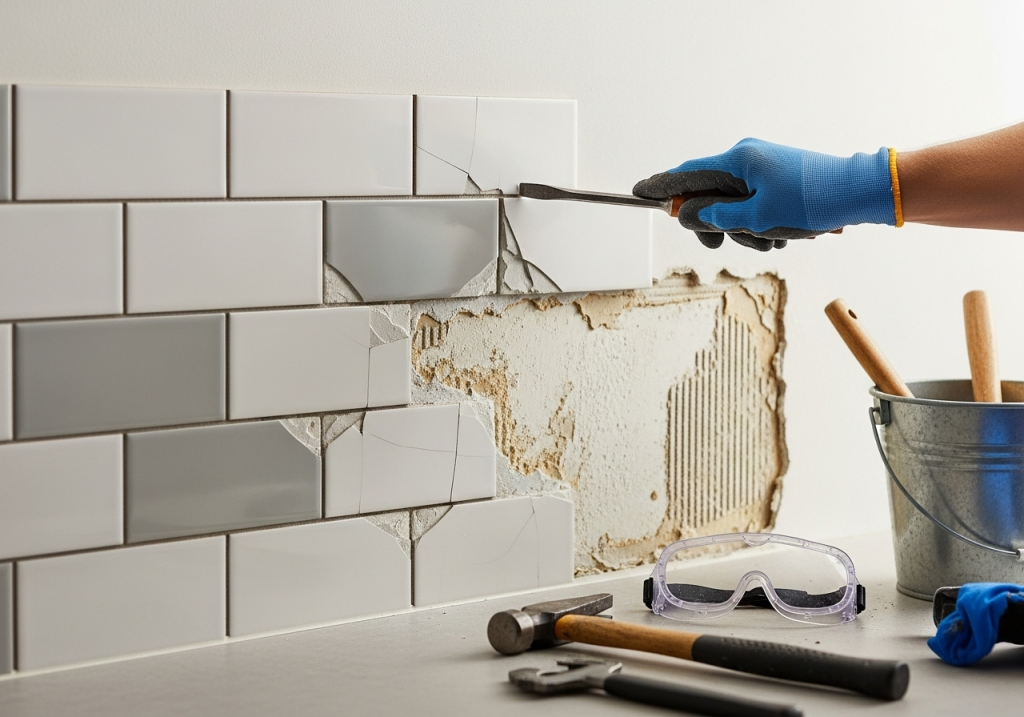
Image: Safe way to remove kitchen tiles
Tools And Materials Needed
Removing kitchen tiles from a wall requires having the right tools and materials on hand. Without them, the job can quickly become frustrating and time-consuming. Gathering everything before you start ensures a smoother process and helps you avoid unnecessary trips to the hardware store.
Essential Tools
To remove tiles effectively, you’ll need a few key tools. A sturdy putty knife or a flat chisel helps you pry tiles off without damaging the wall underneath. A hammer is useful to tap the chisel gently and loosen stubborn tiles.
Additionally, a utility knife lets you score grout lines, making tile removal easier. For larger areas, an electric oscillating tool with a grout removal blade can save time and effort. Don’t forget a bucket and sponge to clean up dust and debris as you work.
Safety Gear
Protecting yourself is crucial. Safety goggles shield your eyes from flying tile shards and dust. Thick gloves prevent cuts and scrapes from sharp tile edges and tools.
A dust mask or respirator keeps you from inhaling fine dust particles, which can irritate your lungs. If you have long sleeves and sturdy shoes, wear those too — they add an extra layer of protection.
Preparation Supplies
Before starting, prepare your workspace with drop cloths or plastic sheets to catch debris. Painter’s tape can help protect adjacent surfaces like countertops or cabinets from accidental damage.
Having a trash bag or container nearby keeps the area tidy and speeds up cleanup. Also, consider using a gentle adhesive remover if some tiles resist coming off easily. Being prepared with these supplies makes your work less messy and more efficient.
Preparing The Work Area
Preparing your kitchen for tile removal is crucial to making the process smoother and safer. Taking time to set up your work area can save you from unexpected messes and accidents. Are you ready to protect your space and yourself before you start chipping away?
Clearing The Space
Start by removing all movable items from your kitchen walls and counters. Take down pictures, shelves, and any decorations near the tiled area. Clearing the space gives you full access to the wall and prevents damage to your belongings.
Don’t forget to move furniture away or cover it with drop cloths. This simple step stops dust and debris from settling on your stuff. A clean, open area helps you focus and work efficiently.
Protecting Surfaces
Tiles and grout can create a lot of dust and flying chips. Cover your countertops, appliances, and floors with thick plastic sheets or drop cloths. Tape the edges securely to avoid slips or gaps where dust can sneak through.
Protecting surfaces also means wearing safety gear yourself. Grab safety goggles, gloves, and a dust mask to shield your eyes, hands, and lungs. Have you checked your gear recently? It’s worth investing in good quality protection before starting.
Turning Off Utilities
Before you break anything, make sure to turn off water and electricity in the work area. Tiles often cover plumbing and electrical outlets, so shutting off utilities prevents accidents and water damage. Locate the right switches and valves, and double-check they’re off.
This step is easy to overlook but can save you from costly repairs or injuries. If you’re unsure, consult a professional or use a voltage tester. Would you rather risk a minor delay or a major disaster?
Removing Grout Lines
Removing grout lines is a key step before taking down kitchen tiles. Grout holds tiles firmly in place. Without clearing grout, tiles won’t come off easily. This process helps protect the wall beneath from damage. It also makes tile removal neater and faster.
There are different ways to remove grout. Some tools help work quickly. Others rely on simple hand techniques. Choosing the right approach depends on your tools and comfort level.
Using A Grout Removal Tool
A grout removal tool makes the job easier. It scrapes out grout between tiles cleanly. These tools come in manual and electric forms. You place the tool’s blade or bit into the grout line. Then move it back and forth to clear grout.
Manual tools are simple and quiet. They need steady hands and some effort. Electric tools speed up the work. They use a motor to vibrate or rotate the blade. This cuts grout faster with less strain.
Manual Vs. Electric Methods
| Feature | Manual Grout Removal | Electric Grout Removal |
|---|---|---|
| Cost | Low | Higher |
| Speed | Slower | Faster |
| Effort | More physical | Less physical |
| Noise | Quiet | Loud |
| Precision | High control | Good control |
Manual tools suit small jobs or tight spaces well. Electric tools help when grout covers large areas. Use safety gear like goggles and masks. Dust and small pieces can fly during grout removal.
Detaching Tiles From The Wall
Removing kitchen tiles from the wall requires careful detaching to avoid damage. This process needs patience and the right tools. Each tile must come off cleanly to prepare the wall for new finishes.
Starting At The Edges
Begin at the edges of the tiled area. Tiles here are easier to lift because they have fewer attachments. Use your fingers or a flat tool to find a loose corner. Gently lift the tile away from the wall. If it does not budge, try loosening the grout around it first.
Using A Hammer And Chisel
Hold the chisel at a low angle against the grout line. Tap the chisel lightly with the hammer. This breaks the grout and loosens the tile. Work slowly to avoid cracking surrounding tiles. Move from one tile to the next, chiseling under the edges to lift them off.
Prying Tiles Safely
Insert a flat pry bar or putty knife under the tile edge. Apply steady pressure to lift the tile away from the wall. Protect the wall by placing a thin piece of wood behind the tool. Remove tiles one by one, keeping the wall surface intact. Stop if you feel strong resistance and try loosening grout again.
Handling Stubborn Tiles
Stubborn kitchen tiles can turn a simple DIY project into a real challenge. They cling tightly to the wall, often resisting gentle taps or pulls. Knowing how to handle these tough tiles can save you time, effort, and frustration.
Applying Heat Or Solvents
Heat can soften the adhesive behind tiles, making removal easier. Use a heat gun or a hairdryer set on high, holding it a few inches away from the tile surface for a couple of minutes.
Be cautious not to overheat, as excessive heat might damage your wall or tile. After warming, try gently prying the tile with a putty knife or scraper.
If heat alone doesn’t do the trick, try a solvent like adhesive remover or rubbing alcohol. Apply it carefully to the edges and let it sit for 10-15 minutes. This can weaken the glue, allowing you to lift the tile with less force.
Using A Scraper For Adhesive
Once the tile is off, stubborn glue often remains on the wall. A sturdy scraper becomes your best friend here. Hold it at a low angle and push firmly to chip away the dried adhesive.
For larger areas, consider using a wider scraper or a putty knife with a sharp edge. If the adhesive is particularly tough, dampen the wall slightly to soften it before scraping.
Have you noticed how patience and the right tool can turn this tedious task into a manageable one? With the right approach, your wall will be ready for new tiles in no time.

Credit: www.create-enjoy.com
Cleaning The Wall Surface
After removing kitchen tiles from the wall, the surface often looks rough and uneven. Cleaning the wall surface is key for a smooth finish. It prepares the wall for painting or new tiles. Proper cleaning removes old glue and dirt. It also helps avoid bumps and cracks later.
Removing Residual Adhesive
Old adhesive sticks to the wall after tile removal. This glue can stop new tiles from sticking well. Use a putty knife or scraper to gently lift off the adhesive. For stubborn spots, apply a warm soapy water solution to soften the glue. Let it sit for a few minutes before scraping again. Avoid damaging the wall by working slowly and carefully.
For very tough adhesive, a commercial adhesive remover can help. Follow the product instructions closely. Always wear gloves and ensure good room ventilation. After removing most glue, wipe the wall with a damp cloth to clear any residue.
Sanding And Smoothing
Once the adhesive is gone, the wall surface may still feel rough. Use sandpaper to smooth it out. Medium-grit sandpaper works well for this task. Sand in circular motions until the wall feels even. Focus on any raised areas or leftover glue spots.
After sanding, clean the dust off with a dry cloth. This step ensures the wall is ready for the next stage. A smooth wall surface helps paint and tiles stick better. It also gives a neat, finished look to your kitchen walls.
Disposal And Cleanup
Removing kitchen tiles leaves behind a lot of debris and dust. Proper disposal and cleanup are vital to keep your space safe and ready for the next project. Handling debris carefully protects your home and the environment.
Collecting Debris
Gather all tile pieces and loose mortar quickly. Use a sturdy broom and dustpan to sweep the area. Place debris in heavy-duty garbage bags or a large container. Avoid scattering dust by wetting the floor slightly before sweeping. Wear gloves to protect your hands from sharp tile edges.
Safe Disposal Methods
Check local regulations for tile disposal rules. Many areas accept construction debris at designated recycling centers. Wrap sharp tile pieces in newspaper or cloth before discarding. Do not throw tiles in regular household trash if banned in your area. Consider renting a dumpster if the debris volume is large. Always label bags clearly if hazardous materials are present.
Final Cleaning Tips
Vacuum the area thoroughly to remove fine dust particles. Wipe walls and surfaces with a damp cloth to clear remaining residue. Use a mild cleaner to remove grout or mortar stains. Allow the area to dry completely before starting new wall work. Keep windows open for ventilation during and after cleaning.
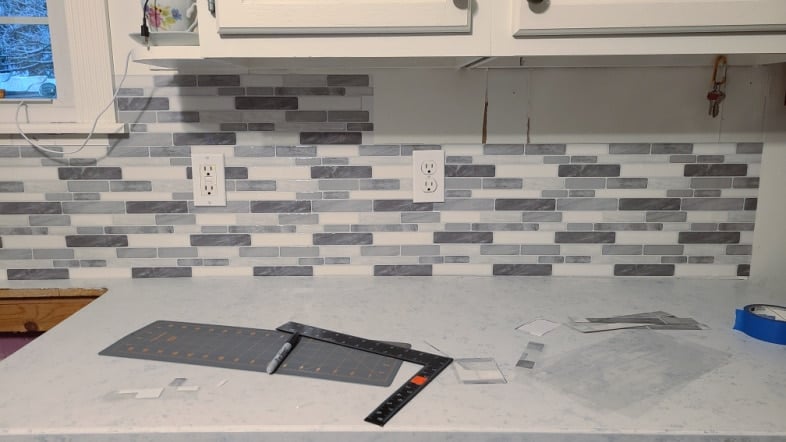
Credit: www.myrepurposedlife.com
Safety Tips Throughout The Process
Removing kitchen tiles from walls can create dust, sharp edges, and other hazards. Taking safety measures protects you from injury and health issues. Keep safety your top priority through every step of tile removal.
Protecting Eyes And Hands
Wear safety goggles to shield your eyes from flying debris and dust. Use thick gloves to protect your hands from sharp tile edges and tools. Keep your hands dry and clean to maintain a firm grip on tools.
Avoiding Dust Inhalation
Tile removal produces fine dust that can harm your lungs. Wear a dust mask or respirator designed for construction dust. Open windows or use fans to increase airflow and reduce dust buildup in the room.
Handling Tools Properly
Use the right tools for the job, such as a chisel and hammer or a scraper. Hold tools firmly and use controlled movements to prevent slips. Keep tools in good condition and store them safely when not in use.
Frequently Asked Questions
How Do I Start Removing Kitchen Wall Tiles Safely?
Begin by protecting yourself with gloves and goggles. Use a grout remover to clear grout lines. Then, gently pry tiles with a putty knife or chisel to avoid wall damage.
What Tools Are Needed To Remove Wall Tiles?
Essential tools include a grout remover, putty knife, hammer, chisel, and safety gear like gloves and goggles. These tools help you remove tiles efficiently and safely.
Can I Reuse Kitchen Wall Tiles After Removal?
Reusing tiles depends on their condition. If tiles are intact without cracks, they can be cleaned and reused. Handle them carefully during removal to preserve their quality.
How Do I Avoid Damaging The Wall During Tile Removal?
Work slowly and use proper tools like a grout remover and chisel. Avoid excessive force to prevent drywall or plaster damage behind the tiles.
Conclusion
Removing kitchen tiles from a wall can seem daunting. But with the right steps, it’s manageable. Start by gathering necessary tools. Ensure safety by wearing gloves and goggles. Carefully chip away tiles using a chisel and hammer. Work slowly to avoid wall damage.
Clean the surface thoroughly after removal. This prepares it for new tiles or paint. Patience and care are key in this task. With practice, the process becomes easier. Your kitchen will look fresh and ready for a new look. Enjoy the satisfaction of a job well done.

Sophia Martinez is a culinary lifestyle writer and product reviewer for DiningGadgets.com. Passionate about blending style with functionality, she explores the latest dining essentials, kitchen décor, and cleaning hacks that transform everyday cooking spaces. With a background in home organization and design, Sophia brings readers expert advice on creating beautiful, practical kitchens that truly feel like the heart of the home.