How to Remove a Wall between Kitchen And Living Room: Expert Tips
Are you dreaming of a more open, spacious home where your kitchen flows seamlessly into your living room? Removing the wall between these two spaces can completely transform how you live and entertain.
How to Remove a Wall between Kitchen and Living Room. But where do you start? What should you know before knocking down that wall? You’ll discover simple, clear steps to safely and effectively remove a wall between your kitchen and living room. By the end, you’ll have the confidence and know-how to create the open layout you’ve been craving.
Keep reading to unlock the secrets to a brighter, more connected home.
Assessing The Wall
Removing a wall between the kitchen and living room starts with a careful assessment. This step ensures safety and prevents costly mistakes. Walls may look simple, but they can hold important parts of your home’s structure or utilities.
Take time to study the wall before any demolition. Knowing what type of wall it is and what runs inside it will guide your next actions. This helps you plan better and avoid damage to your home.
Load-bearing Or Not
Find out if the wall supports the house’s weight. Load-bearing walls hold up the floor or roof above. Removing them without support can cause serious damage.
Signs of a load-bearing wall include:
- Walls aligned with beams or columns above.
- Walls that run perpendicular to floor joists.
- Walls near the center of the house.
Consult a professional or use a stud finder with a deep scan. They can confirm if the wall carries weight. Do not remove a load-bearing wall without adding a beam or support.
Checking For Utilities
Look for electrical wires, plumbing pipes, or HVAC ducts inside the wall. These utilities need special care to avoid hazards.
Steps to check include:
- Turn off power and water before inspecting.
- Use a stud finder that detects wires and pipes.
- Look for outlets, switches, or vents on the wall.
- Check your home’s blueprints or ask a professional.
Mark all utilities on the wall clearly. Plan how to move or protect them during removal. This prevents accidents and extra repair costs.
Planning The Renovation
Removing a wall between the kitchen and living room can open up your home. Planning this renovation carefully saves time and money. It ensures the space looks great and works well.
Start by thinking about how you want the new space to feel. Consider practical needs and style. Next, plan your budget and check local rules. These steps help avoid surprises during the project.
Design Considerations
Decide how open you want the space to be. Think about light flow and furniture placement. Check if the wall holds up the ceiling or floors above.
Choose materials that match your home’s style. Plan for electrical outlets, lighting, and heating. Think about noise levels and privacy between rooms.
Budgeting And Permits
Set a clear budget for demolition, materials, and labor. Include extra money for unexpected costs. Contact your local building office to learn about permits.
Permit rules protect your home’s structure and safety. Failing to get permits can lead to fines or problems when selling. Hire professionals for structural work to ensure safety.
Preparing The Space
Preparing the space is a crucial step before removing a wall between the kitchen and living room. It helps keep the area safe and clean. Proper preparation also protects your belongings and floors from damage. Taking time for this phase makes the entire process smoother and less stressful.
Clearing The Area
Remove all furniture from the wall area. Move items to another room or the center of the space. Clear countertops and shelves near the wall. Take down decorations, pictures, and curtains. This creates room for tools and movement. It also lowers the risk of accidents or damage.
Protecting Floors And Furniture
Cover floors with thick plastic sheets or drop cloths. Use painter’s tape to secure covers in place. Wrap remaining furniture with moving blankets or plastic wrap. This prevents dust, paint, and debris from causing harm. Proper protection saves time on cleanup later.

Kitchen and living room open concept after wall removal
Removing The Wall
Removing a wall between the kitchen and living room creates an open, airy space. It brings natural light and improves flow. This project needs careful planning and safety precautions. Start by checking if the wall is load-bearing. Removing a load-bearing wall requires extra support or professional help. Once confirmed, gather all tools and materials before beginning demolition.
Gathering Tools And Materials
Collect all necessary tools to make the process smooth. Prepare safety gear to protect yourself during demolition.
- Hammer
- Reciprocating saw or drywall saw
- Utility knife
- Crowbar or pry bar
- Measuring tape
- Safety goggles
- Dust mask
- Work gloves
- Plastic sheeting or drop cloths
- Stud finder
- Trash bags or containers for debris
Step-by-step Demolition
Turn off electricity and plumbing in the wall area. Use a stud finder to locate studs and wiring. Score drywall with a utility knife to reduce dust.
Remove drywall carefully using a hammer or saw. Pull out studs and framing with a crowbar. Dispose of debris in trash bags to keep the area clean.
Check for any hidden pipes or wires as you work. Avoid damaging essential systems. Clean the space thoroughly once the wall is gone. Prepare for the next phase, such as framing or finishing.
Structural Support Solutions
Removing a wall between your kitchen and living room can instantly open up your space and improve flow. But before knocking down any drywall, it’s critical to address the structural support. Walls often carry the weight of the floors or roof above, so you need a solid plan to maintain your home’s stability after removal.
Installing Beams Or Headers
When you take out a load-bearing wall, you must replace it with a strong beam or header to carry the weight. Typically, this means adding a steel beam or a large wooden header across the opening where the wall stood.
You’ll want to measure the span carefully and choose a beam sized for the load it needs to support. If you’re unsure, consulting a structural engineer can save you from costly mistakes.
Think about how the beam will integrate with your space. Exposed beams can add character, but if you prefer a clean look, you can box the beam in with drywall.
Reinforcing Adjacent Walls
Removing a wall affects not just the opening but also the nearby structure. You may need to reinforce the walls next to the opening to handle the redistributed load.
This could mean adding extra studs, sistering existing studs, or adding blocking between studs for added strength. These reinforcements help prevent sagging or shifting over time.
Have you checked if your adjacent walls have enough support? Small reinforcements can make a big difference in maintaining the integrity of your home after demolition.
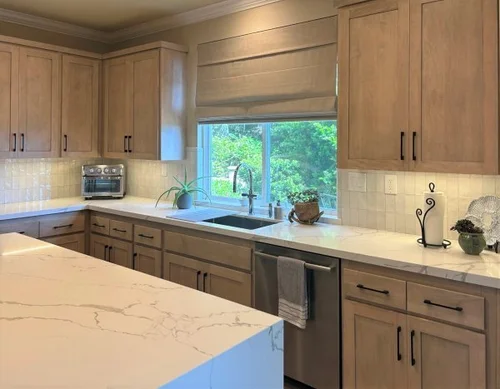
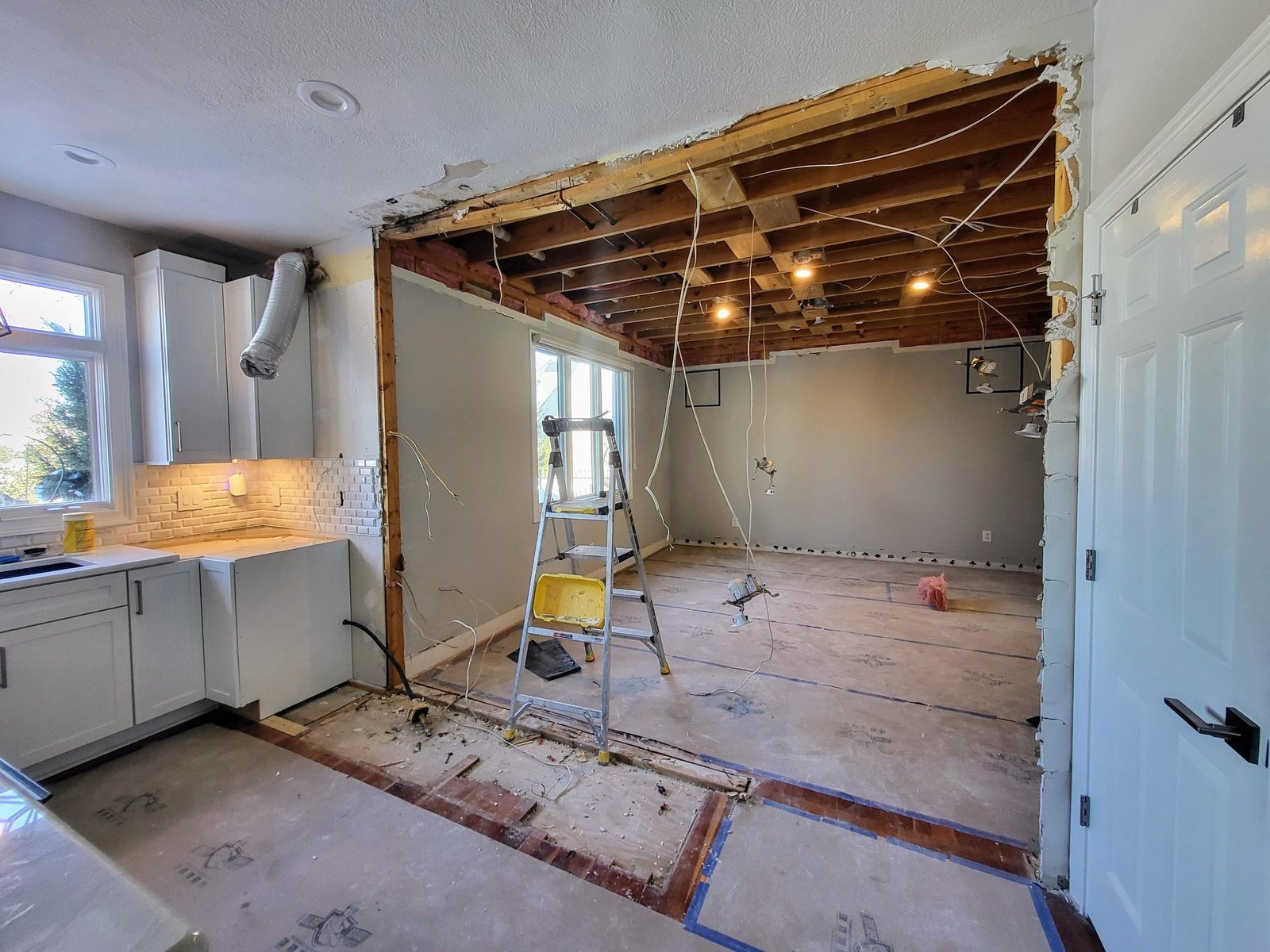
Before and after removing wall between kitchen and living room
Finishing Touches
Finishing touches can make or break the transformation when you remove a wall between your kitchen and living room. This phase is all about creating a seamless look that ties both spaces together. Paying attention to details here ensures your hard work shines through and your new open layout feels polished and inviting.
Drywall And Paint
After the wall is removed, you’ll face exposed edges and gaps where drywall needs to be installed. Make sure to use drywall sheets that match the thickness of your existing walls for a smooth finish. Don’t rush the mudding and sanding process—take your time to get rid of bumps and seams.
Choosing the right paint color can unify your kitchen and living room. Consider using the same color on both walls to create flow, or pick complementary shades for subtle separation. Have you thought about how lighting affects paint tones? Test samples in different lighting conditions to avoid surprises later.
Flooring And Trim
Flooring is another key factor that impacts how connected your spaces feel. If the two rooms had different floors before, decide whether to extend one flooring type throughout or install a transition strip. This choice can influence the overall vibe and visual continuity.
Don’t overlook trim and baseboards—they finish the look by covering gaps between walls and floors. Matching new trim to the existing style keeps the room cohesive. Think about the height and profile of your baseboards; a mismatch can draw unwanted attention.
Safety Tips
Removing a wall between the kitchen and living room can open up your space beautifully. Safety must be a top priority throughout the process. Taking the right precautions protects you and your home from accidents and damage.
Protective Gear
Wear sturdy gloves to protect your hands from sharp edges. Safety goggles guard your eyes against dust and debris. A dust mask helps prevent inhaling harmful particles. Use ear protection if using loud power tools. Wear long sleeves and pants to shield your skin. Choose strong, closed-toe shoes to protect your feet.
Handling Debris
Clear debris frequently to keep your work area safe. Use heavy-duty trash bags or bins for waste. Dispose of nails, screws, and sharp objects carefully. Avoid piling debris where it can cause trips or falls. Sweep the area regularly to reduce dust buildup. Keep pathways clear for easy movement around the site.

Home renovation removing a dividing wall in kitchen
When To Hire Professionals
Removing a wall between the kitchen and living room can open up your space beautifully. Yet, some tasks in this project require expert skills. Knowing when to hire professionals ensures safety and quality work. Experts help avoid costly mistakes and structural damage. They understand building codes and have the right tools. Here are key signs that you should call a pro.
Structural Walls Need Expert Assessment
Some walls hold up your house. Removing these without knowledge can cause collapse. Professionals check if the wall is load-bearing. They plan how to support the ceiling and floors. Trusting experts keeps your home safe and sound.
Electrical And Plumbing Work Requires Specialists
Many walls have wires and pipes hidden inside. Cutting or moving them needs special skills. Professionals handle wiring and plumbing safely. They know local codes and can get permits. This work is not for beginners.
Complex Permits And Building Codes
Changing your home layout often needs city approval. Professionals understand the rules and manage paperwork. They ensure your project meets all legal requirements. This prevents fines and future problems.
Heavy Equipment And Demolition Expertise
Removing walls involves heavy tools and debris removal. Experts have the right equipment and know safety steps. They work faster and cleaner. Avoid injuries and mess by hiring pros.
Finishing Touches For A Polished Look
After removing the wall, you may need drywall, paint, and trim. Professionals provide smooth, even finishes. They fix imperfections and blend new with old. This step makes your space look complete and neat.
Frequently Asked Questions
Can I Remove A Wall Between Kitchen And Living Room Myself?
Removing a wall requires knowledge of structural elements and safety precautions. Consult a professional to determine if it’s load-bearing. DIY removal without expertise can cause damage or injury. Hiring a licensed contractor ensures proper permits and safe demolition.
How Do I Know If The Wall Is Load-bearing?
Look at your home’s blueprints or consult a structural engineer. Load-bearing walls support the roof and upper floors. Removing them needs reinforcement like beams or columns. Never remove a wall without confirming its load-bearing status to avoid structural damage.
What Permits Are Needed To Remove A Wall?
Most local governments require demolition and construction permits for wall removal. Check with your city’s building department before starting. Permits ensure compliance with safety codes and inspections. Failing to obtain permits can lead to fines or forced restoration.
How Much Does Removing A Wall Between Rooms Cost?
Costs vary based on wall type, size, and structural requirements. On average, expect $1,200 to $3,000 including labor and materials. Load-bearing walls are more expensive due to added reinforcements. Get multiple quotes from contractors for accurate estimates.
Conclusion
Removing a wall between the kitchen and living room can enhance your space. It creates a modern, open layout. This change offers more light and better flow. Before starting, check if the wall is load-bearing. Always consult a professional for safety.
Plan your budget and design carefully. Consider electrical and plumbing needs too. With thoughtful planning, your new space will be inviting and functional. Remember, a successful project blends style with practicality. Enjoy your transformed home, where family and friends gather with ease.