How Long Does It Take to Tile a Kitchen Wall: Expert Time Guide
Are you planning to tile your kitchen wall but wondering how much time it will take? Knowing the timeline can help you prepare better and avoid surprises.
How Long Does It Take to Tile a Kitchen Wall. Whether you’re doing it yourself or hiring a pro, understanding the process and time involved will make your project smoother. You’ll discover exactly how long it takes to tile a kitchen wall, what factors affect the timing, and tips to speed up the job without cutting corners.
Keep reading to get the clear answers you need before you start!
Factors Affecting Tiling Time
The time needed to tile a kitchen wall varies widely. Several factors influence how long the project will take. Understanding these factors helps set realistic expectations for your tiling job.
Each element plays a role in the overall duration. Some factors speed up the work, while others slow it down. Knowing these details makes planning easier and more accurate.
Wall Size And Shape
The size of the wall directly affects tiling time. Larger walls require more tiles and more time to cover. Complex shapes with corners, windows, or outlets take longer to tile. Cutting tiles to fit around obstacles adds extra work.
Tile Type And Size
Small tiles take longer to install because more tiles are needed. Large tiles cover more area quickly but can be harder to handle. Some tiles need extra care for alignment or patterns. Textured or uneven tiles require more precision, increasing time.
Surface Preparation
A smooth, clean wall speeds up tiling. Rough or damaged walls need extra work before tiling. Removing old tiles, filling holes, and sanding takes additional time. Proper preparation ensures tiles stick well and last longer.
Skill Level Of Installer
Experienced installers work faster and with fewer mistakes. Beginners may take longer to measure, cut, and place tiles. Skilled workers know tricks to save time and avoid redoing sections. Hiring a pro usually reduces the overall project time.

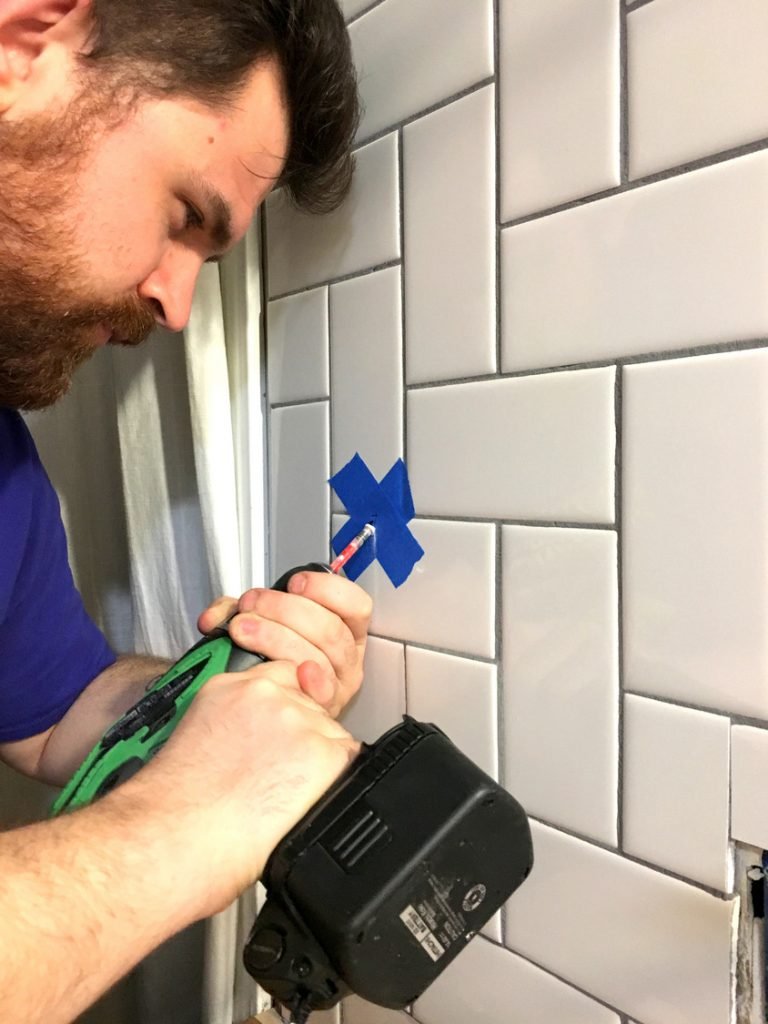
Homeowner tiling backsplash in kitchen – estimated hours
Preparing The Kitchen Wall
Preparing the kitchen wall is a crucial step before tiling. It ensures the tiles stick well and last long. Proper preparation saves time and avoids problems later.
Cleaning And Repairing Surface
Start by cleaning the wall to remove grease, dust, and dirt. Use warm water and soap or a mild cleaner. Let the wall dry completely before moving on.
Check the wall for cracks, holes, or loose paint. Fill holes with spackle or filler and smooth it out. Sand rough spots to create an even surface for tiling.
Measuring And Marking Layout
Measure the wall’s height and width carefully. Mark the center point to start tiling evenly. Use a level to draw straight horizontal and vertical lines.
Plan the tile layout to avoid small cuts at edges. Mark where each tile will go. This step prevents mistakes and saves time during installation.
Gathering Tools And Materials
Collect all tools before you begin. Common tools include:
- Trowel for spreading adhesive
- Tile spacers for even gaps
- Level to keep tiles straight
- Tile cutter or wet saw
- Bucket and sponge for cleaning
Also gather materials like tile adhesive, grout, and tiles. Having everything ready helps the work flow smoothly.
Step-by-step Tiling Process
Tiling a kitchen wall might seem straightforward, but there’s a clear process that ensures a smooth, professional finish. Each stage requires attention to detail and the right technique to make sure your tiles stick well and look great. Let’s break down the tiling journey into manageable parts so you know exactly what to expect and how long each part might take.
Applying Adhesive
Start by choosing the right adhesive for your wall type and tile material. Using a notched trowel, spread the adhesive evenly over a small section of the wall to prevent it from drying out too quickly.
Work in small areas, typically about 2-3 square feet at a time. This keeps the adhesive fresh and sticky when you place your tiles. Have you noticed how skipping this step can cause tiles to loosen later? It’s a crucial part that affects the durability of your work.
Placing Tiles
Once the adhesive is ready, press each tile firmly into place. Use tile spacers to keep your grout lines even—this makes the final look neat and professional.
Check alignment regularly using a level. It’s easier to fix a slight misalignment right away than after the adhesive sets. Can you imagine how much extra work it is to redo a crooked tile?
Cutting Tiles For Fit
Not all tiles will fit perfectly without some trimming, especially around edges and corners. Use a tile cutter or wet saw to make clean cuts that fit your space.
Measure twice before cutting to avoid mistakes. I once rushed this step and ended up wasting several tiles, which added unnecessary cost and time.
Grouting And Sealing
After the adhesive dries, fill the gaps between tiles with grout. Apply it using a rubber float, pushing it into the spaces to avoid air pockets.
Once the grout sets, seal it to protect against moisture and stains. This step can extend the life of your tiled wall significantly. Have you checked if your grout is sealed properly in past projects?
Estimated Time For Each Stage
Understanding the time needed for each stage of tiling a kitchen wall helps plan the project better. Each phase has its own pace and needs special care. This guide breaks down the estimated time required for surface preparation, tile installation, and grouting with drying. Knowing these details can make the process smoother and less stressful.
Surface Preparation Time
Preparing the wall is the first step. It includes cleaning, smoothing, and repairing any damage. This stage usually takes about 1 to 3 hours, depending on the wall’s condition. A smooth, clean surface ensures the tiles stick well and last longer.
Tile Installation Time
Installing tiles varies by wall size and tile type. On average, it takes 3 to 6 hours for a standard kitchen wall. Cutting tiles to fit corners and edges can add extra time. Careful alignment is key to a neat look.
Grouting And Drying Time
Grouting fills the gaps between tiles and protects them. This step typically takes 1 to 2 hours. After applying grout, drying time is crucial. It usually needs 24 to 48 hours to fully dry before using the wall.
Tips To Speed Up Tiling
Speeding up the tiling process can save you time and reduce frustration. With a few smart strategies, you can get your kitchen walls looking great without unnecessary delays. These tips focus on efficiency without sacrificing quality, making your tiling project smoother and more enjoyable.
Using Tile Spacers
Tile spacers help you maintain even gaps between tiles quickly and accurately. They prevent the need for constant measuring, which can slow you down. By using spacers, your tiles line up perfectly, reducing the chance of mistakes that require rework.
Think about how much time you spend eyeballing gaps or pulling out a tape measure. Tile spacers free you from these tasks. This small tool ensures uniform spacing, helping you move faster from one tile to the next.
Choosing Larger Tiles
Working with larger tiles means fewer pieces to place, which cuts down the overall installation time. Larger tiles cover more wall area at once, reducing the number of cuts and adjustments needed.
However, larger tiles can be heavier and a bit trickier to handle. Make sure your adhesive is strong enough, and consider practicing with a few tiles before you start the full wall. Have you noticed how much time you waste fitting tiny pieces? Bigger tiles can solve that problem.
Working With A Partner
Having a partner can speed things up significantly. One person can apply the adhesive while the other places the tiles, creating an efficient assembly line.
Communication is key here. Make sure you both agree on the layout and pace before starting. Working together not only speeds up the process but also helps catch mistakes early, saving time on corrections later.
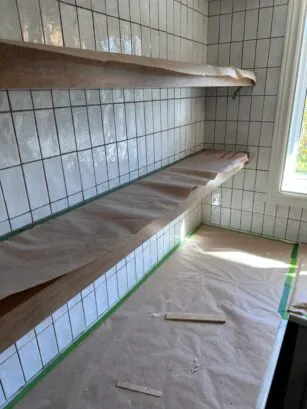
Step-by-step kitchen wall tiling process with tools
Common Challenges And Delays
Tiling a kitchen wall can seem straightforward, but unexpected obstacles often extend the timeline. Understanding common challenges helps you plan better and avoid frustration. Let’s look at some typical issues that slow down tiling projects.
Uneven Walls
Uneven walls are a frequent headache during tiling. If your wall surface isn’t flat, tiles won’t sit properly, causing gaps or uneven grout lines. You might need to spend extra time sanding, filling, or applying a leveling compound before starting.
Have you checked your wall’s flatness with a level before buying tiles? Skipping this step can lead to wasted materials and time. Investing effort upfront saves headaches later.
Complex Tile Patterns
Choosing intricate tile patterns like herringbone or diagonal layouts adds visual appeal but demands precision. These patterns require careful measuring and cutting, which takes more time than simple straight rows. Expect some trial and error, especially if you’re new to tiling.
Think about whether the extra time for complexity fits your schedule. Sometimes, a simpler pattern can deliver a stunning result with less hassle.
Drying And Curing Issues
Proper drying and curing are crucial to avoid tile movement or grout cracking. Environmental factors such as humidity and temperature impact how long adhesives and grout take to set. Rushing this stage can ruin your work and force redoing parts of the wall.
Have you considered the climate in your kitchen while planning the project timeline? Allowing sufficient drying time ensures durability and a polished look.
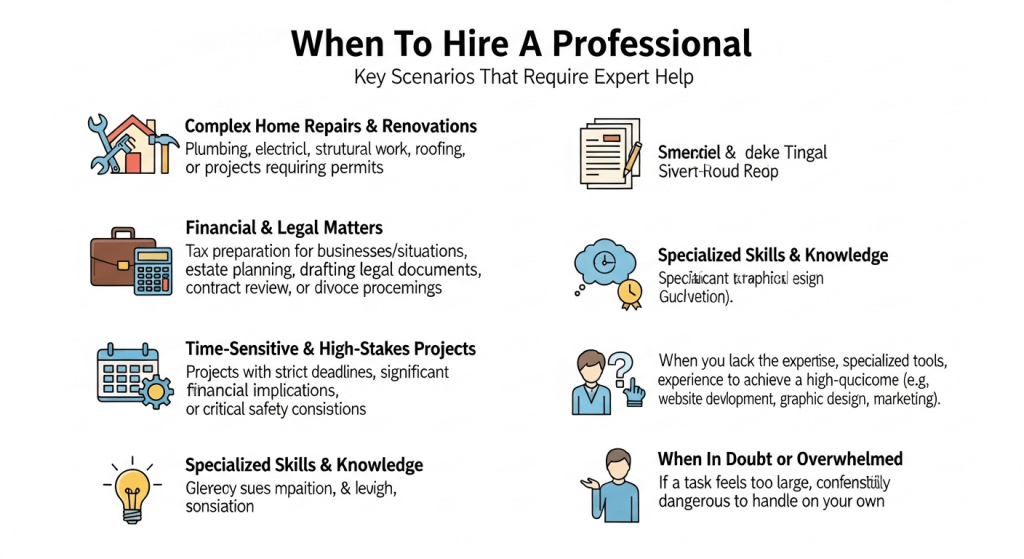
When To Hire A Professional
Deciding whether to hire a professional for tiling your kitchen wall depends on several factors. If you want a flawless finish and minimal stress, a pro might be the best choice. But how do you know when it’s time to call in the experts?
Benefits Of Expert Installation
Professionals bring experience that ensures tiles are perfectly aligned and securely fixed. They understand the best materials and techniques for different wall surfaces, preventing common issues like cracking or uneven grout lines.
Imagine avoiding costly mistakes and having a kitchen wall that looks stunning for years. That peace of mind is a major benefit of expert installation.
Time Saved By Professionals
Tiling a kitchen wall yourself can take days, especially if you’re learning as you go. Professionals usually complete the job in a fraction of the time because they have the right tools and skills.
Would you rather spend your weekend stressing over tile cuts and grout, or relax while a pro gets the job done quickly and efficiently? Saving time often means less disruption to your daily routine and faster enjoyment of your updated kitchen.
Before and after tiling a kitchen wall – expert time breakdown
Frequently Asked Questions
How Long To Tile A Standard Kitchen Wall?
Tiling a standard kitchen wall typically takes 2 to 3 days. This includes preparation, installation, and drying time. The exact duration can vary based on wall size and complexity. Hiring professionals may speed up the process. Always ensure the surface is prepared properly to ensure quality results.
What Factors Affect Tiling Time?
Several factors influence tiling time, including wall size, tile type, and design complexity. Preparation work, such as cleaning and leveling the wall, also adds time. Experience level of the installer and any unexpected issues like uneven surfaces can impact the timeline significantly.
Can I Tile A Kitchen Wall Myself?
Yes, you can tile a kitchen wall yourself with the right tools and preparation. However, it requires patience and precision. Beginners might take longer than professionals. Watching tutorials and following guidelines can help. For intricate designs, consider hiring an expert to ensure quality results.
Do Larger Tiles Speed Up The Process?
Yes, using larger tiles can speed up the tiling process. Larger tiles cover more area with fewer pieces, reducing installation time. However, they require careful alignment for a professional finish. Be mindful of cutting and fitting around obstacles like outlets and corners, which may still require precision.
Conclusion
Tiling a kitchen wall takes time and patience. The size of the wall and tile type affect the duration. Small jobs may finish in a day or two. Larger or detailed work can take several days. Proper preparation and drying time are important.
Rushing can cause mistakes and damage. Planning well helps the job go smoothly. A clean and neat tile job makes your kitchen look great. Take your time for the best results.

Sophia Martinez is a culinary lifestyle writer and product reviewer for DiningGadgets.com. Passionate about blending style with functionality, she explores the latest dining essentials, kitchen décor, and cleaning hacks that transform everyday cooking spaces. With a background in home organization and design, Sophia brings readers expert advice on creating beautiful, practical kitchens that truly feel like the heart of the home.