
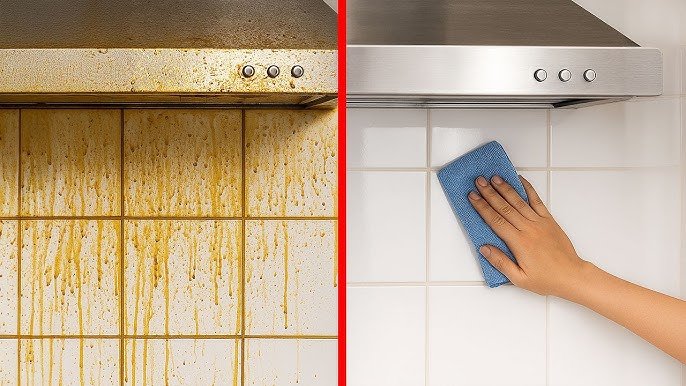
How to Clean Oil Grease from Kitchen Wall: Easy & Effective Tips
Are you tired of staring at stubborn oil grease stains on your kitchen wall? You’re not alone.
Grease can quickly turn your bright, clean kitchen into a dull and sticky mess. But don’t worry—cleaning it doesn’t have to be a frustrating or time-consuming task. You’ll discover simple, effective ways to remove that greasy buildup and restore your kitchen wall’s fresh look.
Keep reading, and you’ll learn easy tricks that save you effort and bring back the shine you want. Your kitchen deserves it!
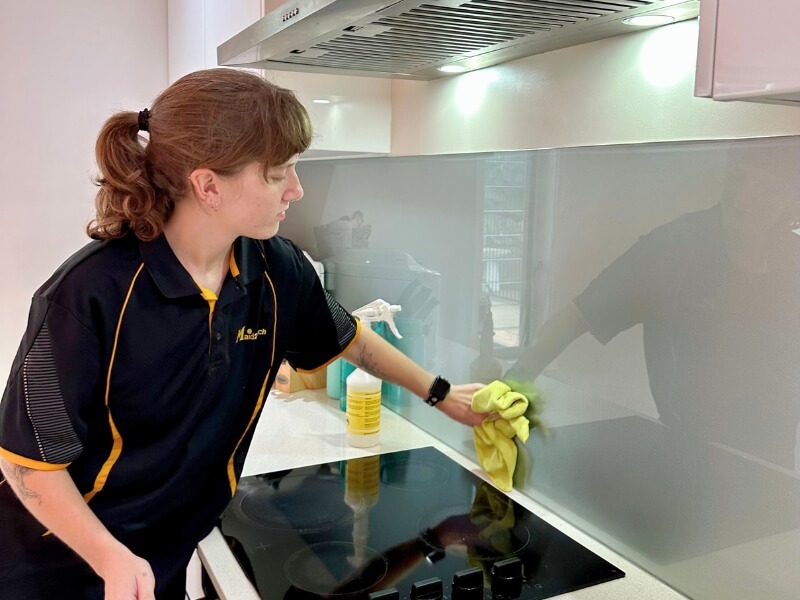
Credit: www.maid2match.com.au
Causes Of Oil Grease On Kitchen Walls
Oil grease on kitchen walls can be frustrating to deal with, especially when it seems to appear out of nowhere. Understanding what causes these greasy spots can help you prevent them and keep your kitchen looking fresh. Let’s look at the common reasons why oil grease builds up on your kitchen walls.
Cooking Without Proper Ventilation
When you cook, especially frying or sautéing, hot oil particles become airborne. Without a good exhaust fan or open window, these particles settle on nearby walls.
I once ignored my kitchen vent, and after weeks of cooking, I noticed a sticky film on the walls. It was clear that poor ventilation allowed grease to cling and build up over time.
Frequent Use Of Oil In Cooking
Oils with low smoke points, like olive or vegetable oil, tend to splatter more during cooking. This splatter lands on walls and creates greasy spots.
Think about how often you fry or cook oily dishes. The more you use oil, the higher the chance of grease reaching your walls.
Cooking Close To Walls
When your stove or cooktop is right next to a wall, oil droplets don’t have far to travel before sticking to the surface.
If you’ve ever leaned against the wall while cooking, you might have noticed a greasy patch forming over time. Positioning your cooking area away from walls helps reduce this effect.
Lack Of Regular Cleaning
Grease builds up slowly. Without cleaning, even small amounts can turn into a stubborn, sticky layer.
Ask yourself: how often do you wipe down your kitchen walls? Regular maintenance can stop grease from becoming a big problem.
Choosing The Right Cleaning Supplies
Choosing the right cleaning supplies is key to removing oil grease from kitchen walls effectively. The wrong products can spread grease or damage paint. Select cleaners that break down oils without harming surfaces.
Consider natural cleaners for gentle yet effective cleaning. Commercial degreasers offer powerful options for tough stains. Essential tools help apply these products with ease and precision.
Natural Cleaners
Natural cleaners use ingredients like vinegar, baking soda, and lemon juice. These are safe for most wall paints and eco-friendly. They break down grease without harsh chemicals. Use diluted vinegar or a baking soda paste for scrubbing.
Commercial Degreasers
Commercial degreasers are strong and designed to dissolve heavy grease. Choose products labeled safe for painted walls. Spray cleaners and wipes save time on stubborn spots. Always test a small area first to avoid damage.
Essential Tools
Tools make cleaning easier and more effective. Use soft sponges or microfiber cloths to avoid scratching walls. A scrub brush can help with thick grease buildup. Gloves protect your skin from harsh chemicals and grime.
Preparation Before Cleaning
Preparing your kitchen wall before cleaning oil grease is key. It makes the process safer and more effective. Taking time to set up the space helps avoid mess and damage. Proper preparation also protects your health and home.
Protecting Surrounding Areas
Cover nearby surfaces to prevent cleaning sprays or grease from spreading. Use old newspapers or plastic sheets. Secure them with tape along edges to keep them in place. Remove or cover appliances and utensils close to the wall. This step keeps everything clean and safe.
Ventilating The Kitchen
Open windows and doors to allow fresh air inside. Turn on kitchen fans or exhaust vents. Good airflow helps remove strong odors from cleaning products. It also reduces moisture buildup on walls. Proper ventilation makes the cleaning process more comfortable and healthier.
Step-by-step Cleaning Methods
Cleaning oil grease from your kitchen wall can feel like a tough chore, but breaking it down into clear steps makes it manageable. Each method uses simple ingredients or tools you likely already have, making the process both affordable and effective. Let’s dive into easy, practical ways to get your kitchen walls looking fresh again.
Using Vinegar And Baking Soda
This combo is a powerhouse for cutting through grease without harsh chemicals. Start by sprinkling baking soda directly onto the greasy spots. Then, spray white vinegar over the baking soda—watch it fizz and bubble as it lifts grime.
Let it sit for about 10 minutes, then gently scrub with a soft cloth or sponge. Rinse with warm water and wipe dry. Have you noticed how this simple fizzing reaction can tackle stubborn grease better than some store-bought cleaners?
Applying Dish Soap Solution
Dish soap is designed to cut grease on your dishes, so why not use it on your walls? Mix a few drops of dish soap with warm water in a spray bottle. Spray the solution generously on the greasy area and let it soak for a few minutes.
Use a soft sponge to wipe away the grease in circular motions. Rinse with clean water and dry with a microfiber cloth. This method is gentle enough for painted walls but tough on oil, making it a go-to for many kitchens.
Using Commercial Degreasers Safely
Commercial degreasers can be very effective but require careful use to protect your walls and health. Always read the label and test the product on a small, hidden spot first to avoid damage. Wear gloves and ensure your kitchen is well ventilated during cleaning.
Apply the degreaser as directed, usually by spraying and letting it sit briefly before wiping away. Avoid mixing products, and rinse the wall thoroughly afterward. Have you ever been surprised by how quickly a commercial degreaser can restore your kitchen’s shine?
Tips For Stubborn Grease Stains
Stubborn grease stains on your kitchen wall can be frustrating to remove. They often resist quick wipes and need more focused effort. The key is patience combined with effective techniques that target the buildup without damaging your wall’s surface.
Scrubbing Techniques
Scrubbing isn’t just about applying pressure; it’s about using the right tools and motions. A soft-bristle brush or a non-abrasive sponge works best to avoid scratching your paint or wallpaper.
Try circular motions rather than straight lines to break down the grease more efficiently. You can also use a microfiber cloth soaked in warm soapy water, which helps lift the grease without spreading it around.
Have you noticed how sometimes a gentle scrub beats a hard one? Over-scrubbing can wear away your wall’s finish. So, test a small hidden area first to ensure the surface stays intact.
Multiple Cleaning Sessions
Stubborn grease rarely disappears after just one cleaning. Instead of scrubbing harder, focus on repeated cleaning sessions.
Apply your cleaning solution, let it sit for 5-10 minutes to soften the grease, and then wipe it off. Repeat this process as needed over several days if the stain remains.
This approach saves your wall from damage and gradually lifts the grease layer by layer. Have you tried letting the cleaner work longer before wiping? It often makes a significant difference in results.
Preventing Future Grease Buildup
Preventing future grease buildup keeps your kitchen walls cleaner longer. It saves time and effort on tough cleaning jobs. Simple habits and tools help stop grease from sticking to surfaces. Maintaining these practices protects your kitchen’s look and hygiene.
Regular Cleaning Schedule
Clean kitchen walls often to stop grease buildup. Wipe down walls with a mild detergent or vinegar solution. Focus on cooking areas where grease splashes the most. Even a quick wipe after cooking reduces sticky residue. Set a weekly or biweekly cleaning routine. Consistency keeps grease from hardening and spreading.
Using Splash Guards And Ventilation
Install splash guards near stoves to block grease splashes. These guards catch droplets before they reach walls. Use range hoods or exhaust fans to remove airborne grease. Proper ventilation lowers grease particles in the air. Keep vents clean to maintain strong airflow. Together, splash guards and ventilation reduce grease buildup effectively.
Maintaining Wall Surfaces After Cleaning
Cleaning oil grease from kitchen walls can leave marks or dull spots. Maintaining the wall surface after cleaning keeps it looking fresh and protects it from future damage. Regular care helps walls resist stains and makes cleaning easier next time.
Simple maintenance steps improve the wall’s durability. Applying the right products enhances the wall’s appearance and strength. Choose options that suit your kitchen’s style and wall type.
Touch-up Paint Options
Touch-up paint restores the wall’s original look after cleaning. Use paint that matches the existing color and finish. Satin or semi-gloss paints work well for kitchen walls because they resist moisture and stains.
- Clean the area before painting to remove dust and grease.
- Use a small brush for precise application.
- Apply thin layers and let each dry completely.
- Repeat if necessary for even coverage.
Touch-up paint hides discoloration and minor damage. It keeps walls looking neat and protects the surface from oil buildup.
Protective Coatings
Protective coatings create a barrier on the wall surface. This barrier repels oil, grease, and dirt. It makes cleaning easier and extends the life of your paint.
- Choose water-resistant or washable coatings designed for kitchens.
- Clear coatings maintain the wall color and texture.
- Apply coatings evenly with a roller or brush.
- Allow sufficient drying time before using the kitchen.
Using protective coatings reduces frequent cleaning. It keeps kitchen walls cleaner and fresher for longer periods.
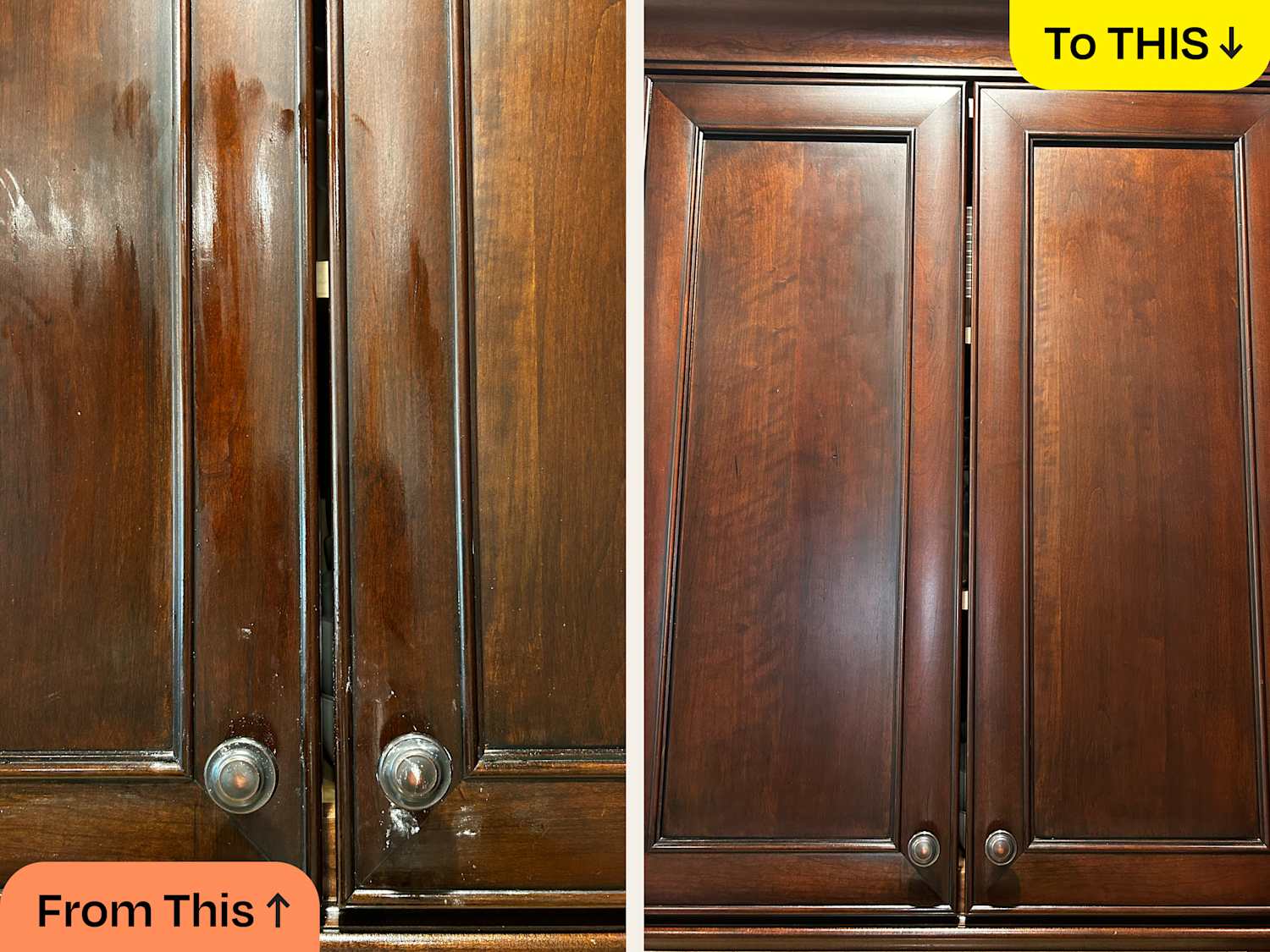
Credit: www.thekitchn.com

Credit: www.aol.com
Frequently Asked Questions
How Do I Remove Oil Grease From Kitchen Walls?
Use a mixture of warm water, dish soap, and vinegar. Apply with a sponge, scrub gently, then rinse with clean water. Repeat if needed for stubborn stains.
What Household Items Clean Kitchen Grease Effectively?
Common items like baking soda, vinegar, and dish soap work well. They break down grease safely and are eco-friendly alternatives to harsh chemicals.
Can I Use Vinegar To Clean Greasy Kitchen Walls?
Yes, vinegar cuts through grease efficiently. Mix it with warm water and apply with a cloth. It also deodorizes and disinfects surfaces naturally.
How Often Should I Clean Grease Off Kitchen Walls?
Clean greasy walls weekly or after heavy cooking. Regular cleaning prevents buildup and keeps your kitchen fresh and hygienic.
Conclusion
Cleaning oil grease from kitchen walls is simple with the right steps. Start with gentle cleaning solutions. These protect your wall’s surface. Use a soft cloth or sponge. This avoids scratches. Regular cleaning prevents buildup. It keeps your kitchen looking fresh.
Vinegar and baking soda are great natural options. They cut through grease efficiently. Always test a small area first. This ensures no damage occurs. Consistent cleaning saves you time and effort. Enjoy a clean, inviting kitchen space. Keep it clean, keep it welcoming.
Your kitchen will thank you.

Sophia Martinez is a culinary lifestyle writer and product reviewer for DiningGadgets.com. Passionate about blending style with functionality, she explores the latest dining essentials, kitchen décor, and cleaning hacks that transform everyday cooking spaces. With a background in home organization and design, Sophia brings readers expert advice on creating beautiful, practical kitchens that truly feel like the heart of the home.


One Comment