

Grease stains on your painted kitchen walls can be a real eyesore. No matter how clean and tidy you keep your kitchen, those stubborn marks seem to appear out of nowhere.
How to Remove Grease Stains from Painted Kitchen Walls. You might feel frustrated, maybe even embarrassed when guests come over, wondering if they notice the greasy spots more than the delicious aroma of your cooking. But don’t worry; you’re not alone in this struggle. Many homeowners face this challenge, and there’s good news: you can easily tackle these stains without damaging your beautiful walls.
By following a few simple steps, you can restore your kitchen walls to their pristine glory. Keep reading to discover the secrets to removing grease stains effectively and effortlessly, so you can enjoy a spotless kitchen and focus on what truly matters – creating delicious meals for your loved ones.
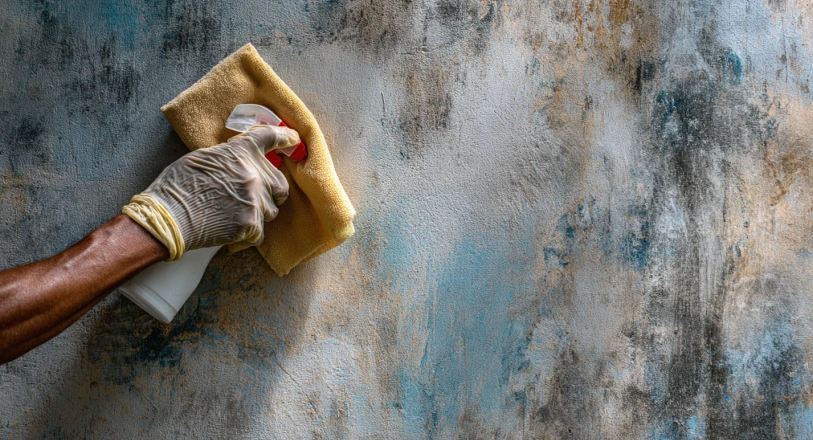
Removing stubborn grease stains using baking soda
Causes Of Grease Stains
Grease stains on painted kitchen walls can be frustrating and stubborn. Understanding what causes these stains is the first step toward effective cleaning and prevention. You might be surprised how everyday cooking habits contribute to these marks on your walls.
Cooking Fumes And Splatter
When you fry, sauté, or grill, tiny droplets of grease escape into the air. These particles eventually settle on nearby surfaces, including your walls. Over time, the accumulation creates visible stains that are hard to ignore.
Have you noticed how walls closest to the stove often look dull or sticky? That’s the grease settling after every meal you prepare.
Steam Mixing With Oil
Steam from boiling water or simmering pots carries oil particles from cooking oils into the air. When this oily steam touches your painted walls, it leaves behind a thin, greasy film. This film attracts dust and dirt, making the stains more noticeable.
Think about how often you steam vegetables or pasta without a hood vent—this can increase the chance of grease sticking to your walls.
Lack Of Proper Ventilation
Without good ventilation, grease and smoke linger in your kitchen longer. Exhaust fans or range hoods help remove airborne grease particles before they settle. If your kitchen lacks these, grease has more time to build up on walls.
Do you find your kitchen feels smoky or sticky after cooking? That could be a sign your ventilation needs an upgrade to protect your walls.
Touching Walls With Greasy Hands
It’s easy to forget that hands coated with cooking oil can transfer grease directly onto walls. Whether you lean against the wall or accidentally brush past it, those small touches add up. This often creates greasy fingerprints or smudges on painted surfaces.
Have you ever noticed sticky spots around light switches or door frames? These are common places where greasy hands leave marks.
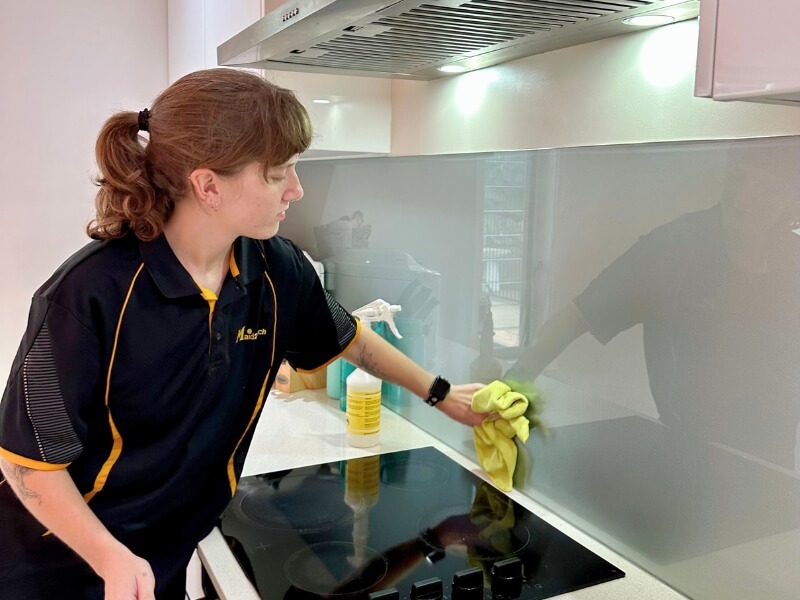
Gentle cleaning of painted wall without damaging paint
Tools And Materials Needed
Removing grease stains from painted kitchen walls requires the right tools and materials to avoid damaging the paint while effectively cleaning the surface. Having everything prepared before you start makes the process smoother and helps you tackle stubborn stains without frustration.
Gathering the correct supplies can save you time and prevent the need for repeated cleaning attempts. Have you ever tried scrubbing a grease stain only to find the paint peeling or fading? Using the right products ensures your walls stay fresh and intact.
Cleaning Cloths And Sponges
- Microfiber cloths:These are gentle on paint and great for wiping away grease without scratching.
- Soft sponges:Look for non-abrasive sponges that won’t strip the paint but still provide enough scrubbing power.
- Old towels or rags:Perfect for blotting and drying after cleaning.
Cleaning Solutions
- Mild dish soap:Effective at breaking down grease without harsh chemicals.
- Baking soda:A natural abrasive that helps lift stains gently.
- White vinegar:Works well as a grease cutter and deodorizer when diluted with water.
- Commercial degreaser:Use cautiously and test on a small area first to avoid paint damage.
Additional Tools
- Spray bottle:For evenly applying cleaning solutions without soaking the wall.
- Bucket of warm water:Essential for rinsing sponges and diluting cleaning agents.
- Soft-bristle brush:Helpful for reaching textured surfaces or stubborn spots.
- Protective gloves:Keep your hands safe from irritation while scrubbing.
Prepping The Wall Surface
Before you tackle those stubborn grease stains on your painted kitchen walls, getting the wall surface ready is key. Proper preparation helps remove loose dirt and ensures any cleaning product you use works effectively. Skipping this step can leave you scrubbing harder with little result.
Clear The Area Around The Wall
Start by moving furniture, kitchen appliances, and decor away from the stained wall. This gives you easy access and prevents accidental damage to items nearby. You don’t want to clean your walls only to find a coffee maker covered in cleaner residue.
Dust And Remove Loose Debris
Use a dry microfiber cloth or a soft brush to wipe down the wall gently. Dust and crumbs can trap grease and interfere with cleaning solutions. Taking this simple step can make a surprising difference in how clean your wall looks afterward.
Protect Your Floors And Fixtures
Lay down a drop cloth or old towels at the base of the wall. Splashing cleaning solutions can damage your floor or cabinets if you’re not careful. Protecting your surroundings saves you extra cleaning and potential repairs later.
Test The Paint For Durability
Before applying any cleaner, test it on a small, hidden spot. Some paints react poorly to strong detergents or scrubbing. This test prevents peeling or discoloration, letting you clean confidently without ruining your kitchen walls.
Using Soap And Water
Soap and water remain the simplest and most effective way to tackle grease stains on painted kitchen walls. This method is gentle enough to protect your paint while breaking down stubborn grease. If you’ve ever tried scrubbing too hard and ended up with chipped paint, you’ll appreciate how careful handling makes all the difference.
Choosing The Right Soap
Use a mild dish soap that cuts through grease but won’t damage your wall’s finish. Avoid harsh detergents or abrasive cleaners. A few drops of dish soap mixed with warm water can create a powerful cleaning solution without risking paint damage.
Preparing Your Cleaning Solution
Fill a bucket or bowl with warm water and add just enough soap to make it sudsy. Too much soap can leave residue, so keep it moderate. Stir gently to mix without creating too many bubbles that might make rinsing harder.
Cleaning The Grease Stain
Dip a soft sponge or cloth into the soapy water and wring it out well. Gently wipe the stained area in circular motions. Don’t scrub aggressively; instead, let the soap do the work to lift the grease without harming the paint.
Rinsing And Drying
After wiping away the grease, rinse your sponge or cloth with clean water and wipe the wall again to remove soap residue. Use a dry towel or microfiber cloth to pat the area dry. This step prevents water spots and keeps your paint looking fresh.
Tips For Tough Stains
- Apply the soapy solution and let it sit for a few minutes before wiping.
- Repeat the process if the stain persists, but avoid over-saturating the wall.
- Test the soap solution on a small hidden spot first to check for any paint reaction.
Have you ever wondered why some grease stains just won’t budge? Sometimes, the key is patience and gentle persistence. Soap and water can handle more than you think—if you give them the chance.
Applying Baking Soda Paste
Applying a baking soda paste is a simple and effective way to tackle grease stains on painted kitchen walls. This common household ingredient acts as a gentle abrasive, lifting grease without damaging your paint. You might be surprised how easily this paste can refresh your kitchen walls with just a few minutes of effort.
Gathering Ingredients And Tools
You only need two things to make your baking soda paste: baking soda and water. Mix about three parts baking soda with one part water until you get a spreadable paste. Grab a soft cloth or sponge to apply the paste gently to the stained areas.
Applying The Paste To The Stain
Spread the baking soda paste directly onto the grease stain using your cloth or sponge. Avoid rubbing too hard, as this can damage the paint. Instead, use gentle circular motions to let the paste work on breaking down the grease.
Letting The Paste Sit
Give the paste time to absorb the grease by letting it sit on the wall for 10 to 15 minutes. This wait allows the baking soda to lift the stain without any harsh scrubbing. Have you noticed that some stains soften simply by waiting patiently?
Wiping Off And Rinsing
After the paste has sat, wipe it off with a clean, damp cloth. Make sure to remove all residue to prevent any white marks from baking soda drying on the paint. Finish by drying the wall with a soft towel to keep your paint looking fresh.
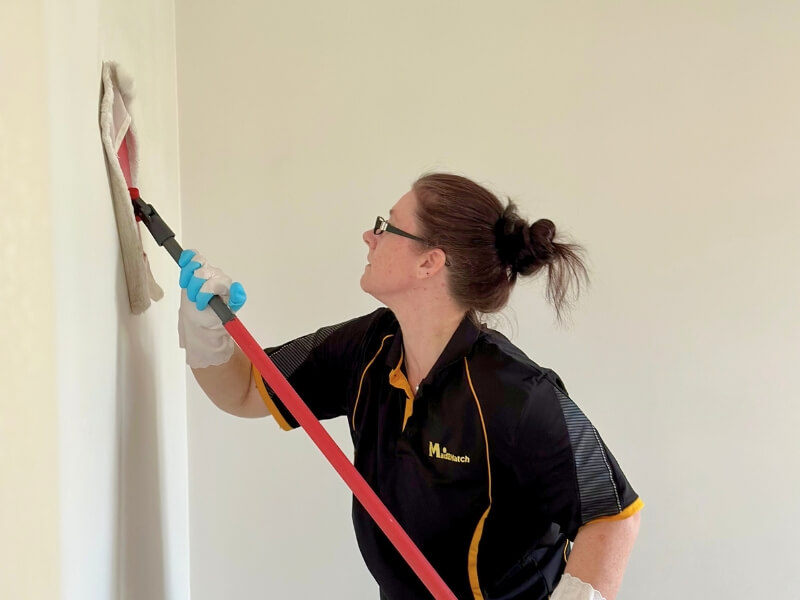
Before and after cleaning greasy painted wall
Cleaning With Vinegar Solution
Vinegar is a powerhouse for cleaning grease stains on painted kitchen walls. Its natural acidity breaks down oily residue without damaging your paint. Plus, it’s safe, affordable, and usually already in your pantry.
Before you start scrubbing, you’ll want to prepare a gentle vinegar solution. This helps control the strength of the vinegar, so it cleans effectively without eating away at the paint finish.
Preparing The Vinegar Solution
Mix equal parts of white vinegar and warm water in a spray bottle or a bowl. This balance is strong enough to tackle grease but mild enough to protect your walls. Avoid using undiluted vinegar, as it might dull or harm the paint.
If your wall has stubborn grease, you can add a teaspoon of dish soap to the mix. This small addition boosts grease-cutting power while keeping the solution gentle.
Applying The Vinegar Solution To The Wall
Lightly spray or dab the solution onto the stained area using a soft cloth or sponge. Don’t soak the wall; excess moisture can damage the paint or seep into drywall. Instead, use gentle circular motions to lift the grease without harsh rubbing.
Let the solution sit for 5 to 10 minutes to break down the grease. This pause gives vinegar time to dissolve the oily residue, making it easier to wipe away.
Wiping And Drying The Surface
After the solution has settled, use a clean, damp cloth to wipe the area. Rinse the cloth frequently to avoid spreading the grease. Once clean, dry the wall with a soft towel to prevent water spots or streaks.
Have you ever noticed how simple ingredients like vinegar can outperform expensive cleaners? Give this method a try next time your kitchen walls need a refresh—you might be surprised at how effective it is.
Using Commercial Degreasers
Using commercial degreasers can be a game changer when tackling stubborn grease stains on painted kitchen walls. These products are designed to break down tough grease quickly, saving you time and effort. However, choosing the right degreaser and applying it correctly is key to protecting your paint finish while getting the job done.
Choosing The Right Commercial Degreaser
Not all degreasers are safe for painted surfaces. Look for labels that specify use on painted walls or delicate surfaces. Avoid harsh chemicals like bleach or ammonia, which can strip paint or cause discoloration.
Consider eco-friendly options with gentle formulas. They often work well and reduce the risk of damage. If you’re unsure, test the degreaser on a small, hidden area first to see how your paint reacts.
How To Apply Commercial Degreasers Safely
Before applying, wipe the wall gently with a dry cloth to remove loose dirt. Spray or apply the degreaser sparingly on the grease stain. Too much product can soak into the paint and cause peeling.
Use a soft sponge or cloth to gently rub the area in circular motions. Avoid scrubbing too hard, which can damage the paint. After a few minutes, wipe off the residue with a clean, damp cloth to prevent buildup.
Precautions To Protect Your Painted Walls
Always read and follow the manufacturer’s instructions for safety and best results. Ventilate the kitchen well to avoid inhaling fumes. Wearing gloves will protect your skin from irritation.
Pay attention to how your paint reacts after cleaning. If you notice any fading or bubbling, stop using that product immediately. Sometimes, repeated cleaning with strong degreasers can wear down paint over time.
Preventing Future Grease Stains
Preventing future grease stains on your painted kitchen walls saves you time and effort later. It’s easier to stop stains before they happen than to scrub them off repeatedly. Simple habits and small changes in your kitchen setup can keep your walls looking fresh and clean for longer.
Keep A Splash Guard Or Backsplash Installed
Installing a splash guard or a backsplash behind your stove and sink creates a barrier between grease and your painted walls. These surfaces are easier to clean and protect your paint from direct contact with cooking splatters.
You don’t have to install expensive tiles. A clear acrylic panel or even a washable plastic sheet does the trick. Have you noticed how much easier it is to wipe down these surfaces compared to painted walls?
Use A Range Hood Or Ventilation Fan
A good ventilation system pulls grease and smoke away from your walls while you cook. Without it, grease particles float around and settle on every surface.
Turn on the range hood every time you cook, especially when frying or grilling. This simple step can reduce grease buildup significantly. Have you ever cooked without a fan and noticed a sticky film on your walls afterward?
Wipe Walls Regularly With A Damp Cloth
Grease doesn’t wait long to stick. Wiping your walls with a damp cloth after cooking prevents stains from becoming permanent. It’s a small task that makes a big difference.
Keep a microfiber cloth handy near your cooking area. Regular quick wipes remove fresh grease before it dries. How often do you clean your walls after meals?
Choose Paint With A Glossy Or Semi-gloss Finish
Paint with a glossy or semi-gloss finish resists grease better than flat or matte finishes. The smoother surface prevents grease from soaking in, making cleaning easier.
If you’re repainting your kitchen, consider switching to these finishes. They stand up better to kitchen messes and keep your walls looking clean longer. Have you ever noticed how some painted walls wipe clean much easier than others?
When To Repaint
Knowing when to repaint your kitchen walls after tackling grease stains is just as important as the cleaning process itself. Painting too soon can trap stains or cause peeling, while waiting too long may leave your kitchen looking dull and dirty. Recognizing the right moment to refresh your paint will help keep your kitchen bright and clean without wasting effort.
Signs That Your Paint Needs Refreshing
Look closely at your walls after cleaning. Are there still visible stains or discoloration? If grease marks remain faint but noticeable, a simple touch-up might work.
However, if the paint is bubbling, peeling, or the surface feels sticky, it’s a clear sign that grease has penetrated the paint layer. These issues usually mean repainting is necessary to restore a smooth, fresh finish.
How Long To Wait Before Repainting
After cleaning grease stains, allow your walls to dry completely. Depending on the cleaning method and humidity, this can take 24 to 48 hours.
Painting over damp or oily surfaces can cause paint to peel or not adhere properly. Patience here saves you from having to redo the work soon after.
Preparing Walls For Repainting
Before applying new paint, make sure to remove any remaining grease residue. Use a mild degreaser and rinse well with clean water.
Lightly sanding the surface can help the new paint stick better, especially if the old paint feels rough or damaged. Wipe away dust before you start painting.
Choosing The Right Paint For Kitchen Walls
Not all paints handle kitchen grease and humidity equally. Opt for a semi-gloss or satin finish, which is easier to wipe clean and more resistant to stains.
Some paints also come with built-in mildew and stain resistance, providing extra protection for busy kitchens.
Frequently Asked Questions
How Do I Safely Remove Grease Stains From Painted Walls?
Use a mild detergent mixed with warm water and a soft sponge. Gently scrub the stain without damaging the paint. Rinse with clean water and dry with a soft cloth to avoid streaks or paint peeling.
What Household Items Can Remove Kitchen Wall Grease?
Common items like baking soda, vinegar, or dish soap work well. Baking soda acts as a mild abrasive, while vinegar cuts through grease. Always test on a small spot before applying widely to prevent paint damage.
Can I Use Commercial Cleaners On Painted Kitchen Walls?
Yes, but choose non-abrasive, paint-safe cleaners. Avoid harsh chemicals that may strip paint or cause discoloration. Follow product instructions and test on a hidden area first to ensure safety and effectiveness.
How Often Should I Clean Painted Kitchen Walls To Prevent Grease?
Clean walls every few weeks or after heavy cooking sessions. Regular cleaning prevents grease buildup and keeps paint fresh. Quick wipe-downs with a damp cloth help maintain cleanliness and reduce stain formation.
Conclusion
Grease stains on painted kitchen walls can be tough to remove. Using gentle cleaners and soft cloths works best. Act quickly to stop stains from setting. Regular cleaning keeps your walls fresh and bright. Avoid harsh scrubbing to protect the paint.
With simple steps, your kitchen looks clean again. Remember, patience helps achieve the best results. Keep your kitchen walls spotless and inviting every day.
