

Thinking about removing a load-bearing wall in your kitchen? You might feel excited about opening up your space but also a bit overwhelmed by the challenges ahead.
How to Remove Load Bearing Wall in Kitchen. This isn’t a simple knockdown job—you’re dealing with a wall that supports your entire home’s structure. If you get it wrong, it could lead to serious problems. But don’t worry. You’ll discover clear, step-by-step guidance on how to safely remove that wall and transform your kitchen into the open, inviting space you’ve always wanted.
Keep reading to find out exactly what you need to know before starting this important project.
Assessing The Wall
Removing a load bearing wall in your kitchen needs careful thought and planning. The first and most important step is assessing the wall. This helps to understand its role in your home’s structure. Assessing ensures safety and prevents damage during renovation. Take your time to study the wall before making any changes.
Identifying Load Bearing Walls
Not every wall supports your house. Load bearing walls carry weight from the roof and floors above. These walls are often thicker and run perpendicular to floor joists. Look for beams or columns nearby. Check the basement or crawl space for walls directly below. Walls in the center of the house often bear loads. Use a stud finder to locate dense framing.
Evaluating Structural Impact
Removing a load bearing wall affects your home’s strength. The roof or upper floors may sag without support. Consider what the wall holds up. Look for cracks or signs of stress around the wall. Think about how the change affects your home’s balance. Plan to replace the wall’s support with a beam or column.
Consulting A Structural Engineer
Experts provide key advice on load bearing walls. A structural engineer assesses the wall’s importance. They calculate how to safely remove or alter it. Engineers design support beams that fit your kitchen. They help prevent costly mistakes and dangers. Always get a professional opinion before starting work.
Planning The Removal
Removing a load-bearing wall in your kitchen is a major task that requires careful planning. This is not just about knocking down a wall—it’s about ensuring your home remains safe and functional. Taking time to plan can save you from costly mistakes and unexpected delays.
Obtaining Necessary Permits
Before you start, check with your local building department about the permits you need. Removing a load-bearing wall affects your home’s structure, so authorities must approve your plans. Skipping permits can lead to fines or having to undo the work later.
Reach out early to avoid delays. You might need to submit detailed plans, including engineering reports, showing how you will support the structure once the wall is gone. This paperwork can feel overwhelming, but it ensures your project meets safety standards.
Designing The New Layout
Think about how your kitchen will look and function after the wall is removed. Are you aiming for an open concept, or do you want defined zones for cooking and dining? Sketch out your ideas or work with a designer to visualize the space.
Consider where to add supports like beams or columns to replace the wall. These elements should blend with your kitchen style and not block walkways or light. Ask yourself: Will this change improve daily life in the kitchen or create new challenges?
Budgeting For The Project
Costs can add up quickly once you factor in permits, engineering, materials, and labor. Set a realistic budget that includes a buffer for unexpected expenses. Remember, cutting corners on support structures isn’t worth the risk.
Get quotes from several contractors and compare their offerings carefully. Sometimes paying a bit more upfront avoids headaches and extra costs later. Are you ready to invest in quality work that keeps your home safe and stylish?
Preparing The Kitchen
Preparing your kitchen before removing a load-bearing wall is critical to a smooth and safe renovation. Taking time to organize and protect the space helps you avoid costly damages and unexpected delays. Think of this stage as setting the foundation for success in your project.
Clearing The Work Area
Start by removing all movable items from the kitchen. Cabinets, small appliances, and utensils should be relocated to another room if possible. This gives you plenty of space to work and prevents accidental damage to your belongings.
Don’t forget about wall-mounted items like shelves and artwork. Take them down carefully and store them safely. A clean, open area reduces tripping hazards and makes it easier to bring in tools and materials.
Protecting Fixtures And Flooring
Your kitchen fixtures and floors need a shield against dust, debris, and potential impact. Use heavy-duty plastic sheets or drop cloths to cover countertops, sinks, and appliances that can’t be moved. This simple step saves you from extensive cleaning or repairs later.
For flooring, consider using plywood sheets over vulnerable spots. This provides a sturdy surface to walk on and prevents scratches or dents from heavy equipment. Have you noticed how often floors get overlooked during renovations? Protecting them upfront is a smart move.
Shutting Off Utilities
Safety is non-negotiable. Before any demolition, shut off the kitchen’s utilities to avoid accidents. This includes water, gas, and electricity connected to the wall you plan to remove.
Locate your main shut-off valves and breakers, and label them clearly. If you’re unsure about any connections, consulting a professional electrician or plumber can save you headaches. Have you checked if your tools are insulated and ready for working near electrical lines?

Contractor removing load bearing wall in kitchen safely
Structural Support Solutions
Removing a load bearing wall in a kitchen requires careful planning for structural support. This process ensures your home stays safe and stable during and after the removal. Structural support solutions help carry the weight the wall used to hold. These solutions prevent damage and maintain your kitchen’s integrity.
Installing Temporary Supports
Temporary supports hold the weight while the wall is removed. These supports include adjustable steel or wooden posts. Place them on both sides of the wall to keep the ceiling secure. Make sure the floor and ceiling are level before setting supports. Check the stability of the supports regularly during work.
Choosing Beams And Columns
Beams replace the wall’s load-bearing function. Common materials are steel, laminated veneer lumber (LVL), or solid wood. The size depends on the weight and span of the opening. Columns may be needed to carry the beam’s load to the floor. Choose columns that blend with the kitchen’s design and meet safety standards.
Load Transfer Techniques
Load transfer moves weight from the removed wall to new supports. This often involves installing a beam across the opening. The beam carries the load to columns or existing walls. Use proper connectors and hardware to secure the beam. Consult a structural engineer to design the best load transfer system.
Wall Removal Process
Removing a load bearing wall in your kitchen is a careful task. The wall removal process needs planning and precision. It ensures safety and structural strength while creating an open kitchen space. Every step matters, from demolition to cleanup and support.
Demolition Steps
Turn off all utilities in the wall area. Remove any cabinets or fixtures attached to the wall. Use protective gear like goggles and gloves. Score the drywall with a utility knife to control dust. Carefully remove drywall panels to expose the studs. Cut and remove the studs and framing slowly. Keep an eye on structural beams and supports during removal.
Handling Debris Safely
Gather debris in heavy-duty bags or containers. Avoid overfilling to prevent tears and spills. Sweep or vacuum dust and small particles regularly. Use a mask to avoid inhaling dust. Dispose of debris according to local regulations. Keep the work area clean to prevent accidents.
Maintaining Structural Stability
Install temporary supports before removing the wall. Use adjustable steel posts or wooden beams. Check load-bearing points with a professional engineer. Replace the load bearing wall with a properly sized beam. Secure the beam with strong connectors and fasteners. Inspect the structure after installation to ensure stability.
Installing temporary supports before removing load bearing kitchen wall
Post-removal Tasks
Removing a load bearing wall in the kitchen opens up space and changes the room’s flow. After the wall is gone, important tasks remain. These tasks ensure your kitchen stays safe, looks great, and works well.
Inspecting Structural Integrity
Check the new support structures carefully. Make sure beams and posts hold the weight properly. Look for any signs of cracks or shifts in the ceiling and floors. A professional inspection is best to confirm safety. This step prevents future damage or accidents.
Repairing And Finishing
Fix any damage left from the wall removal. Patch holes, smooth surfaces, and replace drywall. Paint the area to match the rest of the kitchen. Pay attention to the floor where the wall stood. Repair or replace flooring to keep the look uniform. Proper finishing improves the kitchen’s appearance and value.
Integrating Kitchen Design Elements
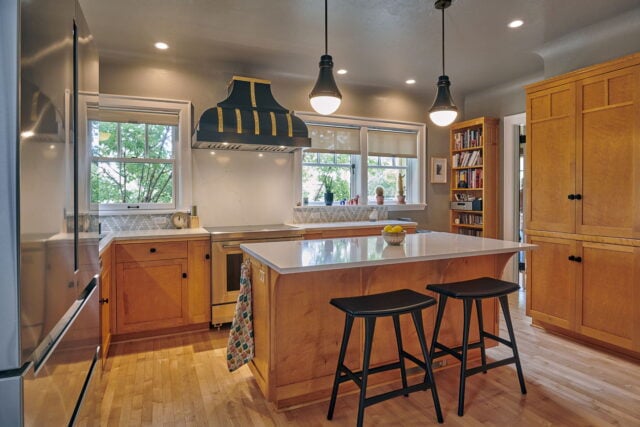
Use the new open space to improve kitchen design. Consider adding an island or a breakfast bar. Update lighting to brighten the area. Rearrange cabinets and appliances for better flow. Choose materials and colors that match the existing style. Thoughtful integration creates a cohesive and inviting kitchen.
Safety Tips And Precautions
Removing a load bearing wall in your kitchen is a complex task that requires careful attention to safety. The risks involved can affect your home’s structure and your personal well-being. Taking the right precautions ensures you protect both your property and yourself throughout the process.
Using Proper Equipment
Using the right tools is essential to keep the work safe and efficient. Make sure you have sturdy supports like adjustable steel columns or temporary braces to hold the load during removal. Always wear protective gear such as gloves, safety glasses, and a hard hat to prevent injury from debris and dust.
Power tools should be in good condition, with sharp blades and proper guards. Don’t underestimate the value of a reliable ladder or scaffolding if you need to work at height. Are you prepared to pause the work if any equipment feels unsafe or unstable?
Working With Professionals
Load bearing walls carry the weight of your home, so consulting a structural engineer is not optional—it’s critical. Professionals can assess your specific situation and design a support system that prevents collapse. Licensed contractors know the building codes and have the experience to remove the wall without compromising safety.
Hiring experts might seem costly upfront, but their guidance can save you from expensive repairs or accidents later. Think about how much risk you’re willing to take on your own before deciding to DIY this job.
Avoiding Common Mistakes
One common error is skipping the permit process. Permits ensure inspections happen, confirming the work meets safety standards. Another mistake is removing the wall without proper temporary supports, which can cause sudden structural failure.
Don’t ignore warning signs like cracks or sagging ceilings during the project—they often indicate stress on the structure. Have you planned how to handle unexpected issues if they arise? Preparing for surprises can keep the project on track and your kitchen safe.

Kitchen remodel after removing load bearing wall with beam installed
Frequently Asked Questions
What Is A Load Bearing Wall In A Kitchen?
A load bearing wall supports the weight of the structure above it. In kitchens, it holds floors, roofs, or other parts safely.
Can I Remove A Load Bearing Wall Myself?
Removing a load bearing wall requires expertise. It’s best to hire a structural engineer and professional contractors for safety.
How Do You Support The Kitchen Before Wall Removal?
Temporary supports like beams and posts hold the load. This prevents structural damage during the wall removal process.
What Permits Are Needed To Remove A Load Bearing Wall?
Most local building codes require permits. Check with your city’s building department before starting the project.
Conclusion
Removing a load-bearing wall in your kitchen requires careful planning. Always consult professionals before starting the project. Safety must come first. Consider structural integrity and potential risks. Understand the building codes for your area. Proper permits ensure a smooth process.
Budgeting is crucial for unexpected costs. Plan your design for a functional space. Open kitchens enhance natural light and space flow. A well-executed plan transforms your kitchen effectively. Enjoy a more spacious and inviting cooking area. A successful remodel adds value to your home.
Make informed choices for a rewarding renovation journey.
