

Are you ready to transform your kitchen quickly and easily? Installing kitchen wall panels is one of the best ways to give your space a fresh, modern look without a full renovation.
How to Fit Kitchen Wall Panels. But how do you make sure the panels fit perfectly and look professional? In this guide, you’ll discover simple, step-by-step tips to fit kitchen wall panels like a pro—even if you’ve never done it before. Keep reading, and by the end, you’ll have all the confidence and know-how to upgrade your kitchen walls with ease.

Step-by-step installation of kitchen wall panels
Choosing The Right Panels
Choosing the right kitchen wall panels is crucial for a successful fit and lasting look. The panels must match your kitchen’s needs and style. Consider durability, ease of cleaning, and how they will complement your space. This helps avoid costly mistakes and ensures satisfaction.
Material Options
Kitchen wall panels come in various materials. Each offers unique benefits and challenges.
- Laminate:Easy to clean and budget-friendly. Resists stains well.
- Glass:Sleek and modern. Reflects light and is heat resistant.
- PVC:Waterproof and low maintenance. Good for humid kitchens.
- Wood:Adds warmth and texture. Needs sealing to resist moisture.
- Metal:Durable and stylish. Ideal for industrial designs.
Choose a material that suits your lifestyle and kitchen use.
Measuring Your Walls
Accurate measurements prevent gaps and overlaps. Measure the width and height of each wall section carefully. Note any obstacles like sockets or cupboards. Write down all measurements before buying panels.
Use a level tool to check wall straightness. Uneven walls may need extra preparation. Double-check measurements to avoid waste and extra costs.
Matching Your Style
Wall panels should blend with your kitchen design. Consider colors and patterns that complement cabinets and countertops. Light colors can make small kitchens feel larger. Bold patterns add character but use them sparingly.
Think about the overall mood you want. Modern, rustic, or classic? Choose panels that support this vision. This creates a cohesive, inviting space.
Preparing The Wall Surface
Preparing the wall surface is a crucial step before fitting kitchen wall panels. It sets the foundation for a seamless and durable finish. Skipping this step can lead to panels that don’t stick properly or look uneven, which can be frustrating after all your hard work.
Cleaning And Repairing
Start by cleaning the wall thoroughly. Remove any grease, dust, or old adhesive using a mild detergent and warm water. A clean wall ensures the panels stick well.
Next, check for any cracks, holes, or peeling paint. Fill holes and cracks with a suitable filler and sand it down once dry. This creates a stable surface that won’t cause bumps under your panels.
Removing Obstacles
Look out for anything that might get in the way of fitting your panels. Remove hooks, nails, or any loose fixtures carefully. If you spot electrical outlets or switches, consider whether you need to move or cover them.
Leaving these obstacles can interfere with the panel installation and cause damage later. Planning ahead saves you from dealing with surprises mid-project.
Ensuring A Smooth Base
Feel the wall with your hand to detect uneven areas. Use sandpaper or a sanding block to smooth out rough patches. A flat base helps the panels lie perfectly flush against the wall.
Have you ever installed something only to find it wobbles or gaps appear? That usually happens because the surface wasn’t smooth enough. Taking time here makes a big difference in the final look and durability.
Tools And Materials Needed
Fitting kitchen wall panels requires the right combination of tools and materials to ensure a smooth, professional finish. Without proper preparation, you might face challenges like uneven surfaces or panels that don’t stick properly. Gathering everything beforehand saves time and prevents frustration during installation.
Essential Tools
- Measuring Tape:Accurate measurements keep your panels aligned perfectly.
- Spirit Level:Ensures panels are straight; trust me, a crooked panel is a headache you want to avoid.
- Utility Knife or Saw:For cutting panels to size—choose based on panel material.
- Caulking Gun:Handy for applying adhesive evenly.
- Drill and Screwdriver:Needed if you’re using screws or fixing clips.
- Sandpaper:Smooth out edges after cutting for a clean look.
Adhesives And Fixings
Not all adhesives work well with every panel type. Check if your panels require a specific glue or sealant. Many kitchen wall panels use strong, waterproof adhesive tapes or silicone-based glues that resist moisture and heat.
Fixings like screws or clips might be necessary for heavier panels or uneven walls. Using the right fixings helps the panels stay secure, especially around corners and edges. Don’t overlook extra wall plugs if your surface is drywall or plaster.
Safety Equipment
Safety doesn’t take a backseat, even for small projects. Protect your eyes with safety goggles when cutting panels or drilling. Gloves shield your hands from sharp edges and adhesive chemicals.
Consider wearing a dust mask, especially if you’re sanding or cutting synthetic panels that may release fine particles. Keeping a first aid kit nearby is always a smart move—you never know when a small cut might happen.

Modern kitchen with newly fitted wall panels
Cutting Panels To Size
Cutting kitchen wall panels to the right size is key for a neat finish. Accurate cuts make installation easier and improve the overall look. This step needs care and the right tools. Follow simple guidelines to measure and cut panels properly. Safe cutting and careful handling of edges prevent damage and injury.
Measuring Panels
Measure the wall area carefully before cutting. Use a tape measure for precise length and height. Mark the panel with a pencil where you need to cut. Double-check measurements to avoid mistakes. Remember to account for any outlets or switches in the panel area.
Safe Cutting Techniques
Use a sharp saw or utility knife for clean cuts. Cut on a stable surface to keep the panel steady. Wear safety goggles and gloves to protect yourself. Follow the marked lines slowly and steadily. Avoid rushing to prevent rough edges or accidents.
Handling Corners And Edges
Cut corners with care to fit the wall shape perfectly. Use a fine-tooth saw for smoother edges. Sand rough edges lightly to prevent splinters. Check the panel fits well in corners before fixing. Properly trimmed edges give a professional look to your kitchen walls.
Installing The Panels
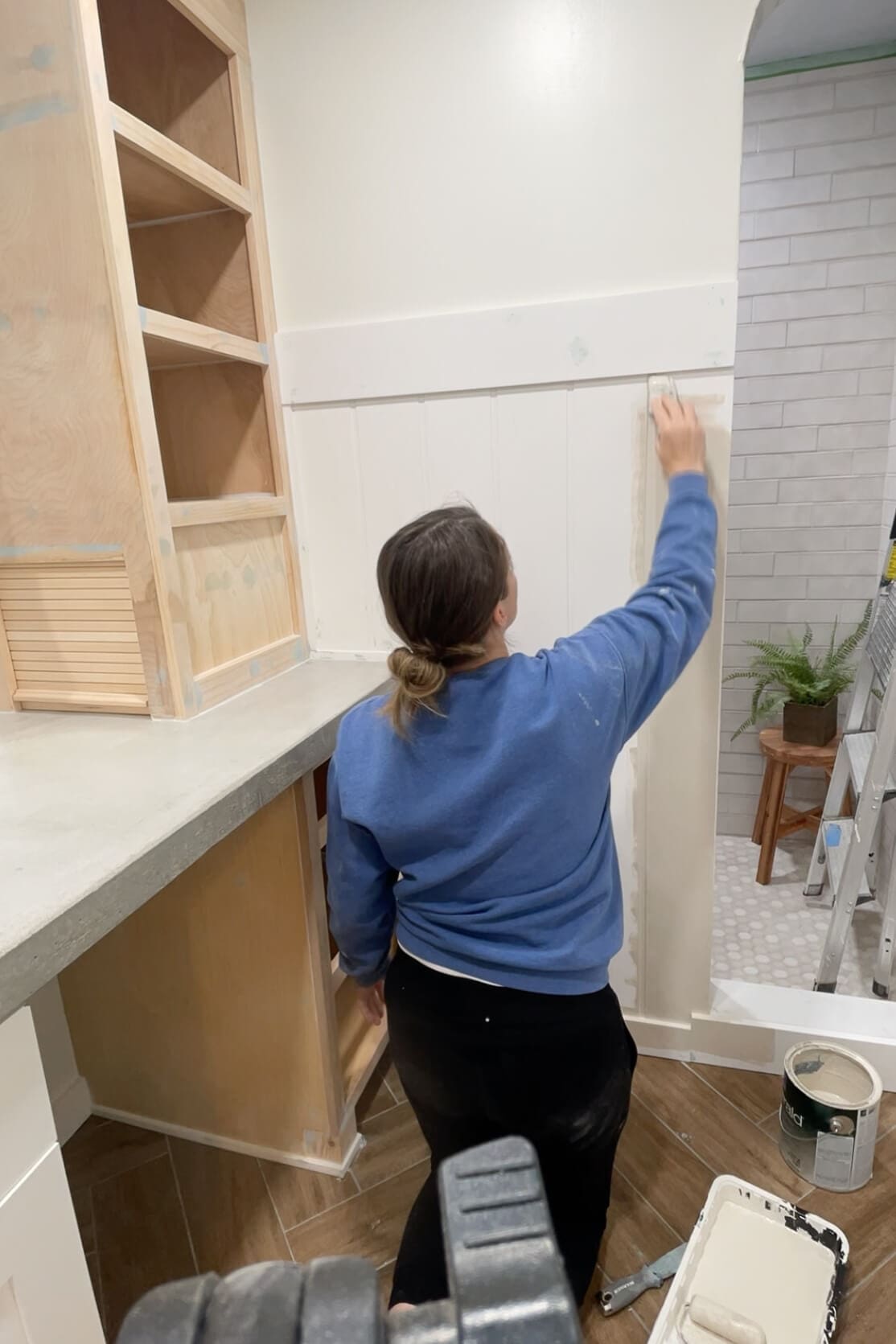
Installing kitchen wall panels is a straightforward task that can transform your space quickly. This process involves careful handling to ensure a smooth, lasting finish. Proper installation prevents gaps and peeling, keeping your kitchen looking fresh.
Applying Adhesive
Choose a strong adhesive made for kitchen panels. Apply it evenly on the back of each panel. Use a notched trowel to spread the glue in straight lines. Avoid using too much adhesive, or it will squeeze out.
Apply adhesive near the edges and in the center. This ensures the panel sticks firmly to the wall. Let the adhesive become tacky before placing the panel. This helps the panel stay in place better.
Positioning Panels Correctly
Start from the bottom corner of your kitchen wall. Align the first panel with the edges and corners precisely. Use a level to make sure it is straight. Keep a small gap between panels to allow for expansion.
Mark the wall lightly with a pencil to guide panel placement. Avoid forcing panels into place. Gently slide them into position for a tight, neat fit.
Securing Panels Firmly
Press the panel firmly against the wall after positioning. Use a rubber mallet and a block of wood to tap panels gently. This prevents damage while securing them.
Check all edges to ensure full contact with the wall. Wipe away any excess adhesive immediately with a damp cloth. Use finishing trims to cover panel joints for a polished look.
Finishing Touches
Finishing touches transform your kitchen wall panels from simply installed to truly polished. They ensure durability, enhance aesthetics, and make cleaning easier. Paying attention to these details can save you time and frustration down the line.
Sealing Joints
Sealing the joints between panels stops moisture from sneaking in. Use a high-quality silicone sealant that matches your panel color for a neat look. Apply it carefully with a caulking gun, then smooth it out with a wet finger or a sealant tool for a clean finish.
Have you noticed how even a tiny gap can collect grease and dirt? Proper sealing prevents this problem and keeps your kitchen hygienic. Don’t rush this step—take your time to ensure every joint is sealed tight.
Adding Trims And Moldings
Trims and moldings cover edges and corners, giving your panels a professional appearance. Choose trims that complement your kitchen’s style and panel design. Snap-on or adhesive trims are easy to fit and can hide any uneven cuts or gaps.
Think about corners where panels meet walls or cabinets. Adding a molding here not only hides imperfections but also adds a stylish frame to your panels. It’s a small detail that can make a big impact on your kitchen’s overall look.
Cleaning And Maintenance Tips
Keeping your wall panels spotless is simpler than you might expect. Use a soft cloth or sponge with mild soap and warm water for regular cleaning. Avoid abrasive cleaners that can scratch or dull the panel surface.
Do you have stubborn stains or grease spots? A gentle vinegar solution can work wonders without damaging the panels. Regular cleaning prevents buildup and keeps your kitchen looking fresh and inviting every day.
Common Mistakes To Avoid
Fitting kitchen wall panels can transform your space quickly, but avoiding common mistakes is crucial to ensure a flawless finish. Many people rush the process and end up with gaps, peeling panels, or uneven surfaces. Taking your time to avoid these errors will save you frustration and additional costs.
Incorrect Measurements
Measuring your walls accurately is the foundation of a successful panel installation. Even a small error can cause panels not to fit properly, leading to awkward gaps or the need to cut panels repeatedly. Always double-check your measurements and use a level to ensure walls are straight before cutting panels.
Have you ever tried fitting a panel only to realize it’s just a bit too wide or too tall? That’s why cutting panels to exact dimensions matters more than you might think. Take your time here—measuring twice can save you hours of fixing mistakes later.
Poor Adhesion
Using the wrong adhesive or applying it unevenly often causes panels to peel off after a short time. Choose a strong, waterproof adhesive designed for your panel material and kitchen environment. Apply it evenly, focusing on edges and corners where panels are most likely to lift.
Think about the last time you saw a panel start to bubble or come loose. Could it have been avoided with better adhesive or application? Proper adhesion isn’t just about sticking the panel—it’s about making sure it stays put under kitchen conditions like heat and moisture.
Ignoring Wall Preparation
Many skip cleaning and smoothing the wall before installation, assuming the panels will cover everything. But dirt, grease, or uneven surfaces can prevent panels from sticking properly and cause an uneven finish. Always clean the wall thoroughly and repair any holes or bumps before you start.
Have you noticed how a poorly prepared wall can make even the best panels look bad? Taking a little extra time to prep your walls gives your panels a solid, smooth base and helps your kitchen look polished and professional.
Kitchen wall panel upgrade with wooden finish
Enhancing Your Kitchen Look
Enhancing your kitchen look starts with the right wall panels. These panels bring style and protection to your kitchen walls. They create a clean, smooth surface that is easy to maintain. The choice of design and color impacts the entire kitchen feel. Small details can make a big difference in the final look.
Coordinating With Cabinets
Wall panels should match or complement your cabinets. Choose colors that balance the cabinet tones. Light panels brighten darker cabinets. Dark panels add depth to light cabinets. Texture also matters. Smooth panels suit modern cabinets. Wood grain panels fit classic or rustic styles.
- Match colors for a unified look
- Use contrast to highlight cabinets
- Consider cabinet material when choosing panels
Lighting Effects
Good lighting changes how panels look. Natural light makes colors appear true and fresh. Artificial light can create warm or cool moods. Glossy panels reflect light and brighten space. Matte panels absorb light, adding softness. Place lights to avoid shadows on panels.
- Use under-cabinet lighting to highlight panels
- Choose warm lights for cozy kitchens
- Try cool lights for a modern feel
Decor Ideas
Wall panels provide a backdrop for kitchen decor. Add small shelves to display plants or spices. Hang artwork or kitchen tools for interest. Use magnetic strips on panels for knives or notes. Consider sticking decals for a quick style update.
- Keep decor simple to avoid clutter
- Use colors that match panels and cabinets
- Change decor seasonally for freshness
Frequently Asked Questions
How Do I Prepare Walls For Kitchen Wall Panels?
Clean the wall surface thoroughly and remove any grease or dirt. Ensure walls are smooth and dry before installing panels. Fill holes or cracks with filler and sand them down evenly. Proper preparation ensures panels adhere well and last longer.
What Tools Are Needed To Fit Kitchen Wall Panels?
You will need a tape measure, spirit level, saw, adhesive, silicone sealant, and a utility knife. A drill and screws may be necessary for extra support. Having the right tools makes installation easier and more precise.
Can Kitchen Wall Panels Be Fitted Over Tiles?
Yes, panels can be fitted directly over tiles if the surface is clean and even. Use a strong adhesive designed for tiles to ensure panels stick properly. This method saves time and avoids tile removal.
How Long Does It Take To Fit Kitchen Wall Panels?
Fitting kitchen wall panels usually takes 2 to 4 hours depending on the area size. Preparation and drying time may add extra hours. Proper planning helps complete the job efficiently.
Conclusion
Fitting kitchen wall panels can transform your space beautifully. Start by gathering all necessary tools. Measure your walls carefully for accuracy. Ensure panels fit snugly and securely. Use proper adhesives to prevent future issues. Follow safety guidelines throughout the process.
Take your time to avoid mistakes. A neat finish enhances the kitchen’s look. Patience and precision bring the best results. Enjoy the satisfaction of a job well done. Your kitchen will look fresh and updated. Wall panels offer a quick, stylish upgrade.
Now, enjoy your new kitchen atmosphere!

Sophia Martinez is a culinary lifestyle writer and product reviewer for DiningGadgets.com. Passionate about blending style with functionality, she explores the latest dining essentials, kitchen décor, and cleaning hacks that transform everyday cooking spaces. With a background in home organization and design, Sophia brings readers expert advice on creating beautiful, practical kitchens that truly feel like the heart of the home.