

Are your kitchen wall tiles looking dull or stained? Grimy grout lines can make your entire kitchen feel less fresh, even if you clean everything else.
How to Clean Kitchen Wall Tiles and Grout. But don’t worry—you don’t need harsh chemicals or expensive tools to bring back that sparkling shine. You’ll discover simple, effective ways to clean your kitchen tiles and grout so they look brand new. Keep reading, and you’ll learn easy tricks that save time and effort, making your kitchen a place you’re proud to show off.
Tools And Materials Needed
Cleaning kitchen wall tiles and grout requires the right tools and materials to get the job done effectively. Using proper supplies not only makes the process easier but also ensures your tiles look fresh without damage. Let’s look at what you need to gather before starting your cleaning routine.
Essential Cleaning Supplies
- All-purpose cleaner or tile cleaner:Choose one designed for kitchen surfaces. It helps break down grease and stains without harming the tiles.
- Grout cleaner or baking soda:Baking soda mixed with water makes a gentle paste that works wonders on grout stains.
- Soft-bristle brush or old toothbrush:These tools reach into grout lines without scratching tiles.
- Sponge or microfiber cloth:Ideal for wiping away dirt and cleaning solutions without leaving lint behind.
- Spray bottle:Handy for applying cleaning solutions evenly over tiles and grout.
- Bucket:Useful for mixing cleaning solutions and rinsing your sponge or cloth.
When I first tackled my own kitchen tiles, I underestimated the power of a soft brush. Using a stiff brush caused tiny scratches that were tough to fix. Choosing the right brush made a big difference in preserving the tile finish.
Safety Gear To Use
- Rubber gloves:Protect your hands from harsh chemicals and prolonged moisture exposure.
- Protective eyewear:Guards your eyes from splashes of cleaning solutions.
- Face mask:Useful if you’re sensitive to strong odors or using bleach-based cleaners.
- Old clothes or apron:Prevents your clothing from stains or chemical spills.
Have you ever felt irritation after cleaning your kitchen? I did until I started wearing gloves and a mask. It’s a small step that makes a big difference in comfort and safety during cleaning.
Preparing The Area
Preparing the area before cleaning your kitchen wall tiles and grout sets the stage for effective and hassle-free results. It helps you avoid damage to other surfaces and ensures you can focus solely on the tiles without distractions. Taking a few moments to get everything ready can save you time and frustration later on.
Clearing The Kitchen Wall
Start by removing anything hanging on or near the tiles. This includes pictures, clocks, shelves, and magnets on nearby metal surfaces. Clearing the wall gives you full access and prevents accidental spills or damage to your belongings.
Next, wipe down the tiles gently with a dry cloth to remove loose dust and crumbs. This simple step stops dirt from mixing with your cleaning solution, making the process more efficient. Have you ever tried cleaning over clutter only to realize you missed spots? Clearing the area solves that problem.
Protecting Surrounding Surfaces
Kitchen walls often meet counters, cabinets, or electrical outlets. Protect these areas by covering them with plastic sheets, painter’s tape, or old towels. This prevents harsh cleaning agents from causing stains or damage.
Don’t forget about the floor directly below the tiles. Placing a drop cloth or newspapers will catch drips and spills. It’s a small effort that keeps your kitchen floor safe and saves you from extra cleanup later.
Cleaning Kitchen Wall Tiles
Cleaning kitchen wall tiles is more than just a chore—it can transform the entire look of your kitchen. Grease, food splatters, and dust build up quickly on these surfaces, dulling their shine and making your kitchen feel less inviting. Tackling this task effectively means choosing the right approach and products to keep your tiles spotless and your kitchen fresh.
Choosing The Right Cleaner
Not all tile cleaners are created equal. Some are too harsh and can damage the tile’s finish, while others might not cut through grease effectively.
Look for a cleaner specifically designed for kitchen tiles. These often contain degreasers that break down stubborn food residues without harming the tile surface.
If you prefer natural options, white vinegar mixed with warm water works well on ceramic tiles. However, avoid vinegar on natural stone tiles like marble or granite, as it can etch the surface.
Step-by-step Tile Cleaning Process
- Prepare your cleaning solution.Mix your chosen cleaner with warm water according to the instructions.
- Wipe down the tiles.Use a soft cloth or sponge soaked in the solution to gently scrub the tiles, focusing on areas with visible stains or grease.
- Pay attention to grout lines.Grout can trap dirt, so a soft brush can help clean these crevices without damaging the tile.
- Rinse thoroughly.Wipe the tiles with a clean, damp cloth to remove any cleaner residue, which can attract more dirt if left behind.
- Dry the surface.Use a dry towel or microfiber cloth to prevent water spots and streaks.
Have you noticed how a clean tile surface brightens up your kitchen instantly? The extra effort you put into proper cleaning not only preserves the tiles but also makes your cooking space more enjoyable. What’s your favorite cleaning trick for tough kitchen messes?

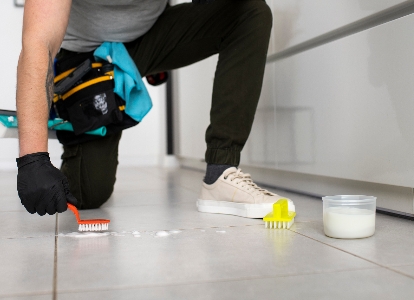
Removing dirt and grease from kitchen wall grout lines
Removing Grout Stains
Removing grout stains restores the fresh look of kitchen wall tiles. Grout often absorbs dirt, grease, and spills. Stains can make the kitchen appear dull and unclean. Proper cleaning keeps grout looking bright and extends its life. Understanding the type of grout helps choose the best cleaning method. Some stains need stronger treatments, while others respond to gentle cleaning.
Identifying Grout Types
Grout comes in different types. Common ones include cement-based, epoxy, and urethane grout. Cement-based grout is porous and prone to stains. Epoxy grout resists moisture and stains better. Urethane grout is flexible and less likely to crack.
Knowing your grout type helps pick safe cleaners. Cement grout needs gentle scrubbing and mild cleaners. Epoxy grout can handle stronger cleaning agents. Testing a small spot avoids damage or discoloration.
Effective Grout Cleaning Methods
Use these methods to clean grout stains effectively:
- Mix baking soda and water into a paste. Apply it to grout and scrub gently.
- Apply white vinegar to stubborn stains. Let it sit for 5 minutes before scrubbing.
- Use a commercial grout cleaner for tough stains. Follow the instructions carefully.
- Hydrogen peroxide works well on mold or mildew stains. Apply and scrub after 10 minutes.
- For deep cleaning, use a steam cleaner. It loosens dirt without chemicals.
Always rinse grout with clean water after cleaning. Dry thoroughly to prevent new stains. Regular cleaning prevents buildup and keeps grout bright.
Dealing With Tough Stains And Mold
Tough stains and mold on kitchen wall tiles and grout can be stubborn and frustrating to remove. These spots not only affect the look of your kitchen but can also pose health risks. Tackling them effectively means choosing the right approach for your specific problem.
Using Natural Remedies
Natural remedies offer a gentle yet effective way to clean stains and mold without harsh chemicals. A paste made from baking soda and water works wonders on grout lines. Apply it, let it sit for 10-15 minutes, then scrub with a toothbrush.
White vinegar is another powerful tool. Spray it directly on moldy areas and leave it for about an hour before wiping off. The acidity helps break down mold and grime safely.
I once tried lemon juice on a stubborn stain, and it surprisingly brightened the tiles while leaving a fresh scent. These natural options are easy to find and safe for most surfaces, but they might require a bit more elbow grease.
When To Use Chemical Cleaners
Sometimes natural remedies aren’t enough, especially with deep-set stains or heavy mold buildup. That’s when chemical cleaners come into play. Choose products specifically designed for tile and grout to avoid damage.
Look for cleaners containing bleach or hydrogen peroxide for mold removal. They kill mold spores effectively, but always use them in a well-ventilated area and wear gloves to protect your skin.
If you’ve tried scrubbing and natural solutions without success, a chemical cleaner might save you hours of effort. Just ask yourself: is the problem persistent enough to justify using stronger products?
:max_bytes(150000):strip_icc()/spr-stardrops-the-pink-stuff-marisa-viglione-08-f6d92394a1cf490c932fe891704520cd.jpeg "How to Clean Kitchen Wall Tiles And Grout: Easy Steps for Sparkling Results 2")
Close-up of sparkling kitchen wall tiles after cleaning
Maintaining Clean Tiles And Grout
Keeping your kitchen wall tiles and grout looking fresh doesn’t have to be a chore. Regular care prevents grime buildup and keeps your kitchen inviting. Let’s talk about simple habits and smart protection that make cleaning easier and extend the life of your tiles and grout.
Regular Cleaning Tips
Cleaning your tiles and grout regularly is key to avoiding tough stains. Use a mild detergent mixed with warm water and a soft brush or sponge to wipe down the surfaces.
- Focus on grout lines, where dirt loves to hide.
- Rinse with clean water to avoid residue buildup.
- Dry the tiles with a microfiber cloth to prevent water spots.
Have you noticed how a quick wipe after cooking saves you from scrubbing later? Try to make it a daily habit—it really cuts down on effort over time.
Sealing Grout For Longevity
Grout is porous, which means it soaks up stains and moisture easily. Applying a grout sealer creates a protective barrier, making cleaning faster and preventing mold growth.
- Choose a sealer designed for kitchen use to resist grease and spills.
- Apply the sealer every six months or as recommended by the product instructions.
- Make sure the grout is clean and dry before sealing for the best results.
Think about how much time you spend scrubbing grout—sealing can save you countless hours. Don’t wait for grout to look dirty; sealing early keeps it looking new longer.
Credit: www.electrodry.com.au
Frequently Asked Questions
How Often Should I Clean Kitchen Wall Tiles?
Clean kitchen wall tiles weekly to prevent grease and grime buildup. Regular cleaning keeps tiles shiny and grout stain-free. Deep clean grout every few months for best results.
What Is The Best Cleaner For Kitchen Tile Grout?
Use a mixture of baking soda and vinegar or a commercial grout cleaner. Avoid harsh chemicals that damage grout. Always test cleaners on a small area first.
Can I Use Bleach To Clean Kitchen Grout?
Bleach can remove tough stains but may discolor grout. Use diluted bleach carefully and ventilate the area well. Prefer safer alternatives for regular cleaning.
How Do I Remove Mold From Kitchen Wall Tiles?
Scrub mold with a solution of vinegar and water or a mold remover. Wear gloves and ensure good ventilation. Regular cleaning prevents mold growth on tiles.
Conclusion
Keeping kitchen wall tiles and grout clean is essential. It prevents grime buildup. Regular cleaning ensures a sparkling kitchen environment. Use simple tools and natural cleaners. They work effectively without harsh chemicals. Always dry tiles after cleaning to avoid streaks.
This helps maintain their shine. Consistent care saves time and effort in the long run. Clean tiles make your kitchen look fresh and inviting. They contribute to a healthier cooking space. Remember, a clean kitchen inspires delicious cooking adventures. Happy cleaning!
