

Is your kitchen wall covered in stubborn grease that just won’t budge? You’re not alone.
Grease buildup not only makes your kitchen look dirty but can also attract pests and cause unpleasant odors. The good news is, you don’t need expensive cleaners or hours of scrubbing to get your walls sparkling clean again. You’ll discover simple, How to Clean Kitchen Wall Greaseeffective methods to remove kitchen wall grease quickly and easily.
Keep reading, and you’ll have your kitchen looking fresh in no time.
Causes Of Kitchen Wall Grease
Kitchen wall grease is a common problem in many homes. It affects the look and cleanliness of your kitchen walls. Understanding the causes of this grease helps in keeping your kitchen clean and fresh. Grease mainly comes from cooking activities and sticks to walls over time. Knowing where it comes from and how it builds up is important for effective cleaning.
Common Grease Sources
- Frying foods in oil or butter releases grease particles.
- Steam from cooking carries tiny oil droplets onto walls.
- Grilling and sautéing produce smoke mixed with grease.
- Handling greasy hands or utensils transfers oil to surfaces.
- Cooking sprays and oils used near walls cause splatters.
How Grease Builds Up
Grease particles float in the air during cooking. These particles settle on nearby walls and surfaces. Over time, layers of grease form and become sticky. Heat from cooking makes grease more likely to stick. Dirt and dust mix with grease, making stains darker. Without cleaning, this buildup becomes hard to remove. Regular wiping helps stop grease from piling up.
Choosing The Right Cleaning Supplies
Choosing the right cleaning supplies makes kitchen wall grease removal easier. The right agents and tools work together to break down tough grease. Picking effective products saves time and effort. It also protects your walls from damage during cleaning.
Effective Cleaning Agents
Grease needs strong cleaners to dissolve and lift it away. Look for degreasers with natural ingredients to avoid harsh chemicals. Simple options like white vinegar and baking soda can also work well.
- All-purpose degreasers designed for kitchen use
- Dish soap mixed with warm water for mild grease
- White vinegar to cut through sticky residue
- Baking soda paste for scrubbing stubborn spots
- Lemon juice as a natural grease fighter and freshener
Test any cleaner on a small wall area first. This prevents damage or discoloration. Choose products safe for your wall’s paint or finish.
Tools You’ll Need
The right tools help apply cleaners and scrub off grease effectively. Soft and non-abrasive items protect your walls from scratches. Use tools that reach high and wide areas easily.
- Microfiber cloths for gentle wiping and polishing
- Soft sponges or scrubbers for greasy patches
- Spray bottles to apply liquid cleaners evenly
- Old toothbrushes for corners and edges
- Bucket for mixing cleaning solutions
Keep tools clean during the job to avoid spreading grease. Replace or wash cloths and sponges often for best results.
Preparing The Kitchen Wall
Preparing the kitchen wall is essential before tackling grease stains. Proper preparation makes cleaning easier and more effective. It also protects your walls and keeps your kitchen safe. Start by clearing the area and gathering all cleaning supplies. Check the wall for any damage or loose paint that might worsen during cleaning.
Safety Precautions
Protect yourself and your kitchen before cleaning. Wear rubber gloves to keep your hands safe from harsh cleaners. Use a mask if you are sensitive to strong smells or dust. Open windows or turn on a fan to ventilate the area well. Cover nearby appliances and countertops with cloth or plastic to avoid splashes.
Removing Loose Dirt
Remove dust and loose dirt from the wall surface first. Use a soft brush or a dry cloth to wipe the wall gently. Avoid scrubbing hard to prevent damage to the paint or wallpaper. Cleaning loose dirt prepares the surface for better grease removal. This step also stops dirt from mixing with cleaning solutions and creating stains.
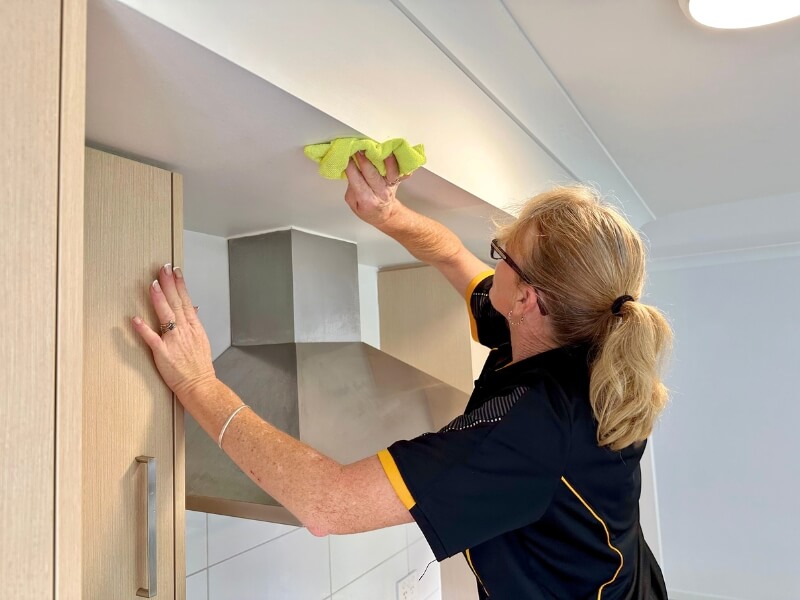
Cleaning grease stains off kitchen wall with sponge
Step-by-step Cleaning Process
Cleaning kitchen wall grease can feel like a daunting task, but breaking it down into clear, manageable actions makes a big difference. The process involves applying the right cleaner, using effective scrubbing techniques, and finishing with proper rinsing and drying. You’ll find these steps not only simplify the job but also help you avoid damage to your walls while achieving a sparkling clean surface.
Applying The Cleaner
Choose a cleaner suited for kitchen grease—something strong enough to cut through oily residue but safe for your wall’s paint or finish. Spray or apply the cleaner evenly across the greasy areas, ensuring full coverage.
Don’t rush this step. Let the cleaner sit for at least 5-10 minutes to break down the grime. Have you noticed how letting products work before wiping saves so much elbow grease?
Scrubbing Techniques
Use a soft sponge or a non-abrasive scrub brush to avoid scratching your walls. Apply gentle, circular motions to lift the grease without damaging the surface.
If the grease is stubborn, try a little extra pressure but avoid harsh scrubbing. Sometimes, patience with repeated gentle scrubs works better than aggressive scrubbing that can harm your paint.
Rinsing And Drying
After scrubbing, wipe the wall with a clean, damp cloth to remove any remaining cleaner and loosened grease. It’s important not to leave residue behind as it can attract more dirt later.
Finally, dry the wall thoroughly using a microfiber cloth or allow it to air dry. Moisture left on the surface can cause paint to peel or promote mold growth—something you definitely want to avoid.
Natural Alternatives For Grease Removal
Dealing with kitchen wall grease can feel overwhelming, especially when you want to avoid harsh chemicals. Natural alternatives offer effective ways to tackle grease while being gentle on your walls and safe for your family. These solutions are not only budget-friendly but also easy to find in your pantry.
Vinegar Solutions
White vinegar is a powerful natural degreaser. Mix equal parts of vinegar and warm water in a spray bottle. Spray the solution directly onto greasy spots and let it sit for a few minutes to break down the grease.
After waiting, wipe the area with a clean cloth or sponge. You might notice the vinegar smell at first, but it quickly fades. Have you tried vinegar for cleaning before? You’ll be surprised how well it cuts through stubborn grease without leaving residue.
Baking Soda Paste
Baking soda is another kitchen staple that works wonders on grease. Create a paste by mixing baking soda with a small amount of water until it’s thick but spreadable. Apply the paste to greasy areas and let it sit for 10 to 15 minutes.
Use a damp cloth or sponge to scrub gently in circular motions. The mild abrasiveness helps lift grease without damaging paint or wallpaper. If your kitchen walls have stubborn spots, this paste can be your go-to solution.
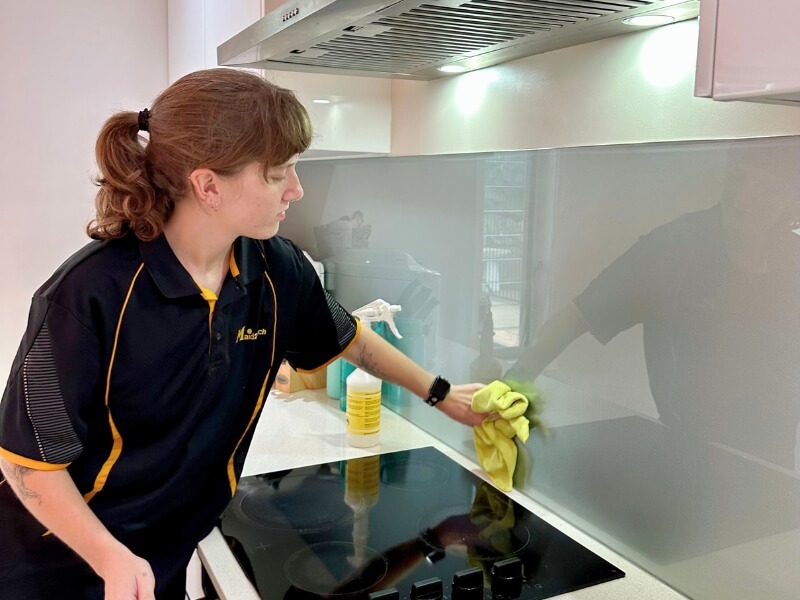
DIY vinegar solution for removing wall grease
Preventing Future Grease Buildup
Preventing grease buildup on your kitchen walls is easier than you might think. It only takes a little regular care and smart habits to keep those stubborn stains away. Imagine how much time and effort you could save by avoiding heavy scrubbing sessions.
Regular Maintenance Tips
Wipe your kitchen walls with a damp cloth after cooking. This simple step stops grease from settling and hardening. Use a mild detergent mixed with warm water to clean any spots you notice early on.
Try to clean your walls at least once a week. This small routine will prevent grease from piling up over time. You could even keep a spray bottle filled with a vinegar and water solution handy for quick touch-ups.
Ask yourself: how often do you check your kitchen walls for grease? The more consistent you are, the less work it will be later.
Using Protective Barriers
Consider installing a backsplash behind your stove. Materials like glass, stainless steel, or tile are much easier to clean than painted walls. These barriers catch grease before it reaches your wall surface.
Another option is using clear, heat-resistant plastic films. They stick onto your walls and peel off when dirty, revealing a clean surface underneath. This approach saves you from scrubbing and repainting.
Think about your current kitchen setup—could adding a protective barrier reduce your cleaning efforts? Sometimes a small change makes a big difference in daily upkeep.
Troubleshooting Stubborn Stains
Stubborn kitchen wall grease can be frustrating, especially when your usual cleaning tricks don’t seem to work. These tough stains often require a little extra effort and the right approach to break down the built-up oils. Understanding when to repeat cleaning and how to tackle persistent grease is key to restoring your kitchen walls to their fresh, clean state.
When To Repeat Cleaning
Not all grease stains respond quickly to one cleaning session. If the wall still looks greasy or you notice a sticky residue after drying, it’s time to clean again.
Give the cleaning solution a few minutes to work before wiping it off. Sometimes, letting the cleaner sit for 5-10 minutes softens the grease, making it easier to remove.
Pay attention to the smell and texture of the wall. If it still feels oily or smells like burnt food, repeat your cleaning process. Don’t rush—patience can save you from scrubbing too hard and damaging the paint.
Dealing With Persistent Grease
For grease that refuses to budge, try boosting your cleaning power with these practical tips:
- Use a stronger degreaser:Look for commercial kitchen degreasers designed for tough stains. Always test on a small area first to avoid discoloration.
- Mix baking soda and vinegar:This combination creates a fizz that helps break down grease. Apply the paste, let it sit for 10 minutes, then scrub gently.
- Try warm soapy water:Sometimes, simply increasing the water temperature can make a difference. Use a sponge soaked in warm water with dish soap and scrub in circular motions.
- Use a microfiber cloth:These cloths trap grease better than regular rags, helping you lift the grime without spreading it around.
Have you noticed some spots that seem to resist every cleaner you try? Sometimes, a combination of methods works best. For example, apply a degreaser first, then follow with a baking soda scrub.
Remember to protect your hands with gloves and ensure good ventilation when working with stronger cleaners. Your kitchen walls will thank you for the extra care.

Natural baking soda paste for cleaning wall grease
Frequently Asked Questions
How Do I Remove Kitchen Wall Grease Easily?
Use a mixture of warm water, dish soap, and vinegar. Apply with a sponge and scrub gently. Rinse with clean water and dry. This method effectively breaks down grease without damaging paint or wallpaper.
What Household Products Clean Kitchen Grease Best?
Common products include baking soda, white vinegar, and dish soap. Baking soda acts as a mild abrasive. Vinegar cuts through grease naturally. Combine these for a safe, eco-friendly cleaner that works well on kitchen walls.
Can I Use Commercial Degreasers On Kitchen Walls?
Yes, but choose degreasers labeled safe for painted surfaces. Follow the instructions carefully to avoid damage. Test a small area first to ensure no discoloration or peeling occurs.
How Often Should I Clean Kitchen Wall Grease?
Clean kitchen walls every 1-2 weeks in cooking areas. Frequent cleaning prevents grease buildup and keeps your kitchen fresh. Regular maintenance reduces tough stains and makes cleaning easier.
Conclusion
Cleaning kitchen wall grease doesn’t have to be hard. With simple steps, your walls can shine again. Use everyday items like vinegar or baking soda. They are effective and safe. Consistency is key. Regular cleaning prevents build-up. This keeps your kitchen fresh and inviting.
Set a schedule to tackle grease regularly. It saves time and effort. Always test cleaning solutions on a small area first. This avoids unwanted damage. By following these tips, maintaining a clean kitchen becomes easy. Enjoy a spotless and welcoming kitchen space.
Happy cleaning!
