How to Hang Kitchen Cabinets on Brick Wall: Easy Step-by-Step Guide
Hanging kitchen cabinets on a brick wall might sound tricky, but with the right steps, you can do it yourself and transform your kitchen. Imagine having sturdy, stylish cabinets securely attached to your brick wall, giving your space a fresh, modern look.
How to Hang Kitchen Cabinets on Brick Wall. In this guide, you’ll learn simple, clear instructions that make the process easy and stress-free. Whether you’re upgrading your kitchen or adding extra storage, this article will help you get it right the first time. Ready to turn your brick wall into the perfect spot for your cabinets?
Let’s get started!

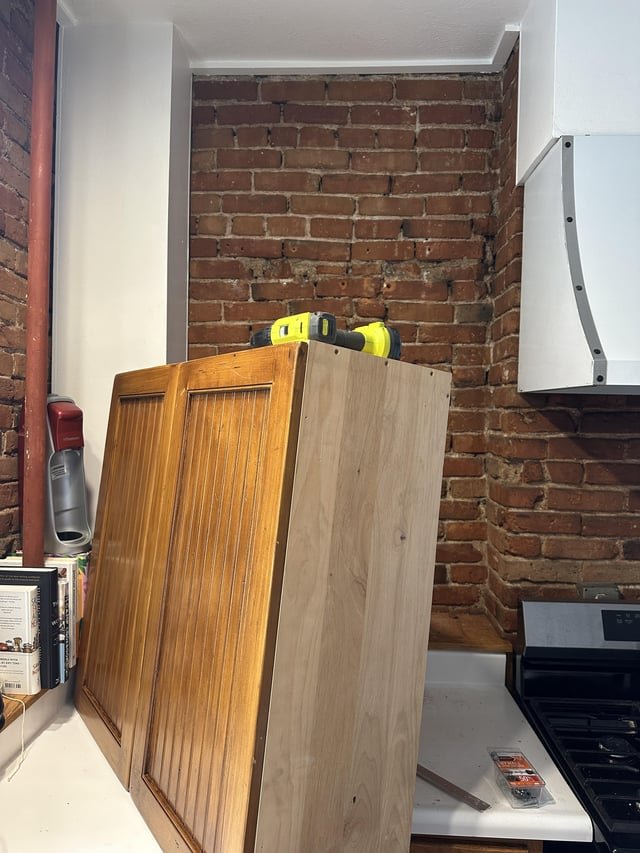
Contractor aligning kitchen cabinets on brick surface
Tools And Materials Needed
Hanging kitchen cabinets on a brick wall requires specific tools and materials. Using the right equipment ensures a secure fit and a smooth installation. Prepare everything before starting to save time and avoid mistakes.
Essential Tools
- Power drill with masonry bits
- Hammer drill for brick drilling
- Level to ensure cabinets are straight
- Stud finder for locating anchors
- Measuring tape for precise measurements
- Screwdriver or impact driver
- Pencil for marking drill points
- Safety goggles to protect your eyes
- Dust mask to avoid inhaling brick dust
- Clamps to hold cabinets during installation
Required Materials
- Wall anchors designed for brick or masonry
- Heavy-duty screws compatible with anchors
- Mounting brackets or rails for extra support
- Shims to level cabinets on uneven surfaces
- Wood screws for cabinet assembly or adjustments
- Silicone caulk to seal gaps
- Cabinets ready for mounting
Preparing The Brick Wall
Preparing the brick wall is a crucial step before hanging kitchen cabinets. It ensures the cabinets will be secure and last longer. Taking time to prepare the surface properly saves effort later.
Cleaning The Surface
Start by removing dust and dirt from the brick wall. Use a stiff brush to scrub the surface well. If needed, wash the wall with mild soap and water. Allow the wall to dry completely before moving on. A clean surface helps the anchors stick better.
Locating Studs And Marking
Find the studs behind the brick wall to support heavy cabinets. Use a stud finder designed for masonry walls. Mark the stud locations with a pencil at cabinet height. Double-check the marks for accuracy. Clear markings guide you during drilling and mounting.
Measuring And Marking Cabinet Positions
Measuring and marking cabinet positions on a brick wall is a crucial step that sets the foundation for a smooth installation. Getting this right means your cabinets will be level, secure, and perfectly spaced. Skipping precision here can lead to headaches later, like uneven cabinets or drilling in the wrong spots.
Determining Height And Spacing
Start by deciding how high your cabinets should hang. Standard upper cabinets are usually installed about 54 inches from the floor, but this can change based on your countertop height and personal preference.
Use a tape measure and a level to mark a horizontal line across the brick wall where the bottom of the cabinets will sit. This line acts as your baseline, ensuring the cabinets hang straight.
Next, think about the spacing between cabinets and other fixtures like windows or appliances. Measure the width of each cabinet and mark those widths on the wall, leaving a small gap for adjustments and expansion—typically around 1/8 inch.
Marking Drill Points
Once you have your cabinet outline, it’s time to mark where you’ll drill into the brick. Cabinets should be anchored into the wall studs or solid brick, not just the mortar, for maximum support.
Hold the cabinet or a template against the wall aligned with your height line. Use a pencil to mark the screw hole points through the cabinet’s mounting holes.
Double-check these marks with a level to ensure everything is aligned vertically and horizontally. This extra step saves you from drilling unnecessary holes and keeps your cabinets perfectly straight.
Drilling Into The Brick Wall
Drilling into a brick wall to hang kitchen cabinets can feel challenging at first. The key is to approach the task with the right tools and techniques. Knowing how to drill properly will save you time and prevent damage to your wall.
Choosing The Right Drill Bit
Using the correct drill bit is crucial for making clean, precise holes in brick. A masonry drill bit is designed specifically for hard surfaces like brick and mortar. These bits have a carbide tip that stays sharp and penetrates tough materials effectively.
A drill bit that’s too soft or not meant for masonry can overheat or break, leading to frustrating delays. Consider the size of the anchor or screw you’ll use to support your cabinet’s weight, and choose a bit that matches that diameter. If your drill bit feels stuck or isn’t cutting well, it’s a sign you need a better bit.
Drilling Techniques For Brick
Start by marking the exact spots where you want the holes. Use a pencil or masking tape to keep your marks visible. Holding the drill steady and perpendicular to the wall helps maintain control and accuracy.
Begin drilling at a slow speed to prevent the bit from wandering. Once the bit bites into the brick, increase speed slightly but keep firm, even pressure. Avoid pushing too hard; let the drill do the work to avoid cracking the brick.
- Pause occasionally to pull the bit out and clear dust from the hole.
- Use a hammer drill if possible, as its pounding action makes drilling faster and easier.
- If you hit a particularly hard spot, don’t force it; adjust the angle slightly or try a fresh bit.
Have you experienced a drill bit overheating or breaking mid-project? Taking the time to pick the right bit and drill carefully can prevent those frustrating moments. Your cabinets will hang securely, and your brick wall will stay intact.
Installing Wall Anchors
Installing wall anchors is a crucial step when hanging kitchen cabinets on a brick wall. These anchors provide the necessary grip and support to hold the weight of your cabinets securely. Without the right anchors, your cabinets risk loosening or falling, which can lead to costly damage and safety hazards.
Types Of Anchors For Brick
Not all wall anchors work well with brick. Choosing the right type depends on the brick’s condition and the cabinet’s weight. Here are some common anchors suited for brick walls:
- Expansion anchors:These anchors expand inside the drilled hole, creating a tight fit. They work well with solid brick but may struggle with softer or hollow bricks.
- Masonry screws (Tapcon):Designed specifically for masonry, these screws cut threads into the brick or mortar, offering strong hold without needing separate anchors.
- Sleeve anchors:These provide heavy-duty support by expanding a metal sleeve around the anchor inside the hole. Ideal for heavier cabinets.
- Plastic anchors:Best for light loads; however, they can easily fail with the weight of kitchen cabinets.
Think about the cabinet’s weight and the brick’s condition before picking an anchor. Have you checked if your brick is solid or hollow? This makes a big difference in anchor choice.
Proper Installation
Proper installation starts with drilling the right size hole. Use a hammer drill with a masonry bit to avoid cracking the brick. The hole must be deep enough to fit the entire anchor.
Next, clean out dust from the hole using a vacuum or compressed air. Dust reduces anchor grip and can cause your cabinets to loosen over time.
Insert the anchor gently without forcing it. If you feel resistance, stop and reassess the hole size or anchor type. Tighten screws slowly to avoid damaging the brick or anchor.
One time, I underestimated the brick hardness and ended up with a cracked brick around the anchor. It taught me to start with smaller drill bits and gradually increase size if needed. Have you ever rushed through this step and faced similar issues?
Heavy-duty anchors installed in brick wall for cabinets
Mounting The Cabinets
Mounting kitchen cabinets on a brick wall requires precision and care to ensure they hold securely and look great. The process involves careful alignment and strong fastening. Taking the time to mount your cabinets properly will save you from future headaches and potential damage.
Aligning Cabinets On Wall
Start by marking a level line on the brick wall where the bottom of your cabinets will sit. Use a spirit level to keep this line perfectly horizontal—it’s critical for a balanced look. If you skip this step, your cabinets might end up crooked, affecting both appearance and function.
Next, hold each cabinet up to the wall along the line. Check that the sides and tops are flush with your marks. It helps to have a friend assist you here, so you can focus on fine adjustments.
Ask yourself: Is the cabinet level front to back and side to side? Small tweaks now prevent major corrections later.
Securing Cabinets With Screws
Once aligned, it’s time to fasten the cabinets securely. Use masonry screws or anchors designed specifically for brick walls—they provide the grip needed to support heavy loads.
- Drill pilot holes through the cabinet’s back panel and into the brick using a hammer drill and masonry bit.
- Insert anchors if needed to ensure the screws grip well.
- Screw the cabinet firmly to the wall, but avoid overtightening, which can damage the brick or cabinet.
Double-check stability by gently shaking the cabinet after securing it. If it moves, add more screws or stronger anchors. Remember, your kitchen deserves cabinets that stay put through years of use.
Final Adjustments And Safety Checks
After securing your kitchen cabinets to the brick wall, taking time for final adjustments and safety checks is crucial. This step ensures your cabinets not only look perfect but also stay firmly in place over time. Skipping these checks can lead to uneven doors or worse, cabinets that could fall and cause damage or injury.
Leveling Cabinets
Check the level of each cabinet using a spirit level or laser level. Even a slight tilt can affect the cabinet doors and shelves, causing them to misalign or not close properly. If you notice any unevenness, adjust the cabinet by tightening or loosening the mounting screws or adding shims behind the cabinet.
It’s helpful to step back and visually inspect the alignment from different angles. Sometimes what looks level from one spot can be off from another. Have a friend help hold the level or take pictures to catch any misalignment you might miss.
Ensuring Stability
Stability is key for safety. Give each cabinet a gentle shake to test how firmly it’s attached to the brick wall. If you feel any movement, identify the weak spots and reinforce them immediately.
Double-check that all mounting brackets and screws are securely fastened into the wall anchors. Brick can sometimes crumble or crack if over-tightened, so balance is important—tight enough to hold strong, but not so tight that it damages the brick.
- Use heavy-duty anchors designed for brick walls.
- Consider using a stud finder with masonry detection to locate solid areas behind the brick.
- Reinforce corners and joints where cabinets meet for extra support.
Have you ever encountered a cabinet that seemed secure but started sagging after a few months? Taking these final checks seriously will save you from that frustration and potential repair costs.
Tips For Maintaining Mounted Cabinets
Maintaining kitchen cabinets mounted on a brick wall keeps them safe and lasting. Proper care prevents damage and ensures the cabinets stay secure. Small efforts can avoid costly repairs and preserve their look.
Regular Inspection
Check cabinets often for signs of wear or damage. Look for loose screws, cracks, or shifting. Inspect the mounting points on the brick wall carefully. Early detection of problems helps avoid bigger issues later.
Use a flashlight to see hidden areas. Pay attention to moisture or mold near the cabinets. Clean dust and dirt regularly to protect surfaces and hardware. A soft cloth and mild cleaner work well.
Handling Repairs
Tighten loose screws immediately to keep cabinets stable. Replace any damaged anchors or brackets quickly. For cracks or chips in the brick, use a suitable filler to prevent further damage.
Fix cabinet doors that do not close properly by adjusting hinges. Avoid heavy loads on shelves to reduce stress on mounts. If unsure about a repair, ask a professional for advice to ensure safety.

DIY homeowner hanging kitchen cabinets on brick wall
Frequently Asked Questions
How Do You Mount Kitchen Cabinets On A Brick Wall?
To mount cabinets on brick, locate studs or use masonry anchors. Drill pilot holes with a masonry bit. Secure cabinets with heavy-duty screws or anchors designed for brick surfaces. Always level cabinets before final tightening.
What Tools Are Needed To Hang Cabinets On Brick?
You need a hammer drill, masonry bit, level, tape measure, screwdriver, masonry anchors, and heavy-duty screws. These tools ensure proper drilling and secure fixing on brick walls.
Can I Hang Heavy Kitchen Cabinets On Brick Walls?
Yes, brick walls can support heavy cabinets if you use proper anchors. Always use heavy-duty masonry anchors or expansion bolts for maximum strength and safety.
How To Ensure Cabinets Are Level On Uneven Brick Walls?
Use a spirit level and shims to adjust cabinet positions. Shim gaps between the cabinet and brick surface to achieve a perfect level before securing.
Conclusion
Hanging kitchen cabinets on a brick wall is doable. Just follow the steps carefully. First, gather the right tools. Then, find the perfect spot. Mark it clearly. Drill into the brick gently. Use strong anchors for support. Secure the cabinets firmly.
Double-check alignment for a neat finish. Safety is key. Work slowly and check your progress. Soon, your kitchen will look more organized. Enjoy the extra storage space. Remember, patience pays off. Now, you can tackle similar projects with confidence. Happy organizing!