How to Put Tile on Kitchen Wall: Easy Steps for Stunning Results
Are you ready to transform your kitchen with a fresh, stylish look? Putting tile on your kitchen wall is one of the easiest ways to add charm and protect your space from spills and stains.
How to Put Tile on Kitchen Wal. But if you’ve never done it before, the idea might feel overwhelming. Don’t worry—this guide will walk you through each step clearly and simply. By the end, you’ll have the confidence to create a beautiful tile wall that makes your kitchen truly shine.
Keep reading, and let’s get started on your home makeover!
Preparing The Wall
Preparing the wall is a crucial step before tiling your kitchen wall. It ensures the tiles stick well and last long. A clean, smooth, and measured surface prevents future problems. Taking time here saves effort later.
Cleaning And Repairing Surface
Start by removing dirt, grease, and old paint from the wall. Use a mild detergent and water with a sponge. Rinse and let the wall dry fully. Check for holes, cracks, or loose plaster. Fill small holes with spackle and sand smooth. Large damage may need professional repair. A flat surface helps tiles stick better.
Measuring And Marking
Measure the wall’s width and height carefully. Mark the center point to align tiles evenly. Use a level and pencil to draw horizontal and vertical lines. These lines guide tile placement and keep rows straight. Plan around outlets and cabinets. Accurate marking avoids uneven cuts and gaps.
Gathering Tools And Materials
Collect all necessary tools before starting. Common tools include:
- Tile adhesive or mortar
- Notched trowel
- Tile spacers
- Tile cutter or wet saw
- Level and measuring tape
- Rubber mallet
- Grout and grout float
- Sponges and buckets
Having everything ready prevents interruptions. Use quality materials for a strong, lasting finish.
Choosing The Right Tiles
Choosing the right tiles sets the foundation for a beautiful kitchen wall. The tiles must match your kitchen’s style and handle daily wear. It helps to understand the types of tiles, their sizes, styles, and the materials needed for installation. This knowledge ensures your tiled wall stays strong and looks great for years.
Types Of Kitchen Wall Tiles
Kitchen wall tiles come in many materials and finishes. Ceramic tiles are popular for their affordability and easy cleaning. Porcelain tiles are tougher and resist stains better. Glass tiles add shine and reflect light, brightening the space. Natural stone tiles give a classic look but need more care. Choose tiles that suit your kitchen’s use and style.
Selecting Tile Size And Style
Tile size changes the kitchen’s feel. Small tiles create detailed patterns but need more grout. Large tiles give a modern, clean look with fewer grout lines. Consider the style too. Subway tiles offer a timeless, simple design. Patterned tiles add character and color. Match tile size and style with your kitchen’s size and theme.
Picking Adhesive And Grout
Adhesive holds tiles firmly on the wall. Use a quality, water-resistant adhesive made for kitchen walls. Grout fills the gaps between tiles and protects against moisture. Choose grout that resists stains and is easy to clean. Colored grout can highlight the tile pattern or blend in for a smooth look. Proper adhesive and grout keep your tiles secure and looking fresh.
Setting Up For Tiling
Getting your kitchen wall ready for tile is a crucial phase that often determines the success of your project. Proper setup ensures your tiles stick well and look perfect for years. Let’s break down the essentials you need to focus on before laying that first tile.
Applying Primer Or Backer Board
Start by cleaning the wall thoroughly. Remove any grease, dust, or old wallpaper to create a smooth surface.
If your wall is drywall, applying a primer designed for tile can help the adhesive bond better. For more durability, especially around sinks or stoves, consider installing a cement backer board instead. This board resists moisture and prevents tiles from cracking or popping off over time.
Have you checked the manufacturer’s recommendations for your tile adhesive? Matching the right primer or backer board to your adhesive is key to long-lasting results.
Planning Tile Layout
Before you start sticking tiles, plan your layout on the wall. Use a level and pencil to draw horizontal and vertical guidelines. This keeps your tiles straight and evenly spaced.
Think about the visual impact too—do you want whole tiles centered on the wall, or is it okay to have cut tiles at the edges? This decision affects the overall look and can save you from awkward cuts later.
Try laying out a few tiles on the counter or floor to see how they fit. Will your grout lines line up evenly? Can you avoid tiny slivers of tile at corners? This simple test can save a lot of hassle.
Cutting Tiles To Fit
Cutting tiles might seem intimidating, but with the right tools, it becomes manageable. A wet saw is the best option for clean, precise cuts, especially for ceramic or porcelain tiles.
If you don’t have a wet saw, a tile cutter or even a manual snap cutter can work for straight cuts. For curves or irregular shapes, a tile nipper comes in handy.
Measure twice, cut once. Mark your tile carefully using a pencil or marker. Remember, the cut edge will be visible, so take your time to ensure it fits perfectly.

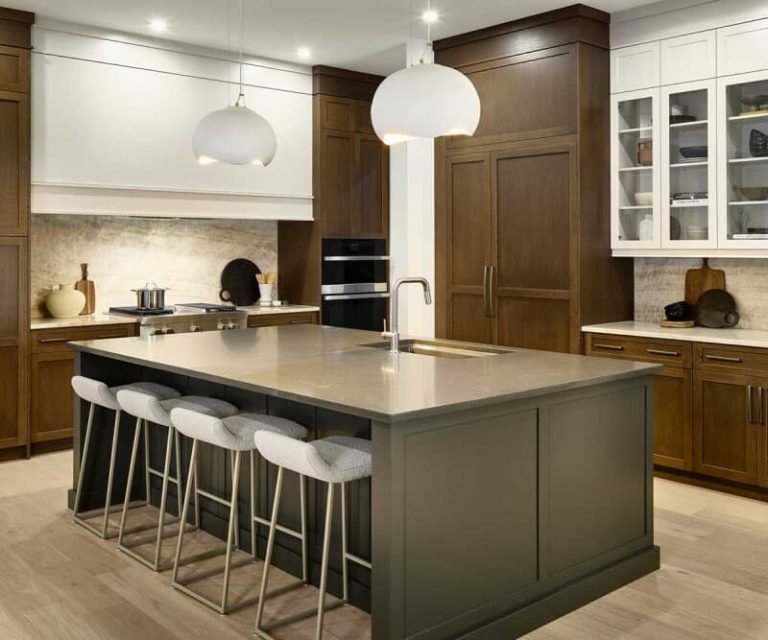
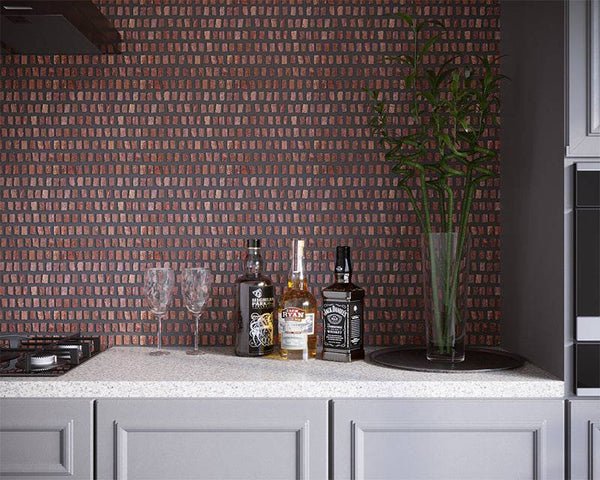
Finished kitchen wall with modern tiles
Installing The Tiles
Installing tiles on a kitchen wall requires care and precision. Each tile must be set properly for a strong, lasting finish. This process involves spreading adhesive, placing tiles carefully, and maintaining even gaps. Following these steps ensures a neat and professional look.
Applying Adhesive
Start by spreading tile adhesive on the wall. Use a notched trowel for even coverage. Hold the trowel at a 45-degree angle. Apply enough adhesive to cover a small area. This prevents the adhesive from drying out before placing tiles. Work in sections to keep the adhesive fresh.
Placing Tiles On Wall
Press each tile firmly into the adhesive. Align tiles with your guide marks or level. Check that tiles are flat and even. Tap gently with a rubber mallet if needed. Keep the tiles straight and level as you go. Adjust quickly before the adhesive sets.
Using Spacers For Even Gaps
Insert spacers between tiles to keep gaps uniform. Spacers come in different sizes for various grout lines. Place them at all corners of each tile. This helps grout flow evenly and keeps tiles aligned. Remove spacers only after adhesive dries. Even gaps create a clean, polished look.
Finishing Touches
Finishing touches can make or break your kitchen wall tile project. They ensure your tiles not only look great but also last longer. Paying attention to detail at this stage saves you from future headaches.
Grouting Tiles
Grout fills the gaps between your tiles, holding them in place and preventing dirt buildup. Choose a grout color that complements your tile for a seamless look or contrasts for a bold effect. Use a rubber float to press the grout firmly into the spaces, holding the float at a 45-degree angle for best results.
Don’t rush this step; take your time to cover all gaps evenly. Have you noticed how uneven grout can distract from even the most beautiful tile patterns?
Cleaning Excess Grout
After applying grout, you’ll see residue on the tile surfaces. Wipe this away gently with a damp sponge before it dries. Be careful not to remove grout from the joints while cleaning.
It’s easier to clean grout residue when it’s still wet, so check your tiles regularly. Using two buckets of water—one for rinsing your sponge and one for wiping—makes this task much more efficient.
Sealing For Protection
Sealing your grout and tiles protects them from stains and moisture. This step is crucial in kitchens where splashes and spills happen daily. Apply a grout sealer with a small brush or roller, focusing on the grout lines.
Wait for the sealer to dry completely before using the kitchen wall. Have you ever skipped sealing and regretted it when stains settled in permanently? Sealing is a small investment that keeps your tiles looking fresh for years.

Grouting newly installed kitchen wall tiles
Tips For Lasting Results
Ensuring your kitchen wall tiles stay beautiful and intact over time requires more than just careful installation. Paying attention to how you maintain the tile surface, avoiding common errors, and knowing when to seek expert help can save you from costly repairs and frustration. Let’s dive into practical tips that will keep your tiled kitchen wall looking fresh and durable for years.
Maintaining Tile Surface
Keeping your tiles clean is crucial for lasting results. Use a mild detergent and a soft cloth or sponge to wipe down the tiles regularly. Avoid harsh chemicals that can erode grout or dull the tile finish.
Sealing the grout lines periodically protects against stains and moisture damage. If you notice any discoloration or mold, address it immediately with a grout cleaner to prevent deeper issues.
Have you considered how steam from cooking affects your tiles? Proper ventilation in your kitchen helps reduce moisture buildup, which can otherwise weaken the grout and adhesive over time.
Avoiding Common Mistakes
One common mistake is rushing the adhesive drying time before grouting. This can cause tiles to shift or loosen. Be patient and follow the recommended drying period on the product packaging.
Another error is using the wrong type of tile or adhesive for kitchen walls. Make sure your materials are rated for vertical surfaces and exposure to heat and moisture.
Don’t underestimate the importance of a level surface. Uneven walls lead to crooked tiles and gaps. Double-check with a level before you start sticking tiles to the wall.
When To Call A Professional
If you notice persistent cracks in tiles or grout, it might indicate underlying wall damage that requires expert assessment. Trying to fix structural issues yourself could worsen the problem.
Complex tile patterns or intricate cuts around outlets and corners often need specialized skills and tools. If precision isn’t your strength, a professional can save you time and ensure flawless results.
Are you facing uneven walls or moisture problems behind the tiles? A professional can identify hidden issues and recommend solutions that prevent future tile failure.

Grouting newly installed kitchen wall tiles
Frequently Asked Questions
What Tools Do I Need To Tile A Kitchen Wall?
You need a tile cutter, trowel, spacers, level, adhesive, grout, sponge, and measuring tape. These tools ensure precise tile placement and clean finishes.
How Do I Prepare The Kitchen Wall For Tiling?
Clean the wall thoroughly, remove grease and dirt, and repair holes. Ensure the surface is dry and smooth for better tile adhesion.
What Type Of Adhesive Is Best For Kitchen Wall Tiles?
Use a high-quality, water-resistant tile adhesive or thin-set mortar. These adhesives provide strong bonding and durability in kitchen environments.
How Do I Ensure Tiles Are Evenly Spaced On The Wall?
Use tile spacers between tiles to maintain consistent gaps. Check alignment frequently with a level for a professional finish.
Conclusion
Tiling your kitchen wall can transform the space. It’s a practical and stylish choice. Start by gathering the right tools and materials. Follow each step carefully for a smooth finish. Clean the wall before applying tiles. Use spacers for even gaps.
Let the adhesive dry completely. Grout the tiles and wipe off excess. Enjoy your new kitchen look! Remember, patience is key. With these tips, you can tile like a pro. Happy tiling!