
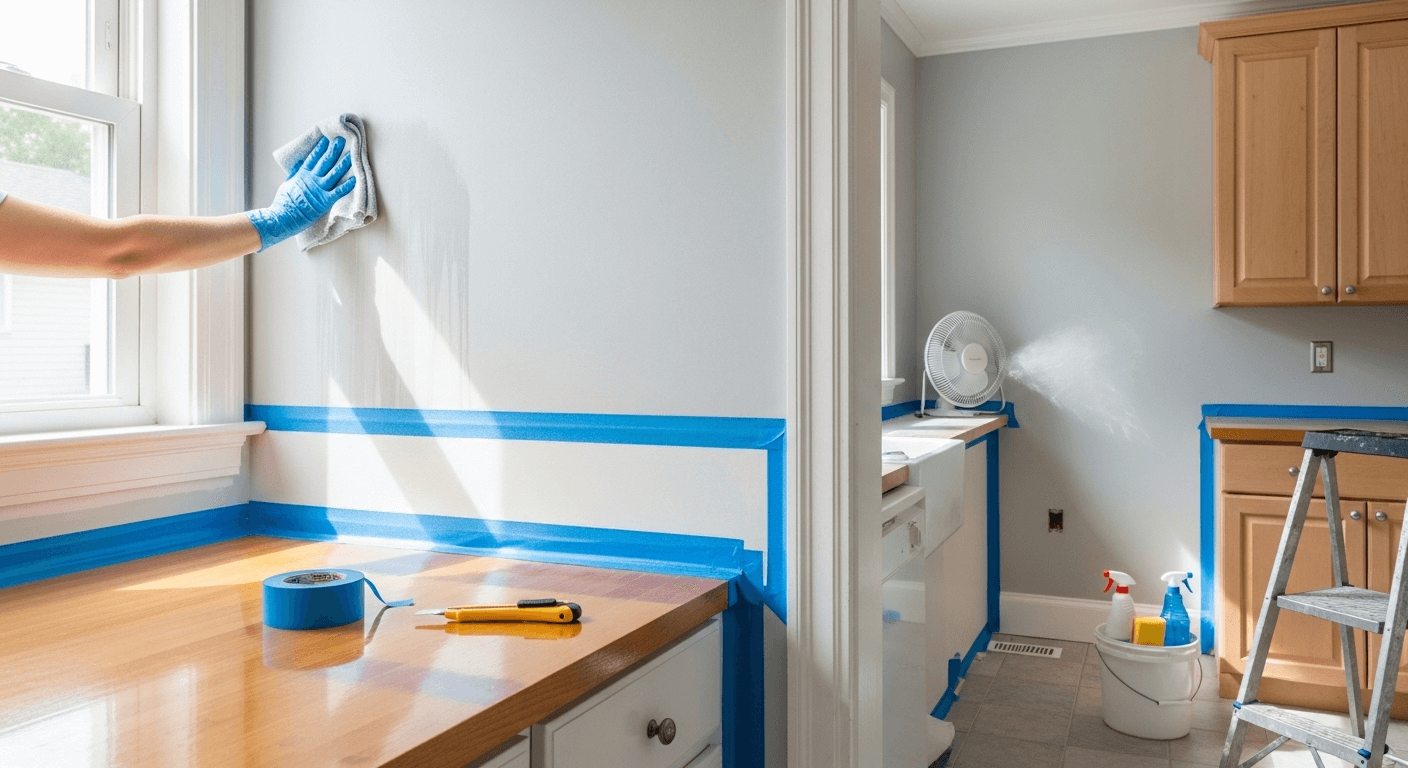
How to Prepare Kitchen Walls for Painting: Expert Tips & Tricks
Are you ready to give your kitchen a fresh new look? Before you grab that paintbrush, there’s one crucial step you can’t skip: preparing your kitchen walls for painting.
How well you prepare your walls will decide if your new paint job looks smooth and lasts for years or peels and cracks in no time. Don’t worry—this guide will walk you through simple, easy steps to get your walls perfectly ready.
Keep reading, and you’ll discover how to avoid common mistakes and make your kitchen transformation a success from start to finish.
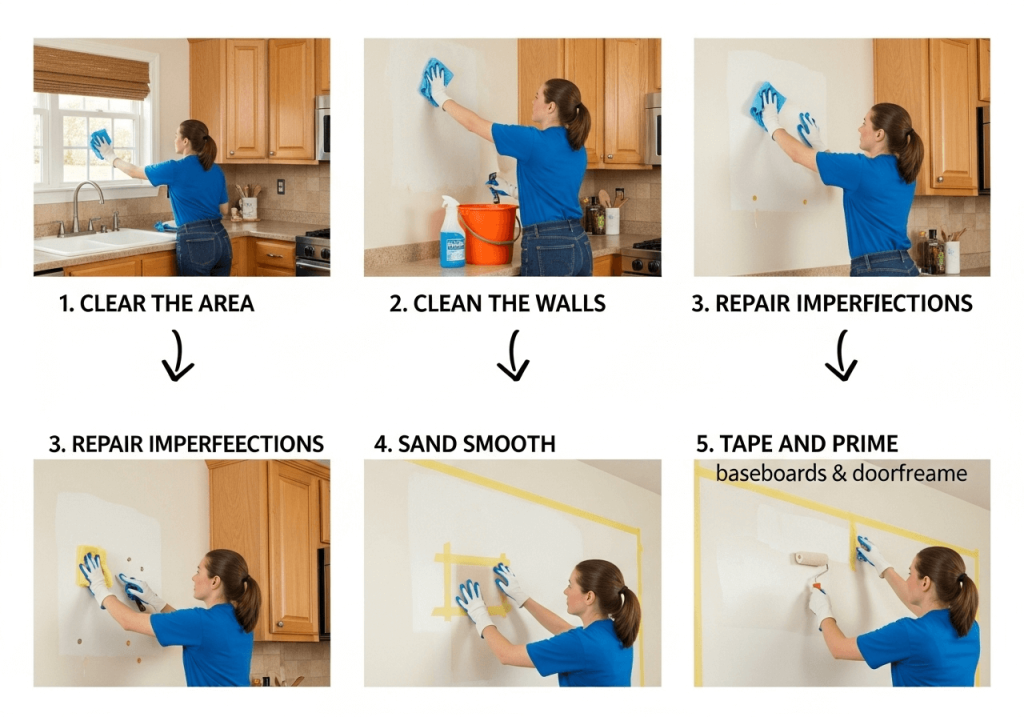
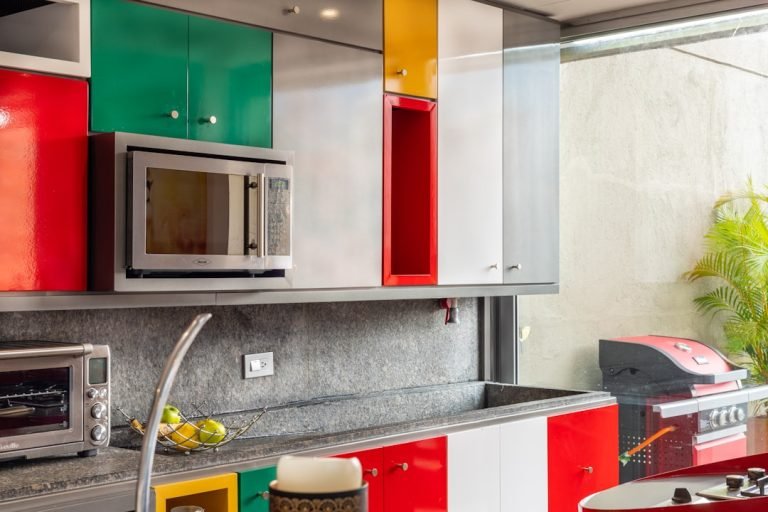
Image: Kitchen Renovation
Gather Essential Tools
Before you start painting your kitchen walls, gathering the right tools is key to getting a smooth and professional finish. Having everything at hand saves you from frustrating interruptions and ensures your work goes faster and cleaner. Let’s look at the essential items you need to prepare your kitchen walls for a fresh coat of paint.
Choose The Right Paint And Primer
Picking the right paint and primer can make a huge difference in how your kitchen walls look and hold up over time. Kitchens are prone to moisture and stains, so opt for a paint that is washable and resistant to mildew, like satin or semi-gloss finishes.
Use a primer designed for kitchen surfaces—this helps the paint stick better and hides any stains or uneven patches. If your walls have grease buildup, consider a primer with stain-blocking properties to prevent marks from showing through.
Select Suitable Brushes And Rollers
Your choice of brushes and rollers affects how evenly the paint goes on and how much effort you need to put in. A high-quality angled brush works best for cutting in around cabinets and trim, giving you clean edges without smudges.
For the larger wall areas, use a roller with a medium nap (3/8 to 1/2 inch) to cover textured surfaces without leaving streaks. If you try to save money on cheap tools, you might end up with uneven paint or bristles stuck in the finish—investing a bit more pays off.
Prepare Drop Cloths And Tape
Protecting your kitchen floor, countertops, and cabinets is crucial. Lay down heavy-duty drop cloths that won’t slip or tear easily, so you don’t have to worry about spills or splatters.
Painter’s tape is your best friend for sharp lines and avoiding accidental paint on surfaces like trim, outlets, or appliances. Don’t rush this step; carefully applying the tape saves time on cleanup and keeps your kitchen looking neat.
Clear And Clean Walls
Preparing kitchen walls before painting is key for a smooth finish. Clear and clean walls help paint stick better. Dirt, grease, and fixtures can cause paint to peel or look uneven.
Proper cleaning and fixing make your walls ready for a fresh coat. Start by removing any items attached to the walls. Then clean off all grime and grease. Finally, repair any damage to create a smooth surface.
Remove Wall Fixtures And Outlet Covers
Take off all wall fixtures like hooks, shelves, and towel racks. Remove outlet and switch covers carefully. This prevents paint from sticking to these items. It also helps you paint the edges cleanly. Use a screwdriver to unscrew covers. Keep screws and covers in a safe place for later.
Wash Away Grease And Dirt
Kitchens often have grease on walls. Use warm water mixed with mild detergent. Apply with a sponge or cloth and scrub gently. Pay attention to areas near the stove and sink. Rinse walls with clean water afterward. Let the walls dry completely before painting.
Repair Holes And Cracks
Check walls for holes, cracks, or dents. Use spackling paste or filler to fix small holes. For larger cracks, apply patching compound. Smooth the surface with a putty knife. After drying, sand the area lightly. This creates an even surface for painting.
Sand And Smooth Surfaces
Preparing kitchen walls for painting starts with sanding and smoothing the surfaces. This step helps paint stick better and look more even. Smooth walls create a neat, professional finish.
Use Appropriate Sandpaper Grit
Choose sandpaper grit based on the wall condition. Use coarse grit (60-80) for rough patches or old paint. Medium grit (120-150) works well for general smoothing. Fine grit (220) is ideal for the final touch before painting.
Sand Rough Spots Evenly
Focus on rough areas, bumps, or peeling paint. Sand these spots gently but thoroughly. Keep the pressure even to avoid creating grooves. Blend the edges of repaired areas into the rest of the wall for a smooth look.
Clean Dust Thoroughly
Remove all sanding dust before painting. Use a damp cloth or sponge to wipe walls clean. Let the walls dry completely to avoid paint problems. Dust-free surfaces help paint adhere and last longer.
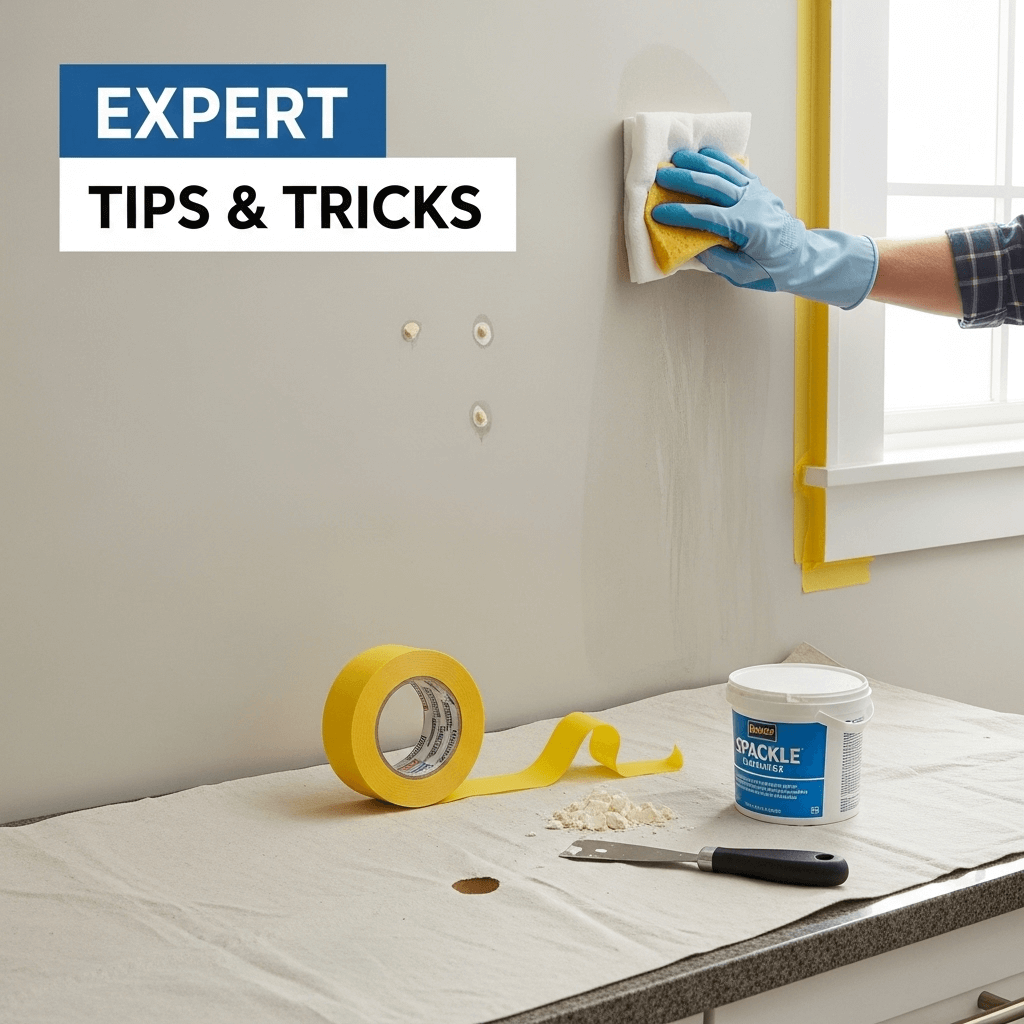
Image: Wall Cleaning Before Paint
Protect Adjacent Areas
Protecting the areas around your kitchen walls is essential before painting. It keeps cabinets, countertops, floors, and appliances safe from paint splatters and dust. Careful preparation saves time and effort during cleanup. Take a few simple steps to shield these surfaces effectively. This helps achieve a clean, professional-looking paint job without damage to your kitchen.
Mask Cabinets And Countertops
Cover cabinets and countertops with painter’s tape and plastic sheets. Use high-quality tape to avoid peeling paint or leaving residue. Press tape firmly along edges to seal gaps. Plastic drop cloths or lightweight tarps work well to cover large surfaces.
- Remove cabinet hardware if possible for easier taping.
- Cover handles and knobs to protect from paint drips.
- Ensure plastic sheets overlap to avoid exposure.
Protecting these surfaces prevents accidental paint stains and keeps them clean.
Cover Floors And Appliances
Use heavy-duty drop cloths to cover floors and appliances. Secure edges with tape to keep cloths in place. Cardboard sheets can add extra protection on high-traffic spots.
- Move small appliances away from walls if possible.
- Wrap large appliances with plastic to shield from dust.
- Check for holes or tears in covers and fix them.
Covering floors and appliances reduces risk of damage and simplifies cleanup.
Prime For Better Adhesion
Priming your kitchen walls is a crucial step that sets the foundation for a smooth and lasting paint job. It helps the paint stick better, prevents peeling, and hides imperfections. Skipping this step can lead to uneven color and frequent touch-ups, which nobody wants in a busy kitchen space.
Select Primer Based On Wall Material
Choosing the right primer depends on what your walls are made of. For drywall, a water-based primer works well to seal the surface and reduce paint absorption. If your walls are glossy or have stains, an oil-based or stain-blocking primer will give better adhesion and prevent discoloration.
Have you checked what type of walls you have? Knowing this saves time and money on the wrong primer.
Apply Primer Evenly
Applying primer evenly is key to avoiding blotchy paint later. Use a roller for large areas and a brush for corners or edges. Work in small sections and maintain a wet edge to prevent visible lines.
I once rushed this part and ended up with streaks that showed through the paint. Take your time and make each stroke count.
Allow Proper Drying Time
Patience pays off when it comes to drying. Let the primer dry completely before painting—usually at least 2 hours, but check the label for specifics. Painting over wet primer can cause peeling and uneven texture.
Imagine wasting hours of work because you painted too soon. Waiting might feel like a delay, but it ensures your effort lasts longer.
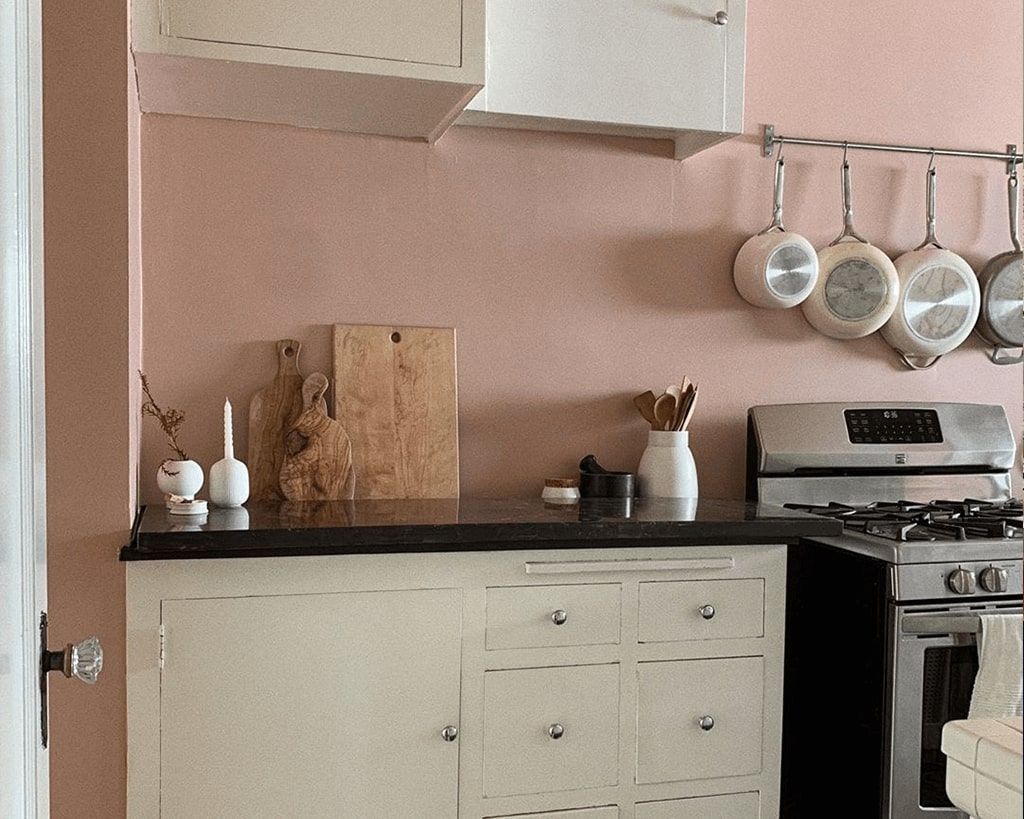
Credit: www.carawayhome.com
Final Inspection Before Painting
Before applying paint, a final inspection of the kitchen walls is essential. This step ensures smooth and clean surfaces. Walls free of imperfections allow paint to adhere evenly. Take time to carefully examine every part of the wall.
Check For Imperfections
Look closely for cracks, dents, or holes on the walls. Use a bright light to spot uneven areas. Run your hand over the surface to feel rough spots. Pay special attention to corners and edges. Mark all flaws with a pencil for easy identification.
Touch Up As Needed
Fill holes and cracks with spackling or wall filler. Smooth the filler with a putty knife for an even finish. Allow the filler to dry completely before sanding. Sand gently using fine-grit sandpaper to blend repairs with the wall. Wipe the walls with a damp cloth to remove dust before painting.
Frequently Asked Questions
How Do I Clean Kitchen Walls Before Painting?
Clean kitchen walls with warm, soapy water or a mild degreaser. Remove grease, dirt, and grime to ensure paint adhesion. Rinse with clean water and let dry completely before painting.
Should I Repair Kitchen Wall Cracks Before Painting?
Yes, fill any cracks or holes with spackle or wall filler. Sand the repaired areas smooth for an even surface. This prevents imperfections from showing through the paint.
What Primer Is Best For Kitchen Walls?
Use a stain-blocking, mold-resistant primer ideal for kitchens. It seals stains and prevents moisture damage. This improves paint durability and finish quality.
How Long Should Kitchen Walls Dry Before Painting?
Allow walls to dry 24 hours after cleaning or priming. Proper drying ensures better paint adhesion and prevents peeling or bubbling.
Conclusion
Painting kitchen walls can refresh your cooking space. Start with clean surfaces. Remove grease and stains. Sand rough spots for a smooth finish. Tape edges to prevent paint spills. Primer is essential for better paint adhesion. Choose a durable paint that withstands kitchen conditions.
Use even strokes for a seamless look. Follow these steps for a kitchen that feels new. Enjoy the transformation and the vibrant atmosphere. Painting can be a fun project. With the right preparation, your kitchen will look amazing. Happy painting!

Sophia Martinez is a culinary lifestyle writer and product reviewer for DiningGadgets.com. Passionate about blending style with functionality, she explores the latest dining essentials, kitchen décor, and cleaning hacks that transform everyday cooking spaces. With a background in home organization and design, Sophia brings readers expert advice on creating beautiful, practical kitchens that truly feel like the heart of the home.
One Comment
Comments are closed.