What Colour Walls Go With White Kitchen Cabinets: Stunning Ideas
White kitchen cabinets remain the most popular choice for new builds and remodels across North America, prized for their bright, timeless appeal that works with every design style from farmhouse to modern minimalism. But the right wall color is the secret to making this classic pairing feel intentional, not generic. The wrong shade can make a kitchen feel cold, sterile, or disjointed, especially if you ignore two key factors: your cabinet’s undertone and your kitchen’s natural light. This guide breaks down stunning, designer-approved wall color pairings for white cabinets, with practical tips to avoid common mistakes and create a space that feels warm, cohesive, and uniquely yours, building on our full guide to white kitchen wall color pairings for even more inspiration. You can also read our guide on what paint is good for kitchen walls.
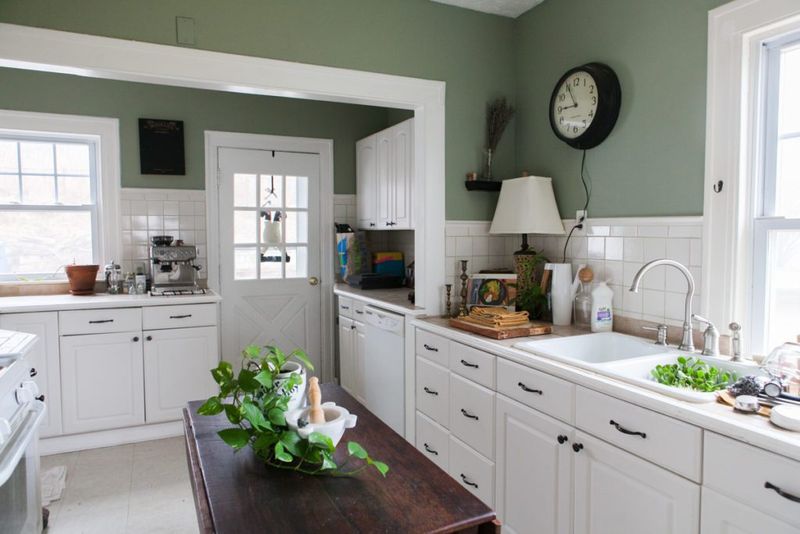
First, Match Your White Cabinet Undertone
Not all white cabinets are created equal, and ignoring their undertone is the most common mistake homeowners make when picking wall colors. White cabinet bases fall into three broad categories:
- Cool white: Has subtle blue or grey undertones, common in modern, industrial, or coastal kitchens
- Warm white: Has yellow or cream undertones, common in traditional, farmhouse, or cottage kitchens
- Neutral white: Has balanced, barely perceptible undertones, works with almost any wall shade
Cool white cabinets pair best with cool-toned wall colors (soft grey, pale blue, emerald green) to avoid a clashing, disjointed look. Warm white cabinets need warm-toned walls (beige, terracotta, blush pink) to feel cohesive. If you’re working with non-neutral cabinet bases, the same undertone-matching rule applies—you can find a full guide to coordinating green cabinetry shades for reference. Always test paint samples against your cabinet doors in natural light before committing to a shade. You can also read our guide on how deep are wall kitchen cabinets.
Classic Neutral Wall Colors
Neutral wall colors are the most versatile, low-lift option for white cabinets, offering broad resale appeal and a calm, timeless backdrop that works with any decor style. You can also read our guide on how to choose wall color for kitchen.
Soft Greys
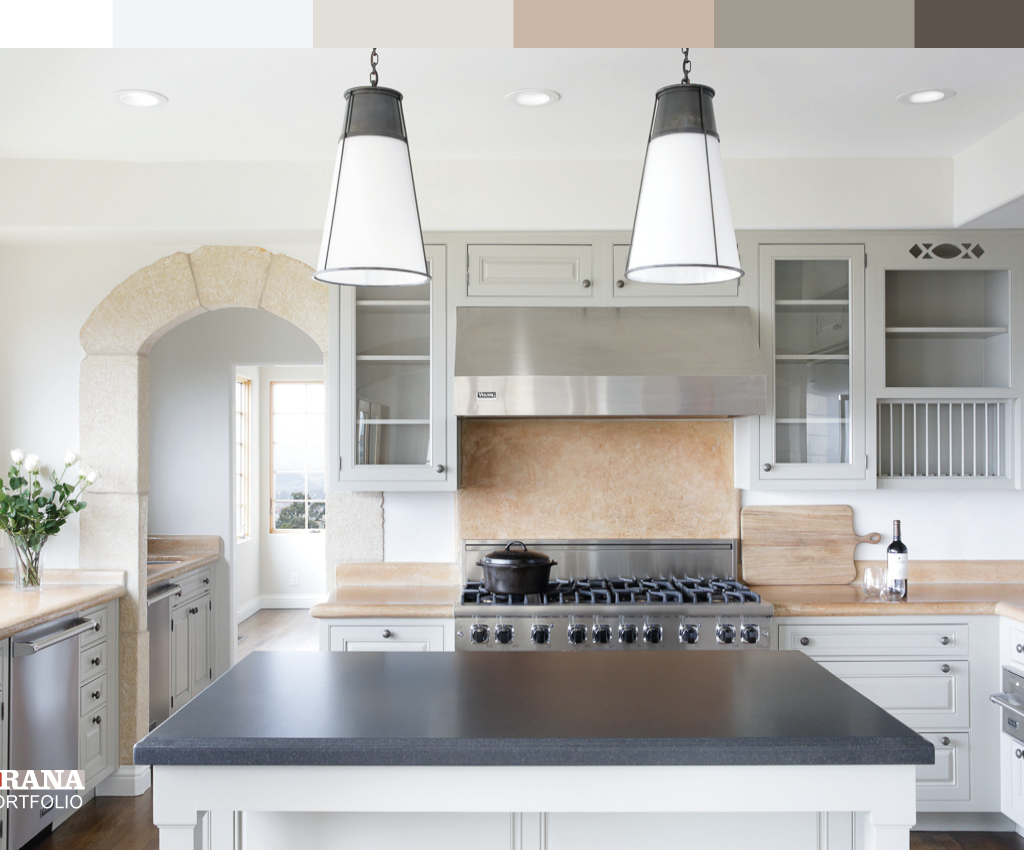
Soft grey is the most popular wall color pairing for white cabinets, and for good reason: it adds subtle contrast without overwhelming the space, making white cabinets pop while keeping the kitchen feeling airy and open. Cool-toned greys (with blue or purple undertones) pair perfectly with cool white cabinets, while warm greys (with beige or yellow undertones) complement warm white bases. Popular designer favorites include Benjamin Moore Repose Gray, Sherwin-Williams Agreeable Gray, and Farrow & Ball Cornforth White. You can also read our guide on what color to paint my kitchen walls with white cabinets. Cool greys work especially well in small or dim kitchens, as their cool tones reflect light to make the space feel larger. The only trade-off? Very cool, blue-toned greys can feel stark in north-facing kitchens with limited natural light, so balance them with warm accents like wood countertops, brass hardware, or woven textiles. For a more grounded, cozy neutral palette, warm neutrals like terracotta and soft brown also pair seamlessly with warm white bases, and work equally well with warm neutral cabinet pairings if you ever switch out your cabinetry down the line. Soft grey walls are a versatile choice that also pairs beautifully with grey kitchen cabinets, if you ever decide to update your cabinetry—you can find a full guide to grey kitchen wall pairings for reference. You can also read our guide on what color walls go with dark brown kitchen cabinets.
Warm Beiges & Tans
Warm beige and tan tones add cozy, earthy warmth to kitchens with white cabinets, making the space feel inviting and lived-in rather than sterile. These shades are perfect for family kitchens, hosting spaces, or anyone who prefers a softer, more relaxed aesthetic. Popular picks include Sherwin-Williams Accessible Beige, Benjamin Moore Shaker Beige, and Behr Sand Dune. You can also read our guide on what wall colour goes with grey kitchen units. Beige walls pair beautifully with natural wood accents, jute rugs, and matte black hardware for a balanced, organic look. The key to nailing this pairing is to avoid overly yellow beiges, which can look dingy in rooms with cool artificial light—test samples in your kitchen at night to make sure the tone feels warm, not muddy. You can also read our guide on what size screws for kitchen wall cabinets.
Crisp White Walls
White-on-white is a bold, seamless pairing that maximizes light and creates a clean, minimalist aesthetic perfect for modern or Scandinavian-style kitchens. To avoid a flat, sterile look, match the undertone of your wall white to your cabinet white: warm white cabinets pair best with warm white walls like Benjamin Moore White Dove or Sherwin-Williams Alabaster, while cool white cabinets work with cool white shades like Benjamin Moore Chantilly Lace. You can also read our guide on light grey kitchen cupboards what colour walls. Add visual interest with texture instead of color: shiplap, a patterned tile backsplash, or open wooden shelving will break up the white-on-white look without clashing. The only trade-off to this pairing is that white walls show dirt, grease splatters, and scuffs more easily than darker shades, so opt for a scrubbable satin or eggshell finish for easy maintenance. You can also read our guide on apron hanging in kitchen.
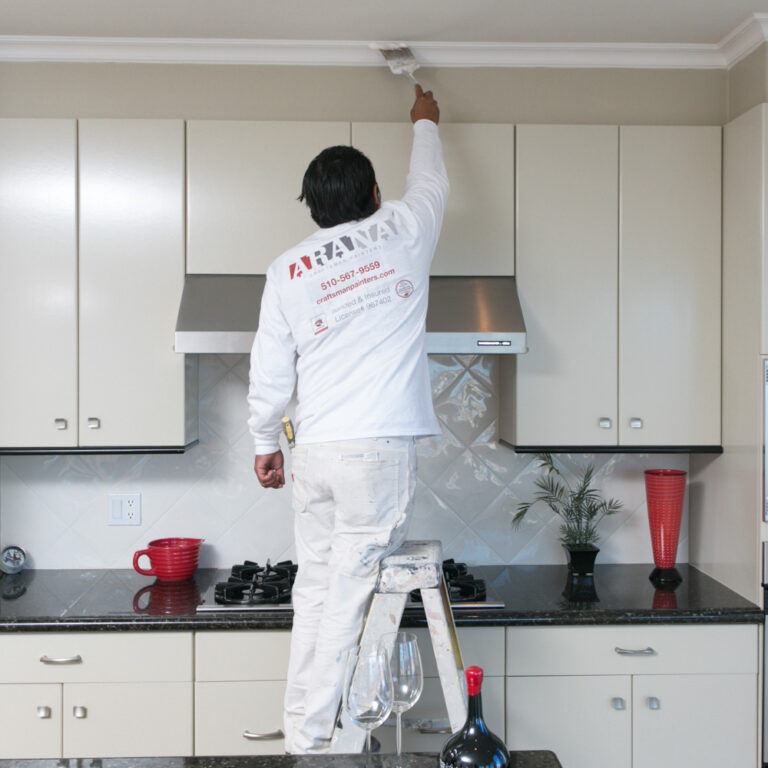 Minimalist kitchen with white flat-panel cabinets and soft beige walls, featuring natural wood accents for coziness
Bold & Dramatic Wall Colors
If you’re ready to make a statement, bold wall colors create striking contrast with white cabinets that adds personality and sophistication to your kitchen. You can also read our guide on grey kitchen cabinets what colour walls.
Navy Blue
Deep navy blue is a timeless, versatile bold shade that pairs beautifully with white cabinets for a modern, coastal, or traditional aesthetic. The deep, calming tone adds depth without overwhelming the space, and makes white cabinets pop like statement pieces. Pair navy walls with brass or gold hardware, white subway tile, and light wood floors to keep the space feeling bright and balanced. You can also read our guide on light gray kitchen cabinets what color walls. Navy works especially well as an accent wall behind the stove or sink, so you can enjoy the dramatic look without risking a cramped feel in small kitchens. For a softer take, try a muted navy or navy blue-grey hybrid. You can also read our guide on www yoursite com what height are kitchen wall.
Emerald Green
Rich emerald green is a luxurious, vibrant choice that brings a fresh, natural energy to kitchens with white cabinets. This jewel tone creates a lively contrast that feels both bold and sophisticated, perfect for traditional, eclectic, or art deco-style kitchens. Pair emerald walls with matte black hardware, marble countertops, and brass accents to balance the vibrancy. You can also read our guide on white shaker cabinet kitchen design. Emerald works equally well as a full wall color or an accent wall in a small pantry or breakfast nook. For a more muted take, try a sage or forest green hybrid. You can also read our guide on what color to paint kitchen walls with gray cabinets.
Charcoal & Deep Grey
For a modern, edgy aesthetic, deep charcoal or almost-black grey walls create dramatic contrast that makes white cabinets stand out like artwork. This pairing is perfect for industrial or contemporary kitchens, and works especially well with matte black hardware and stainless steel appliances. You can also read our guide on how to remove kitchen cabinets without damaging wall. To avoid the space feeling too dark, use warm under-cabinet lighting and add pops of bright color with accessories like yellow bar stools, red ceramic canisters, or green potted plants. You can also read our guide on minimalist decor above kitchen cabinets.
Soft Pastel Wall Colors
Pastel shades add a soft, airy feel to kitchens with white cabinets, perfect for anyone who wants a cheerful, calming space without the commitment of a bold color. You can also read our guide on how high are wall cabinets in kitchen.
Pale Blue
Pale blue, from powder blue to sky blue, adds a cool, serene vibe that mimics a clear summer sky, making kitchens feel open and expansive. This shade is perfect for beach, cottage, or Scandinavian-style kitchens, and pairs beautifully with white subway tile, silver hardware, and natural wood accents. You can also read our guide on what colour goes with white kitchen walls. Pale blue is even used in healthcare and wellness spaces for its calming, focus-boosting properties, making it an ideal choice if you spend a lot of time cooking, working, or eating in your kitchen. You can also read our guide on cream kitchen black worktop what colour walls.
Mint Green
Soft mint green adds a fresh, lively natural energy to kitchens with white cabinets, perfect for spring or summer-inspired spaces. This shade pairs beautifully with stainless steel appliances, white marble countertops, and natural wood accents for a bright, cheerful look. You can also read our guide on what wall color goes with white kitchen cabinets. Mint works especially well in kitchens with lots of natural light, as the cool tone reflects light to make the space feel even larger. For a more muted take, try a sage mint hybrid. You can also read our guide on red kitchen walls what color cabinets.
Blush Pink
Soft blush pink adds subtle warmth and charm to kitchens with white cabinets, perfect for modern, shabby chic, or romantic-style kitchens. This delicate shade pairs beautifully with gold or brass hardware, light wood floors, and white marble countertops for a sophisticated, inviting look. You can also read our guide on navy kitchen what colour walls. Stick to muted, dusty blush shades rather than bright neon pinks to keep the look mature and cohesive. Blush works especially well as an accent wall behind a kitchen island or dining nook. You can also read our guide on grey kitchen units what colour walls.
Earth Tone Wall Colors
Earth tones bring a warm, grounded, natural vibe to kitchens with white cabinets, perfect for farmhouse, Mediterranean, or rustic-style spaces. You can also read our guide on michel design works by stonewall kitchen.
Terracotta & Clay
Rich terracotta and clay tones add rustic, Mediterranean charm to kitchens with white cabinets, creating a warm, inviting space that feels like a cozy vacation home. These warm orange and red hues contrast beautifully with white cabinets, and pair perfectly with natural wood beams, woven textiles, and terracotta tile backsplashes. You can also read our guide on yellow kitchen walls what color cabinets. Use a muted, matte terracotta for a subtle, cozy look, or a brighter, saturated shade for a bold accent wall behind the stove. You can also read our guide on green kitchen cabinets what color walls.
Soft Browns & Taupe
Soft browns, mocha, and warm greige tones add sophisticated warmth without feeling too dark or heavy. These shades are perfect for traditional or transitional kitchens, and pair beautifully with stone countertops, oil-rubbed bronze hardware, and woven rugs. You can also read our guide on how to clean oily kitchen walls. Warm brown walls make white cabinets feel cozy and inviting, rather than stark, and work especially well in kitchens with lots of natural light. You can also read our guide on how to paint wall tiles in kitchen.
Sandy Tans
Light, airy sandy tan tones add gentle warmth without darkening the space, making them perfect for small or dim kitchens. This neutral shade mimics the softness of natural sand, creating a calm, relaxed atmosphere that pairs beautifully with natural textures like jute rugs, rattan light fixtures, and potted plants. You can also read our guide on black and white kitchen what colour walls. Sandy tan is a low-commitment, versatile shade that works with almost any decor style, and won’t clash if you update your cabinets or accents down the line. You can also read our guide on what colors are best for kitchen walls.
Accent Walls & Special Finishes
If you’re nervous to paint all four walls, or want to add extra personality to your space, accent walls and special finishes are a great low-commitment option. You can also read our guide on husky tool box kitchen island.
Dark Accent Walls
Painting just one wall (usually the wall behind the stove, sink, or kitchen island) a bold shade like navy, emerald, or charcoal creates a focal point that adds drama without overwhelming the space. This is a great option for renters, as you can use removable peel-and-stick paint or wallpaper to avoid damaging your walls. You can also read our guide on cream kitchen what colour walls. Dark accent walls also draw the eye to your kitchen’s best feature, whether that’s a beautiful range, a custom backsplash, or a kitchen island. You can also read our guide on brown wicker outdoor dining set.
Textured Finishes
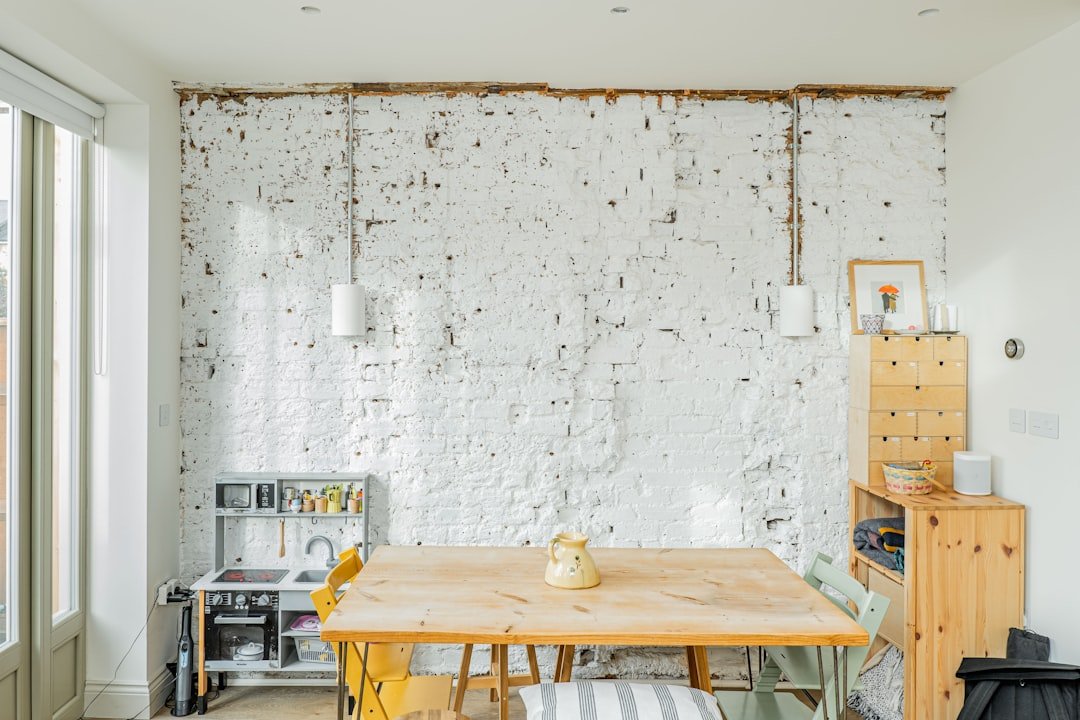
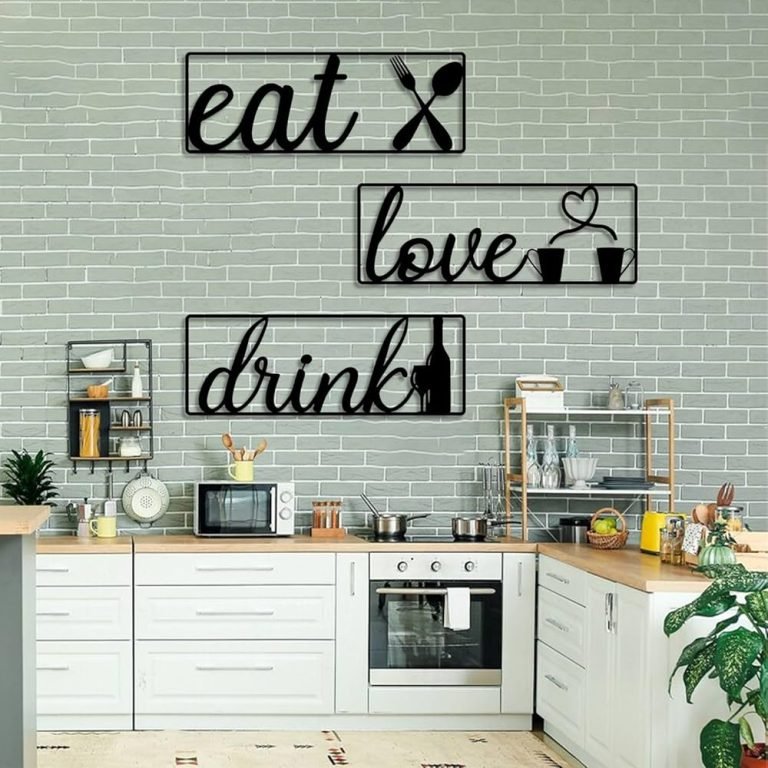
Beyond paint, textured finishes like shiplap, exposed brick, or lime plaster add depth and visual interest to kitchen walls without needing bright color. White shiplap walls paired with white cabinets create a cozy farmhouse aesthetic, while exposed brick adds industrial edge to modern kitchens. You can also read our guide on how much does it cost to open a kitchen wall. Textured finishes also hide scuffs and dirt better than smooth painted walls, making them a great low-maintenance option for high-traffic kitchens. You can also read our guide on what colour walls for a white kitchen.
Washable Wallpaper
For a pop of pattern without the commitment of paint, use moisture-resistant, washable wallpaper on an accent wall. Subtle prints like herringbone, geometric patterns, or small-scale florals add personality without clashing with white cabinets. You can also read our guide on how long does it take to tile a kitchen wall. Avoid vinyl wallpaper in high-heat areas near the stove, and opt for peel-and-stick options if you’re renting.
How Lighting Impacts Your Wall Color Choice
The same paint shade can look completely different in your kitchen depending on your lighting, so it’s critical to test samples in your space before committing to a full wall paint job. You can also read our guide on how to stop kitchen cabinet door from hitting wall.
Natural Light Direction
The direction your kitchen faces changes how wall colors appear throughout the day:
- North-facing kitchens: Get cool, dim light all day, so avoid cool greys and blues which will feel even colder. Opt for warm beiges, soft yellows, or warm greys to add coziness.
- South-facing kitchens: Get bright, warm light all day, so you can use almost any shade, even dark bold colors, without the space feeling dim.
- East-facing kitchens: Get soft, warm morning light, perfect for pastels and cool tones like pale blue and mint green.
- West-facing kitchens: Get bright, golden afternoon light, which can make warm shades like terracotta and blush pink look overpowering, so test samples in the afternoon to make sure the tone feels balanced.
Artificial Light Temperature
Light bulbs are measured in Kelvin (K), which indicates their color temperature:
- Warm light (2700K-3000K): Has yellow or orange tones, makes cool wall tones look more muted and warm tones look richer. Perfect for cozy, inviting kitchens.
- Cool light (3500K-4000K): Has blue or white tones, makes warm tones look dingy and cool tones look brighter. Perfect for modern, minimalist kitchens. Always test paint samples with your existing lighting turned on to see how the color will look at night.
Layered Lighting
A mix of ambient (ceiling lights), task (under-cabinet lights, pendant lights over the island), and accent (spotlights on accent walls) lighting will make your wall color look its best at all times of day. Under-cabinet lighting is especially important for dark accent walls, as it prevents the space from feeling too dim when you’re cooking or prepping meals. For evidence-based guidance on paint selection for high-moisture spaces like kitchens, the University of Minnesota Extension's home painting guide recommends satin or eggshell finishes for their durability and ease of cleaning. You can also read our guide on how do you hang kitchen wall cabinets.
Coordinating Hardware, Backsplashes & Accents
The right hardware, backsplash, and decor will tie your wall color, cabinet, and overall aesthetic together for a cohesive, polished look. You can also read our guide on what color to paint kitchen walls with light grey cabinets.
Metal Hardware Finishes
Match your hardware’s undertone to your wall color’s undertone for a cohesive look: warm wall tones (beige, terracotta, blush) pair best with warm hardware (brass, oil-rubbed bronze, copper), while cool wall tones (grey, blue, emerald) pair best with cool hardware (brushed nickel, matte black, chrome). You can also read our guide on grey kitchen what colour walls. You can mix metals for a more eclectic look, but limit yourself to 2 finishes per space to avoid a cluttered feel. For example, pair brass cabinet hardware with stainless steel appliances for a balanced, modern look. If you prefer a cohesive, curated look, match your wall color’s undertones to your hardware finishes—brushed brass hardware, for example, pops beautifully against warm beige walls, just as quality winemaking yeast is chosen to complement the natural flavors of your grapes. You can also read our guide on best area rugs for kitchen.
Backsplash Coordination
Your backsplash acts as a bridge between your wall color and cabinets, so coordinate its undertone with your wall color for a cohesive look. For neutral wall colors, a patterned tile backsplash (herringbone, subway, mosaic) adds personality without clashing. For bold wall colors, a simple white subway tile or neutral stone backsplash keeps the space from feeling overwhelming. The National Kitchen and Bath Association notes that wall color should account for 60% of your kitchen’s color palette, with cabinets and accents making up the remaining 40% for a balanced, cohesive look. You can also read our guide on black flatware.
Decorative Accents
Pull colors from your wall and cabinet palette into your decor for a unified look: throw pillows, bar stools, rugs, and kitchenware are all easy ways to add pops of color that tie the space together. For example, if you have navy walls and white cabinets, add yellow bar stools and brass hardware to add warmth and contrast. You can also read our guide on apron style kitchen sink. Greenery (potted herbs, hanging plants, fresh flowers) adds life and breaks up the white cabinets without clashing with any wall color. A well-chosen wall color also sets the perfect backdrop for casual weeknight meals and formal dinner parties alike—whether you’re prepping a homemade pasta night or hosting a wine tasting with friends, your kitchen’s palette will set the tone for the event. Painting your walls is one of the most budget-friendly ways to refresh your kitchen without a full remodel, far more affordable than splurging on specialized winemaking equipment if you’re also looking to add a new hobby space to your home. For high-traffic kitchens, opt for scrubbable, moisture-resistant paint formulas to keep walls looking fresh for years, even if you’re regularly hosting gatherings or preparing homemade wine with friends in the space. You can also read our guide on beige kitchen cabinets what color walls.
 Modern kitchen with Repose Gray walls and white cabinets, featuring dark green subway tile and quartzite countertops
Frequently Asked Questions
What is the most popular wall color for white kitchen cabinets?
Soft warm grey (like Repose Gray or Agreeable Gray) is the most popular pairing, as it adds subtle contrast without overwhelming the space, works with all design styles, and has broad resale appeal. It pairs with both cool and warm white cabinets, making it a versatile choice for most homes. You can also read our guide on how to choose paint color for kitchen walls.
Can I use dark wall colors with white kitchen cabinets?
Absolutely—dark shades like navy, emerald, and charcoal create dramatic, sophisticated contrast that makes white cabinets pop. Just be sure to balance dark walls with plenty of lighting (natural and artificial) and light-colored accents (white countertops, light wood floors) to avoid making the space feel cramped. You can also read our guide on how to decorate kitchen wall tiles.
Should my wall color match my backsplash?
Not necessarily, but their undertones should complement each other. For example, a warm beige wall pairs beautifully with a warm-toned marble or terracotta tile backsplash, while a cool grey wall works with cool grey or white subway tile. If your backsplash is very colorful or patterned, stick to a neutral wall color to avoid clashing. You can also read our guide on sage green kitchen units what colour walls.
How do I test a wall color before painting the whole kitchen?
Buy 2-3 sample pots of your top shades, paint 2×2 foot swatches on multiple walls in your kitchen, and live with them for 3-5 days. Look at the swatches at different times of day (morning, afternoon, evening) and with your overhead and under-cabinet lights on to see how the color changes in different lighting. You can also read our guide on best kitchen rugs for wood floors.
What paint finish is best for kitchen walls?
A satin or eggshell finish is ideal for kitchen walls, as it resists moisture, grease, and stains from cooking splatters, and is easy to wipe clean, just as durable wine bottles are designed to hold up to long-term storage and handling. Avoid flat/matte finishes in kitchens, as they show dirt and are hard to clean. For high-humidity areas like around the sink, use a moisture-resistant paint formula for extra durability. You can also read our guide on what color kitchen cabinets go with gray walls.
Conclusion
The best wall color for your white kitchen cabinets depends on your cabinet’s undertone, your kitchen’s size and lighting, and your personal style. Soft greys offer timeless, low-lift elegance for almost any space, while bold shades like navy and emerald add personality for design-forward homeowners. Pastels and earth tones create cozy, inviting spaces for family-focused kitchens, and accent walls are a great low-commitment way to try a bold shade without painting the whole room. You can also read our guide on wall decoration ideas for kitchen. No matter what shade you choose, always test 2-3 samples in your space at different times of day before committing to a full paint job. The right wall color will enhance your white cabinets, create a cohesive, functional space, and make your kitchen a place you love to spend time in. Ready to start your refresh? Explore our full library of kitchen design guides for more tips on creating a space that fits your lifestyle and style. You can also read our guide on living spaces outdoor dining chairs.