

Are your kitchen walls looking dull and sticky because of stubborn grease? You’re not alone.
What to Use to Clean Grease off Kitchen Walls. Grease buildup is a common problem that can make your kitchen feel less clean and inviting. The good news is, you don’t need harsh chemicals or expensive products to fix it. You’ll discover simple, effective ways to clean grease off your kitchen walls—methods that save you time and effort.
Ready to bring back that fresh, spotless look? Let’s dive in and make your kitchen shine again.
Common Grease Types On Kitchen Walls
Grease on kitchen walls isn’t just one simple kind of grime. It comes in different forms, each needing a unique approach to clean effectively. Understanding the type of grease you’re dealing with helps you pick the right cleaner and technique, saving time and effort.
Oil-based Grease
Oil-based grease is the most common culprit, often splattered from cooking oils and fats. It creates a sticky, shiny layer that attracts dust and dirt quickly. Have you noticed how this kind of grease feels slick to the touch and doesn’t wash away easily with just soap and water?
To tackle oil-based grease, you’ll want a degreaser that breaks down oil molecules without damaging your paint or wallpaper. Simple kitchen hacks like mixing baking soda with water or using dish soap designed for cutting grease can work wonders.
Food Residue Grease
This type of grease comes mixed with bits of food, making it thicker and sometimes crusty after it cools. Think about the splashes from frying bacon or simmering sauces that leave behind sticky patches with tiny food particles.
Cleaning food residue grease often needs a bit more scrubbing power. Using a scrub brush or sponge with warm soapy water is a good start, but stubborn spots might call for a paste made from baking soda and vinegar to lift both grease and stuck-on food bits.
Smoke And Soot Buildup
Smoke and soot buildup is less obvious but just as stubborn. It happens from cooking over high heat, like grilling indoors or frying frequently, and leaves a dull, grayish film on your walls. Have you ever noticed a dark haze near your stove even after cleaning?
This type of grease residue requires a gentler approach. You can use a mixture of warm water and mild detergent, or specialized soot removers to avoid smearing the buildup. Regular wiping helps prevent this layer from turning into a tough-to-remove stain.
Essential Cleaning Supplies
Cleaning grease off kitchen walls can feel like a tough task, but having the right supplies makes all the difference. Choosing effective products and tools helps you tackle stubborn grime without damaging your paint or wallpaper. Let’s look at what you really need to get those walls sparkling clean.
Degreasing Agents
Strong degreasers are essential for breaking down oily residues quickly. Look for products labeled as kitchen degreasers or heavy-duty cleaners designed specifically for grease removal.
- Commercial degreasing sprays:These often contain powerful solvents that dissolve grease fast. Use them in well-ventilated areas and test on a small spot first.
- Dish soap:Surprisingly effective, especially when mixed with warm water. Its grease-cutting formula works well for light to moderate buildup.
- All-purpose cleaners:Some contain degreasing properties, but check the label to ensure they target kitchen grease.
Natural Cleaning Solutions
If you prefer eco-friendly options, natural ingredients can also handle grease effectively. These solutions are gentle on surfaces and safe for your family.
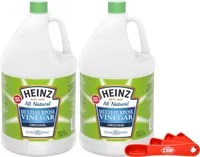
- White vinegar:Its acidity cuts through grease and disinfects. Mix equal parts vinegar and water in a spray bottle for an easy cleaner.
- Baking soda:Acts as a mild abrasive to scrub away stubborn spots. Make a paste with water for tougher stains.
- Lemon juice:Contains natural acids that dissolve grease and leave a fresh scent. Combine with vinegar or baking soda for extra power.
Tools And Equipment
The right tools help you apply cleaners effectively and avoid damage. Soft materials work best to prevent scratching while scrubbing off grease.
- Microfiber cloths:Great for wiping without leaving streaks or lint behind.
- Soft sponges or non-abrasive scrubbers:Use these for scrubbing tougher grease without harming paint.
- Spray bottles:Handy for applying liquid cleaners evenly on vertical surfaces.
- Bucket and warm water:Perfect for rinsing your cloth or sponge during cleaning sessions.
Have you ever tried cleaning kitchen walls only to find stubborn grease spots that won’t budge? Choosing the right combination of degreaser and tools can save you time and frustration. What cleaning supplies are you currently using, and how well are they working for your kitchen walls?
Step-by-step Cleaning Process
Cleaning grease off kitchen walls can seem like a tough job, but breaking it down into clear steps makes it manageable and even satisfying. This step-by-step process guides you through preparing your space, applying the right cleaners, scrubbing effectively, and finishing with proper rinsing and drying. Each part is essential to restore your walls without damage or extra work later.
Preparing The Area
Start by clearing the area around your kitchen walls. Move any furniture, decorations, or appliances that might get in the way or get damaged by cleaning solutions.
Cover the floor with old towels or a plastic sheet to catch drips and prevent slipping. Open windows or switch on a fan to ensure good ventilation, especially if you’re using chemical cleaners.
Applying Cleaners Safely
Choose a cleaner suitable for your wall type—mild dish soap mixed with warm water works well for most painted walls. For tougher grease, a mixture of vinegar and water or a commercial degreaser can be more effective.
Always test your cleaner on a small hidden area first to avoid discoloration or damage. Apply the cleaner with a soft sponge or spray bottle, working from the bottom up to prevent streaks.
Scrubbing Techniques
Use gentle circular motions with a non-abrasive sponge or cloth to loosen the grease. Avoid harsh scrubbing that might strip paint or leave scratches.
If the grease is stubborn, let the cleaner sit for a few minutes before scrubbing again. For textured walls, use a soft brush to reach into crevices without harming the surface.
Rinsing And Drying
Rinse the walls with a clean cloth dipped in fresh water to remove any leftover cleaner and grease residue. It’s important not to leave cleaning solution on the walls, as it can attract more dirt or cause damage over time.
Dry the walls thoroughly with a microfiber cloth or allow them to air dry with good airflow. Have you noticed how a fully dried surface often looks much brighter and cleaner?

Before and after cleaning grease from kitchen walls
Diy Grease Removal Remedies
Removing grease from kitchen walls doesn’t have to mean harsh chemicals or expensive cleaners. You can tackle stubborn grease stains with simple ingredients you probably already have at home. These DIY remedies are effective, affordable, and safe for most wall surfaces.
Vinegar And Baking Soda Mix
This classic combo works wonders on grease. Start by sprinkling baking soda on a damp sponge or cloth. Then spray white vinegar over the baking soda, creating a fizzy reaction that helps break down grease.
Use gentle circular motions to scrub the greasy spots on your walls. After scrubbing, wipe the area clean with a damp cloth to remove any residue. Have you noticed how this fizzing action makes the cleaning feel almost effortless?
Lemon Juice Applications
Lemon juice is a natural degreaser thanks to its acidity. Squeeze fresh lemon juice directly onto a clean cloth and rub it onto the greasy patches. The citric acid cuts through the grease and leaves a fresh scent behind.
For tougher stains, mix lemon juice with a little water and apply it using a spray bottle. Wait a few minutes before wiping it off. Have you ever used lemon as a cleaner and been surprised by how fresh your kitchen smells afterwards?
Dish Soap Solutions
Dish soap is designed to cut through grease on your dishes, so it’s great for walls too. Mix a few drops of dish soap in warm water and dip a sponge or cloth into the solution. Gently scrub the greasy areas, then rinse with clean water.
This method is especially useful for regular maintenance to prevent grease build-up. What’s your go-to soap brand for tackling grease around the house?
Preventing Future Grease Buildup
Grease buildup on kitchen walls can be tough to remove. Preventing it saves time and effort later. Simple habits and smart choices keep your kitchen cleaner longer. Focus on stopping grease from sticking and spreading. This section explains key ways to prevent future grease buildup effectively.
Regular Cleaning Schedule
Clean kitchen walls often to stop grease buildup. Wipe down surfaces after cooking sessions. Use mild detergent or vinegar solutions for daily cleaning. Deep clean walls at least once a week. Regular cleaning prevents grease from hardening and becoming sticky.
Using Protective Coatings
Apply protective coatings on kitchen walls to block grease. Use washable paint or clear sealants designed for kitchens. These coatings create a smooth surface that resists grease stains. Clean coated walls easily without harsh scrubbing. Protective layers keep walls looking fresh and clean.
Improving Kitchen Ventilation
Good ventilation reduces grease particles in the air. Use exhaust fans or range hoods while cooking. Open windows to increase airflow and remove smoke. Ventilation helps grease settle less on walls and surfaces. Keep vents clean to maintain their efficiency over time.
Close-up of grease cleaner spray on a kitchen wall
When To Call Professional Cleaners
Knowing when to call professional cleaners for grease on your kitchen walls can save you time, effort, and potential damage. Some grease stains are too tough for regular cleaning products, and certain wall materials need special care. Recognizing these situations early helps you avoid frustration and costly repairs.
Severe Grease Stains
When grease builds up over months or years, it becomes deeply embedded in your wall’s surface. DIY cleaners often struggle to remove these stubborn stains completely. If you notice dark, sticky patches that resist scrubbing, it’s time to call in the pros who have stronger solutions and equipment.
Delicate Wall Surfaces
Walls with wallpaper, textured paint, or sensitive finishes require gentle cleaning methods. Using harsh chemicals or abrasive tools can cause permanent damage or discoloration. Professionals know how to treat these surfaces safely without ruining your kitchen’s look.
Time And Effort Considerations
Cleaning greasy kitchen walls can be exhausting and time-consuming, especially if you have a busy schedule. If you don’t have hours to spend scrubbing, professional cleaners can handle the job efficiently. This frees you up to focus on other priorities while ensuring your kitchen looks spotless.

Homemade solution for removing kitchen wall grease
Frequently Asked Questions
What Household Items Clean Grease Off Kitchen Walls?
Common items like baking soda, vinegar, and dish soap effectively clean grease. Mix these with warm water for a powerful, safe solution.
Can Vinegar Remove Stubborn Grease From Walls?
Yes, vinegar’s acidity breaks down grease and grime. Use diluted vinegar on a cloth to gently scrub kitchen walls.
Is Baking Soda Safe For Kitchen Wall Cleaning?
Baking soda is non-toxic and gentle, making it ideal for cleaning. It removes grease without damaging most wall surfaces.
How To Prevent Grease Buildup On Kitchen Walls?
Regular cleaning with mild soap and water helps prevent buildup. Use a splash guard near cooking areas to minimize grease splatter.
Conclusion
Grease on kitchen walls is a common problem. But solutions are simple. Using the right cleaners makes a big difference. Vinegar, baking soda, and dish soap work well. These items are easy to find and affordable. They clean effectively without harsh chemicals.
Regular cleaning keeps grease from building up. A clean kitchen is a happy kitchen. Try these methods today for a fresher, cleaner space. Keep your walls grease-free with these simple tips. Your kitchen will thank you.
