

Are you ready to transform your kitchen into a stylish, easy-to-clean space? Putting tile on your kitchen wall can instantly boost its look and protect the area from spills and stains.
How to Put Tile in Kitchen Wall. Easy Steps for a Stunning Upgrade. But where do you start? Don’t worry—you don’t need to be a professional to get this right. In this guide, you’ll discover simple, step-by-step instructions to help you install kitchen wall tiles with confidence. Stick with me, and you’ll soon enjoy a fresh, beautiful kitchen that reflects your personal style.
Let’s dive in and make your kitchen walls shine!
Preparing The Wall
Preparing the kitchen wall properly ensures your tile lasts long and looks great. It creates a smooth, clean surface for the tiles to stick firmly. Neglecting this step can cause tiles to loosen or crack over time. Follow these simple steps to get your wall ready.
Clearing The Surface
Remove everything from the wall, including old tiles, nails, and hooks. Take down any electrical outlet covers and switch plates. Use a scraper or putty knife to get rid of peeling paint or wallpaper. The surface must be flat and free of debris for the tile to adhere well.
Cleaning And Repairing
Wash the wall with warm water and mild soap. This removes dust, grease, and dirt that block tile glue. Let the wall dry completely. Fill any holes or cracks with spackle or patching compound. Sand the repaired spots smooth once dry. A clean, even surface helps tiles stick and look neat.
Measuring And Marking
Measure the area you plan to tile using a tape measure. Mark the center point to balance the tile layout. Use a pencil and level to draw horizontal and vertical guide lines. These lines keep your tiles straight and aligned. Proper marking saves time and prevents uneven gaps.
Choosing The Right Tile
Choosing the right tile for your kitchen wall is a crucial step that sets the tone for the entire space. The tile you pick affects not only the look but also the durability and ease of cleaning. Taking time to consider your options carefully will save you from costly changes later.
Selecting Tile Material
Think about the material based on your kitchen’s daily use. Ceramic and porcelain tiles are popular because they resist moisture and stains well. If you want something more natural, stone tiles like granite or marble add elegance but require more upkeep.
Do you want a glossy finish that reflects light or a matte one that hides smudges? Your choice here affects maintenance and appearance. Remember, durability is key in a kitchen environment where splashes and heat are common.
Picking The Size And Pattern
Big tiles can make a small kitchen look larger by reducing grout lines. Smaller tiles, such as mosaics, add texture and can create interesting patterns. Think about the style you want: classic subway tiles in a herringbone pattern or large-format tiles for a sleek modern look.
Have you considered how the pattern will complement your cabinets and countertops? Mixing tile sizes or patterns can add personality but might overwhelm the space if not balanced correctly. Visualize your kitchen wall before making a final decision.
Gathering Tools And Supplies
Before starting, ensure you have all the necessary tools ready. You will need a tile cutter, notched trowel, spacers, and grout float at a minimum. Buying the right adhesive and grout designed for kitchen walls will make a big difference in the longevity of your tile job.
Have you checked if you need a waterproof membrane or backer board? These supplies add protection against moisture, especially near sinks and stoves. Organizing your tools and materials beforehand helps the installation go smoothly and efficiently.
Applying Adhesive
Applying adhesive correctly is key to ensuring your kitchen wall tiles stay put and look great for years. It’s not just about slapping glue on the wall; the adhesive needs to be mixed and spread with care. Getting this right can save you from tiles slipping or uneven surfaces later.
Mixing The Mortar
Start by choosing a high-quality tile adhesive or mortar suitable for kitchen walls. Use a clean bucket and gradually add water to the powder while stirring. The goal is a smooth, thick paste—think peanut butter consistency—not too runny or dry.
Use a drill with a mixing paddle or a sturdy stick to mix thoroughly. If it’s too watery, the tiles won’t stick well. Too thick, and you’ll have trouble spreading it evenly. Trust me, I learned this the hard way when my first batch was too runny, causing tiles to slide down before setting.
Spreading The Adhesive Evenly
Once mixed, apply the mortar to the wall using a notched trowel. Hold the trowel at a 45-degree angle to create ridges that help the tiles grip better. Don’t try to cover a huge area at once—work in small sections to prevent the adhesive from drying out.
Check that the adhesive layer is consistent; uneven spreading leads to bumps or gaps under the tiles. Press tiles firmly into the ridges and wiggle slightly to set them. Have you noticed how even a small mistake here can cause tiling frustrations later? Taking your time pays off.

Rustic kitchen with wooden wall décor and hanging pans
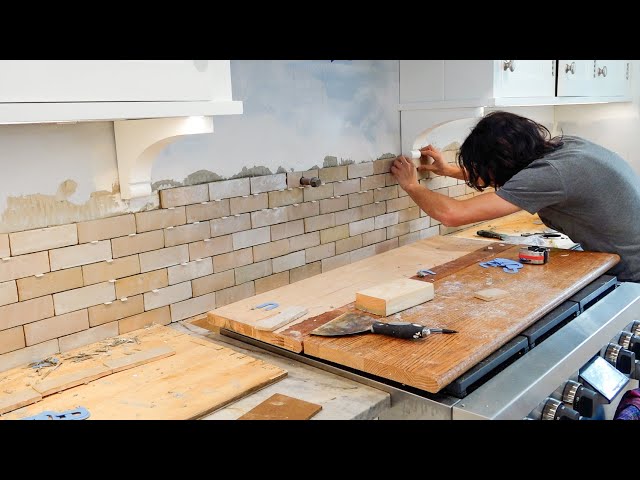
Laying The Tiles
Laying tiles on your kitchen wall is where your preparation truly pays off. This step demands precision and patience, but it’s also where you get to see your vision start to take shape. Getting the tiles properly aligned and cut will make your kitchen look professionally finished.
Starting From The Center
Begin by finding the exact center of your kitchen wall. This helps ensure your tiles are evenly spaced and balanced, avoiding awkward cuts at the edges. Mark the center line lightly with a pencil to guide your first tile placement.
Placing the first tile at the center gives you a clear reference point. It also lets you work outward, making adjustments easier as you go. Have you ever noticed how uneven edges can distract from the overall look? Starting in the center helps avoid this problem.
Using Spacers For Alignment
Tile spacers are small but essential tools that keep your tiles evenly spaced and aligned. Insert spacers between tiles as you lay them to maintain consistent gaps for grout. This step ensures your kitchen wall looks neat and tidy.
Without spacers, tiles can shift and create uneven lines, ruining the smooth effect you want. Think about how much time you’ll save on fixing crooked tiles later by using spacers from the start. You’ll appreciate the professional finish they help achieve.
Cutting Tiles To Fit
I learned early on that cutting tiles accurately is key to a polished kitchen wall. Use a tile cutter or wet saw to trim tiles to fit edges, outlets, or corners. Measure twice and cut once—this advice really holds true here.
It’s tempting to rush through cuts, but taking your time prevents waste and frustration. If you’re nervous about cutting, practice on spare tiles first. Have you ever struggled with uneven cuts? Getting comfortable with your tools makes the process smoother and less stressful.
Grouting The Tiles
Grouting the tiles is a crucial step that brings your kitchen wall project to life. It fills the gaps between tiles, securing them and giving your wall a polished look. Done right, grouting not only protects but also enhances the beauty of your tile work.
Mixing The Grout
Start by choosing the right grout color to match or contrast with your tiles. Pour the grout powder into a clean bucket, then slowly add water. Stir the mixture with a margin trowel or a drill with a mixing paddle until you get a smooth, peanut butter-like consistency.
Be careful not to add too much water, as this can weaken the grout. Let the mixture sit for about 5 to 10 minutes before stirring again. This resting period helps the grout hydrate evenly, making it easier to work with.
Applying And Smoothing Grout
Use a rubber float held at a 45-degree angle to spread the grout across the tiles. Press firmly to push the grout deep into the joints. It’s tempting to rush, but taking your time ensures there are no gaps or air pockets.
Once the joints are fully filled, hold the float at a steeper angle and drag it diagonally across the tiles. This removes excess grout and smooths the lines. Have you noticed how this step defines the overall look of your tile wall?
Cleaning Excess Grout
Cleaning is key to a professional finish. After waiting 10 to 15 minutes, use a damp sponge to gently wipe the tile surfaces. Rinse the sponge frequently to avoid smearing grout back onto the tiles.
Once the grout starts to harden, use a dry cloth to buff off any remaining haze. Avoid scrubbing too hard to prevent removing grout from the joints. Would you agree that patience during cleaning pays off in the final appearance?

Floating shelves with jars and accessories on kitchen wall
Sealing And Finishing
Sealing and finishing are vital for a durable and polished kitchen wall tile. Proper sealing protects grout from stains and moisture. Finishing touches enhance the tile’s look and ensure longevity. This stage requires attention to detail and patience.
Applying Sealant
Choose a high-quality grout sealant suitable for kitchen use. Use a small brush or applicator to apply the sealant evenly. Focus on grout lines, avoiding excess on the tile surface. Let the sealant absorb for about five minutes. Wipe off any residue with a clean cloth. Allow the sealant to dry fully before exposing the wall to water or heat.
Final Cleaning And Inspection
Wait until the sealant is completely dry. Use a soft cloth or sponge with mild cleaner to remove any haze. Check grout lines and tiles for any missed spots or damage. Smooth out any rough grout areas with fine sandpaper if needed. Ensure all tiles are firmly attached and even. Proper cleaning and inspection guarantee a beautiful, long-lasting kitchen wall tile.
Maintenance Tips
Keeping kitchen wall tiles looking fresh needs simple care. Regular upkeep stops dirt build-up and keeps tiles shiny. Small efforts go a long way in protecting your tile investment. Follow these tips to maintain your kitchen wall tiles easily.
Regular Cleaning
Clean tiles often to avoid stains and grease. Use a mild detergent mixed with warm water. Wipe tiles with a soft cloth or sponge. Avoid harsh chemicals that can damage tile surfaces.
- Clean spills immediately to prevent stains.
- Use a soft brush for grout lines.
- Dry tiles with a clean towel to stop water spots.
Preventing Damage
Protect tiles from cracks and chips by handling kitchen tools carefully. Avoid dropping heavy items near tiled walls. Use cutting boards and avoid leaning sharp objects against tiles.
- Seal grout regularly to block moisture.
- Check grout for cracks and repair them quickly.
- Keep vents on to reduce humidity and mold growth.
Modern kitchen wall with colorful backsplash tiles
Frequently Asked Questions
How Do I Prepare A Kitchen Wall For Tiling?
Clean the wall thoroughly to remove grease and dirt. Repair any holes or cracks. Apply a primer or backer board for better tile adhesion and durability.
What Tools Are Needed To Put Tile On Kitchen Walls?
Essential tools include a tile cutter, notched trowel, spacers, level, tape measure, grout float, and adhesive. Safety gear like gloves and goggles is also recommended.
How Much Time Does Kitchen Wall Tiling Take?
Tiling a kitchen wall typically takes 1 to 3 days. This depends on the wall size, tile type, and drying time for adhesive and grout.
Can I Tile Over Existing Kitchen Wall Tiles?
Yes, you can tile over existing tiles if they are in good condition. Clean the surface well and use a suitable adhesive for better bonding.
Conclusion
Tiling your kitchen wall is an easy DIY project. With the right tools, anyone can do it. Start by preparing the wall properly. Choose tiles that match your kitchen style. Measure carefully to avoid mistakes. Apply adhesive evenly for strong tile support.
Align tiles neatly for a smooth look. Once tiles are set, use grout to fill gaps. Clean off any excess grout immediately. Stand back and admire your handiwork. A tiled kitchen wall adds beauty and value. Enjoy your refreshed kitchen space!
