

Are you ready to give your space a fresh, organized look? Installing a wall cabinet can be the perfect solution to add storage and style without taking up floor space.
How to Install a Wall Cabinet: Easy Steps for a Perfect Fit, But if you’re worried it’s too complicated or time-consuming, don’t be. With the right steps and a little guidance, you can do it yourself and enjoy the satisfaction of a job well done. Keep reading, and you’ll learn exactly how to install a wall cabinet safely and securely, even if this is your first time.
Let’s get started!
Tools And Materials Needed
Before installing a wall cabinet, gather all necessary tools and materials. This preparation saves time and helps avoid mistakes. The right equipment ensures a safe and smooth installation. Here is a list of what you need to have ready.
Essential Tools
- Electric drill with drill bits
- Stud finder
- Level
- Measuring tape
- Socket wrench or screwdriver
- Pencil for marking
- Clamps (optional but helpful)
- Hammer
- Safety goggles
Materials Required
- Wall cabinet
- Mounting screws or bolts
- Wall anchors (if no studs found)
- Shims for adjusting level
- Wood glue (optional)

Leveling wall cabinets during installation process
Choosing The Right Cabinet
Choosing the right cabinet is the foundation of a successful wall cabinet installation. The right cabinet not only fits your space perfectly but also matches your style and meets your storage needs. Before making a purchase, think about how you will use the cabinet and what features matter most to you.
Consider The Cabinet Size And Dimensions
Measure your wall space carefully to ensure the cabinet fits without crowding the room. Depth, height, and width all matter. A cabinet that is too deep can stick out awkwardly, while one that is too shallow might limit your storage options.
Think about the items you plan to store. Do you need tall shelves for large dishes or narrow compartments for spices? Matching the cabinet size to your specific needs helps avoid wasted space.
Choose The Material And Finish
Materials affect durability and appearance. Solid wood cabinets offer strength and a classic look but often come at a higher price. MDF or plywood cabinets are budget-friendly and can be finished to look like wood.
Consider your room’s style. A glossy finish might suit a modern kitchen, while a matte or distressed finish works well in rustic settings. What look do you want to create in your space?
Pick The Right Door Style And Hardware
The door style influences both function and aesthetics. Flat-panel doors give a sleek look, while raised-panel doors add detail and texture. Glass doors can showcase your items but may require more upkeep.
Hardware choices like handles and knobs complete the look. Choose something comfortable to use and that matches other fixtures in your room. Have you thought about how easy it will be to open your cabinet daily?
Assess Weight Capacity And Installation Type
Not all cabinets support the same weight. Consider what you will store and make sure the cabinet can hold it safely. Heavy items like dishes or books need stronger cabinets and secure wall mounting.
Also, decide if you want a cabinet that mounts directly to studs or one that uses anchors for drywall. This affects how stable and safe the cabinet will be once installed.
Preparing The Wall
Preparing the wall is a crucial part of installing a wall cabinet. It sets the foundation for a secure and level cabinet that will last for years. Taking time to properly prepare the wall can save you from headaches later on, like uneven cabinets or damage to your walls.
Locating Studs
Studs provide the strongest support for your wall cabinet. Use a stud finder to locate the wooden studs behind your drywall. Mark each stud location with a pencil to ensure you anchor the cabinet securely.
If you don’t have a stud finder, try tapping the wall—solid sounds usually mean a stud is behind. Another trick is to look for electrical outlets or switches; studs are often located next to them.
Marking Placement
Decide exactly where you want your cabinet to hang. Measure the height and width carefully, considering the space around the cabinet for doors to open fully. Use a level to draw straight lines on the wall that mark the top and bottom edges of the cabinet.
Mark the stud locations along these lines. These marks become your guide for drilling holes and installing screws. If your cabinet has a mounting rail, mark where it will align with the studs for strong support.
Checking For Obstacles
Before drilling, check the wall for hidden obstacles such as electrical wires, plumbing pipes, or ductwork. A multi-scanner tool can help detect these hazards. Avoid drilling where you detect wires or pipes to prevent costly damage and safety risks.
Think about what’s behind the wall, especially in kitchens or bathrooms. Have you ever hit a pipe or wire unexpectedly? Taking a moment now can save you from a big repair later.
Assembling The Cabinet
Assembling the cabinet is where your project starts taking real shape. This part demands patience and attention to detail, but the satisfaction of seeing your cabinet come together makes it worthwhile. Preparing your workspace and organizing all parts before you begin can save you from frustration down the line.
Gather All Necessary Tools And Parts
Before you start, make sure you have every part and tool ready. This usually includes screws, dowels, hinges, and the cabinet panels themselves.
- Check the instruction manual carefully to confirm you have all components.
- Use a screwdriver, hammer, and possibly a drill depending on your cabinet’s design.
- Keep all small hardware pieces in a container to avoid losing them.
Have you ever started building something only to realize halfway through that a crucial piece is missing? Avoid that by double-checking your kit first.
Connect The Cabinet Panels
Start by assembling the main body of the cabinet—usually the sides, bottom, top, and back panel.
- Align the panels carefully to ensure corners meet perfectly.
- Insert dowels or cam locks as instructed to hold the panels together firmly.
- Tighten screws gradually to avoid warping the wood or particle board.
Take your time here. A cabinet that isn’t square will cause headaches when mounting or installing shelves later.
Attach Doors And Shelves
Once the body is sturdy, it’s time to add doors and internal shelves.
- Secure hinges to the doors before attaching them to the cabinet frame.
- Adjust hinge screws to get doors aligned perfectly—no gaps or uneven edges.
- Slide shelves into place or secure fixed shelves with screws or brackets.
Do the doors open smoothly? If not, small hinge adjustments can make a big difference in usability.
Double-check Stability And Finish
After assembly, check the cabinet’s stability by gently shaking it.
- Tighten any loose screws or fittings.
- Sand down any rough edges or surfaces before finishing.
- Consider applying paint or varnish to protect the wood and enhance appearance.
Is your cabinet solid and ready to hold your items safely? Ensuring this now prevents future problems.
Mounting The Cabinet
Mounting the cabinet on the wall requires precision and care. Proper mounting ensures the cabinet holds weight safely and looks level. Follow these key steps to achieve a secure and stable installation.
Using A Level
Start by placing a level on top of the cabinet. Adjust the cabinet until the bubble is centered. This guarantees the cabinet is perfectly horizontal. A level cabinet prevents doors from swinging open or closing by themselves.
Securing With Screws
Find wall studs using a stud finder to support the cabinet’s weight. Use long screws to fasten the cabinet through its back panel into the studs. Tighten screws firmly, but avoid overtightening which can damage the cabinet or wall. Screws hold the cabinet securely in place.
Ensuring Stability
Check the cabinet for any movement or wobble after securing. Add extra screws if needed for stronger support. Use brackets or braces inside the cabinet for additional stability. A stable cabinet stays safe and functional for years.
Adjusting The Doors And Shelves
Adjusting the doors and shelves ensures your wall cabinet looks neat and works well. Proper alignment prevents gaps and makes doors close smoothly. Shelf adjustments help store items at the right height and keep everything stable. Small tweaks can make a big difference in the cabinet’s function and appearance.
Adjusting The Cabinet Doors
Start by checking the door alignment. Look for uneven gaps or doors that don’t close fully. Most cabinets have screws on the hinges for adjustment. Turn these screws slowly to move the door up, down, left, or right. Use a level to keep doors straight. Close the door gently to test the fit. Repeat adjustments until the doors align perfectly and close without resistance.
Aligning The Shelves
Most shelves rest on small pins or brackets inside the cabinet. Remove the shelves and decide the best height for your needs. Insert the shelf pins at the chosen level, making sure they fit securely into the holes. Place the shelf back carefully to avoid wobbling. If shelves are adjustable, test different heights to find the most practical setup. Secure shelves firmly to prevent slipping or tipping.
Checking Door Hinges And Handles
Inspect the hinges for tightness. Loose hinges cause misalignment and noise. Tighten screws with a screwdriver, but avoid over-tightening. Check door handles for firmness as well. Loose handles make opening difficult. Tighten or replace screws if needed. A well-secured handle adds to the cabinet’s durability and ease of use.
Finishing Touches
Finishing touches are what turn your wall cabinet from a basic installation into a polished, functional piece of your space. These details not only enhance the look but also improve usability and durability. Paying attention to small elements ensures your hard work pays off every day you use the cabinet.
Installing Handles
Choosing the right handles can change the entire vibe of your cabinet. You can go for sleek metal pulls for a modern look or classic knobs for something more traditional. Make sure to measure carefully before drilling holes—accuracy here saves you from unnecessary fixes later.
When attaching the handles, use a level to keep them perfectly straight. This might seem minor, but crooked handles are one of the easiest mistakes to spot and can detract from your cabinet’s appearance. Have you ever noticed how a small misalignment can catch your eye every time you open the door?
Sealing Edges
Sealing the edges of your cabinet protects it from moisture and dust, extending its life. Use a clear silicone sealant or wood filler depending on the material of your cabinet. Apply it neatly along the joints where the cabinet meets the wall or where panels connect.
This step also prevents gaps that can collect dirt or insects, something many overlook until it’s too late. Take your time smoothing the sealant with a damp finger or tool for a clean finish. Could your cabinet benefit from an extra layer of protection that’s easy to apply?
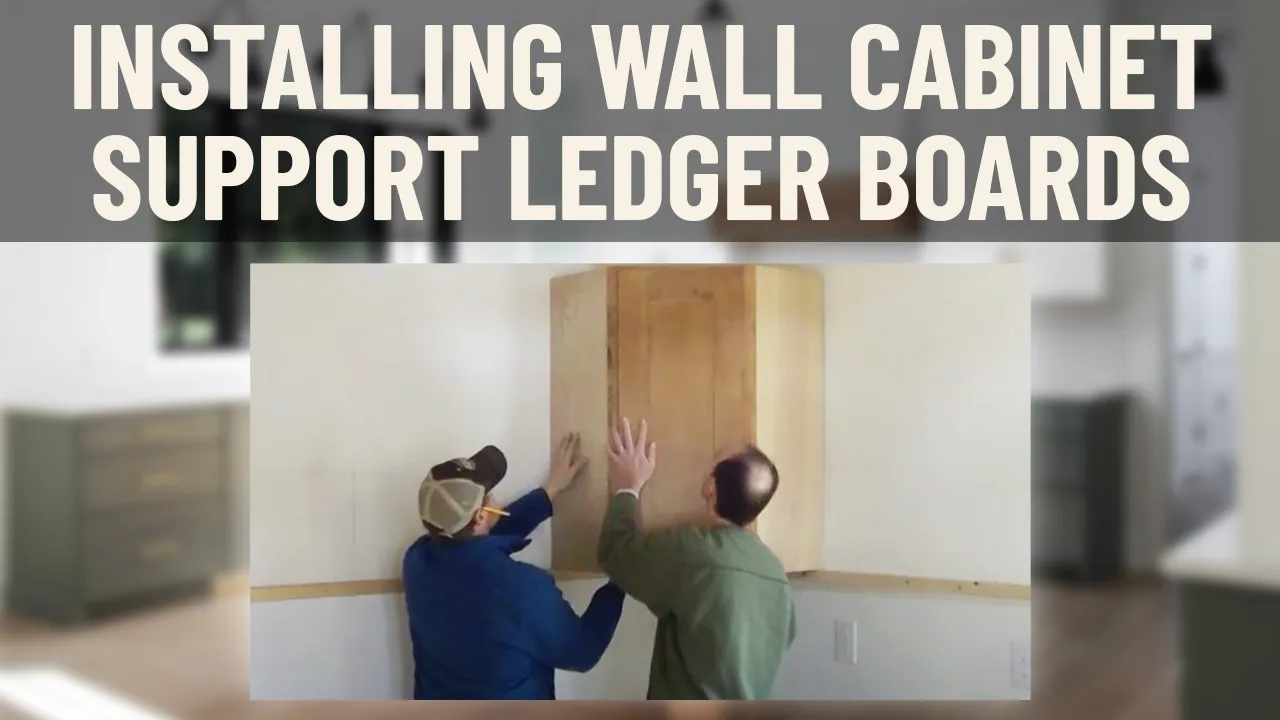
Carpenter mounting a wall cabinet on kitchen wall
Common Mistakes To Avoid
Installing a wall cabinet might seem simple. Yet, many make mistakes that cause problems later. Avoiding these errors saves time, effort, and money. Here are some common mistakes to watch out for during installation.
Failing To Locate Studs Accurately
Wall cabinets need strong support. Attaching them only to drywall is risky. Drywall can’t hold heavy weight well. Always find the studs behind the wall. Use a stud finder for precision. Mark the stud positions clearly before drilling.
Ignoring Level And Plumb Alignment
Even a small tilt looks bad and affects cabinet use. Check the cabinet’s level horizontally and vertically. Use a spirit level or laser level. Adjust the cabinet until it is perfectly straight. Secure it firmly once aligned.
Using Incorrect Screws Or Fasteners
Screws that are too short or weak can cause the cabinet to fall. Choose screws designed for cabinet installation. They should be long enough to reach deep into studs. Metal anchors can help if studs are not available.
Skipping Wall Preparation
Uneven or damaged walls cause poor cabinet fit. Inspect the wall surface before installation. Repair holes or cracks and smooth rough spots. This ensures the cabinet sits flush and stable.
Not Checking Cabinet Weight Limits
Each cabinet has a weight capacity. Overloading can lead to damage or accidents. Know the maximum weight your cabinet can hold. Distribute items evenly inside to avoid stress points.
Ignoring Manufacturer Instructions
Every cabinet model may have unique installation steps. Skipping the manual can lead to errors. Read and follow all instructions carefully. They include important safety and assembly details.
Failing To Measure Twice
Incorrect measurements cause gaps or fitting issues. Measure the space and cabinet multiple times. Mark installation points clearly. This prevents costly mistakes and adjustments later.
Maintenance Tips For Longevity
Maintaining your wall cabinet ensures it stays strong and looks great for years. Simple care can prevent damage and keep the cabinet functional. Regular checks and cleaning help avoid costly repairs later.
Keep The Cabinet Clean And Dry
Dust the cabinet often using a soft cloth. Wipe spills immediately to avoid stains. Avoid using harsh chemicals that can damage the finish. Use a mild soap solution for cleaning and dry with a clean cloth.
Check And Tighten Hardware Regularly
Loose screws and hinges can weaken the cabinet. Inspect hardware every few months. Tighten any loose screws with a screwdriver. Replace damaged hinges or handles to keep the cabinet stable.
Avoid Overloading Shelves
Weight limits protect the cabinet from sagging or falling. Distribute heavy items evenly across shelves. Remove items that exceed the cabinet’s weight capacity. Use sturdy brackets for extra support if needed.
Protect The Surface From Moisture
Moisture can cause wood to warp or swell. Use a dehumidifier in humid areas. Avoid placing wet items directly on the cabinet. Apply a protective sealant on wooden surfaces to repel water.
Inspect For Pests And Damage
Check for signs of pests like termites or ants. Look for cracks, chips, or peeling paint. Treat any pest problem immediately with safe methods. Repair minor damages promptly to prevent worsening.

Tools and drill used for installing wall cabinets
Frequently Asked Questions
How Do I Find Studs For Wall Cabinet Installation?
Use a stud finder to locate studs behind the drywall. Mark the stud centers with a pencil for secure cabinet anchoring. Studs are typically 16 or 24 inches apart. Securing cabinets to studs ensures strong support and prevents wall damage.
What Tools Are Needed To Install A Wall Cabinet?
Essential tools include a drill, level, stud finder, measuring tape, screwdriver, and a pencil. These tools help ensure precise measurements and secure mounting. Using the right tools simplifies the installation process and guarantees a professional finish.
How High Should A Wall Cabinet Be Installed?
Install wall cabinets 54 to 60 inches from the floor to the cabinet’s bottom. This height allows comfortable reach and workspace below. Adjust height based on user preference and countertop height for optimal usability.
Can I Install A Wall Cabinet Without Studs?
It is not recommended to install wall cabinets without studs. Use heavy-duty wall anchors if studs are unavailable, but they provide less support. Cabinets without stud anchoring may become unstable and unsafe over time.
Conclusion
Installing a wall cabinet is simpler than you think. Just follow the steps carefully. Measure your space accurately. Use the right tools and materials. Secure the cabinet firmly to the wall. Double-check that everything is level and steady. This ensures safety and durability.
Remember, practice makes perfect. Don’t rush the process. With patience and attention, your cabinet will look great. You’ll feel proud of your work. Enjoy your new wall cabinet. It’s a handy addition to any room. Enhance your space with confidence.
