

Are you ready to transform your kitchen and add valuable storage space? Hanging kitchen cabinets on your wall might seem tricky, but with the right steps, you can do it yourself and save money.
How to Hang Kitchen Cabinets on Wall. Imagine having sturdy, perfectly aligned cabinets that make your kitchen look fresh and organized. This guide will walk you through every important detail, making the process simple and stress-free. Keep reading, and you’ll gain the confidence to hang your cabinets like a pro.
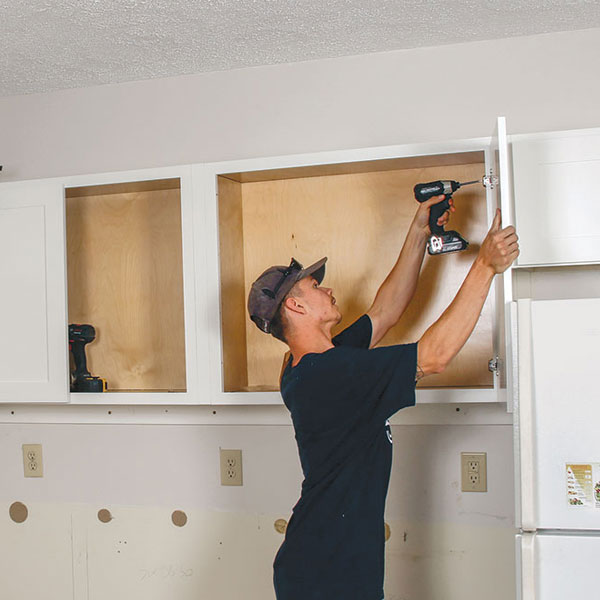
Carpenter hanging kitchen cabinets on wall with drill
Tools And Materials Needed
Hanging kitchen cabinets on the wall requires specific tools and materials. Using the right equipment makes the job easier and safer. Preparing everything before starting saves time and prevents mistakes. Below is a list of essential tools and required materials for this task.
Essential Tools
- Power drill with drill bits
- Stud finder
- Level
- Measuring tape
- Socket wrench or screwdriver
- Clamps
- Pencil for marking
- Step ladder or sturdy stool
- Safety glasses
- Work gloves
Required Materials
- Kitchen cabinets
- Cabinet mounting screws
- Wall anchors (if no studs found)
- Shims for leveling
- Wood glue (optional for extra strength)
- Backing board (optional for weak walls)
Preparing The Wall
Preparing the wall is the first key step in hanging kitchen cabinets. A strong and even wall ensures your cabinets stay safe and look great. Taking time to prepare helps avoid problems later.
Check the wall for any damage or weak spots. Repair holes or cracks before starting. A sturdy surface will hold the cabinets well and keep them from falling.
Locate Studs
Studs are vertical wooden beams behind the drywall. Cabinets must be attached to these for strong support. Use a stud finder to find them quickly and accurately.
Mark the edges of each stud lightly with a pencil. Studs usually sit 16 or 24 inches apart. Double-check your marks before drilling or screwing.
Mark Cabinet Placement
Decide where the cabinets will hang on the wall. Use a tape measure to mark the top edge line for the upper cabinets. Mark the bottom edge for the base cabinets.
Draw vertical lines to show where each cabinet side will be. This helps keep cabinets aligned and spaced evenly. Make sure the marks match your kitchen layout plan.
Check For Level And Plumb
Use a level to check horizontal lines on the wall. Cabinets must hang perfectly level to avoid doors swinging open or closed.
Check vertical lines with the level to ensure the wall is plumb. Walls can be uneven, so mark high and low spots to adjust later.
Correct any uneven spots with shims during installation. This keeps cabinets straight and stable over time.
Assembling Cabinets
Assembling kitchen cabinets correctly sets the foundation for a sturdy and lasting installation. This stage involves putting together different parts of the cabinet to form a solid structure. Careful assembly ensures the cabinets stay aligned and secure on the wall.
Attach Face Frames
Face frames give cabinets their finished look. Attach them by aligning the frame with the cabinet box edges. Use clamps to hold the frame in place. Drive screws through the frame into the cabinet box. Make sure the frame sits flush and square. Check for gaps and adjust before tightening screws fully. This step strengthens the cabinet and prepares it for mounting.
Join Multiple Cabinets
Joining cabinets creates a seamless row on your wall. Place cabinets side by side, making sure edges align perfectly. Use clamps to hold the cabinets tightly together. Drill pilot holes through the sides where they meet. Drive screws into the holes to lock cabinets as one unit. Check the front faces to keep them even. Joining cabinets this way makes installation easier and results in a clean, professional look.

Measuring level for kitchen wall cabinet installation
Installing The First Cabinet
Installing the first kitchen cabinet sets the foundation for the entire project. It requires accuracy and care to ensure all other cabinets align perfectly. Take time to prepare the wall and tools before starting. A well-installed first cabinet makes the rest of the job easier and faster.
Secure To Wall Studs
Find the wall studs using a stud finder. Mark their locations clearly. Position the cabinet against the wall, aligning it with the studs.
Use long screws to attach the cabinet through the back panel into the studs. Avoid drywall only, as it cannot support heavy weight. Drive screws at the top and bottom for strong hold. Check that the cabinet feels firm and does not wobble.
Check For Level
Place a level on the cabinet top and sides. Adjust the cabinet until it is perfectly horizontal and vertical. Use shims behind the cabinet if the wall is uneven.
Recheck the level after each screw is tightened. A slight tilt will cause problems when installing other cabinets. A level first cabinet ensures smooth installation of all kitchen cabinets.
Hanging Additional Cabinets
Adding more cabinets to your kitchen wall can seem tricky, but with the right approach, it becomes manageable and even satisfying. Hanging additional cabinets requires careful alignment and secure fastening to ensure stability and a professional look. Let’s break down the key steps to help you get it right.
Align And Clamp Cabinets
Start by positioning the new cabinet next to the one already mounted. Use a level to check that both cabinets line up perfectly at the top and front edges. Clamping them together tightly keeps the cabinets flush and prevents shifting while you work.
Have you ever noticed gaps between cabinets after installation? Clamping avoids this by holding them steady. It’s a small step that saves time fixing mistakes later.
Fasten Cabinets Together
With the cabinets clamped, drill pilot holes through the side panels where they meet. Then, secure them using screws designed for cabinet assembly. This step locks the units into a seamless row, making them feel like one continuous piece.
Using clamps to hold the cabinets while fastening helps ensure the screws go in straight. Straight screws mean a stronger bond and cleaner finish.
Secure To Wall
Once the cabinets are fastened together, find the wall studs behind them using a stud finder. Mark these spots clearly, then drill through the cabinet backs into the studs with long screws. This anchoring provides the support needed to hold heavy dishes and kitchen tools safely.
Think about the last time you saw a cabinet sag or pull away from the wall. That usually happens because it wasn’t properly secured to studs. Don’t skip this step—it’s essential for durability and safety.
Final Adjustments
Final adjustments bring your kitchen cabinets to life. This stage ensures everything fits and looks perfect. Small tweaks make a big difference in the cabinet’s function and appearance.
Install Doors And Hardware
Attach the cabinet doors carefully to avoid damage. Align hinges so doors open smoothly and close tightly. Secure knobs and handles firmly for easy use. Test each door and hardware piece for proper movement.
Fill Screw Holes
Use wood filler to cover visible screw holes. Choose a filler color that matches your cabinet finish. Apply with a putty knife and smooth the surface. Let it dry fully, then sand lightly for a clean look.
Clean Up
Remove dust and debris from the cabinet surfaces. Use a soft cloth to wipe doors and frames. Clear the workspace to keep your kitchen tidy. Check for any leftover tools or materials to store safely.
Common Mistakes To Avoid
Hanging kitchen cabinets can be a satisfying DIY project. Avoiding common mistakes makes the job easier and safer. These errors cause damage, poor alignment, and unstable cabinets. Pay close attention to details for a perfect finish.
Ignoring Studs
Studs provide the strong support cabinets need. Skipping them leads to weak mounting and possible falls. Use a stud finder to locate them precisely. Always screw into studs, not just drywall, for better hold.
Skipping Level Checks
Checking levels ensures cabinets hang straight and look good. Neglecting this step causes crooked or uneven cabinets. Use a spirit level before and during installation. Adjust as needed to keep cabinets perfectly horizontal.
Overtightening Screws
Tightening screws too much can damage cabinets and walls. It may strip the screw holes or crack the wood. Tighten screws firmly but gently. Stop once the cabinet feels secure without forcing the screw.
Tips For A Smooth Installation
Installing kitchen cabinets on the wall requires care and attention. Small mistakes can cause big problems later. Follow these tips for a smooth installation. They help save time and avoid frustration.
Use A Helper
Kitchen cabinets are heavy and bulky. Having a helper makes the job safer and easier. A second person can hold the cabinet steady while you secure it to the wall. This teamwork keeps cabinets level and prevents accidents.
Double-check Measurements
Accurate measurements are key to proper cabinet placement. Measure twice before drilling or screwing. Check the height, width, and spacing carefully. This prevents holes in the wrong spots and uneven cabinets.
Take Your Time
Rushing leads to mistakes and poor results. Work slowly and carefully. Align each cabinet perfectly before fixing it. Taking your time ensures a professional-looking finish and saves effort in the long run.

Modern kitchen with newly installed wall cabinets
Frequently Asked Questions
How Do I Find Studs To Hang Kitchen Cabinets?
Use a stud finder to locate wall studs. Mark the center of each stud with a pencil. Cabinets must be anchored to studs for stability and safety.
What Tools Are Needed To Hang Kitchen Cabinets?
Essential tools include a drill, level, stud finder, tape measure, and screwdriver. These tools help ensure precise alignment and secure installation.
How High Should Kitchen Cabinets Be Hung?
Standard upper cabinets are hung 54 inches from the floor. This height allows a 18-inch gap between the countertop and cabinet bottom.
Can I Hang Cabinets On Drywall Alone?
No, drywall cannot support cabinet weight alone. Always secure cabinets into wall studs to prevent accidents or damage.
Conclusion
Hanging kitchen cabinets can seem daunting. But with patience, it’s doable. Gather your tools and materials first. Measure your space carefully. Ensure everything aligns perfectly. Use a level for accuracy. Secure each cabinet firmly. Ask a friend for help. Safety comes first.
Stand back and admire your work. With practice, it gets easier. Your kitchen will look great. Enjoy the new look and functionality. Always maintain them properly. Clean regularly to keep them shining. You’ve done well! Now, enjoy your organized kitchen space.

Sophia Martinez is a culinary lifestyle writer and product reviewer for DiningGadgets.com. Passionate about blending style with functionality, she explores the latest dining essentials, kitchen décor, and cleaning hacks that transform everyday cooking spaces. With a background in home organization and design, Sophia brings readers expert advice on creating beautiful, practical kitchens that truly feel like the heart of the home.