

How to Choose Paint Color for Kitchen Walls Choosing the perfect paint color for your kitchen walls can feel overwhelming. After all, this is the heart of your home where you cook, eat, and gather with family.
The right color can make your kitchen feel warm, inviting, and full of energy. But how do you pick a shade that matches your style, brightens the space, and works with your cabinets and countertops? You’ll discover simple, practical tips that make choosing your kitchen paint color easy and even fun.
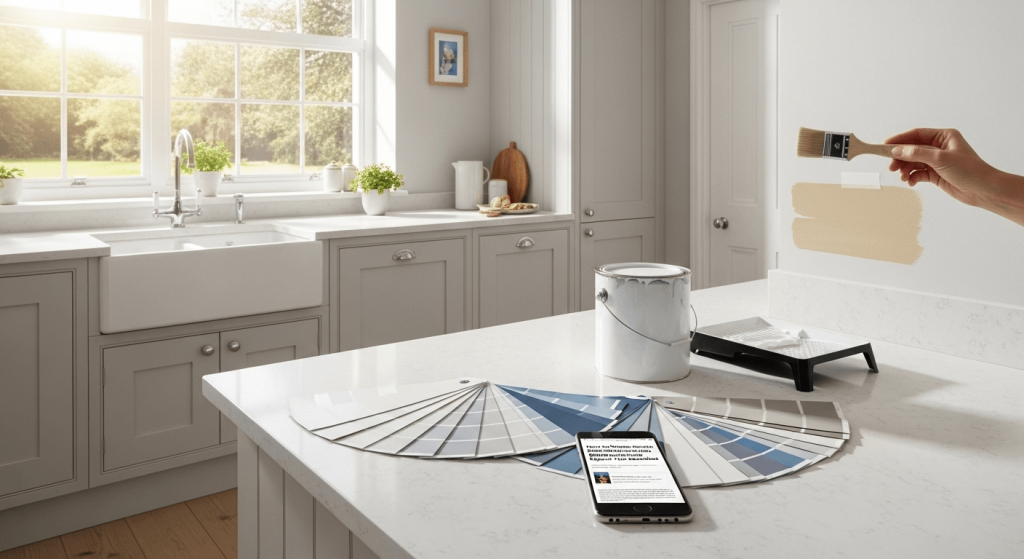
how to choose paint color for kitchen walls
Keep reading to find the perfect hue that will transform your kitchen into the space you’ve always wanted.
Factors Affecting Kitchen Paint Color
Choosing the right paint color for kitchen walls depends on several important factors. These elements influence how colors look and feel in the space. Considering these helps create a balanced and beautiful kitchen.
Lighting And Space
Natural and artificial light affect paint color perception. Bright kitchens can handle darker colors well. Small kitchens benefit from light, soft colors to open up space. Cool light tones make colors appear cooler. Warm lighting brings out warmer shades. Always test paint samples at different times of the day.
Cabinet And Countertop Colors
Wall paint must complement cabinets and countertops. Dark cabinets pair well with light or neutral walls. Light cabinets allow for bolder wall colors. Match undertones for a harmonious look. Consider materials too—wood, stone, or laminate can impact color choices.
Kitchen Style And Theme
The kitchen’s style guides paint color choices. Modern kitchens suit crisp, clean colors like white or gray. Rustic kitchens look great with earthy tones. Traditional kitchens often use warm, inviting shades. Match the paint color to the overall vibe you want to create.
Popular Kitchen Paint Colors
Choosing the right paint color for your kitchen walls can set the entire mood of the space. Popular kitchen paint colors often reflect both style and functionality, helping you create a welcoming and practical environment. Whether you prefer something subtle or daring, knowing the popular choices can guide you to a color that feels just right for your kitchen.
Neutral Shades
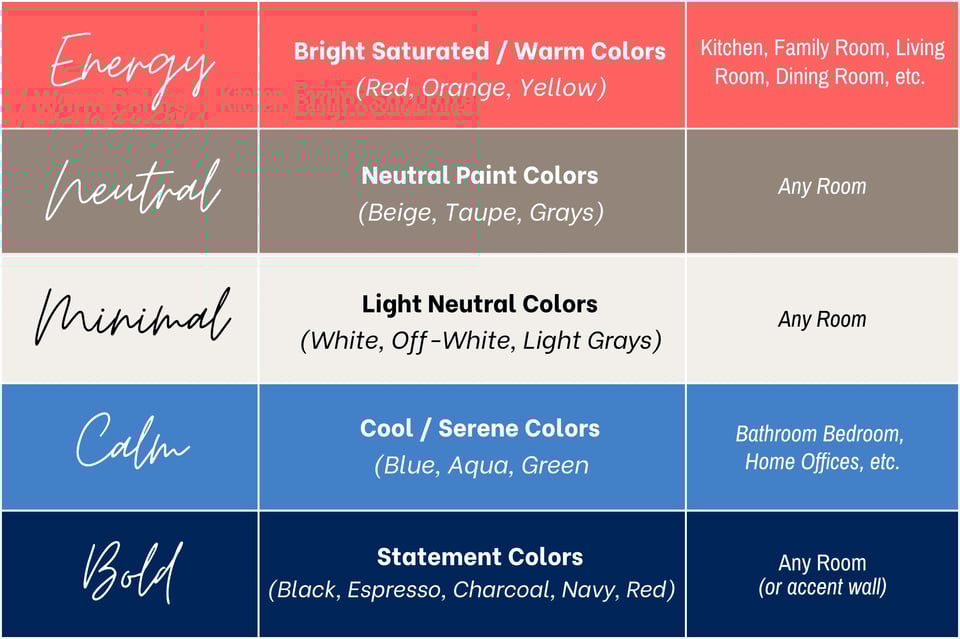
Neutral shades remain a top pick because they offer flexibility and timeless appeal. Colors like warm beige, soft gray, and creamy white create a calm backdrop that lets your kitchen’s other elements shine.
These shades also make your kitchen feel larger and brighter, which is great if you have limited natural light. Think about pairing a pale gray with white cabinets for a clean, modern look that never goes out of style.
Bold And Bright Options
If you want your kitchen to make a statement, bold and bright colors are the way to go. Deep navy blue, vibrant red, or even a cheerful yellow can energize the space instantly.
Choosing a strong color can highlight architectural features or create a cozy nook. Just ask yourself: how much color do you want to live with every day? A bold wall can be exciting but might feel overwhelming if overdone.
Pastels And Soft Hues
Soft colors like mint green, powder blue, or blush pink bring a fresh and inviting atmosphere. These hues are perfect if you want a gentle pop of color without overpowering the room.
Pastels work well in kitchens with vintage or farmhouse styles, adding charm and warmth. They also pair beautifully with natural wood tones and white appliances, creating a balanced and soothing look.
Choosing Paint Finish
Choosing the right paint finish for your kitchen walls affects both the look and the longevity of your paint job. It’s not just about how shiny or dull the surface appears—it’s also about how well the paint stands up to everyday use. Understanding the differences between finishes can help you pick one that suits your kitchen’s needs and your lifestyle.
Matte Vs. Glossy
Matte paint offers a smooth, non-reflective surface that hides imperfections well. If your walls have minor dents or uneven textures, matte can make them less noticeable.
Glossy finishes, on the other hand, reflect more light and create a shiny look. They can brighten a space but also highlight flaws like bumps or scratches.
Ask yourself: Do you prefer a soft, subtle look or a bright, eye-catching surface? Your answer will guide your choice between matte and glossy finishes.
Durability And Cleanability
Kitchens are high-traffic areas prone to spills, splatters, and frequent cleaning. Glossy paints usually have a tougher surface that resists stains and wipes clean easily.
Matte finishes can be more delicate. They might absorb stains or wear off quicker if scrubbed hard.
If you cook often or have kids, you might want to lean towards finishes that stand up to scrubbing without losing their charm.
:max_bytes(150000):strip_icc()/SimplySouthernCottage_HectorSanchez2-08b987e66409472fa83fdde79c1b81d5-b14649286e3948278e067be525b2cca1.jpg "How to Choose Paint Color for Kitchen Walls: Expert Tips Revealed 2")
kitchen wall paint guide
Testing Paint Colorskitchen wall paint guide
Testing paint colors is a crucial step before committing to a shade for your kitchen walls. Colors often look different on a small screen or in a paint store than they do in your actual space. Taking the time to see how colors interact with your kitchen’s unique lighting and surroundings can save you from costly mistakes and disappointment.
Sample Swatches
Start by picking up sample swatches or small paint pots of your favorite colors. Paint large patches on different walls to get a better sense of the color’s true appearance. Small chips won’t give you the full picture—larger areas reveal how the color flows and feels in your kitchen.
Don’t hesitate to test multiple shades side by side. This helps you compare subtle differences that might affect your kitchen’s vibe. You might think a soft blue will be calming until you see it next to a creamy white, and the contrast changes your perception.
Lighting At Different Times
Observe your painted swatches at different times of the day. Morning sunlight, afternoon brightness, and evening artificial light all change how colors appear. A color that feels warm and inviting in the morning might look cold and dull by night.
Consider the direction your kitchen windows face. North-facing rooms often have cooler, dimmer light, which can make colors appear more muted. South-facing kitchens get more natural light, which can brighten even darker shades.
Have you noticed a color looking perfect in the morning but harsh in the evening? That’s why checking paint under your kitchen’s actual lighting is non-negotiable. Take notes or photos to help you decide which shade holds up best throughout the day.
Combining Colors And Accents
Choosing the right paint color for your kitchen walls is more than picking a single shade. Combining colors and accents can bring depth and personality to the space. The trick lies in balancing the main wall color with accent choices that highlight your kitchen’s features without overwhelming the room.
Accent Walls
An accent wall offers a bold splash of color that draws the eye and creates a focal point. You might choose a vibrant blue or a deep green to contrast with neutral walls. Think about which wall naturally stands out—behind the stove or the dining nook often works well.
Try pairing a soft gray kitchen with a bright mustard accent wall to add warmth and energy. If you prefer subtlety, a muted olive or dusty rose can create interest without clashing. Have you noticed how an accent wall can change the mood of your kitchen instantly?
Trim And Ceiling Colors
Don’t overlook trim and ceiling colors when combining your kitchen palette. White trim is classic, but soft creams or even gentle pastels can add charm and soften the overall look. The ceiling, often painted white, can instead carry a hint of color to make the room feel cozy or spacious depending on your choice.
Consider a pale blue ceiling paired with warm beige walls to open up the space while adding character. Or, a charcoal trim against light walls can frame your kitchen like artwork. What feeling do you want your kitchen to evoke when you step inside?
:max_bytes(150000):strip_icc()/GettyImages-1648288633-b274a52a3b414606b8837cf39b4e70be.jpg "How to Choose Paint Color for Kitchen Walls: Expert Tips Revealed 3")
best kitchen colors
Common Mistakes To Avoid
Choosing the right paint color for kitchen walls can be tricky. Many people make common mistakes that affect the room’s look and feel. Avoid these errors to create a kitchen that feels bright and welcoming. Focus on balance and harmony between color, light, and fixtures.
Overwhelming Bright Colors
Bright colors can be exciting but too much can feel overwhelming. Intense reds, yellows, or oranges may tire the eyes quickly. These colors can also clash with kitchen items and décor. Choose bright hues carefully and balance them with neutral tones. Use bright colors as accents rather than the main wall color.
Ignoring Natural Light
Natural light changes the way paint looks in a room. Dark colors can make a kitchen feel smaller if there is little sunlight. Too much sunlight can fade some paint colors over time. Test paint samples on your walls at different times of the day. Notice how natural light affects the color before deciding.
Mismatch With Fixtures
Kitchen fixtures like cabinets, countertops, and appliances affect color choice. A paint color that clashes with these elements can make the space feel unbalanced. Consider the style and color of your fixtures before choosing paint. Choose colors that complement or harmonize with existing kitchen features.
Expert Tips For Long-lasting Results
Choosing the right paint color for your kitchen walls is just the beginning. To make sure that vibrant hue lasts and keeps your kitchen looking fresh, you need to focus on the details behind the scenes. Expert tips can guide you through the process, ensuring your kitchen walls stay beautiful and durable for years.
Surface Preparation
Start with a clean, smooth surface. Dirt, grease, and old paint can prevent new paint from sticking well. Use a mild detergent to wash the walls and sand rough spots lightly.
Fix any cracks or holes with spackling paste, then sand again once dry. A properly prepared wall helps paint adhere better, reducing peeling or bubbling later on.
Quality Paint Selection
Choose paint specifically designed for kitchens or high-moisture areas. These paints resist stains, mildew, and wear better than standard options.
Look for semi-gloss or satin finishes—they’re easier to clean and more durable. Don’t skimp on quality; a high-grade paint might cost more upfront but saves money on touch-ups and repainting.
Proper Application Techniques
Use a good brush or roller suited for your paint type. Apply thin, even coats instead of thick layers to avoid drips and uneven drying.
Allow each coat to dry fully before applying the next. This builds a stronger, more lasting finish. Remember, patience here means your kitchen walls will look great longer.
kitchen interior design
Frequently Asked Questions
What Factors Influence Kitchen Wall Paint Color Choice?
Lighting, cabinet style, countertop material, and kitchen size affect paint color choice. Consider natural and artificial light. Match colors with existing elements for harmony.
How Do I Pick A Paint Color For Small Kitchens?
Choose light, neutral colors to make small kitchens feel larger. Soft shades reflect light well, creating an open and airy atmosphere.
Can Paint Color Affect Kitchen Mood And Appetite?
Yes, colors like warm reds and yellows can stimulate appetite. Cool tones promote calmness. Select colors based on the desired kitchen ambiance.
Should Kitchen Paint Colors Match Cabinet And Countertop Tones?
Yes, coordinating paint with cabinets and countertops ensures a cohesive look. Use complementary or contrasting shades to balance the kitchen’s visual appeal.
Conclusion
Choosing the right paint color transforms your kitchen’s look and feel. Consider natural light, cabinet color, and your personal style. Test samples on walls to see how they change. Bright colors add energy; soft tones create calm. Remember, your kitchen is a place for gathering.
The color should make it welcoming. Painting is an easy way to update your space. Make your choice carefully and enjoy the process. Your kitchen will reflect your personality and taste. Happy painting!
