How to Apply Kitchen Wall Tiles: Easy Steps for a Stunning Upgrade
Are you ready to transform your kitchen with stunning wall tiles but unsure where to start? Applying kitchen wall tiles can seem tricky, but with the right steps, you can achieve a professional look all by yourself.
How to Apply Kitchen Wall Tiles. Imagine the satisfaction of seeing your kitchen walls come to life with fresh, beautiful tiles that reflect your style. In this guide, you’ll discover simple, clear instructions that make the process easy to follow. By the end, you’ll have the confidence to tackle your kitchen wall project and enjoy a brand-new space that feels both stylish and welcoming.
Keep reading to unlock the secrets to perfect kitchen wall tiles!
Choosing The Right Tiles
Choosing the right tiles for your kitchen walls sets the foundation for the entire project. The tiles you pick affect not only the look but also the durability and ease of maintenance. Taking time to understand your options helps you avoid costly mistakes and ensures your kitchen feels inviting and functional.
Types Of Kitchen Wall Tiles
There are several types of tiles to consider, each with unique benefits. Ceramic tiles are popular due to their affordability and wide variety of styles. Porcelain tiles offer extra durability and water resistance, making them ideal near sinks and stoves.
Glass tiles reflect light beautifully and can make small kitchens appear larger. Natural stone tiles like marble or slate add a luxurious touch but require more care. Think about how much wear and tear your kitchen walls will face before deciding.
Selecting Colors And Patterns
Colors and patterns can dramatically change your kitchen’s vibe. Light colors often make the space feel bigger and brighter. Dark tiles add depth and can create a cozy atmosphere but may show dirt more easily.
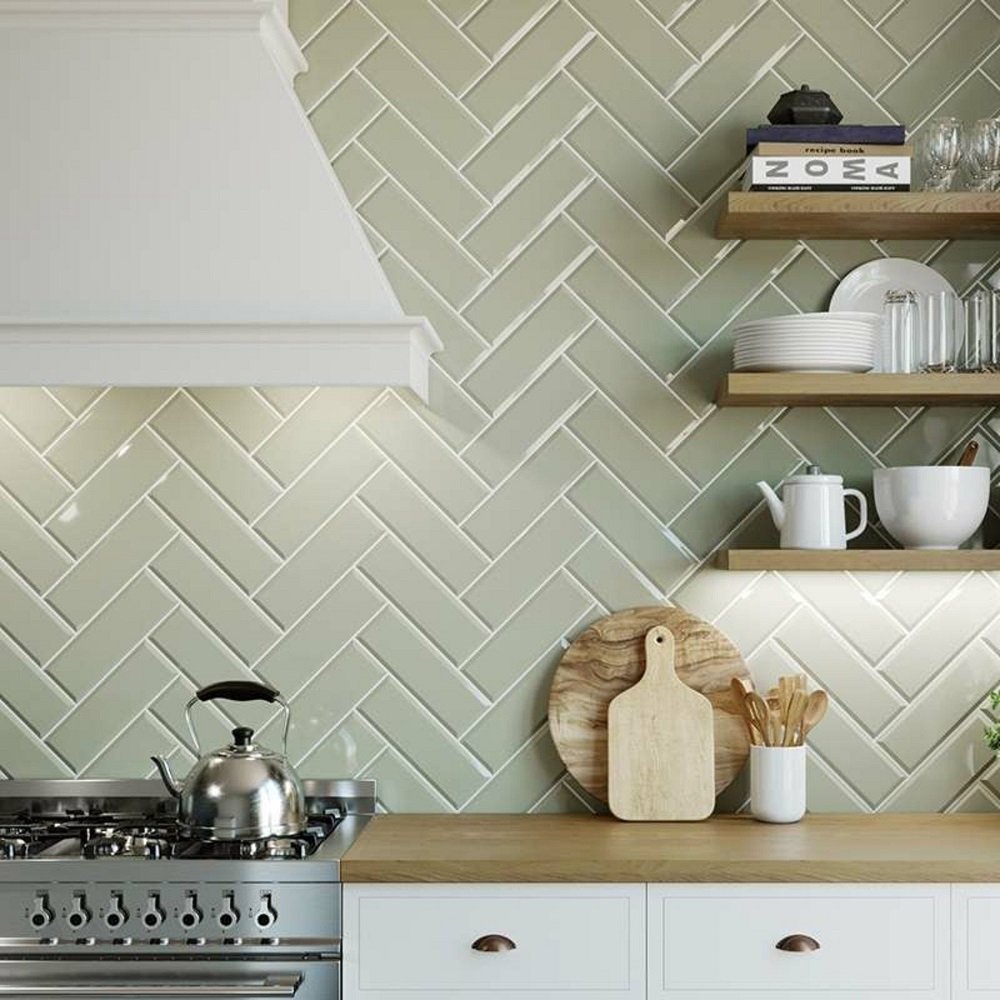
Patterns can range from simple subway tiles to bold geometric shapes. Mixing textures or adding a decorative border can create visual interest without overwhelming the space. What mood do you want your kitchen to express?
Measuring Your Wall Space
Accurate measurements prevent tile shortages or excess. Use a tape measure to get the width and height of each wall you plan to tile. Don’t forget to subtract areas taken by cabinets, windows, or outlets.
Note irregularities like bumps or angles that might affect tile placement. Adding 10% extra tiles to your order covers cutting mistakes and future repairs. How comfortable are you with cutting tiles to fit tricky spots?

DIY homeowner installing kitchen wall tiles step by step
Gathering Tools And Materials
Preparing to tile your kitchen wall needs the right tools and materials. Gathering these beforehand saves time and helps the work go smoothly. Knowing what to use also ensures a neat, lasting finish. Below are the basics you need to start your kitchen tiling project.
Essential Tools For Tiling
- Tile cutter or wet saw – to cut tiles to fit edges and corners
- Notched trowel – to spread adhesive evenly on the wall
- Spirit level – to keep tiles straight and even
- Tile spacers – to maintain consistent gaps between tiles
- Rubber grout float – to apply grout smoothly between tiles
- Sponge and bucket – to clean off excess grout
- Measuring tape – to measure wall space accurately
- Pencil or chalk – to mark cut lines on tiles
Tile Adhesives And Grout Options
Choose an adhesive suitable for kitchen walls and tile type. Ready-mixed adhesives work well for most ceramic tiles. Thinset mortar is better for heavier or natural stone tiles.
Grout comes in sanded and unsanded forms. Sanded grout suits wider joints over 1/8 inch. Unsanded grout fits narrow joints and delicate tiles.
Pick grout color that matches or contrasts with your tiles for style.
Safety Gear To Use
- Safety goggles to protect eyes from dust and tile chips
- Gloves to shield hands from sharp edges and adhesives
- Dust mask to avoid inhaling fine dust during cutting
- Knee pads for comfort if working at low wall sections
Preparing The Wall Surface
Preparing the wall surface is essential before applying kitchen wall tiles. A clean, smooth, and well-marked wall ensures tiles stick properly and look great. This process saves time and prevents future problems like tiles falling off or uneven surfaces.
Cleaning And Repairing Walls
Start by removing old wallpaper, grease, and dust. Use a mild detergent and warm water to clean the wall. Rinse with clean water and let it dry completely.
Check the wall for cracks, holes, or loose plaster. Fill small holes with spackling paste. For larger cracks, use a suitable filler or patching compound. Sand the repaired areas smooth once dry.
Smoothing And Priming
Uneven walls can cause tiles to crack or not stick well. Sand the entire surface lightly to create an even texture. Remove dust with a clean cloth or vacuum.
Apply a primer designed for tile installation. Primer improves adhesion and seals porous surfaces. Allow the primer to dry fully before tiling.
Marking Guidelines
Marking guidelines keeps tiles straight and aligned. Use a spirit level and pencil to draw a horizontal line where the first row of tiles will go. This line should be level and visible.
Draw vertical lines to mark tile edges and corners. These guides help maintain consistent spacing and a neat layout. Double-check all lines before starting to tile.

Evenly spaced subway tiles on kitchen wall
Cutting And Laying Tiles
Cutting and laying tiles can feel tricky at first, but with the right approach, you can achieve a clean and professional finish. This part of the tiling process demands precision and patience. Let’s break down how to measure, cut, and place your kitchen wall tiles effectively.
Measuring And Cutting Tiles
Accurate measurements are key to fitting tiles perfectly, especially around outlets or corners. Use a tape measure and mark your tile with a pencil where cuts are needed.
Tile cutters or a wet saw make straight cuts easier. For curved or irregular cuts, a tile nipper can help. Don’t rush—take your time to ensure every cut matches your measurements exactly.
Applying Adhesive
Choose a tile adhesive suitable for kitchen walls and prepare it according to the instructions. Using a notched trowel, spread the adhesive evenly on the wall where you’ll place the tiles.
Work in small sections to prevent the adhesive from drying out before you lay the tiles. This keeps the tiles sticking firmly and avoids slipping later on.
Placing Tiles Accurately
Start placing tiles from the bottom center and work your way outwards for a balanced look. Press each tile firmly into the adhesive and use tile spacers to keep gaps even.
Check alignment often with a level to avoid crooked rows. If a tile doesn’t fit perfectly, don’t hesitate to adjust or trim it to maintain a seamless pattern.
Grouting And Finishing Touches
Grouting and finishing touches are the final steps that bring your kitchen wall tiles together into a polished look. This phase is crucial because grout fills the gaps between tiles, securing them and enhancing the overall appearance. Neglecting proper grouting can lead to problems like water damage or dirt buildup, so it’s worth taking your time to do it right.
Mixing And Applying Grout
Start by mixing the grout according to the package instructions. The consistency should be smooth and spreadable but not too runny.
Use a rubber float to apply grout diagonally across the tiles. This technique helps press grout into the joints without pulling it out.
Don’t rush this part—firmly pack grout into all the spaces to avoid gaps that can trap moisture later on.
Cleaning Excess Grout
After applying, wait about 15 to 30 minutes for the grout to set slightly.
Use a damp sponge to gently wipe off the grout haze from the tile surface. Rinse the sponge frequently to avoid smearing.
If you miss this step, you’ll end up with a dusty residue that dulls the tile’s shine. Have you ever tried scrubbing grout haze off dried grout? It’s much harder, so clean early and often.
Sealing And Protecting Tiles
Once the grout fully cures—usually after 48 to 72 hours—it’s time to seal it. Sealing prevents stains and water from penetrating the grout lines.
Apply a grout sealer with a small brush or applicator bottle, focusing on the joints. Avoid sealing the tile surface unless the tiles are porous.
Regularly resealing grout keeps your kitchen looking fresh and protects your hard work from everyday wear and tear. How often you seal depends on your kitchen’s use and moisture levels, so keep an eye out for signs of grout discoloration or crumbling.

Tiler applying grout to newly installed kitchen wall tiles”
Maintaining Your Tiled Wall
Maintaining your tiled kitchen wall is key to keeping it looking fresh and lasting for years. Tiles are durable, but they still need regular care to prevent grime build-up and damage. Small efforts in maintenance can save you from costly repairs down the line and keep your kitchen inviting.
Regular Cleaning Tips
Clean your tiled wall regularly using a mild detergent and warm water. Avoid harsh chemicals that might erode the grout or dull the tile finish. A soft cloth or sponge works best to wipe away grease and food splatters without scratching the surface.
Pay attention to grout lines since they tend to trap dirt. Use a small brush with baking soda paste to gently scrub grout for a brighter look. How often do you check your grout for discoloration? Spot cleaning before stains set can make a big difference.
Handling Repairs
If you notice cracked or loose tiles, don’t ignore them. Addressing repairs quickly prevents water damage behind the tiles. You can remove damaged tiles carefully with a putty knife and replace them with matching ones from your original batch or a local supplier.
For grout cracks, applying a grout sealer or regrouting the affected area restores its strength and appearance. Have you ever delayed a small repair only to find a bigger problem later? Acting fast keeps your wall solid and your kitchen looking sharp.
Extending Tile Longevity
Protect your tiled wall by avoiding heavy impacts and using splash guards near cooking zones. Regularly sealing grout lines every year prevents moisture penetration and stains. This simple step can extend your tiles’ life dramatically.
Consider ventilating your kitchen well to reduce humidity, which can weaken grout over time. What small daily habits can you adopt to keep your kitchen wall in top shape? Consistency in care is the secret to a long-lasting tiled wall.
Frequently Asked Questions
How Do I Prepare The Kitchen Wall For Tiling?
Clean the wall thoroughly to remove grease and dust. Repair any holes or cracks. Ensure the surface is dry and smooth before applying tiles.
What Tools Are Needed To Apply Kitchen Wall Tiles?
You need a tile cutter, notched trowel, tile spacers, adhesive, grout, sponge, and a level for precise tile placement.
How Long Does It Take To Install Kitchen Wall Tiles?
Installation usually takes 1 to 3 days, depending on wall size and tile complexity. Drying time for adhesive and grout is included.
Can I Apply Kitchen Tiles Over Painted Walls?
Yes, if the paint is well-adhered and smooth. Rough or peeling paint must be removed for better tile adhesion.
Conclusion
Applying kitchen wall tiles can transform your space beautifully. Follow the steps carefully. Choose the right tiles for your style and needs. Prepare the surface before starting. Measure and mark to ensure a neat layout. Use quality adhesive for strong bonding.
Align tiles precisely to avoid misalignment. Let them set properly before grouting. Clean the tiles gently after grouting. Enjoy your refreshed and stylish kitchen look. With patience and attention, you can do it. Your kitchen will look great with your effort.
Happy tiling!