How Much to Paint a Kitchen Walls And Ceiling: Ultimate Cost Guide
Staring at dated, grease-stained kitchen walls and ceilings wondering what a fresh coat will set you back? Unlike painting a low-traffic bedroom, kitchen painting comes with unique challenges: constant cooking grease, moisture from dishwashing, and high foot traffic mean you’ll need durable, easy-to-clean paint and thorough surface prep to make the investment last. As of 2026, national average costs for a full kitchen wall and ceiling repaint range from $400 for a small DIY job to $3,000+ for a large professional project, but your final price will depend on dozens of small variables.
This ultimate cost guide breaks down every factor that impacts your budget, compares true DIY vs. professional costs, highlights common hidden fees, and shares trade-tested tips to cut expenses without sacrificing finish quality. Whether you’re refreshing a rental kitchen or prepping your home for sale, you’ll walk away with a clear, accurate budget estimate tailored to your space. You can also read our guide on how to remove grease stains from painted kitchen walls.
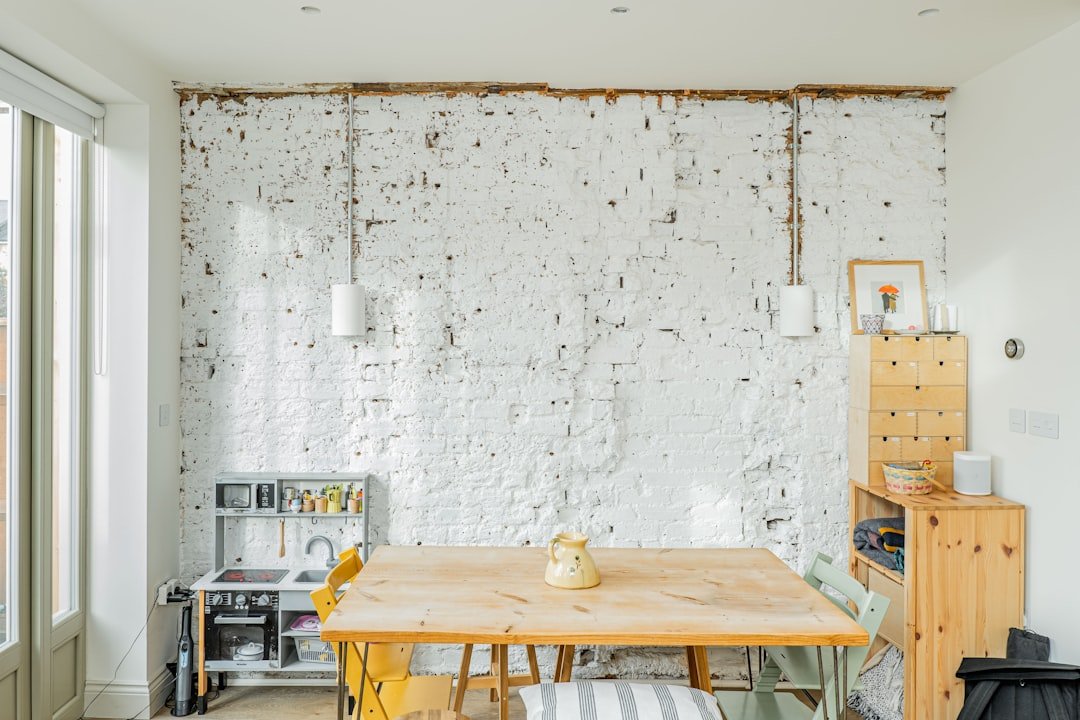
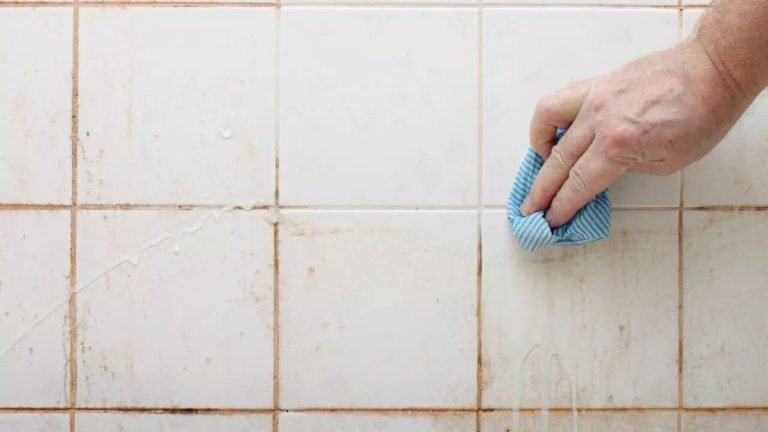
 Credit: freemansconstruction.com
A full kitchen wall and ceiling repaint is one of the highest-ROI small renovation projects for most homeowners.
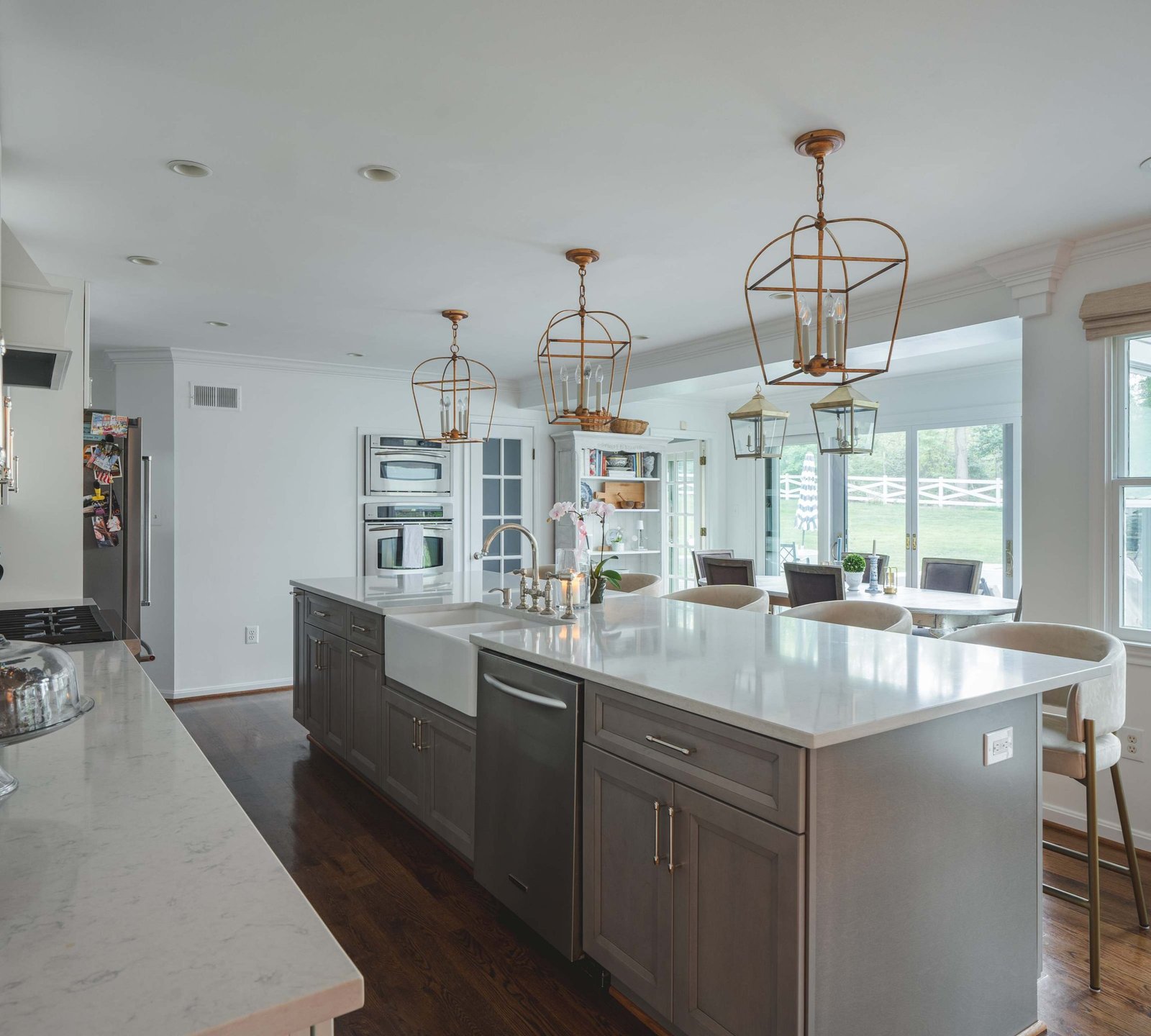
Credit: freemansconstruction.com
A full kitchen wall and ceiling repaint is one of the highest-ROI small renovation projects for most homeowners.
2026 Average Total Cost Breakdown
National average costs for a full kitchen wall and ceiling repaint (including standard prep, two coats of paint, and cleanup) vary widely based on kitchen size, location, and whether you DIY or hire a pro. The table below outlines typical 2026 price ranges for standard 8-foot smooth ceilings with no major repairs needed:
| Kitchen Size (Square Footage) | DIY Total Cost (Materials Only) | Professional Total Cost (Labor + Materials) |
|---|---|---|
| Small (under 100 sq ft) | $150 – $300 | $400 – $700 |
| Medium (100–200 sq ft) | $300 – $600 | $700 – $1,500 |
| Large (200+ sq ft) | $600 – $1,200 | $1,500 – $3,000+ |
Note that regional rates apply: costs are 20-30% higher in major coastal cities like New York and San Francisco, and 10-15% lower in rural Midwest areas. These estimates assume standard satin or semi-gloss kitchen paint and minimal surface repair.
Key Factors That Drive Your Final Price
Your total kitchen painting cost will vary based on five core variables, all of which you can assess before requesting quotes to get a more accurate budget:
- Kitchen layout and square footage: Galley kitchens have 10-15% more wall surface per square foot than open-concept layouts with shared living space walls, so they often cost more to paint per square foot. Open kitchens may have adjacent walls that don’t need repainting, lowering total costs.
- Ceiling height and style: Standard 8-foot ceilings are the most affordable to paint. Ceilings over 9 feet add 20-30% to labor costs due to required ladders, scaffolding, or lift equipment. Vaulted or sloped ceilings can add 40% or more, as they require specialized safety gear and extra time to paint evenly.
- Existing surface condition: Smooth, well-maintained walls with existing satin/semi-gloss paint require only light cleaning before painting. Glossy old paint, water stains, mold, or cracks need sanding, patching, and often primer, adding $0.50-$2.00 per sq ft to your total.
- Ceiling texture: Smooth drywall ceilings are the cheapest to paint. Popcorn ceilings require extra prep (often a skim coat to even the surface) and more paint to cover the texture, adding $0.50-$1.00 per sq ft. Knockdown or orange peel textures fall in the middle, adding $0.25-$0.75 per sq ft.
- Regional labor rates: As of 2026, professional painters charge $50-$90 per hour in most of the U.S., with rates 20-30% higher in major coastal cities and 10-15% lower in rural areas. Unionized painters may charge a 15-20% premium but often include longer workmanship warranties.
Cost Breakdown: Walls vs. Ceiling
Walls and ceilings have very different labor and material costs, even when painted as part of the same project.
Wall Painting Costs
Per square foot, professional wall painting for kitchens costs $2.00-$4.00 as of 2026, which is slightly lower than ceiling costs due to easier access and less overhead strain. For a medium 150 sq ft kitchen, expect to pay $300-$600 for professional wall painting alone, including standard prep and two coats of satin semi-gloss paint. DIY wall painting costs $0.50-$1.00 per sq ft in materials. You can also read our guide on how to clean kitchen walls for painting.
Ceiling Painting Costs
Kitchen ceilings cost $2.50-$4.50 per sq ft for professional painting, as the overhead work increases labor time and requires additional safety equipment. Popcorn ceiling removal before painting adds $1.00-$2.50 per sq ft, while textured ceiling painting adds $0.50-$1.00 per sq ft for extra paint and labor.
Combined Project Savings
Painting walls and ceilings together as a single project typically reduces total labor costs by 10-15%, as painters can prep and paint both surfaces in one visit, avoiding duplicate trip fees and setup time. This is the most budget-friendly option for most homeowners. You can also read our guide on how to clean sticky kitchen walls.
How Paint Selection Impacts Your Budget
The type of paint and finish you choose will have a major impact on both upfront costs and long-term durability for your kitchen.
Paint Type
- Standard latex paint: Budget-friendly options cost $20-$35 per gallon, cover 300-400 sq ft per gallon, and work well for low-moisture kitchens. They have lower VOC levels than older oil-based paints but may not hold up as well to frequent grease cleaning.
- Kitchen & bath specific paint: Formulated with added moisture and stain resistance, these paints cost $35-$60 per gallon and last 1-2 years longer than standard latex in high-traffic kitchens. Many have built-in primer to reduce prep work.
- Low-VOC and zero-VOC paint: For homes with asthma, allergies, or young children, these EPA-certified formulas minimize indoor air pollutants during and after application EPA low-emission paint guidelines. They cost $10-$20 more per gallon than standard latex but are worth the investment for indoor air quality.
Paint Finish
Paint finish is one of the biggest cost drivers for kitchens. Flat/matte finishes are the cheapest ($0.50-$0.75 per sq ft) but are not recommended for kitchens, as they trap grease and are hard to clean. Eggshell and satin finishes ($0.75-$1.25 per sq ft) offer a good balance of cleanability and low sheen, while semi-gloss and high-gloss finishes ($1.25-$1.75 per sq ft) are the most durable and easiest to wipe down, making them ideal for kitchen walls and ceilings, but they require more prep to hide surface imperfections. You can also read our guide on how to prep greasy kitchen walls for painting.
Primer Needs
Primer is only necessary if you’re painting over glossy old paint, switching from a dark to a light color, or repairing drywall damage. Primer costs $15-$30 per gallon and adds $0.50-$1.00 per sq ft to your total cost, but it reduces the number of topcoats needed and ensures better long-term adhesion.
DIY vs. Professional Painting: True Cost Comparison
Choosing between tackling the job yourself and hiring a pro is the biggest budget decision you’ll make for your kitchen paint project. Both options have clear trade-offs based on your skill level, available time, and risk tolerance. You can also read our guide on how to paint wall tiles in kitchen.
DIY Cost Breakdown
A DIY kitchen painting job only requires material costs, which run $0.50-$1.50 per sq ft for a small to medium kitchen. For a 150 sq ft kitchen, that’s $75-$225 for paint, primer, painter’s tape, drop cloths, rollers, brushes, and sandpaper. If you need to rent a ladder or paint sprayer for high ceilings, add $50-$150 in rental fees. Many DIYers underestimate hidden costs: mistakes like drips, uneven coverage, or missed grease spots can require buying extra paint or repairing damaged drywall, adding $100-$300 to your total. You’ll also need to factor in the value of your time: a typical kitchen DIY paint job takes 8-12 hours over 2-3 weekends, which is time you could spend on other projects or leisure.
Professional Cost Breakdown
Professional painting costs include labor, all materials, prep, cleanup, and disposal of waste. As of 2026, most professional kitchen painting jobs cost $2.00-$4.50 per sq ft for walls and ceilings combined, with a minimum $300-$400 service fee for small jobs. Most pro crews take 1-2 days to complete a standard kitchen, with no time commitment required from you. Pros bring specialized equipment (extension poles, paint sprayers, scaffolding) to achieve even coverage on high or textured ceilings, and they know how to properly degrease kitchen walls to ensure long-lasting results. A common mistake DIYers make is skipping the degreasing step: even a thin layer of cooking grease will cause new paint to peel within 6-12 months, leading to costly repainting down the line. For homeowners with limited time, physical limitations, or no painting experience, hiring a pro is often worth the 2-3x markup to avoid costly mistakes. If you have wall-mounted kitchen fixtures like faucets or soap dispensers, remove them before painting to avoid getting paint on hardware and to get a clean, even edge along walls.
Additional Costs to Budget For
Even with a standard wall and ceiling painting project, you may run into extra expenses depending on your kitchen’s condition. Budget for these common add-ons to avoid surprises:
- Mold and mildew remediation: If your kitchen has existing mold or mildew (common in poorly ventilated kitchens), remediation costs $0.50-$1.50 per sq ft before painting can begin. Ignoring mold will cause new paint to grow mold within months, so this is a necessary expense for many homes.
- Drywall repair: Small nail holes and cracks cost $1-$3 each to patch, while larger water damage or holes can cost $50-$200 to repair and skim coat.
- Popcorn ceiling removal: If you want to remove outdated popcorn ceilings before painting, budget $1.00-$2.50 per sq ft for removal, smoothing the surface, and repainting.
- Fixture and hardware removal/ reinstallation: If you hire a pro, they will typically remove and reinstall light fixtures, outlet covers, and cabinet hardware for $100-$200 extra. If you DIY, you’ll need to do this yourself to avoid getting paint on fixtures.
- Waste disposal: Proper disposal of old paint, primer, and painting supplies costs $50-$150, depending on local regulations and the amount of waste.
Proven Ways to Cut Your Kitchen Painting Costs
You don’t have to break the bank to get a professional-looking kitchen paint job. These trade-tested tips will help you save money without sacrificing finish quality:
- Buy paint during seasonal sales: Major home improvement stores run 20-30% off all paint during Memorial Day, Labor Day, and Black Friday sales. Stock up on paint for future touch-ups during these sales to save even more.
- Purchase paint in bulk: 5-gallon buckets of paint cost 10-15% less per gallon than quart or gallon sizes, and most stores will mix custom colors in bulk for free. Buy extra paint to keep on hand for future touch-ups.
- Skip unnecessary primer: If your existing paint is in good condition (no gloss, no stains, no damage), you can skip primer to save $0.50-$1.00 per sq ft. Test a small area first to ensure the new paint adheres properly.
- Combine wall and ceiling projects: As noted earlier, painting both surfaces together reduces labor costs by 10-15% by eliminating duplicate trip fees and setup time.
- Prep surfaces yourself: If you hire a pro, you can save $100-$300 by cleaning walls, removing fixtures, and patching small holes yourself before the painters arrive. Just be sure to do a thorough job to avoid extra charges for last-minute prep.
- Choose mid-range paint: You don’t need the most expensive paint on the market for a kitchen. Mid-range kitchen and bath paints ($35-$45 per gallon) offer the same durability and stain resistance as premium options for 20-30% less cost. Test a sample pot first to ensure you like the finish and coverage.
 Credit: www.angi.com
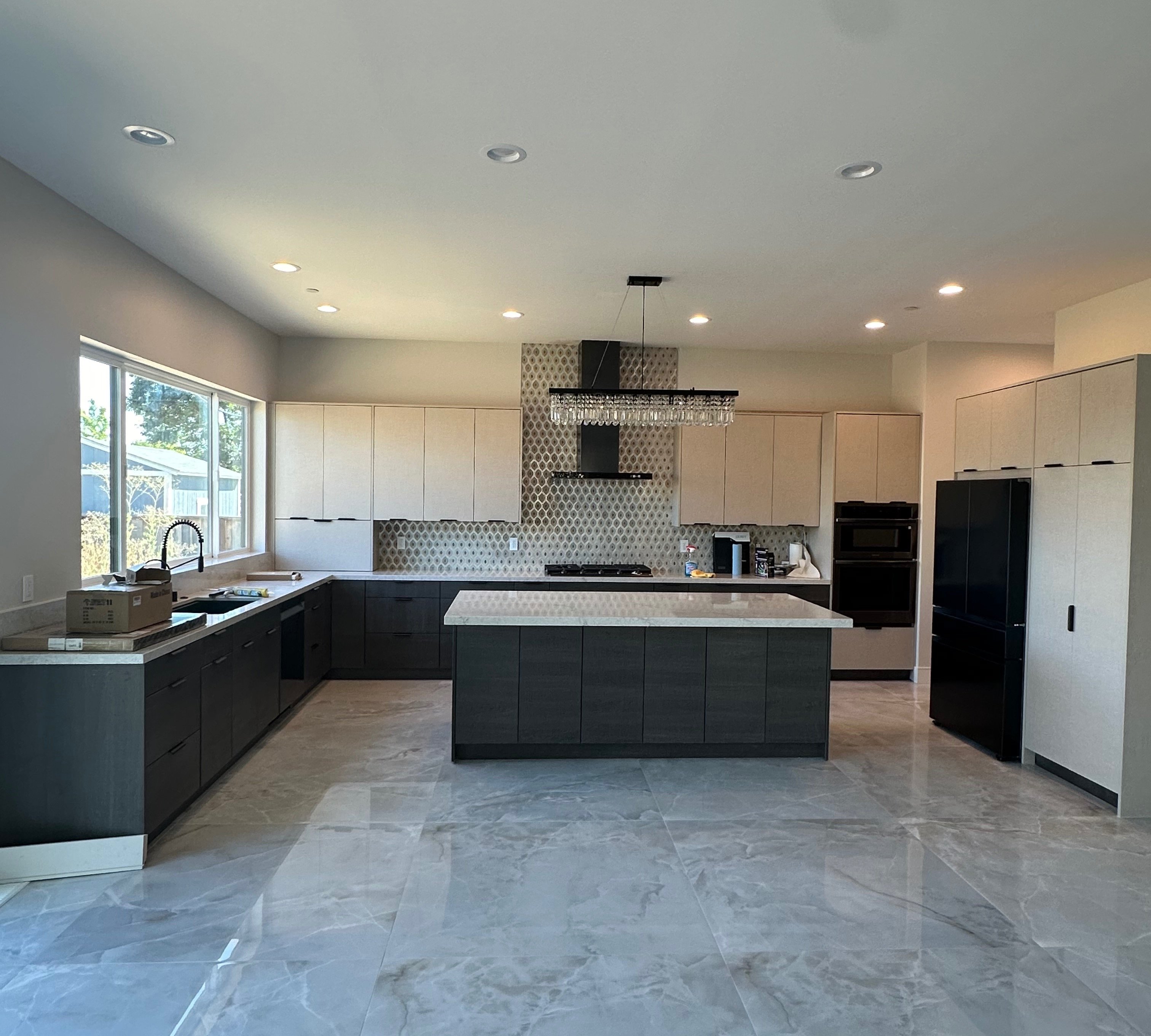
Pro crews use extension poles and scaffolding to safely paint high or vaulted ceilings without uneven streaks.
Credit: www.angi.com
Pro crews use extension poles and scaffolding to safely paint high or vaulted ceilings without uneven streaks.
Frequently Asked Questions
How much does it cost to paint kitchen walls only?
Painting only kitchen walls (no ceiling) costs 20-30% less than a full wall and ceiling project, as there’s less prep and labor involved. For a medium 150 sq ft kitchen, professional wall-only painting costs $300-$1,000, while DIY costs $150-$300.
Do I need to prime kitchen walls before painting?
Primer is only necessary if you’re painting over glossy old paint, switching from a dark to a light color, or repairing drywall damage. Primer adds $0.50-$1.00 per sq ft to your total cost but ensures better adhesion and reduces the number of topcoats needed. If your existing paint is matte/eggshell and in good condition, you can skip primer to save money.
Is it cheaper to paint kitchen walls and ceiling together?
Yes, painting both surfaces together reduces labor costs by 10-15%, as painters can prep and paint both in one visit, avoiding duplicate trip fees. It also ensures a more cohesive, uniform finish, as the same paint batch is used for both surfaces.
How long does kitchen painting usually take?
A professional crew takes 1-2 days to complete a standard kitchen wall and ceiling paint job, including prep and cleanup. A DIY project typically takes 2-3 weekends, depending on your experience and the size of your kitchen.
What’s the cost to remove a popcorn ceiling before painting?
Popcorn ceiling removal costs $1.00-$2.50 per sq ft, including removal, smoothing the surface, and repainting. For a medium 150 sq ft kitchen, that’s $150-$375 extra, but it can modernize your kitchen and increase home resale value.
Does paint color affect cost?
No, most paint stores mix custom colors for free, regardless of the hue. Darker colors may require an extra coat of paint to achieve full coverage, adding 10-20% to material costs, but the base price of the paint remains the same.
Final Tips for a Flawless, Budget-Friendly Kitchen Paint Job
A fresh coat of paint is one of the highest-ROI updates you can make to your kitchen, delivering strong returns on home resale value for most homeowners. To get the most value for your money:
- Always degrease kitchen walls thoroughly before painting to avoid peeling down the line.
- Choose a satin or semi-gloss finish for easy cleaning and long-term durability.
- Get at least 3 quotes from professional painters to compare pricing and inclusions.
- Test paint samples on your wall in different lighting conditions before buying full gallons to avoid color regret. Once you’ve settled on your budget, lock in your color scheme first: check out our guides to pairing wall paint with green cabinetry or coordinating hues with brown cabinet tones to avoid costly color mismatches mid-project. Whether you DIY or hire a pro, a fresh kitchen wall and ceiling paint job will brighten your space, cover dated finishes, and make your kitchen feel brand new for a fraction of the cost of a full remodel.