

Your commercial kitchen walls do more than just hold up the ceiling—they play a key role in your kitchen’s safety, cleanliness, and efficiency. Choosing the right materials and finishes for these walls can save you time, protect your staff, and keep your space up to health codes.
But what exactly should you put on those walls to get the best results? You’ll discover practical options that make your kitchen easier to clean, safer to work in, and built to last. Keep reading to find out how the right wall surfaces can transform your commercial kitchen for the better. Let’s explore what do you put on Commercial Kitchen Walls

Credit: www.reddit.com
Choosing Wall Materials
Choosing the right wall materials for a commercial kitchen is crucial. Walls must handle tough conditions and stay safe. They face constant cleaning, heat, and moisture. Picking materials that last helps avoid costly repairs and health issues.
Durability And Maintenance
Commercial kitchen walls need to be tough. They should resist scratches, dents, and stains. Easy cleaning is important. Walls must handle strong cleaning chemicals without damage. Durable surfaces reduce maintenance time and costs.
Moisture And Heat Resistance
Kitchens produce a lot of steam and heat. Walls must resist moisture to prevent mold and mildew. Heat resistance stops warping or discoloration. Materials like stainless steel and ceramic tiles work well. They keep walls looking good and safe.
Safety Standards Compliance
Kitchen walls must meet health and safety rules. Materials should be non-toxic and food safe. Fire resistance is essential to protect the kitchen. Compliance helps pass inspections and ensures a safe workspace. Always check local regulations before choosing materials.
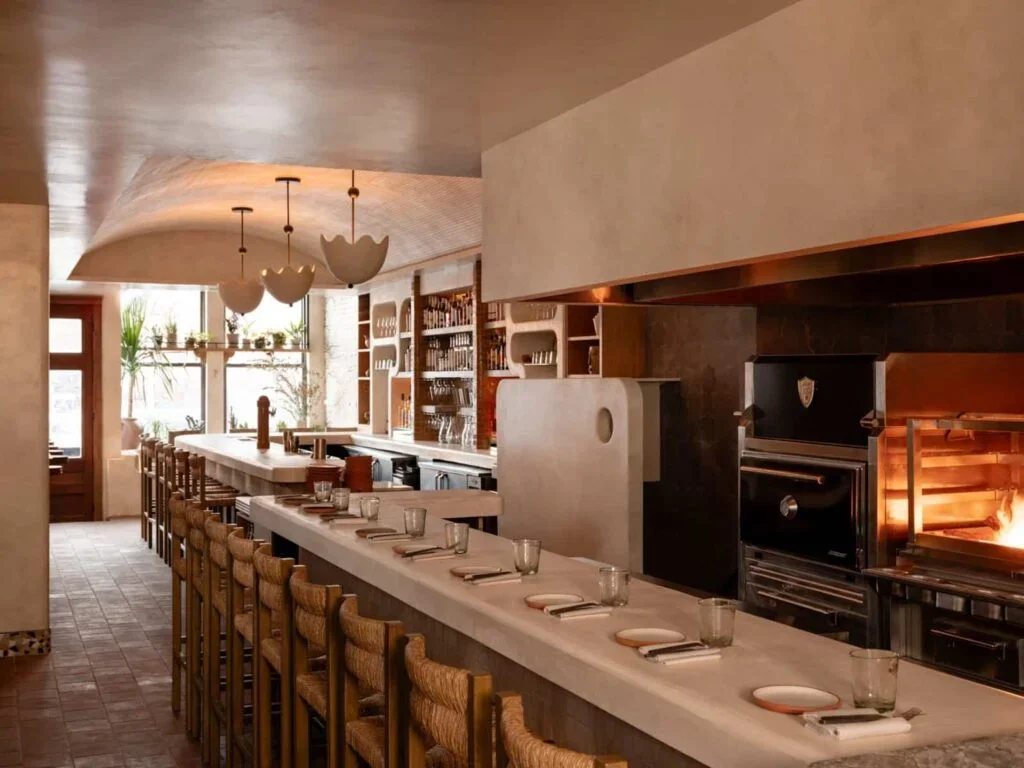
Credit: www.therestauranthq.com
Popular Wall Coverings
Choosing the right wall covering is essential for commercial kitchens. Walls face heat, moisture, and constant cleaning. Durable and easy-to-clean materials keep kitchens safe and hygienic. Popular wall coverings balance style and function. They protect surfaces and help meet health codes.
Ceramic Tiles
Ceramic tiles are a classic choice for kitchen walls. They resist heat, water, and stains well. Tiles come in many colors and sizes, allowing for creative designs. Their smooth surface makes cleaning fast and simple. Grouted tiles prevent mold and bacteria buildup. Ceramic tiles last long and keep kitchens looking neat.
Stainless Steel Panels
Stainless steel panels offer a modern, sleek look. They resist corrosion and withstand high temperatures. Steel walls are non-porous, stopping bacteria growth. Cleaning is easy with just soap and water. Panels reflect light, brightening the workspace. They provide strong protection against dents and scratches.
Epoxy Paints
Epoxy paints create a seamless, protective coating on walls. They resist chemicals, moisture, and stains effectively. Epoxy forms a hard, durable surface that lasts years. Applying epoxy is faster than installing tiles or panels. These paints come in various colors to match kitchen themes. Epoxy walls are smooth, making cleaning quick and easy.
Hygiene And Cleanability
Maintaining hygiene in commercial kitchens is vital for food safety. Walls must resist stains, mold, and bacteria. Clean walls prevent contamination and keep the kitchen safe. Choosing the right materials helps keep walls clean and hygienic. Easy-to-clean surfaces reduce the time needed for daily maintenance.
Non-porous Surfaces
Non-porous surfaces do not absorb liquids or dirt. This stops bacteria and mold from growing inside the walls. Common non-porous materials include stainless steel, ceramic tiles, and certain plastics. These surfaces are durable and resist stains. They allow quick cleaning using simple disinfectants. Non-porous walls keep kitchens safe and compliant with health rules.
Seamless Finishes
Seamless finishes mean no cracks or gaps on walls. These finishes stop dirt and germs from hiding in crevices. Materials like epoxy coatings and fiberglass panels create smooth, continuous surfaces. Seamless walls are strong and easy to wipe down. They reduce the risk of cross-contamination in busy kitchens. Smooth walls make cleaning faster and more effective.
Cleaning Best Practices
- Use food-safe cleaning agents to kill germs.
- Wipe walls daily to remove grease and spills.
- Rinse surfaces with clean water after cleaning.
- Sanitize walls regularly to ensure safety.
- Inspect walls for damage that can trap dirt.
- Repair cracks or chips immediately.
- Train staff on proper cleaning techniques.
Design And Aesthetics
Design and aesthetics play a key role in shaping the atmosphere of a commercial kitchen. Walls are not just functional surfaces; they also influence the mood and overall look. Thoughtful design helps create a welcoming space for staff and visitors. It balances cleanliness, durability, and visual appeal, making the kitchen both practical and inviting.
Color Choices
Colors set the tone for the kitchen environment. Bright colors like white or light gray create a clean and spacious feel. Warm colors such as soft yellows or oranges bring energy and warmth. Darker shades can add a modern, sleek look but may show dirt more easily. Choose colors that match the kitchen’s purpose and style.
Texture Options
Texture adds depth and interest to kitchen walls. Smooth tiles are easy to clean and reflect light well. Textured surfaces like brick or stone bring a rustic or industrial vibe. Stainless steel panels offer a sleek and hygienic finish. Combining different textures can create a balanced and dynamic space.
Branding Elements
Walls offer a chance to display brand identity. Logos, slogans, and signature colors reinforce the kitchen’s brand. Custom wall graphics or murals can highlight the kitchen’s story or values. Branding elements make the kitchen memorable and help build a strong visual identity.
Installation Tips
Installing materials on commercial kitchen walls demands careful planning and execution. A well-prepared surface ensures durability and hygiene, key factors in kitchen environments. Let’s dive into practical tips that help you get it right the first time.
Preparation And Surface Treatment
Start by cleaning the walls thoroughly. Remove grease, dust, and loose paint to create a smooth base.
Check for any cracks or holes and fill them with appropriate filler. Sand the surface gently once dry to ensure even adhesion.
Applying a primer suited for kitchen environments can enhance the material’s grip and extend its lifespan. Have you tested your primer’s compatibility with your wall covering?
Professional Vs Diy
Deciding between hiring a professional or doing it yourself depends on your skill level and project scale.
Professionals bring expertise and speed, reducing risks of poor installation that could lead to costly repairs.
If you choose DIY, invest time in learning correct techniques and use recommended tools. Remember, your kitchen walls must withstand high humidity and frequent cleaning.
Common Mistakes To Avoid
- Ignoring wall preparation can cause peeling and mold growth.
- Using the wrong adhesive weakens the bond and shortens the lifespan.
- Skipping waterproofing steps increases the risk of water damage.
- Not allowing materials to acclimate to kitchen conditions before installation leads to warping.
- Failing to follow manufacturer instructions often results in warranty voids.
Have you encountered any installation challenges that taught you valuable lessons? Sharing your experience might save someone else from common pitfalls.
Cost Considerations
Choosing the right materials for commercial kitchen walls affects the overall budget. Costs include more than just buying materials. Labor and long-term maintenance also impact the total expense. Understanding these factors helps make smart, cost-effective decisions.
Material Costs
Materials vary widely in price. Tiles and stainless steel panels are common choices. Tiles are affordable but may require grout maintenance. Stainless steel is pricier but very durable and easy to clean. Paint is the cheapest option but less durable in busy kitchens. Budgeting for quality materials reduces future repair costs.
Labor Expenses
Installing commercial kitchen walls needs skilled labor. Complex materials like stainless steel require experienced installers. Labor costs rise with installation difficulty and time. Simple paint or tiles may lower labor expenses. Always consider labor fees when choosing wall options.
Long-term Value
Investing in durable materials saves money over time. Strong walls resist moisture, stains, and damage. This reduces repair and replacement frequency. Easy-to-clean surfaces improve hygiene and reduce cleaning costs. Choosing quality walls protects your kitchen’s functionality and appearance for years.
Regulatory Requirements
Understanding regulatory requirements for commercial kitchen walls is essential to keep your kitchen safe, clean, and compliant. These rules are not just about ticking boxes—they protect your staff, customers, and business reputation. If you ignore them, you risk costly fines or even shutdowns.
Health Codes
Health codes demand that kitchen walls be made of materials that are easy to clean and resistant to moisture and bacteria. Surfaces like stainless steel or glazed tile are common because they don’t absorb grease or spills.
Have you ever struggled to scrub a stained wall? Using the wrong materials can make cleaning a nightmare and create breeding grounds for germs. Choosing the right wall finish helps you maintain hygiene effortlessly and pass health inspections smoothly.
Fire Safety Regulations
Fire safety laws often require walls to have fire-resistant properties, especially near cooking appliances. Materials must be non-combustible or treated to slow fire spread.
Think about how quickly a fire can spread in a busy kitchen. Using fire-rated wall coverings can save lives and reduce damage. Check local codes to find out exactly what fire resistance standards your walls need to meet.
Inspection Guidelines
Inspectors look for damage, cleanliness, and compliance with material standards on kitchen walls. Cracks or peeling paint can harbor bacteria and lead to violations.
During inspections, small issues like chipped tiles or dirty corners can turn into big problems. Regularly inspect your walls yourself to catch issues early and keep your kitchen inspection-ready at all times.

Credit: www.homesandgardens.com
Frequently Asked Questions
What Materials Are Best For Commercial Kitchen Walls?
Commercial kitchen walls need durable, moisture-resistant materials. Common choices include stainless steel, ceramic tiles, and fiberglass reinforced panels. These materials resist heat, grease, and bacteria, ensuring hygiene and easy cleaning. They also comply with health and safety regulations for food preparation areas.
How To Maintain Cleanliness On Commercial Kitchen Walls?
Regular cleaning is essential using mild detergents and warm water. Avoid abrasive cleaners to prevent surface damage. Wipe walls daily to remove grease and food splatters. Periodic deep cleaning ensures bacteria and mold do not build up, maintaining a safe kitchen environment.
Why Use Stainless Steel On Commercial Kitchen Walls?
Stainless steel is highly durable, heat-resistant, and non-porous. It resists stains, bacteria, and corrosion, making it ideal for hygienic kitchen environments. Its smooth surface is easy to clean and maintain, helping meet health codes and promoting a professional kitchen appearance.
Can Commercial Kitchen Walls Be Painted?
Yes, but only with high-quality, washable, and grease-resistant paint. Specialized kitchen wall paints withstand humidity, heat, and frequent cleaning. Proper surface preparation ensures better paint adhesion and durability. Painted walls require regular upkeep to maintain hygiene standards in busy kitchens.
Conclusion
Choosing the right materials for commercial kitchen walls matters. It ensures safety and hygiene. Stainless steel and tiles are popular choices. They resist heat and stains. Easy to clean too. Consider budget and durability when selecting materials. Colors and finishes can enhance the kitchen’s look.
Regular maintenance keeps walls in top condition. Proper wall coverings create a safe, efficient kitchen. Make thoughtful choices for long-lasting results. Your kitchen’s walls can transform the space. So, invest wisely.

Ethan Cole is a kitchen innovation enthusiast and food technology writer at DiningGadgets.com. With over 8 years of experience reviewing cookware, smart kitchen tools, and design trends, he helps readers discover gadgets that make cooking easier and dining more enjoyable. When he’s not testing the latest kitchen appliances, Ethan enjoys experimenting with recipes and sharing practical tips for modern homes.