

Are you planning to update your kitchen and wondering about the perfect depth for your wall units? Choosing the right size is more important than you might think.
What Depth are Kitchen Wall Units. The depth of your kitchen wall units affects not only the look of your space but also how much you can store and how easy it is to reach your items. You’ll discover the ideal depth options and practical tips to help you make the best decision for your kitchen.
Keep reading to find out how to create a kitchen that’s both stylish and functional just for you.
Standard Depths For Wall Units
Understanding the standard depths for kitchen wall units helps you make informed decisions about storage and space planning. Wall unit depth affects not only the look of your kitchen but also how much you can fit inside these cabinets. Knowing the typical sizes can guide you when choosing or customizing units for your kitchen layout.
Common Sizes
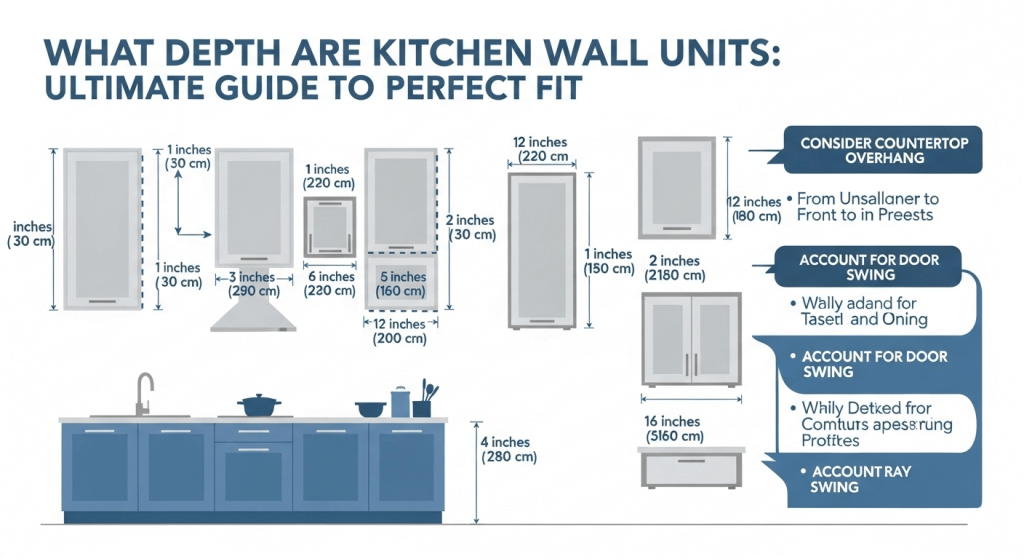
Most kitchen wall units have a standard depth of around 12 inches (30 cm). This size is popular because it keeps the cabinets shallow enough to avoid crowding the workspace below, while still offering enough storage for everyday items like plates and glasses.
Some units can be as shallow as 10 inches (25 cm), which works well in narrow kitchens where space is tight. On the other hand, deeper units of 15 inches (38 cm) or more are sometimes used to store bulkier items, but they can stick out further and may require careful planning.
- 12 inches (30 cm)– Most common and balanced depth
- 10 inches (25 cm)– Ideal for tight spaces or minimalist kitchens
- 15 inches (38 cm) and above– For extra storage, but can reduce workspace
Variations By Manufacturer
Not all kitchen wall units follow the same depth standards. Different manufacturers often offer variations based on design trends and regional preferences.
For example, European brands tend to produce shallower wall units, sometimes around 10 inches, to maximize open space and create a streamlined look. American manufacturers may favor slightly deeper units, often 12 to 15 inches, to provide more storage room.
When selecting units, check the product specifications carefully. You might find that a unit labeled as “standard” in one brand can differ significantly in depth from another. This subtle difference can impact how your kitchen feels and functions.

Standard Depth for Kitchen Wall Units
Factors Influencing Wall Unit Depth
Several factors determine the depth of kitchen wall units. Each factor affects how the units fit and function in your kitchen space. Understanding these helps in choosing the right size for your needs.
Kitchen Layout
The kitchen layout influences wall unit depth significantly. Small kitchens benefit from shallower units to keep the space open. Larger kitchens can accommodate deeper units for more storage. The position of windows and doors also impacts unit placement and size.
Appliance Integration
Appliances affect wall unit depth choices. For example, built-in microwaves or ovens require specific depths for installation. Wall units must align with appliance sizes for a seamless look. This ensures easy access and proper ventilation.
Storage Needs
Storage needs play a key role in deciding unit depth. Deeper units provide more space for larger items like pots and pans. Shallower units work well for storing plates, cups, and small containers. Consider what you store most to pick the best depth.
Measuring For A Perfect Fit
Getting the depth of your kitchen wall units right is key to making the most of your space and ensuring a smooth installation. Measuring carefully avoids awkward gaps or units that stick out too far, which can disrupt your kitchen’s flow. Let’s focus on how you can measure like a pro to achieve that perfect fit.
Tools Required
Having the right tools makes measuring simple and accurate. You’ll need:
- Tape measure:A sturdy, retractable tape is essential.
- Spirit level:To check for straight lines and even surfaces.
- Pencil and paper:To jot down your measurements clearly.
- Step ladder:For reaching higher areas safely.
Using these tools helps you avoid guesswork and errors that can cost time and money later.
Step-by-step Measurement
Start by measuring the wall space where you want your units. Measure from the wall surface outwards to the desired depth, noting any obstacles like pipes or switches.
Next, check the height from the countertop or floor to the ceiling or underside of existing cabinets. This ensures your units won’t be too tall or too short.
Don’t forget to measure the width of the wall precisely. Multiple measurements at different heights can reveal uneven walls that might affect fitting.
Double-check every measurement. Have you considered how deep your appliances or backsplash are? Small details like these can change the unit depth you need.
Are you aiming for a flush look or a slight overhang? Your choice will impact the exact depth measurement.
Kitchen Wall Cabinet Depth Guide
Custom Vs. Pre-made Units
Choosing between custom and pre-made kitchen wall units often comes down to the depth of the cabinets and how they fit your space. Depth affects not only storage capacity but also the overall look and feel of your kitchen. Understanding the differences between these two options helps you make a decision that suits your needs and style.
Advantages Of Custom Depths
Custom depth units allow you to tailor the size perfectly to your kitchen’s dimensions. You can maximize storage by adjusting the depth to fit awkward or unique spaces.
Imagine having a narrow kitchen where standard units feel bulky. Custom units can be made shallower, freeing up more room to move around comfortably.
Custom depths also let you align your wall units precisely with your base cabinets or appliances, creating a seamless look. This level of personalization often leads to better organization and a kitchen that truly fits your lifestyle.
When To Choose Pre-made
Pre-made units come in standard depths, usually around 12 inches, which work well in most kitchens. They are budget-friendly and readily available, making them a practical choice if you want to install quickly.
If your kitchen has typical wall spacing and you don’t need specialized storage, pre-made units can be a smart option. They come in many styles and finishes, so you can still find designs that complement your space.
However, if you value ease and cost-efficiency over perfect fit, pre-made units save time and avoid the complexity of custom measurements. Are you okay with sacrificing a bit of storage or perfect alignment for convenience?
Installation Tips
Installing kitchen wall units requires careful attention to ensure safety and aesthetics. Proper installation helps units stay secure and look balanced. Follow these tips to achieve the best results.
Wall Support Considerations
Check the wall type before installation. Solid walls like brick or concrete hold units better. Drywall needs extra support, such as wooden studs or wall anchors.
Use a stud finder to locate studs. Attach units directly to studs for strength. Avoid relying solely on drywall screws.
Heavy units need strong fixings. Use wall plugs suitable for the wall material. This prevents units from sagging or falling.
Aligning With Base Units
Wall units should line up with base units for a neat look. Measure the height and depth of base units first. Match wall units to these dimensions.
Keep consistent gaps between units for better symmetry. Use a spirit level to ensure straight alignment. This avoids uneven shelves and doors.
Plan the layout carefully. Consider appliance heights and worktop space. Proper alignment improves kitchen flow and usability.
Trends In Wall Unit Depth
Wall unit depth shapes kitchen style and function. Trends shift to meet space needs and design tastes. Modern kitchens balance slim profiles with ample storage space.
Slimline Designs
Slimline wall units offer a neat, modern look. They usually measure around 12 inches deep. These units keep kitchens feeling open and less crowded. Perfect for small kitchens or narrow walls. Slimline designs focus on essentials without bulk. They help create clean lines and simple aesthetics.
Deep Storage Solutions
Deep wall units provide extra room for bigger items. Depth often reaches 15 to 18 inches or more. Ideal for storing pots, pans, and large containers. These units maximize storage in busy kitchens. Deep storage helps keep countertops clear and organized. Great for homeowners who cook often and need space.
Frequently Asked Questions
What Is The Standard Depth Of Kitchen Wall Units?
The standard depth of kitchen wall units is typically 12 inches (30 cm). This size balances storage space with kitchen ergonomics and keeps the kitchen feeling open and spacious.
How Does Wall Unit Depth Affect Kitchen Design?
Wall unit depth impacts storage capacity and visual balance. Shallower units save space but hold less, while deeper units offer more storage but can crowd the kitchen.
Can Kitchen Wall Units Be Customized In Depth?
Yes, kitchen wall units can be custom-made in various depths. Custom depths help fit unique kitchen layouts and meet specific storage needs effectively.
Why Are Kitchen Wall Units Usually Shallower Than Base Units?
Wall units are shallower, around 12 inches, to allow easy access and prevent obstruction. Base units are deeper, about 24 inches, for larger storage and countertop space.
Conclusion
Choosing the right depth for kitchen wall units enhances functionality. It ensures efficient use of space. A depth of 12 to 15 inches is common. This size fits most kitchen items. It also makes reaching items easy. Consider your kitchen needs first.
Think about the items you store. A custom depth might work best for unique needs. Proper planning leads to a tidy kitchen. Enjoy a well-organized space. A perfect blend of style and utility.
