

Do you ever glance at your How to Clean Dirty Kitchen Walls and cringe at the sight of stubborn grease, splatters, and stains? You’re not alone.
Over time, these unsightly marks can turn your once pristine kitchen into a grimy reminder of meals gone by. But here’s the good news: giving your kitchen walls a fresh, clean look isn’t as daunting as you might think. Imagine walking into your kitchen and feeling a sense of pride rather than embarrassment.
With a few simple steps, you can transform your walls from dirty to dazzling. Keep reading to discover the secrets to effortlessly cleaning those grimy kitchen walls and reclaim your space with ease.
Credit: www.maid2match.com.au
Common Causes Of Dirty Kitchen Walls
Dirty kitchen walls can be frustrating, especially when you’ve just cleaned the space. Understanding what causes the grime is the first step to keeping your walls spotless. Dirt doesn’t just appear out of nowhere—it usually comes from everyday kitchen activities that you might not even notice.
Grease And Food Splatter
Cooking releases tiny droplets of grease and food particles that often land on your walls. Frying bacon or sautéing vegetables can send splatters flying farther than you expect. Over time, these droplets harden into sticky patches that attract dust and dirt, making your walls look grimy.
Have you ever wiped a greasy spot only to find it coming back? That’s because grease can soak into paint or wallpaper, making it tough to remove without the right cleaning method.
Smoke And Steam Residue
Steam from boiling pots and smoke from grilling or frying also contribute to dirty walls. This moisture carries tiny particles that settle on surfaces and leave behind a dull, grimy film. If your kitchen isn’t well-ventilated, this residue builds up faster.
Think about how often you use the exhaust fan or open a window while cooking. Could better ventilation help reduce this invisible layer of grime?
Dust And Dirt Build-up
Even if you don’t cook often, dust and dirt can settle on your kitchen walls. Kitchens often have open windows or doors, inviting dust from outside. Plus, regular movement and airflow stir up particles that land on walls, especially in corners and near the floor.
Have you noticed dust collecting more in certain spots? These areas need extra attention during cleaning to keep your kitchen fresh and healthy.

Credit: www.youtube.com
Essential Cleaning Supplies
Cleaning dirty kitchen walls needs the right supplies for good results. Using proper tools saves time and effort. It also protects your walls from damage. Prepare before you start to make the job easier and safer. Below are key supplies to gather before you begin.
Mild Detergents And Solutions
Choose gentle detergents that do not harm paint or wallpaper. Dish soap mixed with warm water works well. Baking soda can remove stains without harsh chemicals. Avoid bleach or strong acids unless walls are very dirty. Test any cleaner on a small spot first.
Scrub Brushes And Sponges
Select soft scrub brushes or non-abrasive sponges to avoid scratches. Microfiber cloths hold dirt and absorb water effectively. Use a brush with firm but gentle bristles for tough spots. Replace dirty sponges often to keep cleaning hygienic.
Protective Gear And Tools
- Rubber gloves to protect your hands from chemicals and dirt.
- Safety goggles if using stronger cleaning solutions.
- Step stool or ladder to reach high areas safely.
- Bucket for mixing and holding cleaning solutions.
Having these supplies ready helps you clean kitchen walls efficiently and safely.
Step-by-step Cleaning Process
Cleaning dirty kitchen walls can restore your kitchen’s fresh look. Follow a simple process to clean effectively without damage. This step-by-step guide helps you remove grease, stains, and dirt safely.
Preparing The Area
Clear the space near your walls. Move furniture and cover floors with a plastic sheet or old towels. Wear gloves to protect your hands from cleaning chemicals. Open windows for fresh air and ventilation.
Testing Cleaning Solutions
Choose a mild cleaning solution like diluted dish soap or vinegar mixed with water. Test your solution on a small, hidden wall spot. Wait five minutes to check for color or paint damage. If no damage appears, it is safe to use on the whole wall.
Washing The Walls
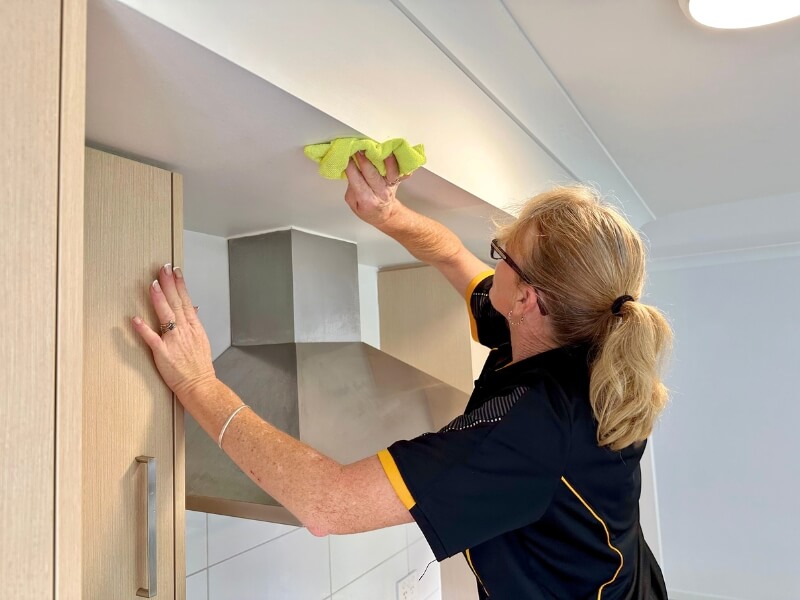
Dip a soft sponge or cloth into the cleaning solution. Wring out excess liquid to avoid dripping. Gently scrub the wall in small circular motions. Focus on greasy or stained areas but avoid harsh scrubbing to protect paint.
Rinsing And Drying
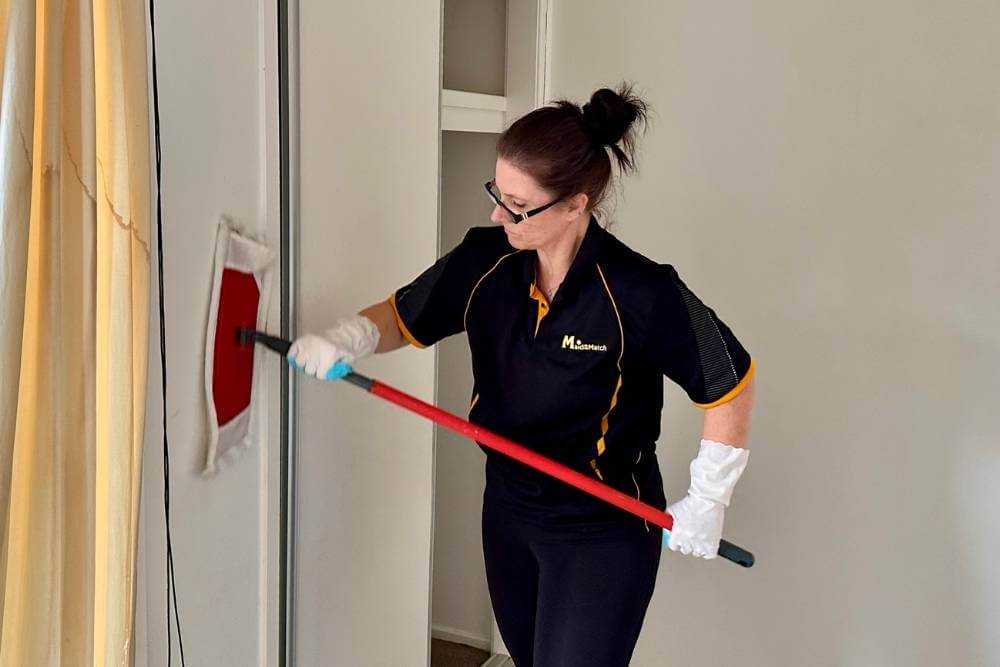
Use a clean cloth dipped in plain water to wipe off soap residue. Change water often to keep it clean. Dry the walls with a soft towel or microfiber cloth. Let the walls air dry completely before moving furniture back.
Credit: www.maid2match.com.au
Natural Cleaning Alternatives
Natural cleaning alternatives provide a safe and eco-friendly way to clean kitchen walls. These options avoid harsh chemicals and reduce indoor pollution. They are gentle on surfaces but strong enough to remove grease and dirt. Using natural ingredients also saves money and uses items commonly found at home.
Vinegar And Water Mix
Vinegar is a natural disinfectant and deodorizer. Mix equal parts of white vinegar and water in a spray bottle. Spray the solution on dirty spots and let it sit for a few minutes. Wipe with a soft cloth or sponge in circular motions. This mix helps break down grease and grime effectively.
Baking Soda Paste
Baking soda is mildly abrasive and great for scrubbing. Make a paste by mixing baking soda with a small amount of water. Apply the paste to stubborn stains or greasy areas on the wall. Use a damp cloth or sponge to scrub gently. Rinse with clean water to remove residue and dry with a towel.
Lemon Juice Benefits
Lemon juice has natural bleaching and antibacterial properties. Squeeze fresh lemon juice and apply it directly on dirty spots. Let it sit for about 5 minutes to lift stains and grease. Wipe the area with a damp cloth and dry thoroughly. Lemon also leaves a fresh, clean scent in your kitchen.
Preventing Future Stains
Preventing future stains on kitchen walls is key to keeping your space fresh and clean. Small habits help avoid stubborn marks and dirt buildup. Consistent care saves time and effort later.
Regular Maintenance Tips
Wipe walls gently each week to stop dirt from settling. Use a soft cloth and mild cleaner for quick touch-ups. Clean spills immediately to prevent stains from setting. Check for grease and food splashes around cooking areas.
Using Wall Protectors
Install splash guards near the stove and sink. Use washable wall panels or tiles in high-risk spots. Consider clear adhesive sheets for easy cleaning. These protectors block stains and keep walls intact.
Ventilation And Humidity Control
Keep the kitchen well-ventilated to reduce moisture buildup. Use exhaust fans or open windows during cooking. Lower humidity stops mold and mildew growth on walls. Dry walls quickly after cleaning or spills.
Dealing With Stubborn Stains
Stubborn stains on kitchen walls can be frustrating, especially when everyday cleaning doesn’t seem to make a dent. These marks often come from grease splatters, mold growth, or years of built-up grime. Tackling them requires specific techniques and a bit of patience, but the right approach can bring your walls back to life.
Grease Removal Techniques
Grease stains are one of the toughest to remove because oil clings stubbornly to surfaces. Use warm water mixed with a few drops of dish soap, which breaks down the grease effectively. Apply the solution with a soft sponge, scrubbing gently in circular motions.
If the grease persists, try a mixture of baking soda and water to form a paste. Apply it to the stain and let it sit for 10-15 minutes before wiping it off. Vinegar diluted with water can also help cut through grease without damaging your paint.
Mold And Mildew Treatment
Mold and mildew thrive in kitchen areas with poor ventilation and moisture. To treat these, mix equal parts of water and white vinegar in a spray bottle. Spray the affected area, let it sit for an hour, and then wipe clean with a damp cloth.
For tougher spots, a solution of water and a small amount of bleach can be used, but test it on a hidden area first. Always wear gloves and ensure good airflow when handling bleach. Prevent mold from returning by keeping your kitchen dry and well-ventilated.
When To Repaint
Sometimes stains are too deep or have damaged the paint layer beyond cleaning. If your walls look patchy or the stains won’t budge, repainting might be the best solution. Choose a washable or semi-gloss paint that resists stains and is easier to clean in the future.
Before repainting, clean the walls thoroughly and repair any damage like peeling or cracking paint. This prep work ensures your new coat lasts longer and looks smooth. Are your walls still looking tired after cleaning? It might be time to give them a fresh start with paint.
Frequently Asked Questions
How Do I Remove Grease From Kitchen Walls?
Use a mixture of warm water, dish soap, and vinegar. Apply with a sponge, scrub gently, then rinse. This solution cuts grease effectively without damaging paint.
What Household Items Clean Kitchen Walls Safely?
Vinegar, baking soda, and mild dish soap are safe. They remove dirt and stains without harsh chemicals. Always test on a small area first.
Can I Use Bleach To Clean Kitchen Walls?
Bleach can clean mold but may damage paint. Use diluted bleach carefully, and ventilate the area. Prefer gentler cleaners for regular dirt removal.
How Often Should Kitchen Walls Be Cleaned?
Clean kitchen walls monthly to prevent grime buildup. Wipe spills immediately to avoid stains. Regular cleaning keeps walls fresh and hygienic.
Conclusion
Cleaning kitchen walls does not have to be hard or time-consuming. Use gentle cleaners and soft cloths to avoid damage. Regular cleaning keeps walls fresh and free from grease. Tackle stains as soon as you see them. A clean kitchen feels more inviting and healthy.
Keep these tips in mind for easy wall care. Your kitchen will look brighter and smell fresher. Simple steps make a big difference over time. Try these methods and enjoy a cleaner home today.
