

Are you ready to transform your kitchen with custom wall cabinets that fit your space and style perfectly? Building your own kitchen wall cabinets might sound challenging, but with the right steps, you can create sturdy, beautiful storage that makes your kitchen more organized and inviting.
How to Build Kitchen Wall Cabinets. Imagine having cabinets designed exactly how you want, saving money, and gaining a sense of pride in your handiwork. Keep reading, and you’ll discover simple, clear instructions that guide you from start to finish—no confusion, no frustration. Let’s get started on making your dream kitchen a reality!
Choosing Materials
Choosing the right materials for your kitchen wall cabinets sets the foundation for durability and style. Your choices impact not only how the cabinets look but also how long they last under daily wear and tear. Think about the balance between strength, appearance, and maintenance as you plan your build.
Selecting Wood Types
Wood is the heart of any cabinet. Solid hardwoods like oak, maple, and cherry offer strength and a classic look. They handle daily use well but can be pricier.
Engineered woods such as plywood and MDF are popular for their stability and cost-effectiveness. Plywood resists warping better than MDF, making it great for cabinet boxes. MDF provides a smooth surface that’s perfect for painting but can sag if overloaded.
Have you considered how moisture levels in your kitchen might affect your wood choice? Cabinets near sinks or stoves need materials that withstand humidity and temperature changes.
Hardware Options
Hardware isn’t just functional; it defines the cabinet’s character. Choose hinges, handles, and drawer slides that match your kitchen’s style and usage.
- Hinges:Soft-close hinges prevent slamming and add a modern touch.
- Handles and Knobs:Options range from sleek stainless steel to vintage brass, influencing the overall vibe.
- Drawer Slides:Full-extension slides allow easy access to contents and improve usability.
Think about how often you’ll use each cabinet. Heavy-use doors need sturdy hardware to avoid quick wear. What kind of feel do you want when you open your cabinets?
Finishes And Paints
Finishing protects your cabinets and enhances their beauty. Clear finishes highlight natural wood grain, while paints let you customize colors to fit your kitchen’s palette.
Water-based finishes dry quickly and emit less odor, making them a practical choice for home projects. Oil-based finishes offer a tough, glossy coat but take longer to cure.
When painting, prep is key. Sand surfaces smoothly and apply primer to ensure even coverage and durability. How bold do you want your cabinets to look? A bright color can energize the space, while neutral tones create a calming effect.
Measuring And Planning
Measuring and planning are the foundation of building kitchen wall cabinets that fit perfectly and function well. Skipping this stage or rushing through it can lead to wasted materials and frustrating adjustments later on. Taking your time here ensures your cabinets will align with your kitchen’s unique space and your daily needs.
Taking Accurate Measurements
Start by measuring the height from the floor to the ceiling and the length of each wall where the cabinets will hang. Use a reliable tape measure and write down every number clearly. Double-check your measurements to avoid costly mistakes.
Don’t forget to measure any obstacles like windows, doors, or outlets that could affect cabinet placement. Are your walls perfectly straight? If not, note any bumps or uneven areas because they’ll impact how cabinets sit against the wall.
Designing Cabinet Layout
Sketch your kitchen wall on paper or use design software to plan where each cabinet will go. Think about the size of each cabinet and how they will connect. Group similar items you plan to store together to decide where larger or smaller cabinets make sense.
Ask yourself what you reach for most often. Should the cabinet near the stove hold spices or pots? Planning this now saves you from rearranging everything after installation.
Considering Space And Functionality
Think about how much space you need for everyday tasks like cooking and cleaning. Leave enough room between the countertop and the bottom of the wall cabinets to avoid feeling cramped. The standard height is usually around 18 inches, but adjust it if you’re taller or shorter.
Also, consider the cabinet depth and door styles. Deeper cabinets hold more but can make your kitchen feel smaller. Sliding doors or glass fronts might add convenience or style. How will you balance storage capacity with ease of use?
Cutting The Pieces
Cutting the pieces accurately is a crucial part of building kitchen wall cabinets. It sets the foundation for a sturdy and professional-looking final product. If your cuts are off even by a small margin, it can cause problems during assembly and affect the cabinet’s appearance and function.
Tools Needed For Cutting
Having the right tools makes cutting easier and more precise. You will need:
- Table saw– Ideal for straight, long cuts on large panels.
- Miter saw– Perfect for cutting precise angles on smaller pieces like face frames.
- Measuring tape– To get exact measurements before cutting.
- Speed square– Helps ensure your lines are straight and square.
- Clamps– Keep your wood steady while cutting.
- Safety gear– Always wear goggles and ear protection to stay safe.
Using these tools will help you make clean, accurate cuts every time.
Cutting Side Panels And Shelves
Start with the side panels because they determine the cabinet’s depth and height. Measure twice before cutting to avoid mistakes. Use the table saw for these large cuts to get smooth, straight edges.
For shelves, thickness and size are key. Cut them to fit snugly inside the cabinet without gaps. If you want adjustable shelves, remember to drill holes for shelf pins before finishing the edges.
Have you noticed how a tiny error in the first cut can throw off the whole cabinet? Taking your time here saves frustration later.
Preparing Door And Face Frames
The doors and face frames give your cabinets their finished look. Use a miter saw to cut the frame pieces at 45-degree angles for neat joints. This technique creates strong, clean corners that hold up well over time.
Doors often require additional shaping or trimming, so cut them slightly larger than the final size. Sand edges smooth to ensure they open and close without catching. Remember, precise cuts here make installation easier and improve the cabinet’s overall appearance.
Have you ever struggled with cabinet doors that don’t align properly? Proper cutting is the best way to avoid that problem.
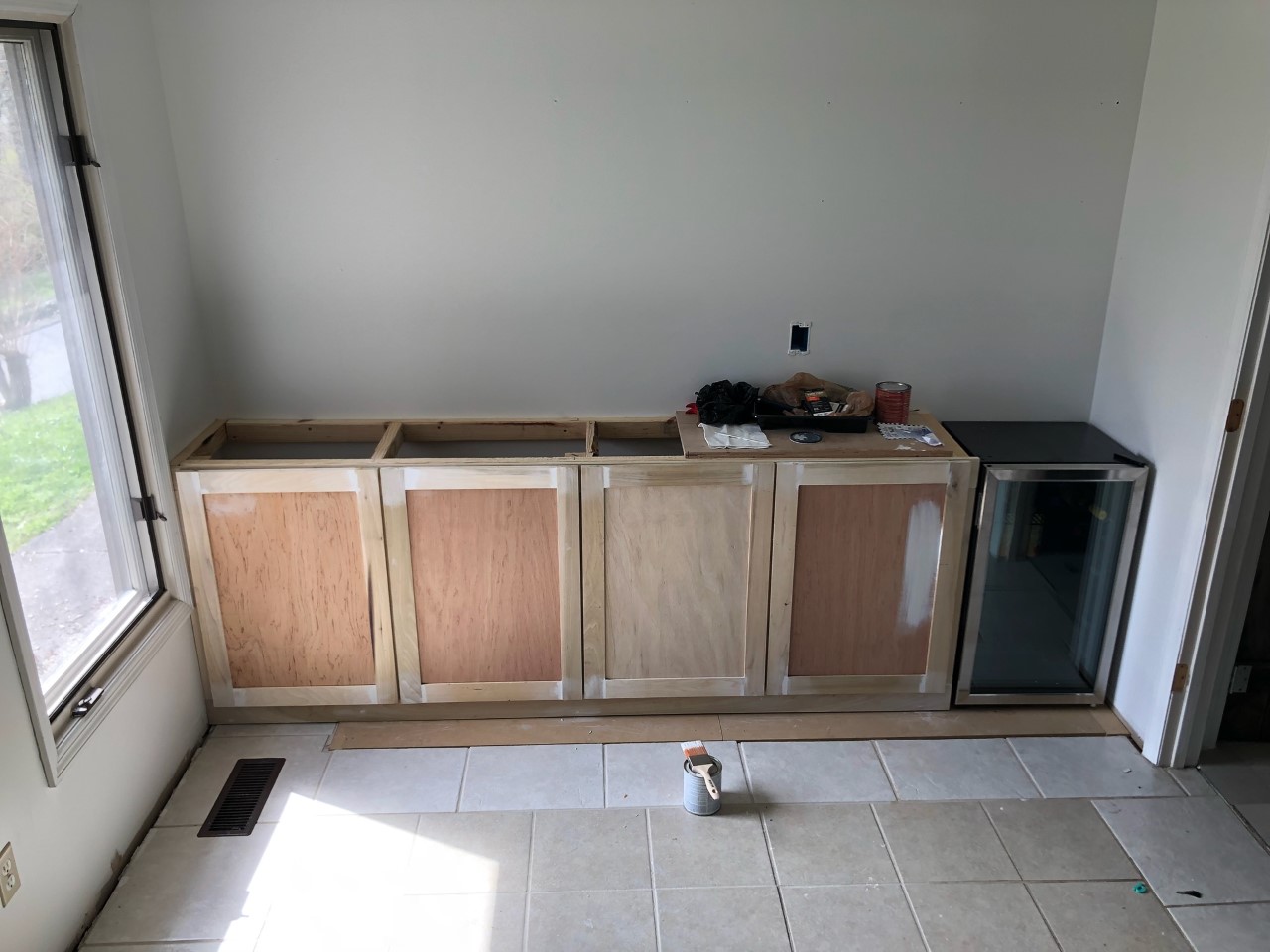
Carpenter building kitchen wall cabinet step by step
Assembling The Cabinet
Assembling the cabinet is a crucial stage in building kitchen wall cabinets. It shapes the storage space and ensures the unit stays strong over time. Careful assembly leads to a cabinet that fits well and lasts long. Focus on making tight joints and aligning parts correctly.
Joining Panels
Start by arranging the side, bottom, and top panels. Use wood glue along the edges for a firm bond. Clamp the panels to hold them steady while the glue dries. Drive screws or nails through the sides into the top and bottom panels. Check that all corners are square with a carpenter’s square.
Installing Shelves
Decide the shelf positions inside the cabinet. Mark the spots evenly on both side panels. Attach shelf support clips or drill holes for adjustable shelf pins. Place each shelf on the supports or pins. Confirm the shelves are level and stable before moving on.
Securing Face Frames
The face frame adds strength and a finished look. Align the frame pieces against the cabinet front. Use clamps to keep the frame flush with the cabinet edges. Fasten the frame with screws or nails through the frame into the cabinet sides. Sand any rough edges for a smooth finish.
Adding Doors And Hardware
Adding doors and hardware transforms basic kitchen wall cabinets into functional storage spaces. This step enhances the cabinet’s look and usability. Properly installed doors and hardware provide easy access and smooth operation. The process requires attention to detail and simple tools. Follow these guidelines for a neat, professional finish.
Hanging Cabinet Doors
Start by attaching hinges to the cabinet doors. Align hinges carefully along the door edge. Use screws to secure them tightly but avoid over-tightening. Next, hold the door in place against the cabinet frame. Mark hinge positions on the cabinet side. Drill pilot holes for the screws to prevent wood splitting. Screw the hinges into the cabinet frame. Check that the door hangs straight and opens smoothly.
Installing Handles And Knobs
Choose handles or knobs that match your kitchen style. Measure and mark the spots for hardware placement. Use a ruler or template for accuracy. Drill holes carefully at the marked points. Insert screws from inside the cabinet door. Attach handles or knobs securely. Tighten screws without damaging the hardware or door surface. Test the hardware for firm hold and comfortable use.
Adjusting Hinges
Adjust hinges to align doors perfectly. Most hinges have screws for fine-tuning door position. Move the door left or right to close gaps. Adjust the height for even spacing between doors. Check the door’s flushness with the cabinet frame. Open and close doors to ensure smooth movement. Tighten all screws after adjustments to keep doors stable.
Mounting Cabinets On The Wall
Mounting kitchen wall cabinets securely is key to both safety and aesthetics. Proper installation ensures your cabinets support the weight of dishes and pantry items without sagging or falling. Let’s focus on the critical steps you need to take to mount your cabinets firmly on the wall.
Locating Wall Studs
Start by finding the wall studs, as they provide the strongest support for your cabinets. Use a stud finder to scan the wall and mark the stud edges with a pencil. Double-check by tapping the wall; a solid sound usually indicates a stud behind the drywall.
If you miss a stud, your cabinet might hang on drywall alone, which won’t hold much weight. Have you ever tried to hang something heavy on drywall and seen it come crashing down? Avoid that frustration here by locating every stud along your cabinet’s length.
Using Proper Fasteners
Select fasteners designed for cabinet mounting. Heavy-duty wood screws, at least 2.5 to 3 inches long, work best for attaching cabinets to studs. Avoid nails or short screws that can loosen over time.
When fastening, drive screws through the cabinet’s back panel and into the stud. Pre-drill holes to prevent wood splitting. If you encounter metal studs, switch to toggle bolts or specialized anchors to keep your cabinets secure.
Ensuring Level Installation
Check your cabinet’s level frequently during installation. Use a carpenter’s level placed on the cabinet top and sides to ensure it sits perfectly horizontal and vertical. If cabinets aren’t level, doors may not close properly and the structure could weaken over time.
Don’t hesitate to shim the cabinet base or sides with thin wood pieces to correct any uneven spots in the wall. Would you rather have a small adjustment now or deal with crooked cabinets later? This step saves you from headaches down the line.
Finishing Touches
Finishing touches give kitchen wall cabinets a polished, professional look. They protect the wood and improve durability. A smooth and clean finish also enhances the cabinet’s appearance. Proper finishing can extend the life of your cabinets and keep them looking fresh for years.
Sanding And Painting
Sanding smooths out rough edges and removes imperfections. Use fine-grit sandpaper for a gentle finish. Wipe off dust with a dry cloth before painting. Choose paint that suits kitchen environments, such as moisture-resistant or oil-based paint. Apply thin, even coats for best results. Let each coat dry completely before adding the next.
Sealing Surfaces
Sealing protects cabinets from moisture and stains. Use a clear sealant or varnish suitable for kitchen use. Apply with a brush or spray, covering all surfaces evenly. Allow the sealant to dry fully to create a strong barrier. Sealing helps maintain the wood’s natural beauty and prevents damage.
Cleaning And Maintenance Tips
- Clean cabinets regularly with a soft, damp cloth.
- Avoid harsh chemicals that can damage the finish.
- Use mild soap and water for tougher stains.
- Dry surfaces immediately after cleaning to prevent moisture damage.
- Check for chips or scratches and touch up as needed.

Wooden panels ready for kitchen wall cabinet assembly

DIY kitchen wall cabinet frame construction
Frequently Asked Questions
What Tools Are Needed To Build Kitchen Wall Cabinets?
You need a drill, screwdriver, level, measuring tape, saw, clamps, and wood glue. These basic tools help ensure precise cuts and secure assembly. Using the right tools makes the building process faster and more accurate.
How Do I Measure Space For Kitchen Wall Cabinets?
Measure the width, height, and depth of the wall space accurately. Consider clearance for appliances and countertops. Double-check measurements to ensure cabinets fit perfectly without gaps or obstructions.
What Materials Are Best For Kitchen Wall Cabinets?
Plywood and MDF are popular for cabinet boxes due to durability and smooth surfaces. Solid wood is preferred for doors and frames for a premium look. Choose materials that resist moisture and wear.
How To Secure Kitchen Wall Cabinets Safely?
Use wall studs to anchor cabinets securely with screws. Use a stud finder to locate studs. Properly secured cabinets prevent accidents and ensure long-lasting stability.
Conclusion
Building kitchen wall cabinets is a rewarding task. Follow simple steps for success. Measure accurately and choose quality materials. Assemble with care for lasting results. Focus on sturdy installation for safety. Customize designs to suit your style. Enjoy a beautiful and functional kitchen.
With patience, anyone can complete this project. Transform your kitchen with your own hands. Save money and gain valuable skills. Your new cabinets will impress guests. Take pride in your work. Building these cabinets brings satisfaction. Now, your kitchen is both practical and stylish.
