

Are you ready to give your kitchen a fresh, stylish look without spending a fortune? Installing a backsplash on your kitchen wall is one of the easiest ways to transform the space instantly.
How to Backsplash a Kitchen Wall. But where do you start? How do you choose the right materials and tools? In this guide, you’ll discover simple, step-by-step instructions that anyone can follow—even if you’ve never done a home project before. By the end, you’ll have the confidence to create a beautiful backsplash that not only protects your walls but also adds personality to your kitchen.
Keep reading to unlock the secrets to a perfect kitchen backsplash!
Choosing The Right Backsplash
Choosing the right backsplash is a crucial step in transforming your kitchen wall. It not only protects your walls but also sets the tone for the entire kitchen design. Your choice should balance durability, style, and budget to create a space you’ll enjoy every day.
Popular Materials
Tile remains the top choice for backsplashes because of its versatility and ease of cleaning. Ceramic and porcelain tiles offer endless patterns and colors, while glass tiles add a sleek, modern touch. If you want something unique, consider natural stone like marble or slate for a more rustic feel.
Metal backsplashes, such as stainless steel or copper, bring an industrial vibe and resist heat well. Some homeowners opt for peel-and-stick options for quick updates or rentals. Think about how much maintenance you’re willing to do before picking your material.
Color And Style Tips
Neutral colors create a timeless look and allow you to change other kitchen elements without clashing. White subway tiles are a classic choice that brightens the space and pairs well with almost any cabinet color. If you want to make a statement, bold patterns or contrasting grout colors can add personality.
Consider the style of your kitchen: sleek, modern kitchens benefit from minimalist backsplashes, while vintage or farmhouse styles do well with textured or patterned tiles. Ask yourself—do you want your backsplash to blend in or stand out as a focal point?
Budget Considerations
Your budget will influence not just the material but also the size of the backsplash and installation costs. Ceramic tiles are usually budget-friendly and widely available, making them a smart choice if you want to save money. On the other hand, natural stone or custom glass tiles can raise the price significantly.
Don’t forget to factor in labor if you’re hiring a professional. Some materials require more skill and time to install, which adds to the cost. Decide if you want to invest in a high-end backsplash or save by tackling a simpler design yourself.
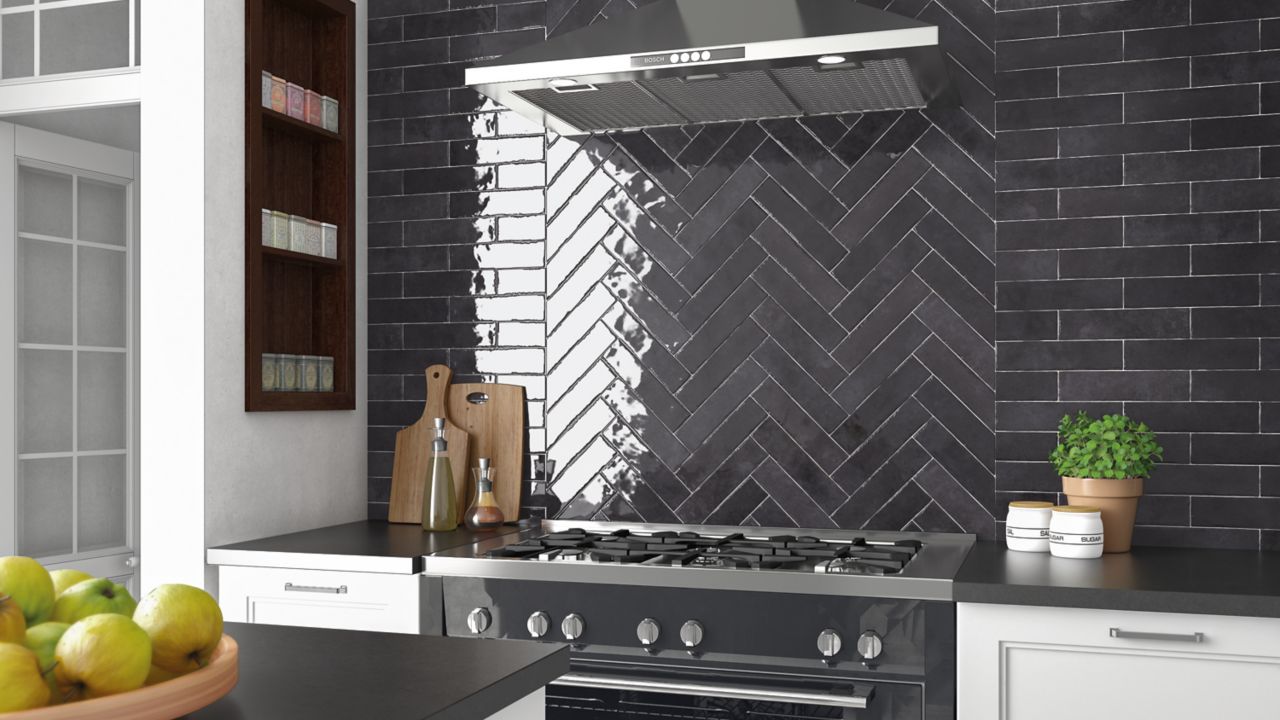
Installing tile backsplash on a kitchen wall step by step
Tools And Materials Needed
Having the right tools and materials is key to a smooth kitchen backsplash installation. Without proper preparation, you might find yourself stuck halfway through the project or ending up with a less-than-perfect finish. Getting everything ready beforehand saves time and frustration.
Essential Tools
Make sure you have these tools at hand before you start:
- Measuring tape:Accurate measurements prevent costly mistakes.
- Level:Ensures your tiles are straight and even.
- Tile cutter or wet saw:Needed for precise tile cuts to fit corners and edges.
- Notched trowel:Helps spread adhesive evenly on the wall.
- Grout float:Used to apply grout smoothly between tiles.
- Sponge and bucket:For cleaning off excess grout and adhesive.
- Painter’s tape:Protects surrounding areas from adhesive and grout.
- Rubber gloves:Keeps your hands clean and protected during the process.
Do you have a tile cutter yet? I learned the hard way that trying to snap tiles by hand rarely works well, leading to uneven edges and wasted materials.
Preparing Your Supplies
Gather your tiles, adhesive, grout, and other materials ahead of time. Check the tile packaging for any special instructions or limitations.
Consider how many tiles you’ll need. It’s smart to buy 10-15% extra to cover breakage and cuts. Nothing is more frustrating than running out halfway through your backsplash.
Also, check your adhesive type. Some tiles require specific adhesives, like mastic for ceramic or thinset mortar for stone tiles. Matching the right adhesive to your tile ensures a strong, lasting bond.
Have you tested your grout color with a spare tile? The grout shade can dramatically change the backsplash’s look, so try a small sample patch first.
Preparing The Wall
Preparing the wall is the first important task for a successful kitchen backsplash. A clean and smooth surface helps tiles or panels stick well. Proper preparation prevents problems later. Take time to get the wall ready before starting the backsplash.
Cleaning And Repairing
Start by cleaning the wall thoroughly. Remove dirt, grease, and dust using warm soapy water. Rinse with clean water and let it dry completely. Check the wall for holes, cracks, or bumps.
Fill any holes or cracks with spackling compound or wall filler. Use a putty knife to smooth the surface. Let the filler dry, then sand it gently to make the wall even. Remove any loose paint or wallpaper that may peel later.
Measuring And Marking
Measure the area where the backsplash will go. Use a tape measure to get the width and height in inches or centimeters. Write down the measurements to avoid mistakes.
Mark a straight horizontal line on the wall at the bottom edge of the backsplash. Use a level to make sure the line is perfectly straight. This line will guide the placement of tiles or panels.
Also, mark vertical lines if needed to help align tiles or panels. These marks keep your backsplash neat and balanced. Accurate measuring and marking save time and effort later.
Cutting And Fitting Tiles
Cutting and fitting tiles can feel intimidating, but with the right approach, you’ll get clean, precise results that make your kitchen backsplash stand out. It’s all about patience and using the right tools to shape tiles so they fit perfectly around outlets, corners, and edges. Taking your time here saves you from frustration and ensures a professional finish you’ll be proud of.
Tile Cutting Techniques
There are several ways to cut tiles depending on the type of tile and the cut you need. A manual tile cutter works well for straight cuts on ceramic or porcelain tiles. It scores the tile, then snaps it cleanly along the line—simple and effective for most backsplash projects.
For more intricate cuts, like curves or notches around fixtures, a wet saw or an angle grinder with a diamond blade is your best bet. These tools provide precision and smooth edges, which are crucial for a tight fit. Always wear safety goggles and gloves when using power tools to protect yourself.
If you don’t have these tools, you can rent them from most hardware stores. Have you ever tried cutting a tile with just a glass cutter? It’s tricky and often leads to uneven breaks—investing in the right tool makes a big difference.
Dry Fitting Tiles
Before applying adhesive, arrange your tiles on the wall without glue. Dry fitting helps you visualize the layout and make adjustments before anything is permanent. It’s your chance to spot awkward gaps or cuts that need refining.
Use tile spacers to maintain even gaps for grout lines. This ensures a uniform look and prevents issues later. Walk back and look at the overall pattern—does it look balanced? Adjust as needed.
Dry fitting also helps you plan how to handle tricky spots like corners or around electrical outlets. Taking this step seriously can save hours of rework. How often do you skip a dry run and regret it later?
Applying Adhesive
Applying adhesive is a crucial step in backsplashing your kitchen wall. The right adhesive ensures your tiles stay put and look great for years. It also makes the installation process smoother and less frustrating.
Choosing The Right Adhesive
Not all adhesives work the same. You need to pick one that fits your tile type and wall surface. For ceramic or porcelain tiles, a standard thin-set mortar often works well. If your wall is drywall or plywood, consider a mastic adhesive designed for those surfaces.
Think about moisture too. In areas near sinks, waterproof adhesives help prevent peeling over time. Ask yourself: is my backsplash area exposed to water or heat? This will guide your choice.
Applying Evenly
Even application of adhesive is key to a smooth finish. Use a notched trowel to spread the adhesive in consistent, straight lines. This creates uniform ridges that help tiles stick better and align perfectly.
A tip from my own backsplash project: don’t rush this step. Taking your time to apply adhesive evenly prevents future tile movement or gaps. Can you imagine fixing loose tiles after your kitchen is done? Avoid that by being precise now.
Work in small sections to keep the adhesive from drying out before you place tiles. This keeps your tiles firmly in place and your work neat.
Installing The Tiles
Installing tiles on a kitchen backsplash wall requires careful attention. Proper placement ensures a neat and lasting finish. Start by preparing the wall and gathering all necessary tools. Use a good tile adhesive and apply it evenly for strong bonding. Take your time and place each tile with care.
Starting Point Tips
Begin tiling from the center of the wall. This helps keep the layout balanced and symmetrical. Use a level to mark a straight horizontal line as your guide. Dry fit a row of tiles to check spacing and layout. Adjust the starting point if needed to avoid small tile cuts at edges.
Spacing And Alignment
Use tile spacers to keep equal gaps between tiles. This creates clean grout lines and a professional look. Check alignment often with a level or straight edge. Press each tile firmly into the adhesive to prevent slipping. Clean off excess adhesive before it dries to save time later.
Grouting The Tiles
Grouting the tiles is an essential step in finishing your kitchen backsplash. It fills gaps between tiles and keeps water from seeping behind them. Proper grouting adds strength and a polished look to your backsplash. This process requires patience and care to ensure smooth, even grout lines. Follow these steps to grout your kitchen tiles effectively.
Mixing Grout
Start by choosing the right grout for your tiles. Powdered grout comes in many colors. Pick one that matches or contrasts nicely with your tiles.
Pour the grout powder into a clean bucket. Add water slowly while stirring. Mix until the grout reaches a thick, peanut butter-like consistency. Avoid lumps or dry spots.
Let the grout sit for about 5 minutes. Stir again before applying. This step helps the grout set properly.
Applying And Cleaning
Use a rubber float to spread grout over the tiles. Hold the float at a 45-degree angle. Press grout firmly into the gaps between tiles.
Work in small sections. Wipe off excess grout from tile surfaces using the float edge. Keep grout lines full and smooth.
Wait 10 to 15 minutes for the grout to start hardening. Then, use a damp sponge to gently clean tile surfaces. Rinse the sponge often and avoid removing grout from the joints.
After a few hours, polish the tiles with a dry cloth. This removes grout haze and reveals a clean finish.
Sealing And Finishing Touches
Sealing and finishing touches protect your backsplash and keep it looking fresh. These steps help prevent stains and water damage. A well-sealed backsplash lasts longer and stays easier to clean.
Sealing The Grout
Grout is porous and absorbs moisture and dirt easily. Applying a grout sealer blocks water and stains. Use a small brush or applicator to cover grout lines evenly. Let the sealer soak in for 5 to 10 minutes. Wipe off any excess with a clean cloth. Allow the grout to dry fully before touching or cleaning. Reapply grout sealer every year to maintain protection.
Final Cleanup
Remove all tape and protective coverings carefully. Clean tiles with a damp cloth to remove dust and residue. Use a gentle cleaner for any leftover grout haze. Buff tiles dry with a soft cloth for a shiny finish. Check for any gaps or cracks and fill them if needed. Your backsplash is now ready to impress and last for years.
Maintenance Tips
Keeping your kitchen backsplash looking fresh and new doesn’t have to be a chore. Regular maintenance not only preserves its beauty but also extends its lifespan. Let’s dive into some practical tips that make caring for your backsplash simple and effective.
Cleaning The Backsplash
Start with a gentle cleanser that suits your backsplash material. For tile backsplashes, a mix of warm water and mild dish soap works wonders. Avoid harsh chemicals that can damage grout or surface finishes.
Use a soft cloth or sponge to wipe down the backsplash daily or after cooking. This stops grease and stains from building up and becoming harder to remove. If you notice stubborn spots, try a baking soda paste—it’s a natural cleaner that’s tough on grime but gentle on surfaces.
Have you ever ignored a small stain only to find it much harder to clean later? Tackling messes early saves you time and effort in the long run.
Long-term Care
Seal grout lines annually to prevent moisture and stains from penetrating. This simple step maintains grout color and prevents mold growth, keeping your backsplash hygienic and attractive.
Inspect your backsplash periodically for cracks or loose tiles. Repairing minor damages promptly avoids bigger, costly problems later. Plus, it keeps your kitchen looking neat and well-maintained.
Consider how your backsplash handles daily wear and tear. Would a protective coating or a different cleaning routine improve its durability? Small adjustments can make a big difference over time.

DIY kitchen backsplash upgrade with subway tiles

Applying adhesive for kitchen wall backsplash installation
Frequently Asked Questions
What Materials Are Best For Kitchen Backsplash?
Popular materials include ceramic tile, glass, stainless steel, and natural stone. Choose based on durability, style, and budget. Tiles offer easy cleaning and variety. Glass adds a modern touch. Stainless steel is highly durable. Natural stone provides a classic look but requires sealing.
How Do You Prepare A Kitchen Wall For Backsplash?
First, clean the wall thoroughly to remove grease and dirt. Repair any holes or cracks. Ensure the surface is smooth and dry. Mark the layout with a pencil. Apply primer if needed for better tile adhesion. Proper prep ensures a long-lasting backsplash.
Can I Install A Backsplash Myself?
Yes, with basic tools and careful planning, DIY installation is possible. Follow step-by-step instructions, measure accurately, and use appropriate adhesive. Start from the center and work outward. Take your time to align tiles properly. DIY saves money but requires patience.
How Long Does Backsplash Installation Take?
Typically, it takes 4 to 8 hours depending on the area size and material. Drying and curing time may add extra hours. Planning and prep work affect the total time. Small kitchens can be completed within a day. Larger or complex designs take longer.
Conclusion
Creating a kitchen backsplash can transform your space. It adds style and protection to your walls. Following these steps makes the process easy and enjoyable. Measure carefully and choose materials that suit your taste. Use the right tools to ensure a neat finish.
Take your time for the best results. Your kitchen will have a fresh, new look. Plus, it will reflect your personal style. With patience and care, you can achieve a beautiful backsplash. Enjoy your newly enhanced kitchen space!
