How Much to Open Up a Kitchen Wall: Cost Breakdown & Tips
Thinking about opening up a kitchen wall but worried about the cost? You’re not alone.
Changing your kitchen layout can transform your home, making it feel bigger, brighter, and more inviting. But before you start knocking down walls, you need to know exactly how much it will cost you. You’ll discover the real expenses behind opening up a kitchen wall — from materials and labor to permits and unexpected surprises.
How Much to Open Up a Kitchen Wal. By the end, you’ll have a clear picture of what to expect and how to plan your budget. Keep reading to make sure your dream kitchen makeover doesn’t come with a shocking price tag.

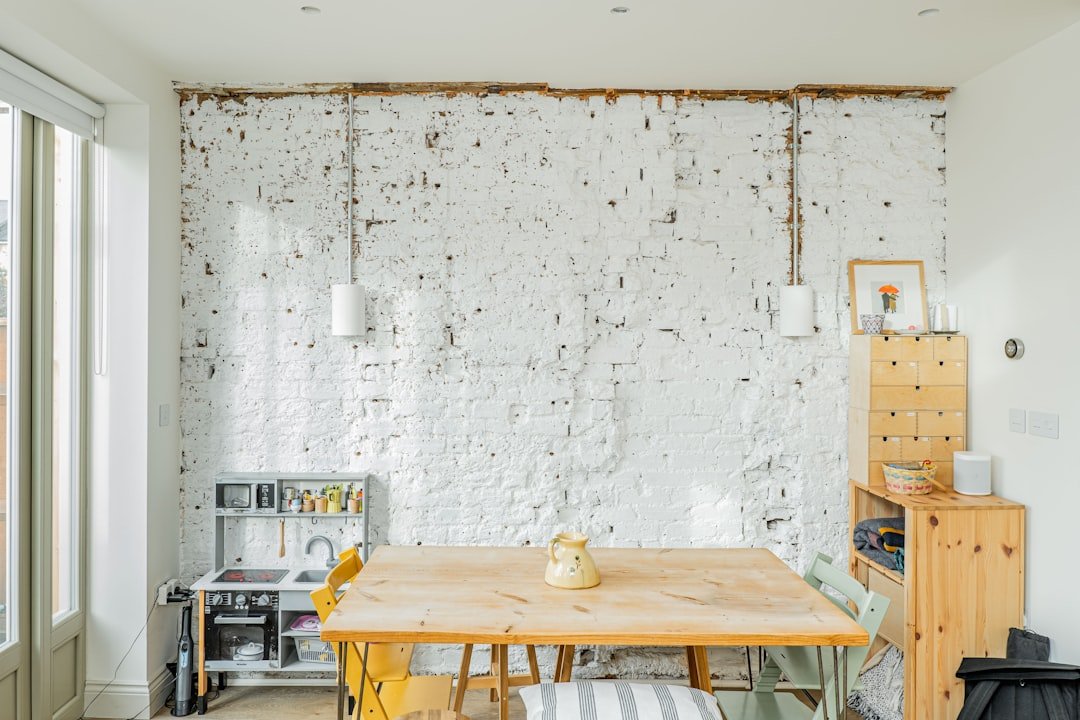
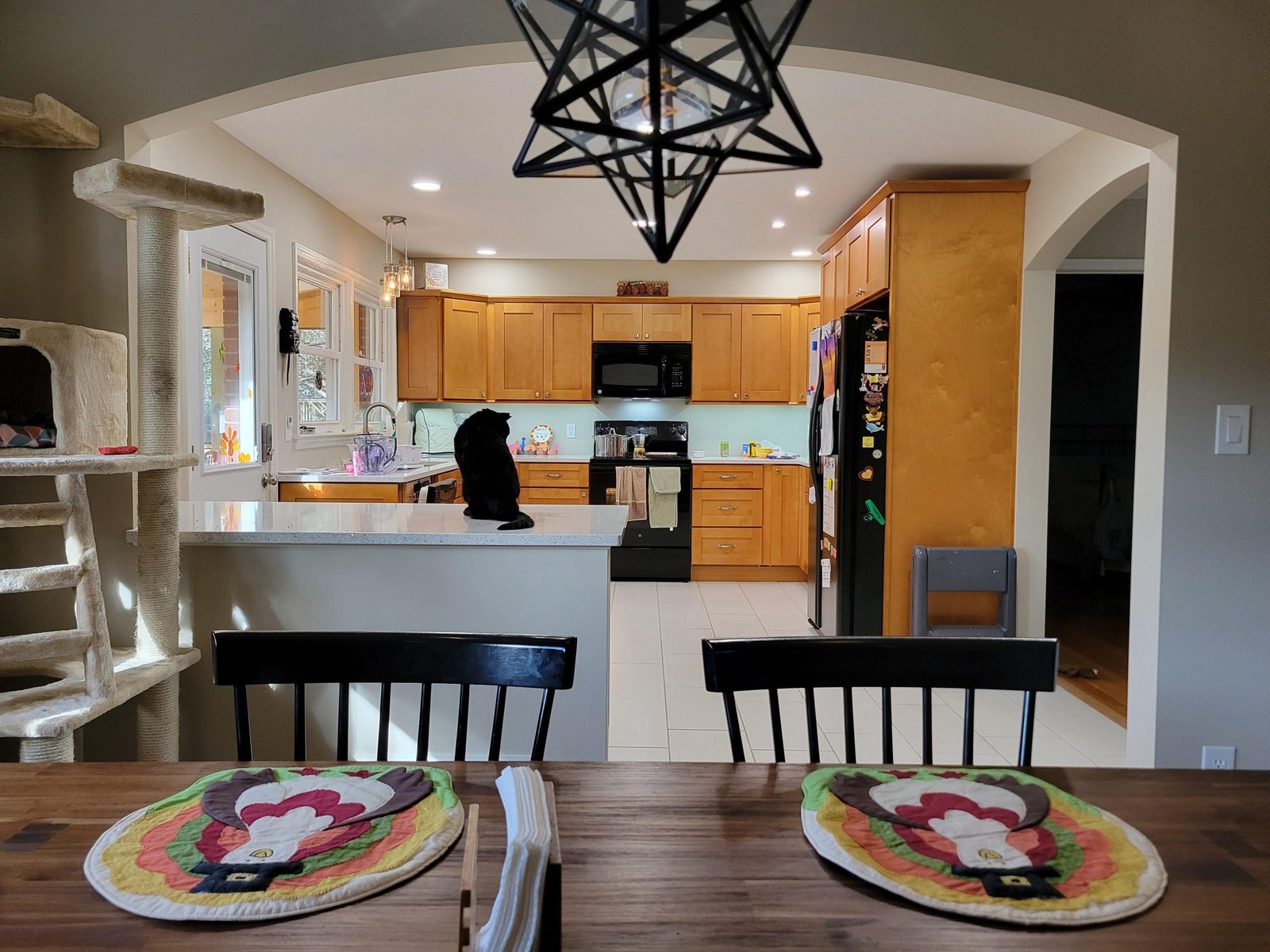
Open concept kitchen with dining and living area
Factors Influencing Wall Removal Costs
Removing a kitchen wall can change your home’s feel and function. Costs vary widely based on many factors. Knowing these factors helps plan your budget better.
Wall Type And Structure
Load-bearing walls need extra care and support during removal. These walls hold up the house, so removing them costs more. Non-load-bearing walls are easier and cheaper to remove. Wall materials also affect costs. Brick or concrete walls require more work than drywall.
Permits And Inspections
Most places require permits for wall removal. Permit fees vary by location and project size. Inspections ensure work is safe and meets rules. These steps add to total costs but protect your home.
Labor And Contractor Fees
Skilled labor costs depend on experience and area. Contractors charge for time and complexity. More complicated jobs take longer and cost more. Always get quotes from multiple contractors for best pricing.
Materials And Finishes
Wall removal may require new beams or supports. Finishing touches like drywall, paint, and trim add costs. Matching existing finishes can increase expenses. Plan for these materials to avoid surprises.
Typical Cost Range For Opening A Kitchen Wall
Opening up a kitchen wall can transform your living space, but the cost varies widely depending on the scope and complexity of the project. Understanding the typical cost range helps you plan your budget effectively and avoid surprises. Let’s break down what you might expect to pay at different budget levels.
Low-end Budget Estimates
If you’re working with a tight budget, minor wall removals or partial openings typically fall into this category. Expect to pay between $1,000 and $3,000.
- Removing a non-load-bearing wall with minimal electrical or plumbing adjustments
- Basic drywall repair and repainting
- Simple cleanup and disposal
At this level, you might handle some tasks yourself, like moving furniture or minor painting. But keep in mind, cutting corners on structural work can lead to bigger expenses later. Have you checked if your wall supports any plumbing or electrical systems before starting?
Mid-range Costs
Most homeowners fall into this range, paying between $3,000 and $8,000. This covers more extensive work that includes:
- Removing load-bearing walls with proper support beams installed
- Reworking electrical wiring or plumbing within the wall
- Custom drywall finishing and painting
- Permits and inspections
When I opened up my kitchen wall, the cost hit this range because we had to install a steel beam to support the ceiling. It added strength but also complexity—and cost. Are you ready to invest in quality work that ensures safety and durability?
High-end Project Expenses
For large-scale remodels or high-end finishes, costs can soar beyond $8,000 and even reach $15,000 or more. This level includes:
- Extensive structural modifications with engineering consultations
- Custom cabinetry, new lighting, and luxury finishes around the opening
- Upgrading flooring or integrating the opening with other rooms
- High-end permits, inspections, and contractor fees
If you want your kitchen wall opening to be a standout feature, expect the price to reflect that ambition. Would you prefer to invest now and enjoy a seamless, stylish space for years, or risk future upgrades later?
Additional Expenses To Consider
Opening up a kitchen wall involves more than just knocking down drywall. You’ll need to budget for extra costs that often surprise homeowners. These additional expenses can quickly add up, so understanding them helps you avoid unexpected bills and keeps your project on track.
Electrical And Plumbing Adjustments
Walls usually contain electrical wiring and plumbing pipes that need to be moved or re-routed. If your kitchen wall has outlets, switches, or plumbing lines, a licensed electrician and plumber will be necessary. These adjustments can cost anywhere from a few hundred to several thousand dollars depending on the complexity.
Think about your kitchen appliances and lighting—will their power sources need relocation? Ignoring these costs can delay your project and increase your final bill.
Structural Support Installation
Removing a load-bearing wall means adding proper support to keep your home safe. This often involves installing a beam or posts, which requires professional engineering and skilled labor. The price can range widely based on the materials used and the wall’s size.
I once saw a kitchen renovation where the owners underestimated this cost, leading to a pause while they secured extra funds. Don’t let this happen to you—get a structural assessment early on.
Cleanup And Waste Disposal
Demolition generates a significant amount of debris that must be removed promptly. Renting dumpsters or hiring waste removal services is an often overlooked cost. Plus, cleanup labor adds to your expenses, especially if you want to keep your home tidy during the process.
Ask yourself: Do you have the time and tools to manage this, or should you budget for professional help? Planning ahead for cleanup saves hassle and keeps the workspace safe for everyone involved.
Cost-saving Tips For Wall Removal
Removing a kitchen wall can dramatically open up your space, but the costs can add up quickly. Saving money without sacrificing quality requires careful choices and smart planning. Here are some effective tips to help you keep your wall removal project budget-friendly.
Diy Vs Professional Help
Taking on the wall removal yourself might seem like the easiest way to save money. However, consider the risks involved, especially if the wall is load-bearing or has electrical wiring or plumbing inside. Mistakes can lead to costly repairs later.
Hiring a professional ensures safety and compliance with building codes. Still, you can reduce expenses by doing prep work yourself, like moving furniture or removing drywall. Ask contractors for detailed quotes and compare them—sometimes smaller, local experts charge less than big companies.
Choosing Affordable Materials
Material costs vary widely depending on what you choose to replace or finish the opened space with. Instead of expensive custom finishes, look for budget-friendly alternatives like laminate countertops or stock cabinetry. These can look great without breaking the bank.
Keep an eye out for sales or discounted materials at local suppliers. Sometimes, surplus or factory seconds provide quality at a fraction of the price. Would you consider mixing higher-end pieces with affordable ones to balance cost and style?
Planning Ahead To Avoid Surprises
Unexpected problems often cause budget overruns during wall removal. Before starting, get a thorough inspection to identify wiring, pipes, or structural supports behind the wall. Knowing what’s hidden will help you plan and avoid costly last-minute fixes.
Create a clear budget with a small cushion for emergencies. Communicate your spending limits with your contractor upfront. Have you mapped out your project timeline and materials list to prevent rushed decisions and inflated costs?
Impact On Home Value And Layout
Opening up a kitchen wall can change the entire feel of your home. It affects how space flows and how light moves through rooms. These changes impact both daily living and your home’s market appeal. Understanding this impact helps make smart renovation choices.
Enhancing Space And Light
Removing a kitchen wall creates an open, airy space. It allows natural light to travel further into the home. The kitchen blends with dining or living areas, making rooms feel larger.
Open layouts encourage social interaction and make cooking more enjoyable. They also improve sightlines, so parents can watch children while preparing meals. This change can make the home feel modern and welcoming.
Resale Value Considerations
Open kitchens often attract buyers and can increase home value. Many people prefer homes with open floor plans for their flexibility. However, removing a wall may not always add value if it reduces storage or changes room function too much.
Consult a real estate expert before starting. They can advise if your neighborhood favors open layouts. Also, check if the wall is load-bearing, as removing it may increase costs. Smart planning helps balance renovation expenses with potential value gain.

Contractor removing a non-load-bearing kitchen wall

Modern kitchen after wall removal with island
Frequently Asked Questions
How Much Does It Cost To Open A Kitchen Wall?
Opening a kitchen wall typically costs between $2,000 and $5,000. Prices vary based on wall type, permits, and labor. Removing a load-bearing wall increases costs due to structural reinforcements.
Is A Permit Needed To Open A Kitchen Wall?
Yes, most local building codes require a permit to open a kitchen wall. This ensures safety and code compliance. Always check with your local building department before starting work.
How Long Does It Take To Open A Kitchen Wall?
Opening a kitchen wall usually takes 2 to 5 days. Duration depends on wall complexity, structural work, and finishing touches like drywall and paint.
Can I Open A Load-bearing Kitchen Wall Safely?
Yes, but it requires a professional’s help. Load-bearing walls need proper support beams installed to maintain structural integrity and avoid damage.
Conclusion
Opening a kitchen wall can transform your space. It enhances light and flow. Before starting, consider your budget carefully. Check for load-bearing walls, electrical, and plumbing concerns. Consult a professional for a detailed estimate. This ensures safety and accuracy. Be prepared for unexpected costs during the process.
Planning ahead minimizes surprises. A well-executed project adds value and enjoyment to your home. Take your time to make informed decisions. A successful renovation brings satisfaction and a fresh new look. Make your kitchen a welcoming hub for family and friends.