How Much Weight Can a Kitchen Wall Cabinet Hold: Ultimate Guide
Have you ever wondered how much weight your kitchen wall cabinet can actually hold? Whether you’re planning to store heavy pots, stacks of dishes, or bulky pantry items, knowing your cabinet’s limits is crucial.
How Much Weight Can a Kitchen Wall Cabinet Hold, You don’t want to risk damage or even accidents by overloading it. You’ll discover simple ways to understand your kitchen wall cabinet’s weight capacity and learn practical tips to keep your storage safe and sturdy. Keep reading to make the most of your kitchen space without any worries.
Weight Capacity Basics
Understanding the basics of weight capacity is essential before installing or loading your kitchen wall cabinets. Knowing how much weight your cabinets can safely hold helps prevent damage and ensures long-term use. Let’s break down what factors influence this capacity so you can make informed decisions for your kitchen setup.
Material Impact
The material of your cabinet plays a big role in how much weight it can support. Solid wood cabinets often hold more weight compared to particleboard or MDF because of their strength and durability.
Metal cabinets can also handle heavy loads, but they might not suit every kitchen style. Have you noticed how some cabinets feel sturdier just by touch? That’s the material talking.
Cabinet Size Effects
The size of your cabinet affects weight distribution and capacity. Larger cabinets might seem like they can hold more, but if they lack proper internal support, they could sag or warp under heavy loads.
Smaller cabinets with reinforced shelves can sometimes support surprisingly heavy items. It’s worth checking shelf thickness and support brackets before loading your cabinets.
Mounting Methods
How your cabinet is attached to the wall changes everything about its weight capacity. Cabinets mounted on solid studs can hold much more than those anchored only to drywall.
Using the right screws and anchors is crucial. Even the strongest cabinet will fail if it’s not properly secured. Ask yourself: Did you use the right mounting hardware for the wall type behind your cabinet?
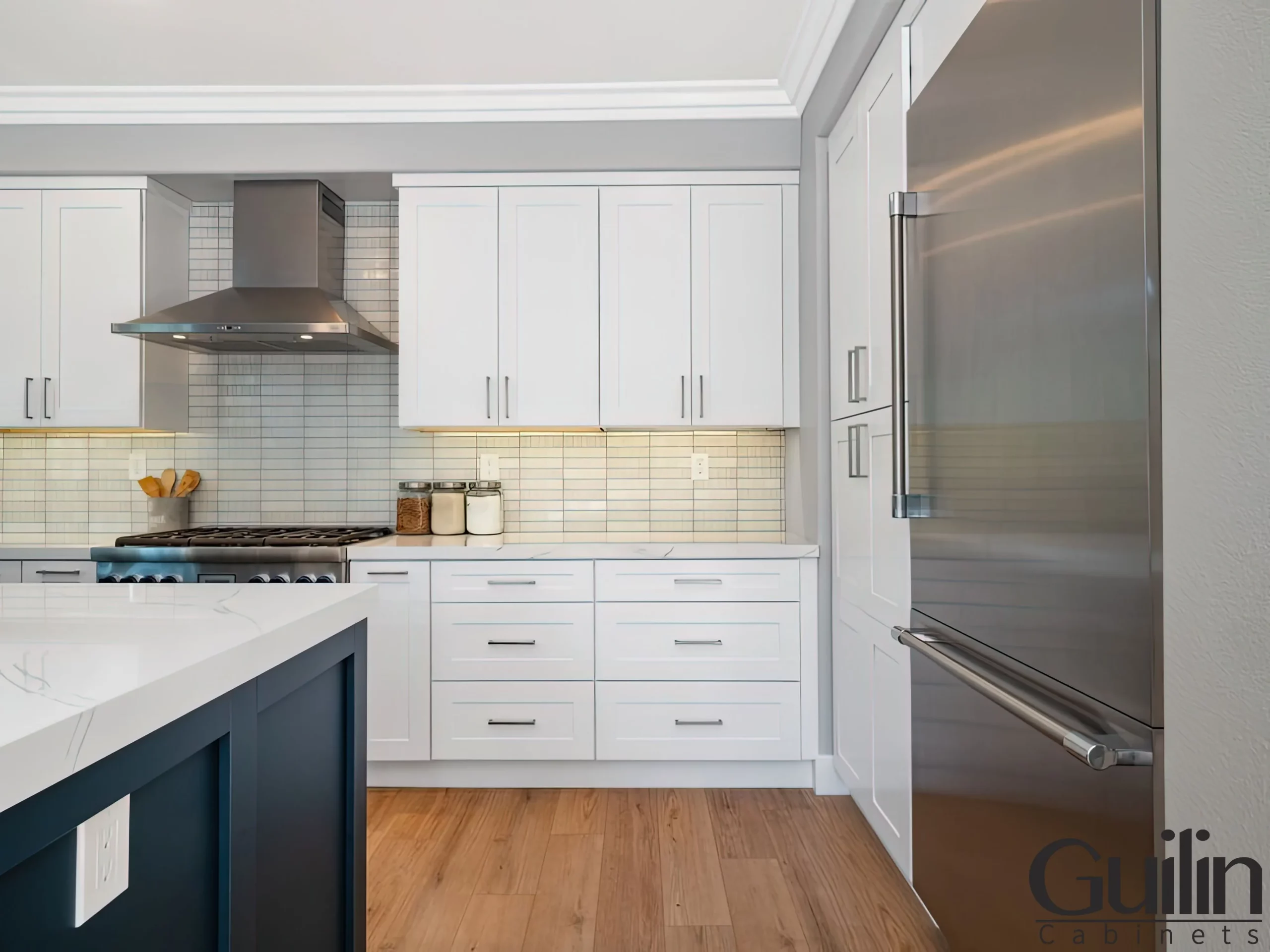
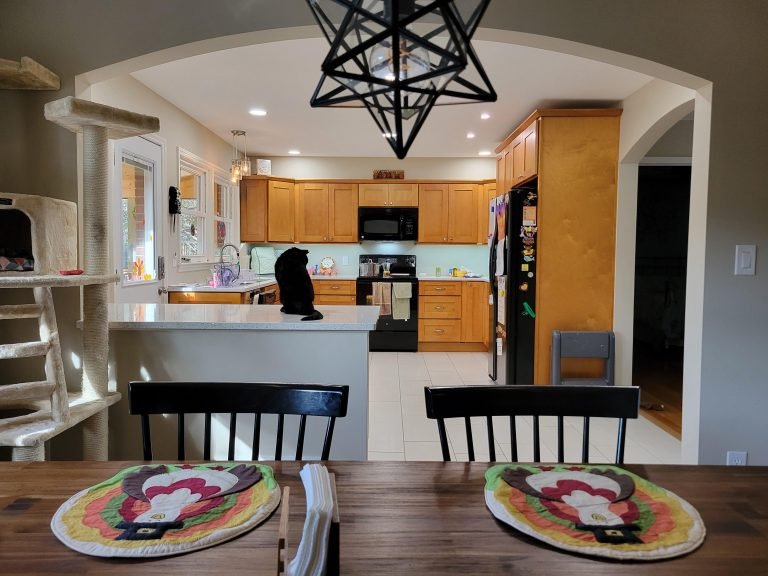
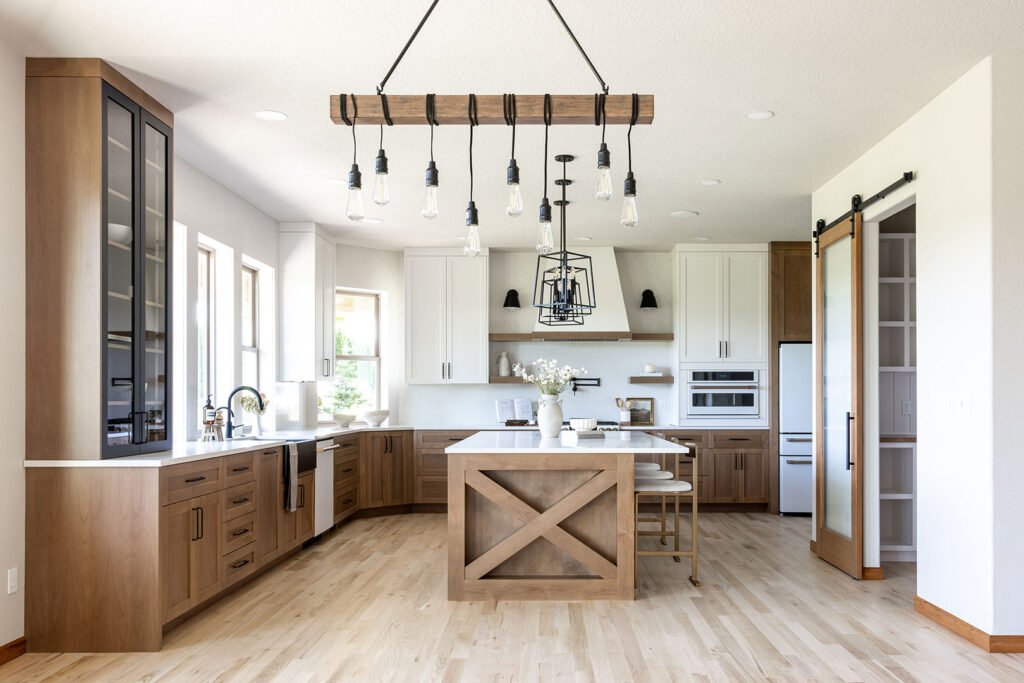
Kitchen wall cabinets with heavy dishes stored inside
Types Of Kitchen Wall Cabinets
Understanding the types of kitchen wall cabinets is essential when considering how much weight they can hold. Different cabinet styles come with varying designs, materials, and construction methods, all of which impact their strength and durability. Knowing what type you have or want helps you plan storage wisely and avoid overloading.
Stock Cabinets
Stock cabinets are pre-made and mass-produced in standard sizes. They usually come with basic materials like particleboard or MDF, which can limit their weight capacity. Because they are made for affordability and quick installation, expect a typical stock cabinet to hold around 30 to 50 pounds safely.
If you want to store heavier items like cast iron pans or large glass containers, stock cabinets might require reinforcement. Adding stronger screws or mounting brackets can improve their load-bearing ability without a full upgrade.
Semi-custom Cabinets
Semi-custom cabinets offer more size and style options than stock versions. Builders often use better materials such as plywood, which is more durable and can handle more weight. These cabinets generally support between 50 to 75 pounds, depending on their construction and how they are installed.
Have you checked the thickness of your cabinet walls? Thicker walls and solid wood frames in semi-custom cabinets can add extra strength for heavier kitchen tools. This makes them a practical choice if you want a balance between customization and durability.
Custom Cabinets
Custom cabinets are built to your exact specifications, using high-quality materials and expert craftsmanship. Because they are made to fit your kitchen perfectly, they often have reinforced joints and solid wood construction. This level of quality means they can hold 75 pounds or more, ideal for heavy cookware and bulk storage.
Imagine designing a cabinet that supports your heaviest items without worry. Custom cabinets let you choose extra reinforcements like thicker shelves or metal brackets to boost weight capacity. This option is worth considering if your kitchen storage needs are unique or heavy-duty.
Factors Affecting Weight Limits
Several factors influence how much weight a kitchen wall cabinet can hold. These factors determine the cabinet’s strength and safety. Understanding them helps you avoid damage and accidents. The main elements include the wall structure, the hardware used, and the cabinet’s build quality.
Wall Studs And Anchors
Wall studs provide the main support for cabinets. Cabinets attached directly to studs carry more weight safely. Drywall alone cannot hold heavy loads. Anchors help if studs are not available. Different anchors support different weights. Using the right anchor is vital to prevent cabinet failure.
Fasteners And Hardware
Strong fasteners like screws and bolts secure cabinets better than nails. The size and type of fastener affect weight capacity. Longer screws grab more wood, increasing support. Cabinet brackets and mounting plates also add strength. Proper hardware installation ensures the cabinet stays in place.
Cabinet Construction Quality
High-quality cabinets use sturdy materials and strong joints. Solid wood or plywood lasts longer and holds more weight. Particleboard cabinets are less durable. Well-made cabinets distribute weight evenly. Reinforced shelves and backs increase load capacity. Quality craftsmanship means safer and more reliable storage.
Safe Weight Guidelines
Knowing the safe weight guidelines for your kitchen wall cabinets helps you avoid costly damage and keep your kitchen functional. Overloading these cabinets can lead to sagging shelves, loose hinges, or even cabinet failure. It’s important to understand how much weight your cabinets can handle and recognize the signs that signal you might be pushing their limits.
Average Weight Limits
Most standard kitchen wall cabinets can safely hold between 20 to 50 pounds per linear foot. This means if you have a 3-foot-long cabinet, it should support roughly 60 to 150 pounds evenly distributed across the shelves.
Keep in mind that this weight includes everything stored inside, such as dishes, glassware, and pantry items. Exceeding this range regularly can cause permanent damage over time.
Heavy-duty Cabinets
If you need to store heavier items like large pots, appliances, or bulk food, heavy-duty cabinets are your best bet. These are built with stronger materials, reinforced shelves, and better mounting hardware.
Heavy-duty cabinets can hold weights upwards of 100 pounds per linear foot. Installing these might cost more upfront but saves you from frequent repairs and replacements.
Signs Of Overloading
How can you tell if your cabinets are holding too much? Watch out for these warning signs:
- Sagging shelves:If shelves bow downward under the weight, it’s time to lighten the load.
- Loose or squeaky hinges:Extra strain on hinges can cause them to loosen or make noises when opening.
- Cabinet doors misaligning:Doors that no longer close properly may indicate structural stress.
Have you noticed any of these in your kitchen? Addressing them early can prevent accidents and costly repairs.
Installation Tips For Maximum Support
Ensuring your kitchen wall cabinets hold maximum weight starts with smart installation. The right techniques can make a huge difference in how much load your cabinets can safely carry. Let’s look at practical tips that will boost your cabinet’s strength and keep your kitchen safe and functional.
Stud Location Techniques
Locating studs accurately is key to securing your cabinets properly. Use a reliable stud finder and mark the edges, not just the center, to get a clear picture. Remember, cabinets mounted only on drywall won’t support much weight, so anchoring directly into studs is essential.
If you struggle to find studs, try tapping the wall gently to listen for a solid sound or look for electrical outlets, which often indicate stud positions. Don’t guess—double-checking your measurements can save you from future cabinet failure.
Using Proper Anchors
When studs aren’t available where you want to mount your cabinets, choose the right anchors carefully. Heavy-duty toggle bolts or molly bolts can provide strong support in drywall. Avoid regular plastic anchors; they simply won’t hold the weight of loaded kitchen cabinets.
Think about the cabinet’s intended use. Will it hold heavy dishes or just light glassware? Match your anchors to the expected load. Installing more anchors evenly spaced can also distribute weight better and prevent cabinet sagging.
Leveling And Alignment
Level cabinets not only look better but also share weight evenly across mounting points. Use a quality spirit level during installation to avoid leaning or gaps. Even a slight tilt can cause stress on the screws and anchors, risking cabinet damage or wall failure.
Align cabinet edges carefully, especially when installing multiple units side by side. An uneven setup can cause shifting under weight and increase wear over time. Take your time with measurements and adjustments—your cabinets will thank you with lasting stability.

Kitchen wall cabinets with heavy dishes stored inside
Enhancing Cabinet Strength
Enhancing the strength of your kitchen wall cabinet is key to safely holding heavier items without worry. A cabinet’s durability depends not just on its design but also on how you reinforce and support it. Strengthening your cabinets allows you to maximize storage while avoiding damage or accidents.
Reinforcement Options
One simple way to boost cabinet strength is by adding metal brackets or corner braces inside the cabinet. These small but sturdy pieces help the cabinet frame hold weight more effectively.
Consider using plywood backing instead of thin particleboard, which adds rigidity. Solid wood strips along the cabinet edges also improve load capacity by preventing bending.
Additional Bracing
Adding extra bracing between the cabinet and wall can make a big difference. A horizontal cleat, screwed into wall studs, supports the entire cabinet base and shares the load.
Vertical braces inside the cabinet divide the space and reduce the span shelves must cover. This prevents sagging, especially for longer shelves holding heavy pots or dishes.
Load Distribution
How you arrange items inside your cabinet affects its strength. Place heavier items near the cabinet sides and bottom, where support is strongest.
Distributing weight evenly avoids putting too much pressure on a single spot. It’s like balancing a scale—spread the load to keep everything stable and secure.
Common Mistakes To Avoid
Many people make mistakes when installing or using kitchen wall cabinets. These errors can reduce the cabinet’s strength and safety. Avoiding common mistakes helps keep your cabinets sturdy and lasting longer.
Ignoring Wall Type
Not all walls hold the same weight. Drywall alone is weak for heavy cabinets. Cabinets must attach to studs or solid walls. Check the wall type before installing. Use a stud finder to locate studs. Anchoring only to drywall causes cabinets to fall.
Overloading Cabinets
Each cabinet has a weight limit. Overloading with heavy pots or dishes causes damage. Spread weight evenly inside the cabinet. Avoid placing very heavy items in one spot. Keep the total weight within the cabinet’s capacity. Overloading leads to sagging or falling cabinets.
Improper Installation
Using wrong screws or fasteners weakens support. Fasteners must fit the wall and cabinet. Mount cabinets level and flush against the wall. Loose or crooked installation risks accidents. Always follow manufacturer instructions carefully. Secure cabinets firmly to avoid shifting or falling.
Testing And Maintenance
Testing and maintenance ensure your kitchen wall cabinet stays safe and strong. These steps help prevent accidents and extend cabinet life. Regular checks catch problems early. Testing confirms the cabinet can hold the intended weight without damage.
Weight Testing Methods
Use simple tests to check cabinet strength. Start by placing a small weight on the shelf. Increase weight gradually while watching for signs of bending or creaking. Use a known weight, like filled water bottles or canned goods.
Another method is to press gently on shelves and joints to test firmness. Avoid sudden heavy loads. Testing this way helps you understand real weight limits without causing damage.
Regular Inspections
Look at your cabinets often for cracks, loose screws, or sagging shelves. Check hinges and mounting brackets to ensure they are tight. Pay attention to areas where shelves meet the walls.
Inspect the wall behind the cabinet for any signs of water damage or mold. These can weaken the cabinet’s support. Regular inspections keep small issues from growing into big problems.
Repairing Damage
Fix loose screws or brackets immediately. Replace damaged screws with stronger, longer ones if needed. Use wood glue to mend small cracks in shelves or cabinet sides.
If shelves sag, add support brackets underneath. For bigger damage, consider replacing the shelf or calling a professional. Timely repairs keep your cabinet safe and reliable.
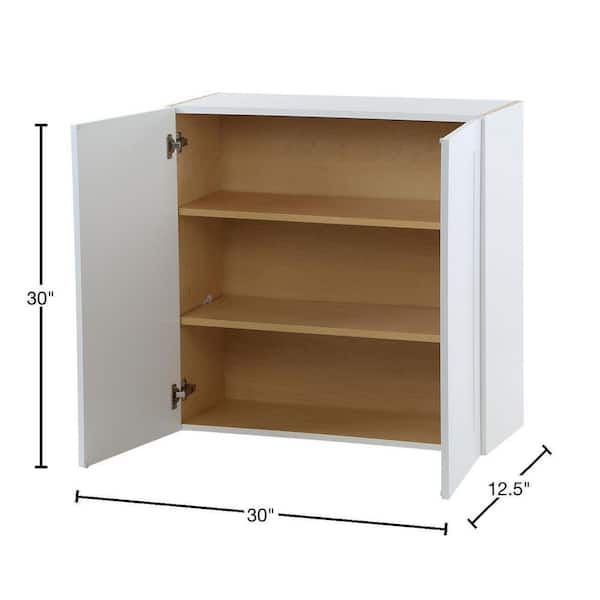
Installing reinforced brackets for strong wall cabinet support
Frequently Asked Questions
What Is The Weight Limit For Kitchen Cabinets?
Kitchen wall cabinets typically hold 30 to 50 pounds per square foot. This depends on the cabinet’s construction and installation. Always check the manufacturer’s guidelines for specific weight limits. Overloading can lead to damage or potential safety hazards. Distribute weight evenly for maximum stability and longevity.
How Do I Know My Cabinet’s Capacity?
To determine your cabinet’s capacity, refer to the manufacturer’s instructions. These usually provide weight limits. If unavailable, consult a professional. They can assess construction, materials, and installation. This ensures you don’t exceed the safe weight capacity. Regular checks help maintain cabinet integrity.
Can I Reinforce A Cabinet For More Weight?
Yes, reinforcing a cabinet is possible for added weight capacity. Use stronger brackets, additional screws, or support beams. Consult a professional for guidance. Proper reinforcement ensures safety and maintains the cabinet’s durability. Regular inspections are crucial to confirm the reinforcement’s effectiveness.
What Factors Affect Cabinet Weight Capacity?
Several factors influence a cabinet’s weight capacity. These include the materials used, construction quality, and installation method. Additional factors are wall type and cabinet size. Regular maintenance and inspections help ensure your cabinets remain sturdy and safe. Always follow the manufacturer’s guidelines for best results.
Conclusion
Kitchen wall cabinets hold different weights depending on build and installation. Solid wood cabinets usually support more weight than particleboard ones. Proper wall studs and strong anchors are key to safety. Avoid overloading to prevent damage or accidents. Regularly check cabinet stability for peace of mind.
Knowing weight limits helps you store items safely. Choose cabinets that fit your needs and space. Keep your kitchen organized without risking cabinet failure. Simple care keeps cabinets strong for years. Safe storage matters for every kitchen owner.