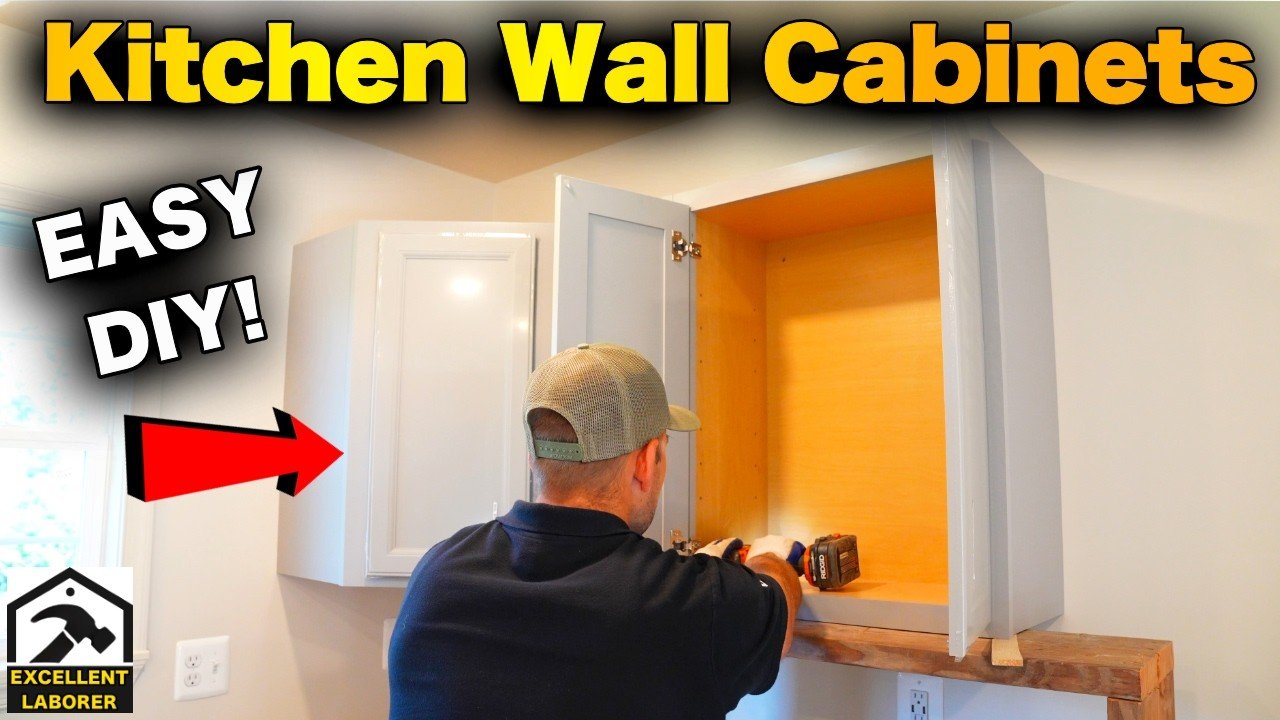
How Do You Hang Kitchen Wall Cabinets: Easy Steps for Perfect Installation
Are you ready to transform your kitchen with new wall cabinets but unsure where to start? Hanging kitchen wall cabinets might seem tricky, but with the right steps, you can do it yourself and save money.
How Do You Hang Kitchen Wall Cabinets. Imagine having your cabinets perfectly mounted, making your kitchen look organized and stylish. In this guide, you’ll discover simple, clear instructions that make the process easy to follow. By the end, you’ll feel confident tackling this project on your own.
Let’s dive in and get your kitchen looking amazing!
Tools And Materials Needed
Hanging kitchen wall cabinets requires the right tools and materials for a safe and sturdy installation. Using proper equipment ensures the cabinets hold well and stay level. Gathering everything before starting saves time and reduces mistakes.
Essential Tools
- Stud finder – to locate wall studs for secure mounting
- Level – to keep cabinets perfectly horizontal
- Drill with drill bits – for making pilot holes and driving screws
- Screwdriver – to tighten screws and adjust fittings
- Measuring tape – to measure spaces and cabinet placement
- Pencil – to mark drilling points and cabinet edges
- Clamps – to hold cabinets in place while securing
- Step ladder – to reach higher wall areas safely
Required Materials
- Wall cabinets – the units to be mounted
- Mounting screws – strong enough to hold cabinet weight
- Wood shims – to level cabinets if walls are uneven
- Anchors – for extra support when studs are not available
- Masking tape – to mark measurements without damaging walls
Preparing The Wall
Preparing the wall is a crucial part of hanging kitchen wall cabinets. It sets the foundation for a secure and level installation, preventing future problems like sagging or misalignment. Taking the time to get this step right saves you from costly repairs and frustration down the line.
Locating Wall Studs
Finding the wall studs is essential because they provide the strength needed to hold your cabinets. Drywall alone can’t support the weight of cabinets filled with dishes and groceries. Use a stud finder to scan along the wall where you plan to hang the cabinets.
Mark each stud location clearly with a pencil. Studs are usually spaced 16 or 24 inches apart, but never assume—always check. If you don’t hit a stud, your cabinets may not stay securely mounted.
Marking Cabinet Positions
Once you know where the studs are, it’s time to mark exactly where the cabinets will hang. Measure the height carefully from the floor or countertop to ensure your cabinets align properly with other kitchen elements. Use a level and pencil to draw a straight line across the wall as your top reference.
Next, outline the cabinet width on the wall, aligning with the studs you marked. Double-check your measurements before drilling any holes. Imagine how the cabinets will look—are they too high or low? Will doors open without obstruction?
Assembling The Cabinets
Assembling kitchen wall cabinets is a crucial step that sets the stage for a smooth installation. Getting this right saves you time and prevents frustration later. It’s not just about putting pieces together; it’s about ensuring everything fits perfectly and functions well.
Checking Cabinet Components
Before you start assembling, carefully unpack each cabinet and lay out all the parts. Check for the cabinet boxes, doors, shelves, screws, hinges, and mounting brackets. Missing or damaged components can cause delays or even force you to redo work.
Take a moment to match each piece with the assembly instructions. This lets you spot any inconsistencies early. Have you ever started building something only to find a crucial part missing halfway through? Avoid that by double-checking now.
Pre-assembly Tips
Clear your workspace to give yourself plenty of room to work. Organize your tools and components so they are easy to reach. This small step speeds up assembly and reduces mistakes.
Try fitting the shelves and doors loosely before tightening screws. This lets you make adjustments without struggling. Use a level to ensure cabinet frames are straight before securing them permanently.
Remember, patience here pays off. Rushing can lead to misaligned doors or unstable shelves, which you’ll regret once the cabinets are on your wall. How precise are you willing to be to get a perfect fit?

Leveling and marking lines for kitchen wall cabinets
Mounting The Cabinets
Mounting kitchen wall cabinets is a task that requires precision and patience. Getting the first cabinet properly secured sets the tone for the entire installation. A slight error at this stage can throw off the alignment of all other cabinets, making your kitchen look uneven and unprofessional.
Securing The First Cabinet
Start by finding the wall studs using a stud finder. Cabinets need solid support, so securing them directly to studs is crucial. Mark the stud locations lightly with a pencil to guide your drilling.
Lift the first cabinet into place, ideally with a helper, and use a level to check that it’s perfectly horizontal. Even a small tilt can cause problems down the line. Once aligned, drill pilot holes through the cabinet’s mounting rail into the studs.
Use strong screws, typically 3-inch wood screws, to attach the cabinet to the wall. Don’t fully tighten the screws yet—leave some wiggle room to make slight adjustments after the next cabinets are hung.
Aligning Additional Cabinets
After the first cabinet is secure, it becomes your reference point for the rest. Hang the next cabinet right next to it, making sure the sides are flush and the doors line up evenly.
Use clamps or specialized cabinet jacks to hold the cabinets tightly together. Drill pilot holes through the face frames where the cabinets meet and fasten them with screws. This step ensures a seamless and sturdy connection.
Continue checking with a level as you move along the wall. Small alignment errors can add up quickly, so adjust screws and clamps as needed. Are your cabinet doors closing smoothly without gaps? If not, adjust before moving to the next one.
Leveling And Adjusting
Leveling and adjusting kitchen wall cabinets is crucial for a polished look and proper function. Cabinets that are not level can cause doors to swing open or close unevenly. It can also lead to gaps between cabinets or uneven countertops. Taking time to level and adjust ensures a neat, professional finish.
Using A Level
Place a level on top of the cabinet frame. Check the bubble to see if the cabinet is straight. Adjust the cabinet up or down by tapping shims under the cabinet base. Use shims to fill any gaps between the cabinet and the wall. Keep checking with the level until the bubble is centered. This confirms the cabinet is perfectly horizontal.
Making Fine Adjustments
After securing the cabinet, check the doors and drawers. Open and close them to spot any misalignment. Loosen screws slightly to shift the cabinet for small changes. Tighten screws once the cabinet is perfectly aligned. Adjust door hinges to fix minor door height or gap issues. Fine adjustments create a seamless look and smooth operation.

Installing brackets for hanging kitchen cabinets
Securing And Finishing
Securing and finishing your kitchen wall cabinets is a crucial part of the installation process. It ensures stability, safety, and a polished look. Proper fastening prevents cabinets from shifting or falling. Finishing touches create a seamless, professional appearance. This section covers fastening cabinets together and installing doors and hardware.
Fastening Cabinets Together
Align cabinets side by side on the wall. Use clamps to hold them tightly in place. Drill pilot holes through the cabinet sides where they meet. Use screws to join the cabinets firmly. Check that the fronts are flush and level. Tighten screws carefully to avoid damaging the cabinet material. This step keeps cabinets stable and aligned.
Installing Doors And Hardware
Attach hinges to the cabinet doors first. Position hinges evenly for smooth door movement. Secure hinges to the cabinet frame using screws. Install handles or knobs on the doors. Measure and mark exact spots for hardware placement. Use a drill for clean, precise holes. Test each door to ensure it opens and closes smoothly. Adjust hinges if doors do not align properly.
Common Mistakes To Avoid
Hanging kitchen wall cabinets requires care and precision. Avoiding common mistakes helps ensure safety and durability. Many problems arise from simple errors that are easy to fix with the right knowledge.
Incorrect Stud Placement
Wall studs support the weight of cabinets. Missing the studs leads to weak and unsafe installation. Use a stud finder to locate studs accurately before hanging cabinets. Mark stud positions clearly on the wall. Installing screws only in drywall can cause cabinets to fall. Always secure cabinets directly into studs for strong support.
Ignoring Weight Limits
Each cabinet has a maximum weight limit. Overloading cabinets can cause them to detach from the wall. Check the weight limit on the cabinet label or manual. Distribute heavy items evenly inside cabinets to avoid stress on one area. Use proper mounting hardware rated for the cabinet’s weight. Respecting weight limits keeps cabinets secure and lasting longer.
Safety Tips
Safety should be your top priority when hanging kitchen wall cabinets. Ignoring basic safety measures can lead to injuries and damage to your walls or cabinets. Taking a moment to prepare and handle tools and materials carefully makes the entire process smoother and safer for you.
Handling Tools Properly
Using the right tools the right way is crucial. Always check that your power tools, like drills or screwdrivers, have no frayed cords or loose parts before starting. Wear safety goggles to protect your eyes from dust and debris, and consider gloves for a better grip and hand protection.
Keep your workspace clean and organized to avoid tripping hazards. If you’re using a ladder, make sure it is stable and on a flat surface. Have a helper hold the ladder or tools if possible—two sets of hands reduce the risk of accidents.
Working With Heavy Cabinets
Kitchen cabinets can be surprisingly heavy, and lifting them incorrectly can cause strain or injury. Before lifting, plan your route and clear any obstacles. Use your legs to lift, not your back, and keep the cabinet close to your body.
Ask a friend to assist you—carrying a cabinet alone is risky and can cause damage or injury. Consider using clamps or temporary supports on the wall to hold the cabinet in place while you secure it. Have you thought about how many hands you really need before you start lifting?

How Do You Hang Kitchen Wall Cabinets
Frequently Asked Questions
How Do You Find Wall Studs For Cabinets?
Use a stud finder to locate wall studs behind drywall. Mark stud locations with a pencil for secure cabinet mounting. Cabinets must be screwed into studs for strong support and safety.
What Tools Are Needed To Hang Kitchen Cabinets?
You need a drill, level, stud finder, measuring tape, screwdriver, and clamps. These tools help ensure cabinets are aligned and securely fastened to the wall studs.
How High Should Kitchen Wall Cabinets Be Hung?
Standard height is 54 inches from the floor to the cabinet bottom. This allows for a comfortable reach and aligns well with most countertops. Adjust height based on ceiling height and user preference.
Can I Hang Cabinets On Drywall Without Studs?
No, drywall alone cannot support cabinet weight. Always attach cabinets directly into wall studs for safety and stability. Use a stud finder to locate studs before installation.
Conclusion
Hanging kitchen wall cabinets can seem tough, but it’s manageable. Measure carefully. Use the right tools. Secure the brackets firmly. Check levels to ensure alignment. Take it step by step for safety. This task boosts your kitchen’s look and storage.
You’ll enjoy the results of your hard work. Your kitchen will feel more organized and stylish. Don’t rush the process. Patience is key to success. Enjoy your new kitchen setup!